

Crematogaster chiarinii
- Scientific Name
- Crematogaster chiarinii
- Tribe
- Crematogastrini
- Subfamily
- Myrmicinae
- Author
- Emery, 1881
- Distribution
- Found in 3 countries
Crematogaster chiarinii Overview
Crematogaster chiarinii is an ant species of the genus Crematogaster. It is primarily documented in 3 countries , including Ethiopia, Saudi Arabia, Yemen. Detailed taxonomic data and occurrence records can be further explored via authoritative databases such as AntWeb or the Global Biodiversity Information Facility (GBIF).
Crematogaster chiarinii
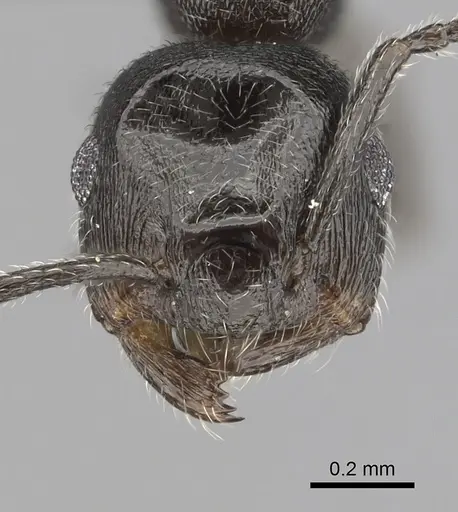
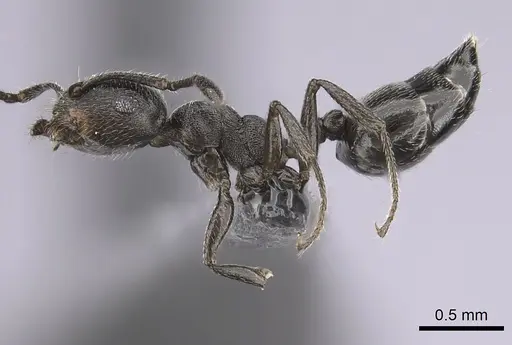
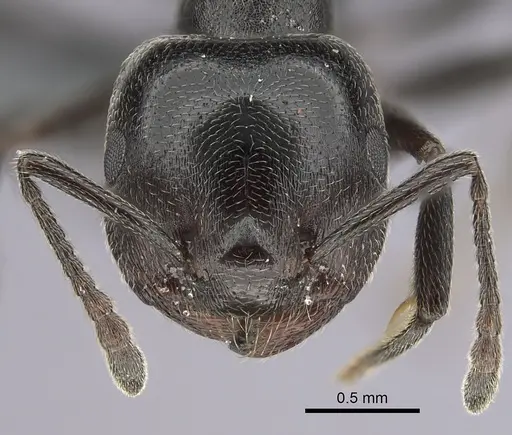
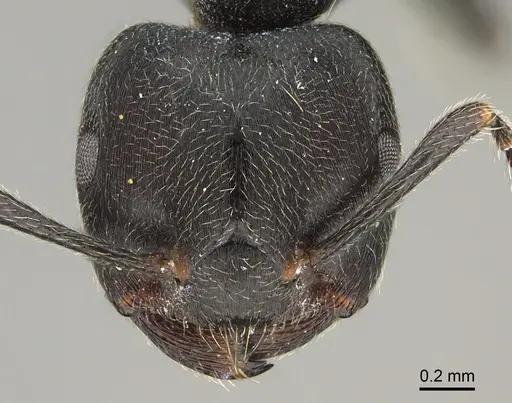
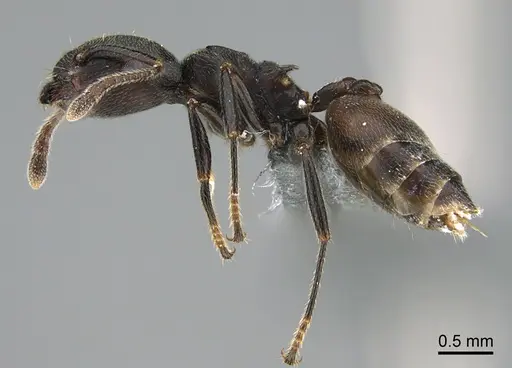
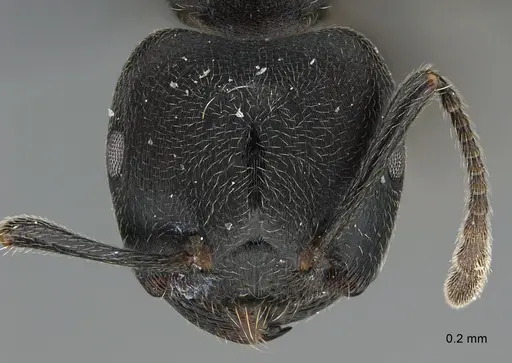
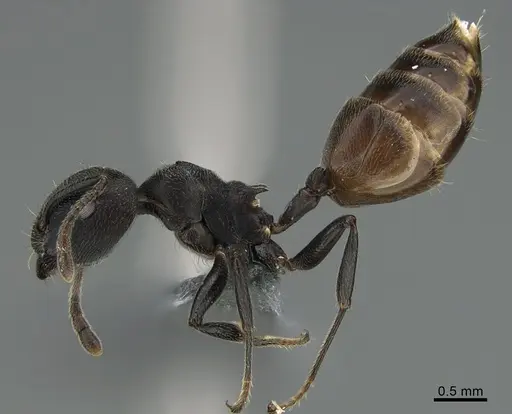
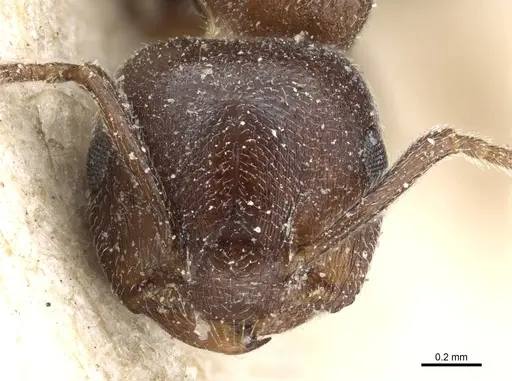
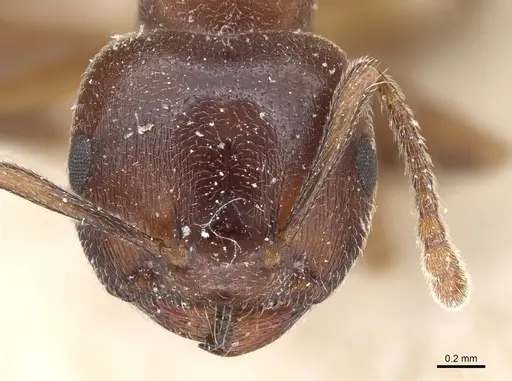
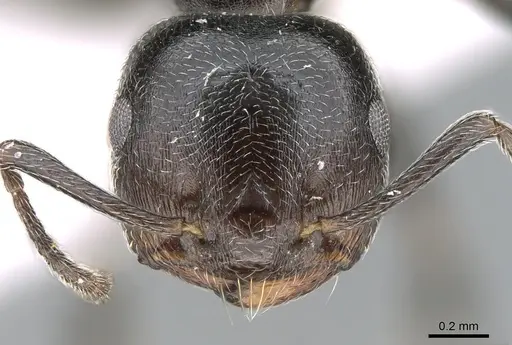
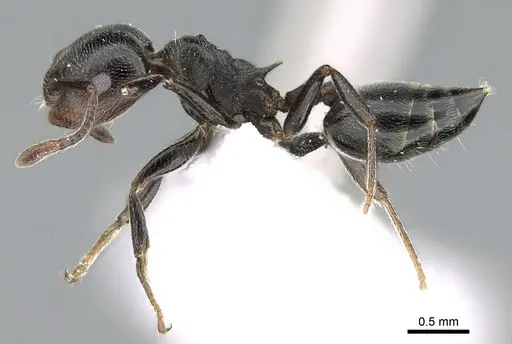
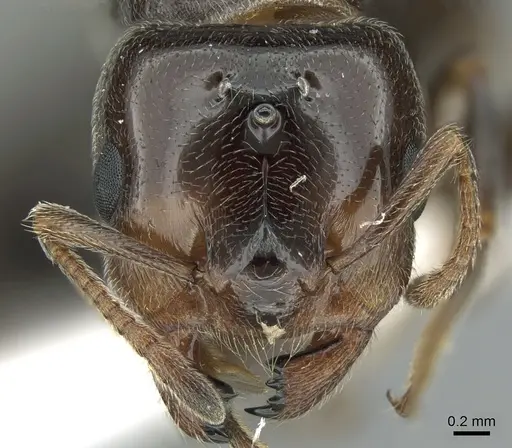
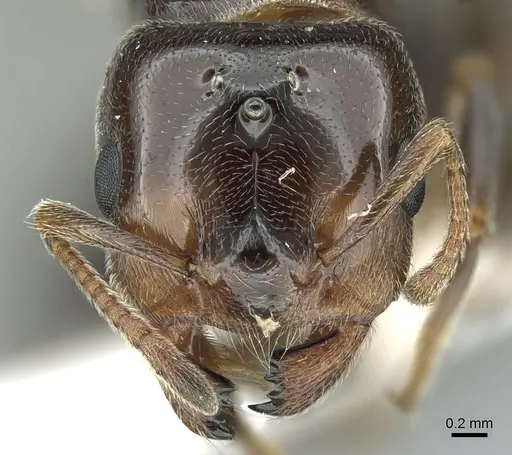
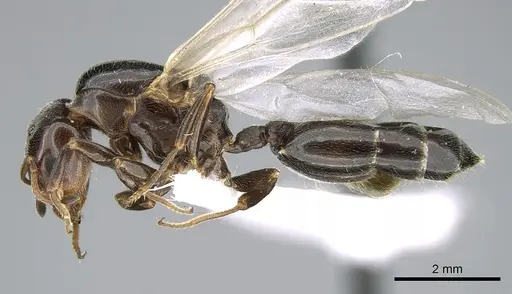
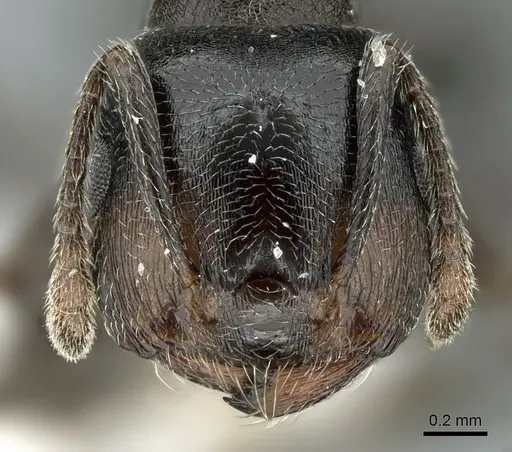
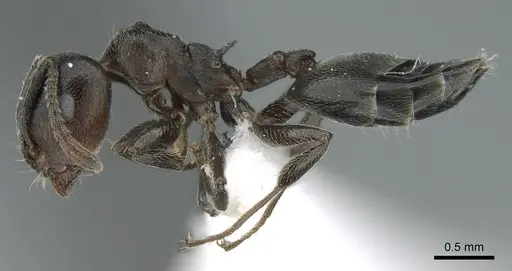
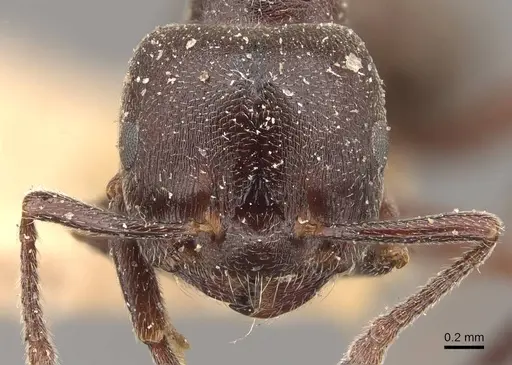
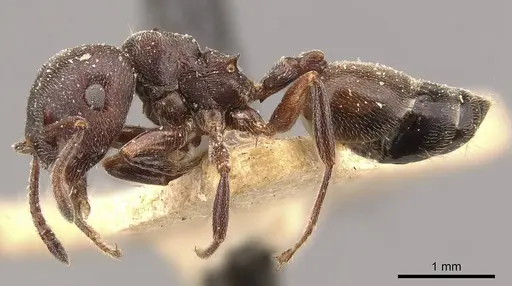
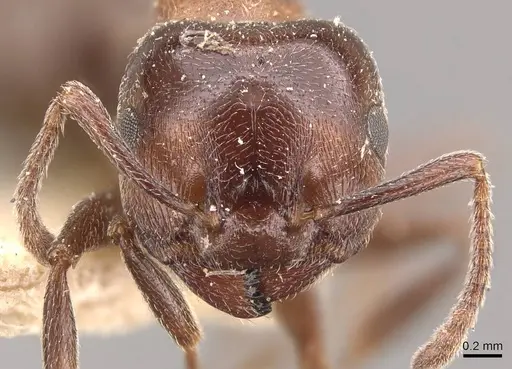
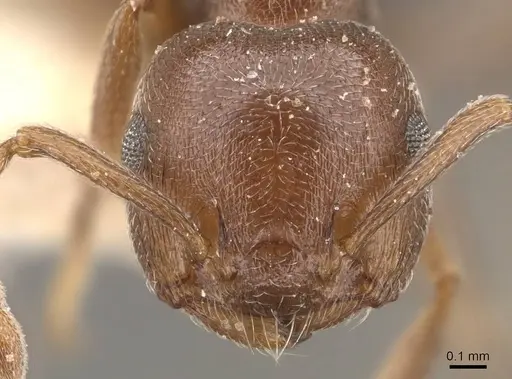
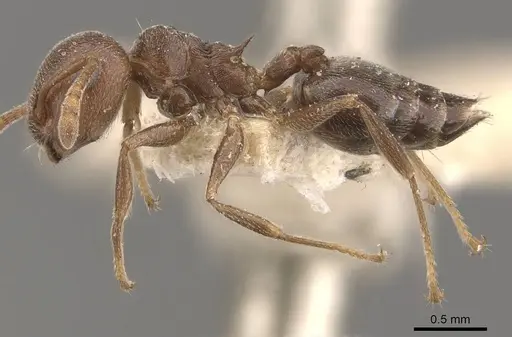
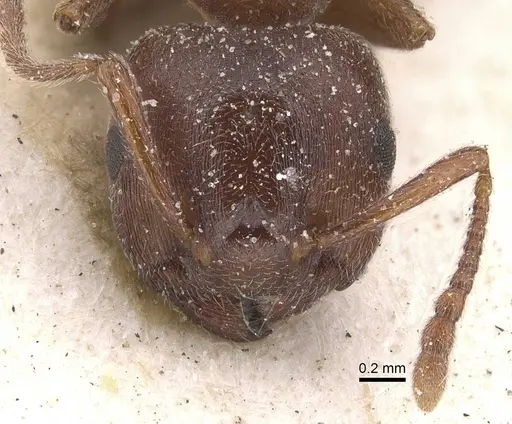
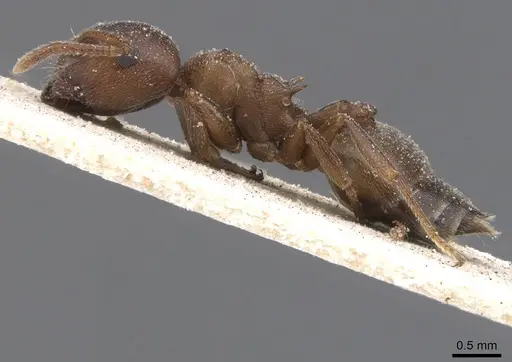
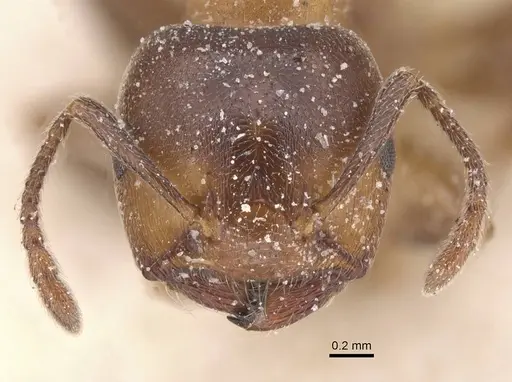
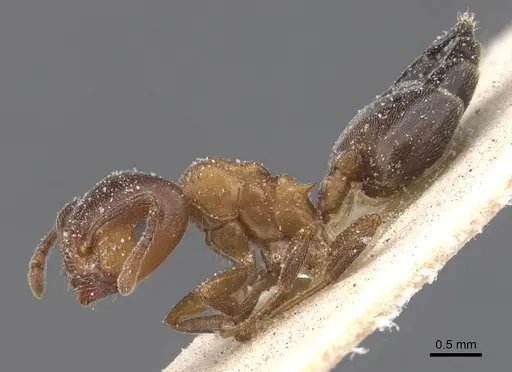
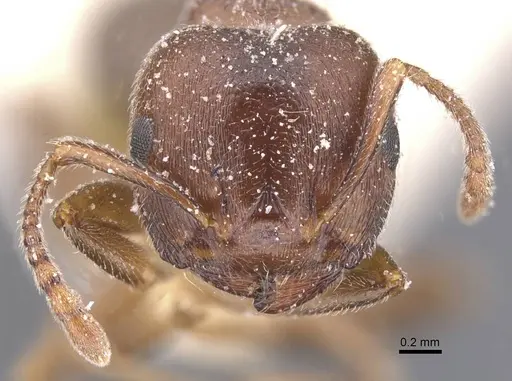
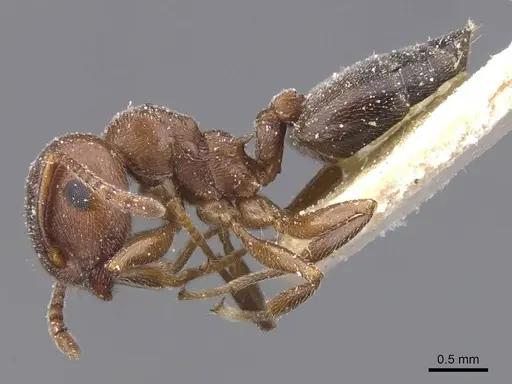
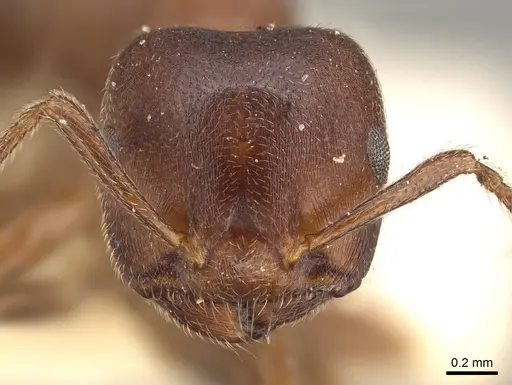
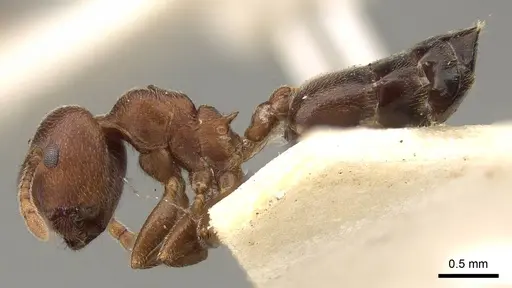
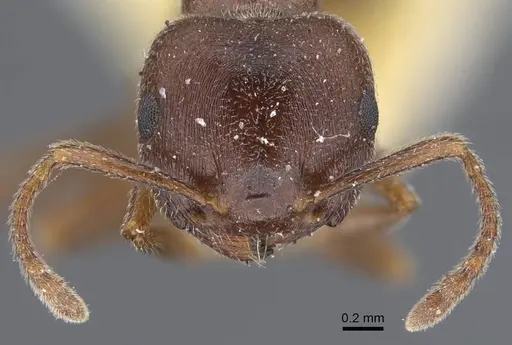
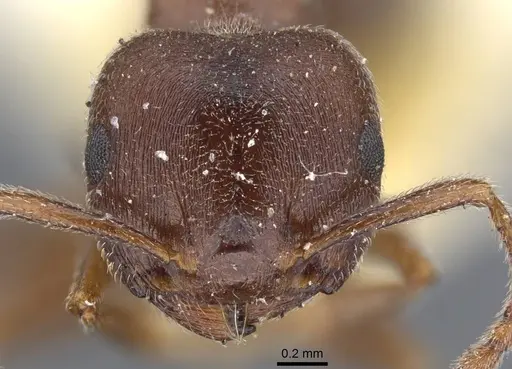
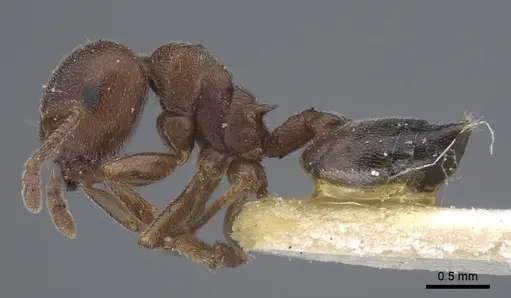
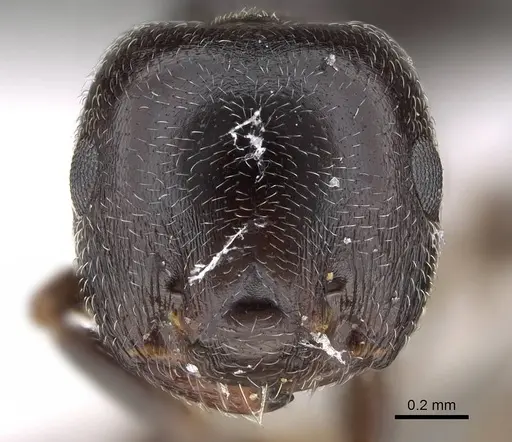
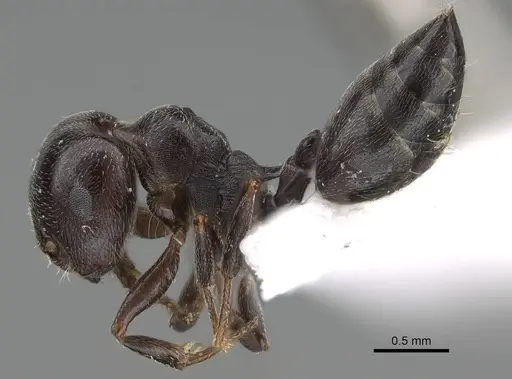
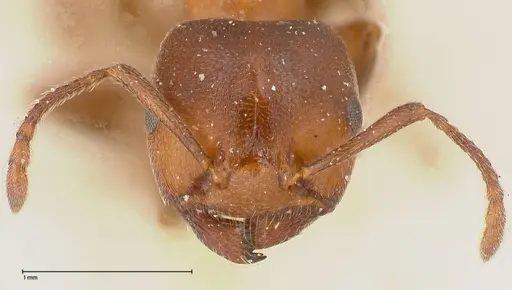
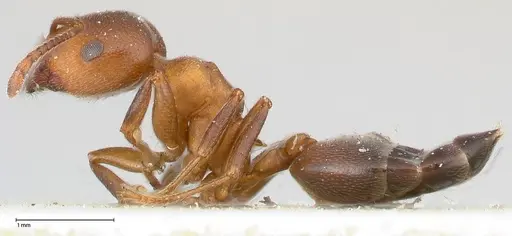
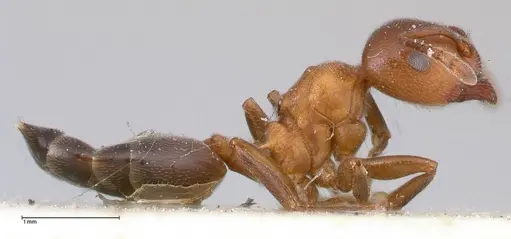
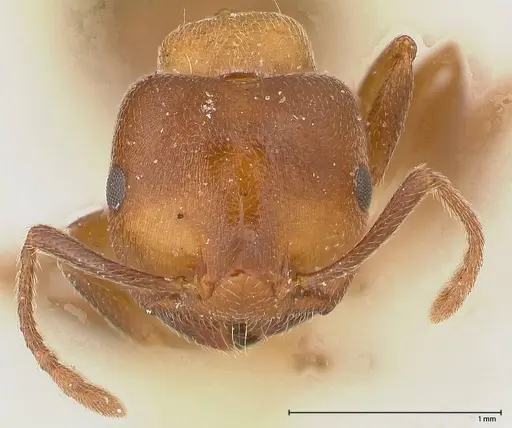
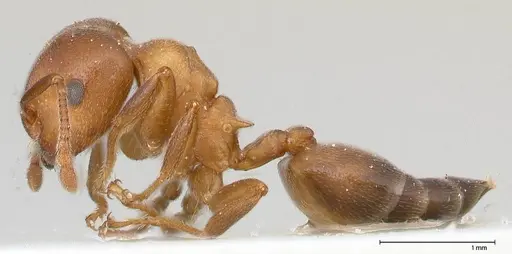
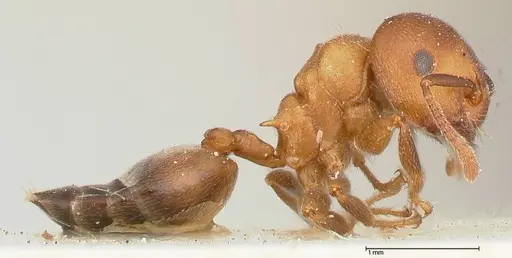
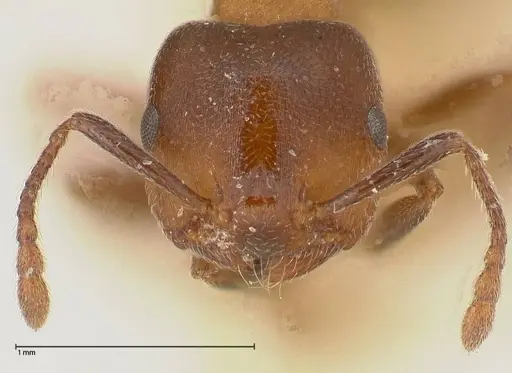
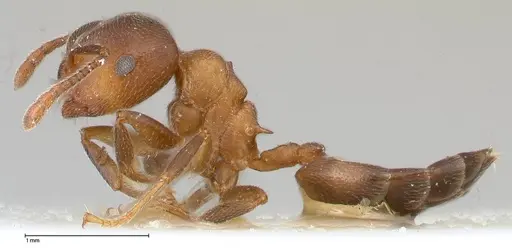
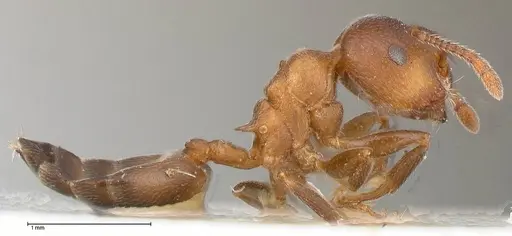
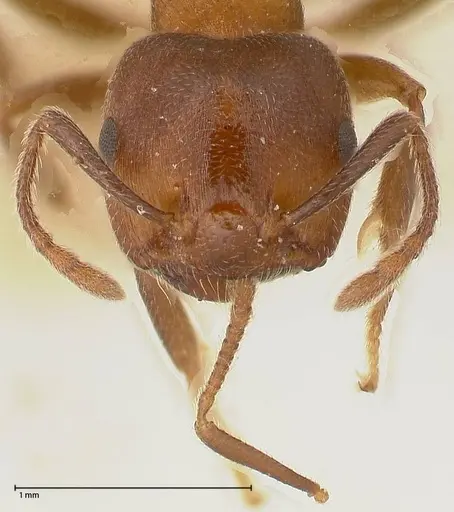
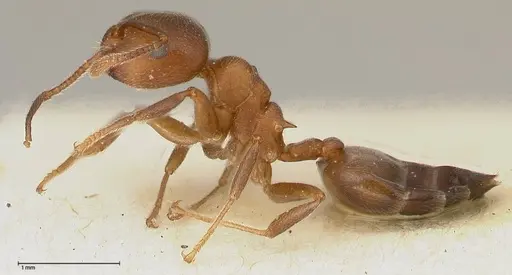
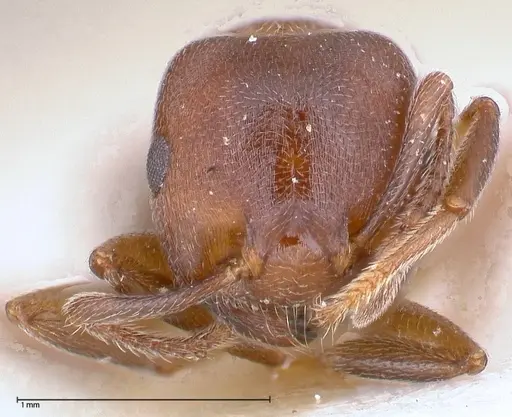
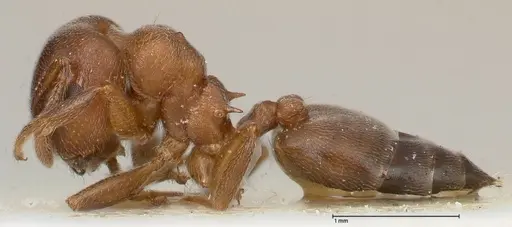
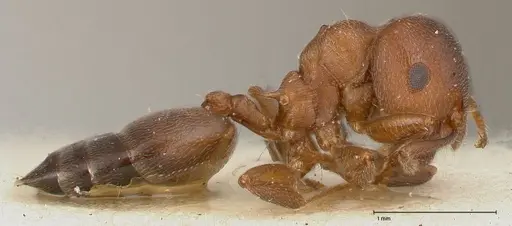
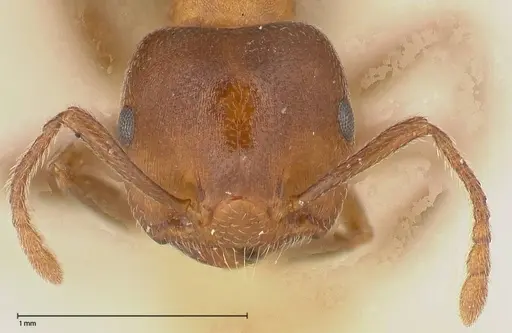
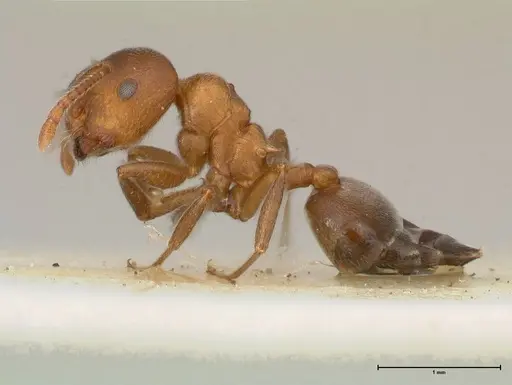
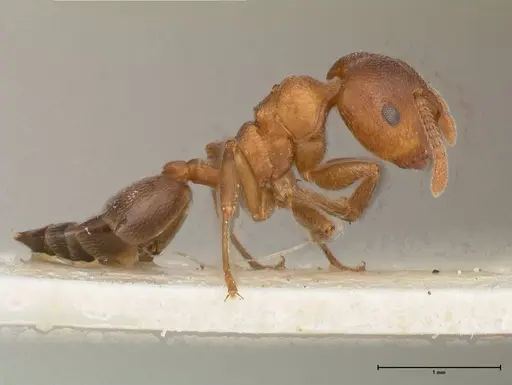
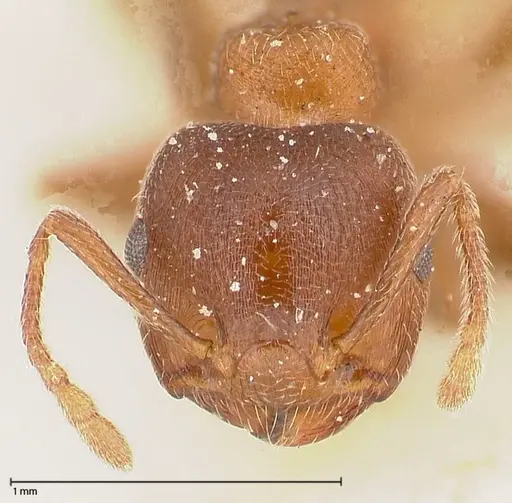
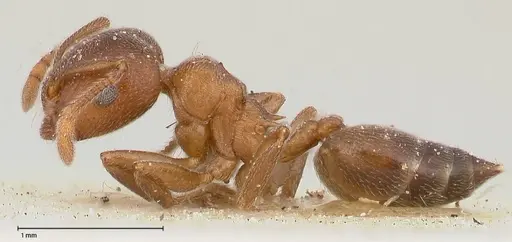
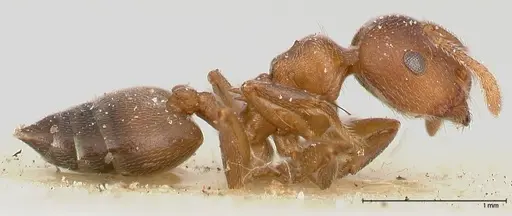
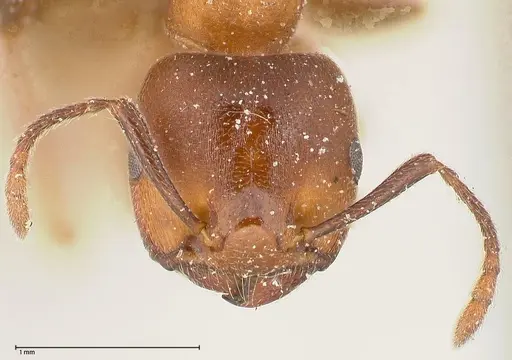
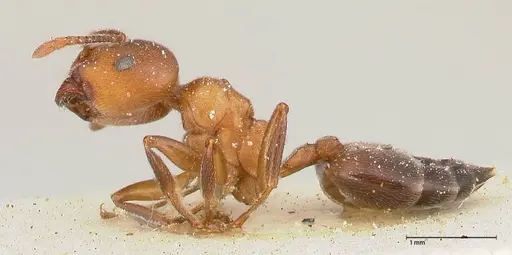
Crematogaster chiarinii is a small to medium-sized arboreal ant native to eastern Africa and the Arabian Peninsula. Workers are dark brown to black with a lighter brown mesosoma, and they have distinctive long propodeal spines that make them easy to identify. This species forms large colonies and is commonly found nesting in Acacia and Vachellia trees throughout its range. They are arboreal nesters, often making their homes in thorn galls on trees or foraging among myrmedoniine beetles at the base of trees. The species was originally described from Ethiopia and is widely distributed across the Afrotropical region, with populations in Eritrea, Ethiopia, Kenya, Oman, Saudi Arabia, Somalia, Sudan, Tanzania, and Yemen [1][2].
Quick Summary
- Difficulty: Medium
- Origin & Habitat: Eastern Africa and Arabian Peninsula. This is an arboreal species found in trees throughout its range, particularly associated with Acacia and Vachellia trees. In Arabia, it inhabits the southwestern mountains of Saudi Arabia and Oman [1][2].
- Colony Type: Colony structure is unconfirmed for this species. Based on typical Crematogaster genus patterns, likely single-queen colonies, but this has not been directly documented.
- Size & Growth:
- Queen: Estimated 5-7mm based on genus Crematogaster patterns
- Worker: Estimated 2-4mm based on genus Crematogaster patterns
- Colony: Large colonies, documented foraging in groups at base of Vachellia trees [2]
- Growth: Moderate, estimated based on genus patterns
- Development: 6-10 weeks estimated based on typical Crematogaster development (Development time is estimated from related species in the genus. Actual timing may vary based on temperature and conditions.)
- Antkeeping:
- Temperature: Keep at 22-28°C. These are warm-climate ants from tropical and subtropical regions. A heating cable on one side of the nest can create a gentle gradient.
- Humidity: Moderate to high humidity. As an arboreal species associated with trees in relatively humid regions, they prefer conditions that mimic forest environments. Keep the nest area moderately humid but not saturated.
- Diapause: Unknown, no specific data on overwintering requirements. Given their Afrotropical origin, they likely have reduced activity periods during cooler months rather than true hibernation.
- Nesting: Arboreal species, in captivity they do well in Y-tong (AAC) nests or plaster nests with appropriate humidity control. Provide narrow chambers scaled to their small size. Avoid dry conditions as they prefer more humid environments.
- Behavior: These ants are arboreal foragers and form large colonies. Workers are active and will forage among ground-level vegetation and at the base of trees. They are not particularly aggressive toward keepers but will defend their nest. Their small size means escape prevention is important, use fine mesh barriers and tight-fitting lids. They are fast-moving and can be skittish when the nest is disturbed.
- Common Issues: escape prevention is critical due to their small size, they can squeeze through tiny gaps, colonies may be slow to establish in captivity due to arboreal nature, humidity control is important, too dry conditions can cause colony decline, wild-caught colonies may have parasites that affect survival in captivity
Natural History and Distribution
Crematogaster chiarinii originates from Ethiopia and has spread across the Afrotropical region, making it a predominantly eastern African species. It has also established populations in the Arabian Peninsula, specifically in the southwestern mountains of Saudi Arabia and Oman. The species has been recorded from multiple countries including Eritrea, Ethiopia, Kenya, Oman, Saudi Arabia, Somalia, Sudan, Tanzania, and Yemen [1]. This ant is strongly associated with arboreal habitats, particularly Acacia and Vachellia trees. Researchers have found them nesting in thorn galls of Acacia zanzibarica near Mt. Kilimanjaro [3], and observed large colonies foraging among myrmedoniine beetles at the base of Vachellia trees in Oman [2]. The species shows morphological variation across its range, with eight recognized subspecies reflecting its wide distribution and adaptation to different local conditions.
Nest Preferences and Housing
As an arboreal species, Crematogaster chiarinii naturally nests in elevated locations like tree hollows, thorn galls, and under bark. In captivity, Y-tong (AAC) nests or plaster nests work well for this species. The key is maintaining appropriate humidity while allowing some ventilation. These ants prefer chambers that are scaled to their small worker size, narrow passages and compact spaces mimic their natural tree-nesting environment. Avoid overly dry conditions, as their arboreal origins mean they thrive in more humid microclimates. A naturalistic setup with small cork pieces or fake leaves can provide enrichment and make the colony feel more at home. Test tube setups can work for founding colonies but will need upgrading as the colony grows.
Feeding and Diet
Crematogaster species are generalist omnivores, and C. chiarinii likely follows this pattern. In their natural habitat, they forage among trees and are known to associate with other insects at feeding sites. They likely consume honeydew from aphids and scale insects, as well as small insects and nectar. In captivity, offer a varied diet including sugar water or honey as a constant energy source, and protein sources like small insects (fruit flies, pinhead crickets, mealworms) regularly. They are small ants, so prey items should be appropriately sized. Fresh fruit can also be offered occasionally. Feed the colony 2-3 times per week with protein, and keep sugar water available at all times.
Temperature and Seasonal Care
Given their Afrotropical origin, these ants prefer warm conditions. Maintain temperatures between 22-28°C for optimal colony health and development. Room temperature within this range is usually sufficient, but a heating cable on one side of the nest can create a beneficial gradient during cooler months. Since they come from regions with distinct wet and dry seasons rather than cold winters, they do not require true hibernation. However, they may have reduced activity during cooler periods, you might notice slower growth in winter months if your room temperature drops. Monitor colony behavior, if workers cluster near heat sources, slightly increase temperatures. Avoid temperature extremes above 35°C or below 18°C.
Behavior and Colony Dynamics
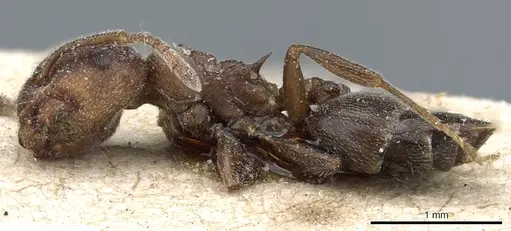
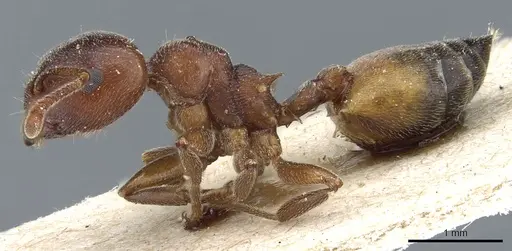
This species forms large colonies with workers actively foraging both in trees and at ground level. Workers are fast-moving and alert, when disturbed, they may quickly retreat or relocate brood. They are not typically aggressive toward humans but will defend their nest vigorously. The genus name Crematogaster comes from their distinctive heart-shaped gaster (abdomen), which they can raise and curl when threatened, though this species is not known for painful stings. Colonies grow over time to include many workers, and you may notice different worker sizes (minor and major workers) as the colony matures. The long propodeal spines visible on workers are a key identification feature for this species. [1][2]
Frequently Asked Questions
How long does it take for Crematogaster chiarinii to have first workers?
Based on typical Crematogaster development patterns, expect first workers (nanitics) approximately 6-10 weeks after the queen lays eggs, assuming optimal temperatures around 24-26°C. This is an estimate as specific development data for this species has not been documented.
What do Crematogaster chiarinii ants eat?
They are omnivores. Offer sugar water or honey as a constant energy source, and protein like small insects (fruit flies, small crickets, mealworms) 2-3 times per week. They may also accept small amounts of fresh fruit.
Can I keep Crematogaster chiarinii in a test tube?
Yes, test tubes work well for founding colonies. However, as the colony grows, you will need to upgrade to a larger nest like a Y-tong or plaster formicarium to accommodate their large colony size.
Do Crematogaster chiarinii ants sting?
Crematogaster ants have a stinger but it is very small and rarely penetrates human skin. They are not considered dangerous to humans. If threatened, they may attempt to sting but most keepers report minimal discomfort.
Are Crematogaster chiarinii good for beginners?
This species is rated as Medium difficulty. While not the most challenging ant, their arboreal nature and humidity requirements make them better suited for keepers with some experience. Beginners may struggle with humidity control and escape prevention due to their small size.
What temperature do Crematogaster chiarinii need?
Keep them at 22-28°C, with 24-26°C being ideal. A heating cable on one side of the nest can create a gradient if your room temperature is cooler. Avoid temperatures below 18°C or above 35°C.
How big do Crematogaster chiarinii colonies get?
This species forms large colonies. Workers have been observed foraging in groups at the base of trees, indicating substantial colony sizes. Exact maximums are unknown but expect several hundred to over a thousand workers in mature colonies.
Do Crematogaster chiarinii need hibernation?
No true hibernation is required. Given their Afrotropical origin, they do not experience cold winters. They may have reduced activity during cooler periods, but a full diapause is not necessary. Simply maintain normal room temperatures year-round.
When should I move my Crematogaster chiarinii to a formicarium?
Move from a test tube setup to a larger nest (Y-tong, plaster, or naturalistic formicarium) when the colony reaches 30-50 workers or when the test tube shows signs of mold, flooding, or excessive condensation. Arboreal ants appreciate vertical space and humidity control.
Why are my Crematogaster chiarinii dying?
Common causes include: too dry conditions (arboreal ants need humidity), escape through small gaps (use fine mesh), poor nutrition (offer varied diet), or stress from excessive disturbance. Check humidity levels first, as this is the most common issue with arboreal species.
References

This caresheet is licensed under CC BY-SA 4.0 .
CASENT0263878
View on AntWeb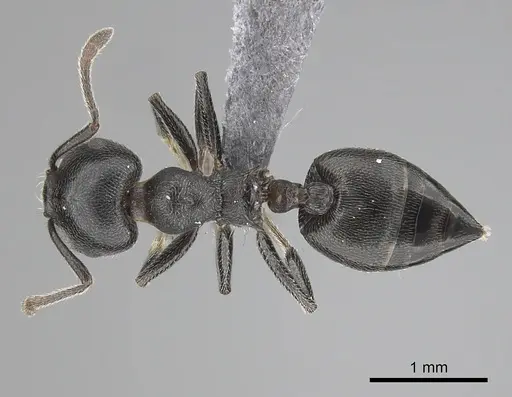
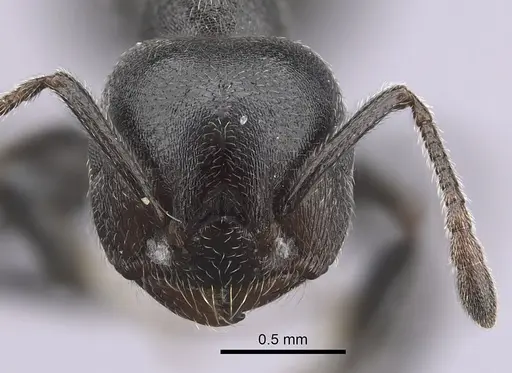
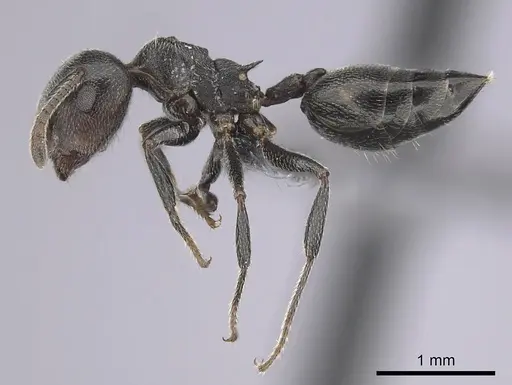
CASENT0264615
View on AntWeb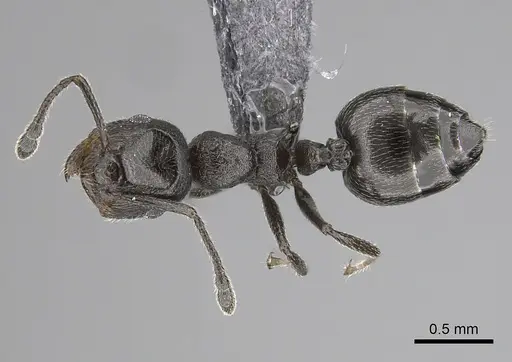
CASENT0264656
View on AntWeb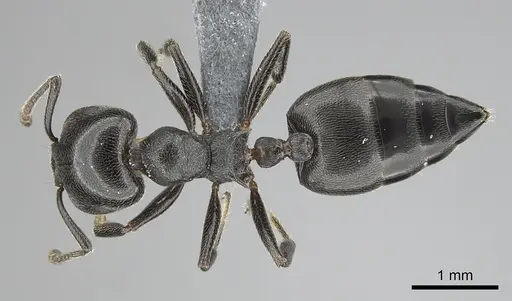
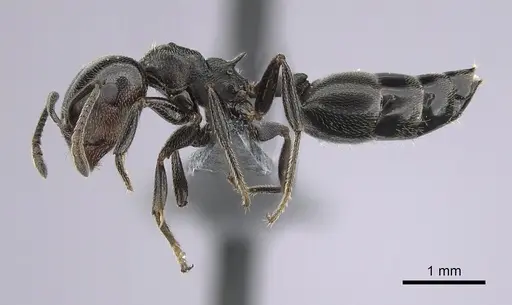
CASENT0824781
View on AntWeb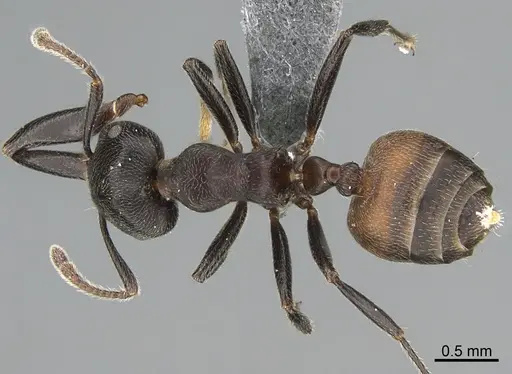
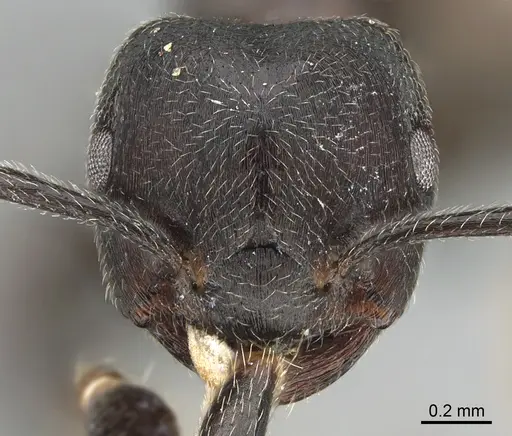
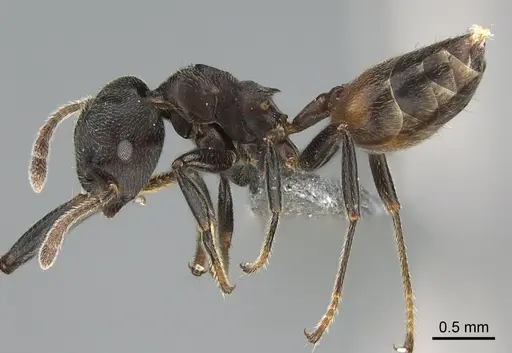
CASENT0824782
View on AntWeb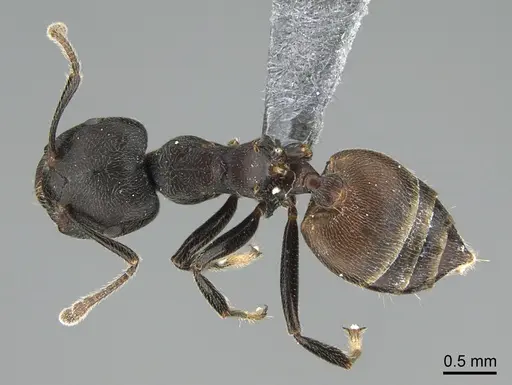
CASENT0824852
View on AntWeb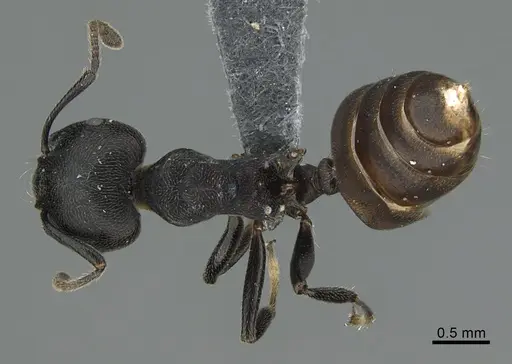
CASENT0904518
View on AntWeb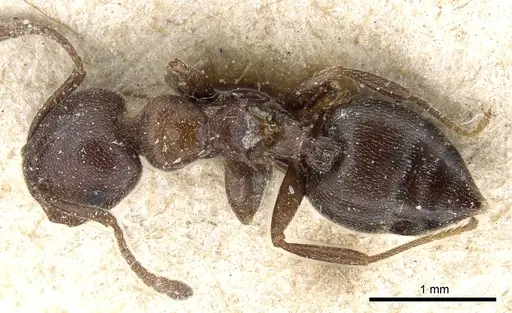
CASENT0904519
View on AntWeb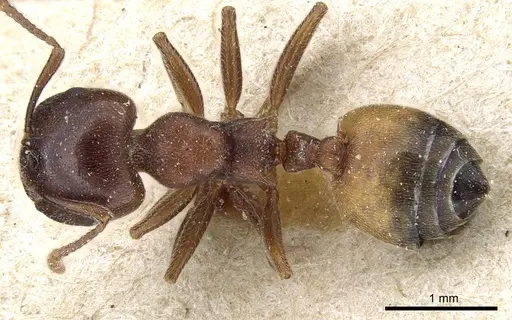
CASENT0906369
View on AntWeb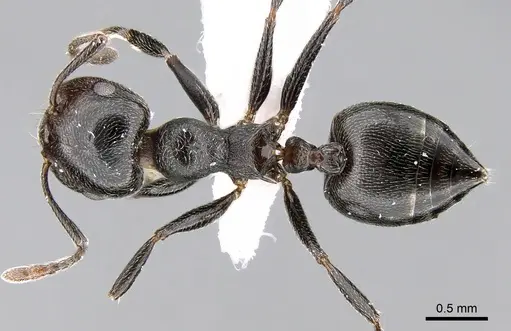
CASENT0906370
View on AntWeb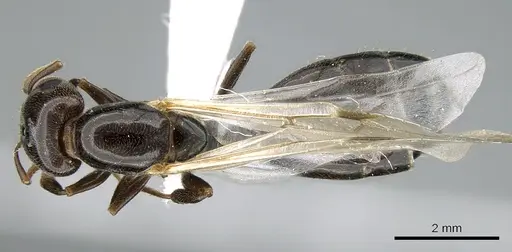
CASENT0906371
View on AntWeb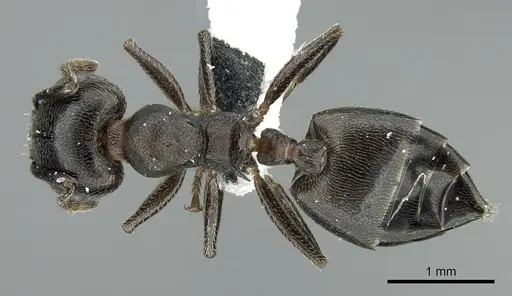
CASENT0906372
View on AntWeb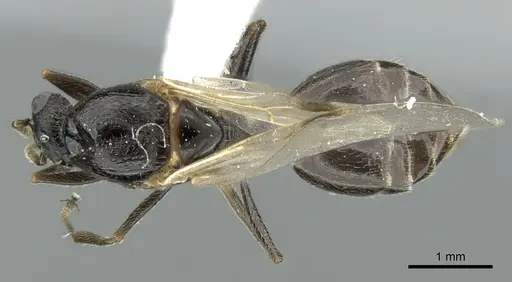
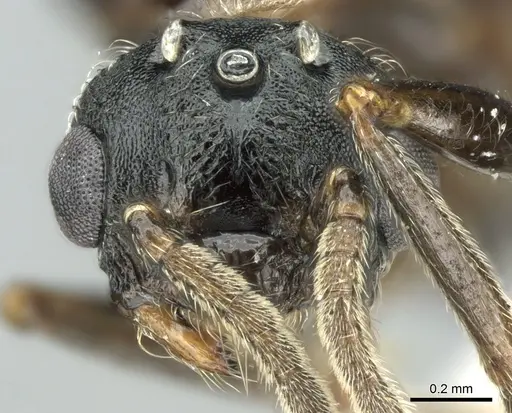
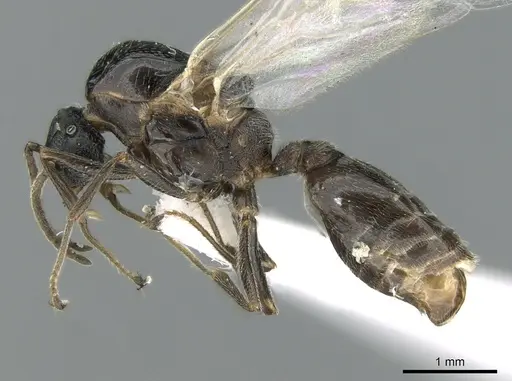
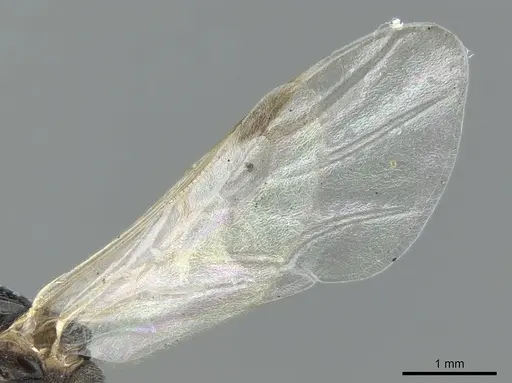
CASENT0908513
View on AntWeb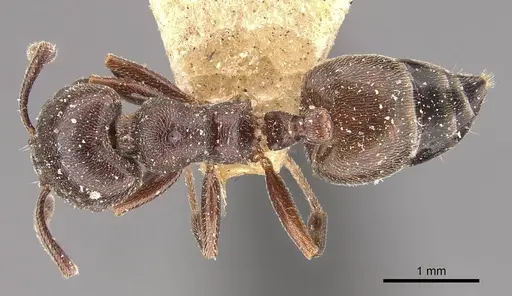
CASENT0908514
View on AntWeb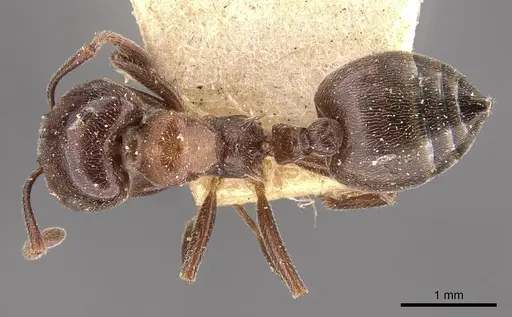
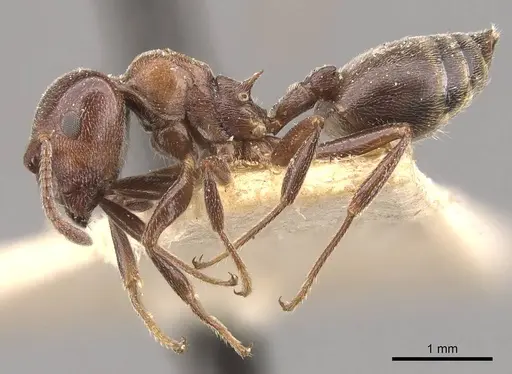
CASENT0908515
View on AntWeb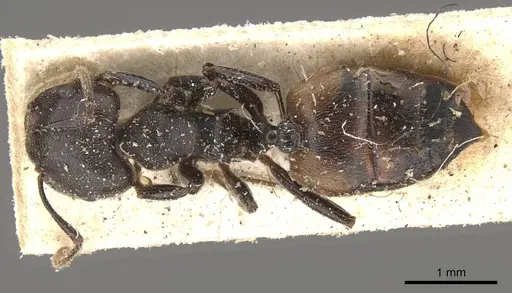
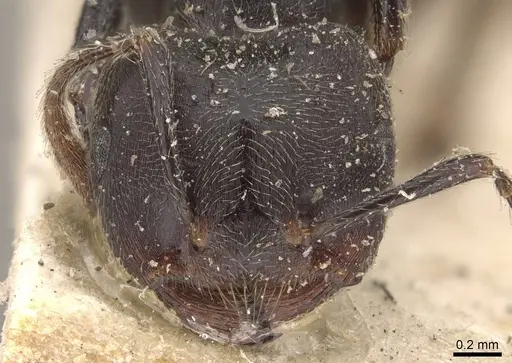
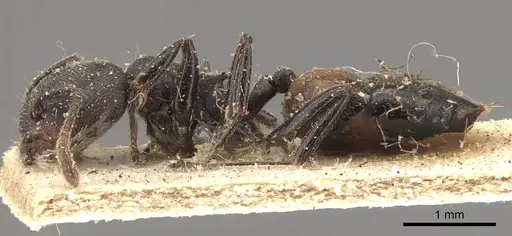
CASENT0908516
View on AntWeb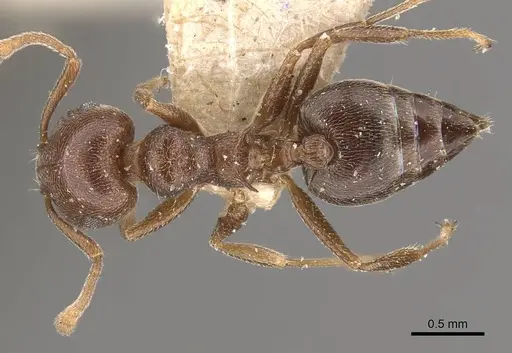
CASENT0912659
View on AntWeb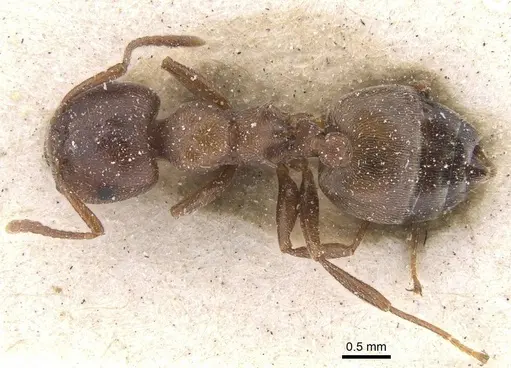
CASENT0912660
View on AntWeb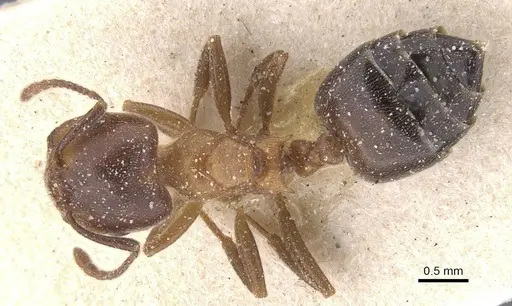
CASENT0912661
View on AntWeb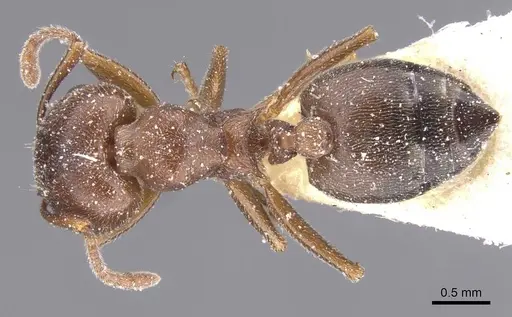
CASENT0914287
View on AntWeb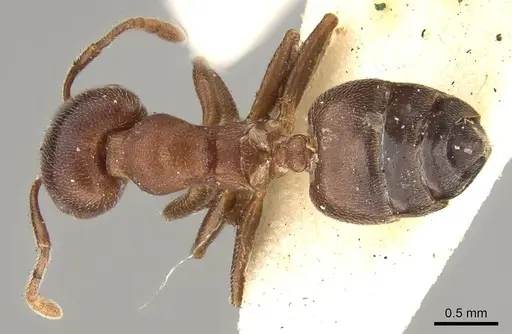
CASENT0916984
View on AntWeb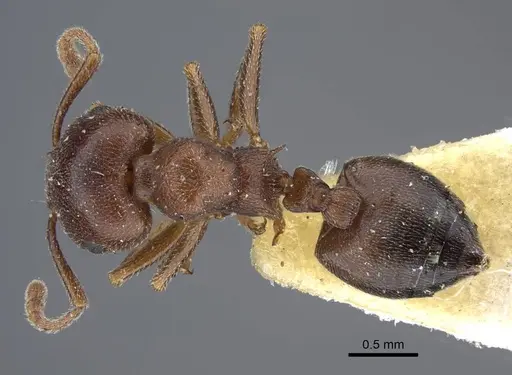
CASENT0922185
View on AntWeb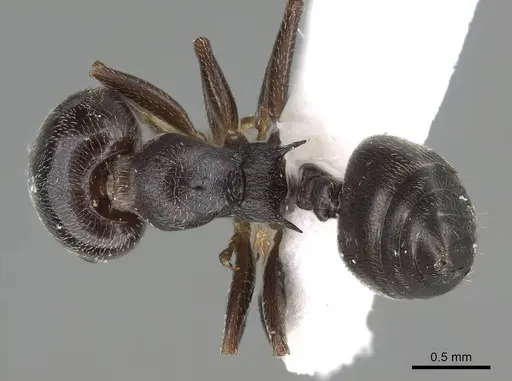
FOCOL0511
View on AntWeb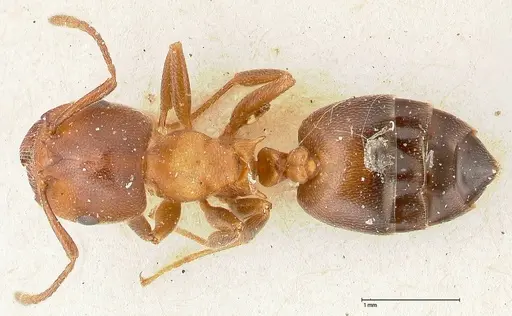
FOCOL0512-1
View on AntWeb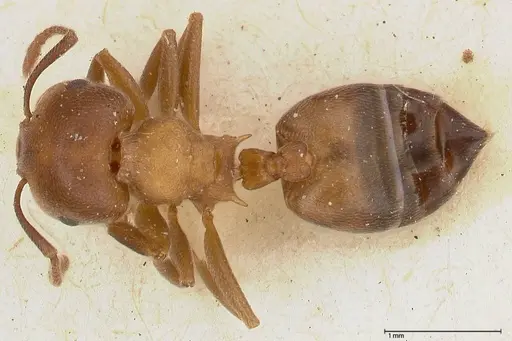
FOCOL0512-2
View on AntWeb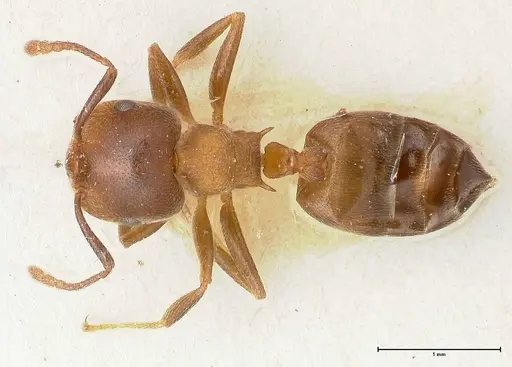
FOCOL0512-3
View on AntWeb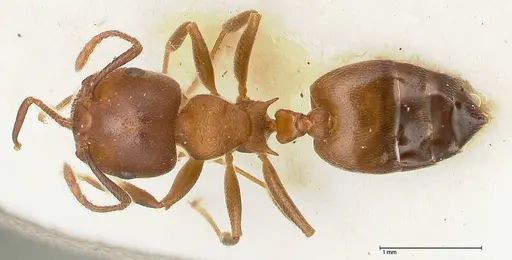
FOCOL0512-4
View on AntWeb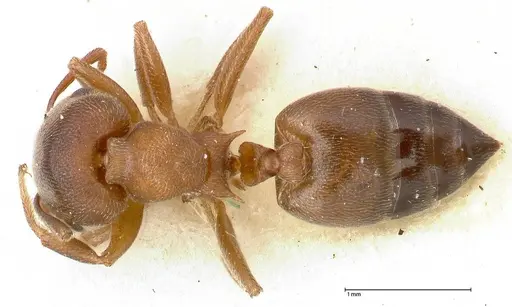
FOCOL0512-5
View on AntWeb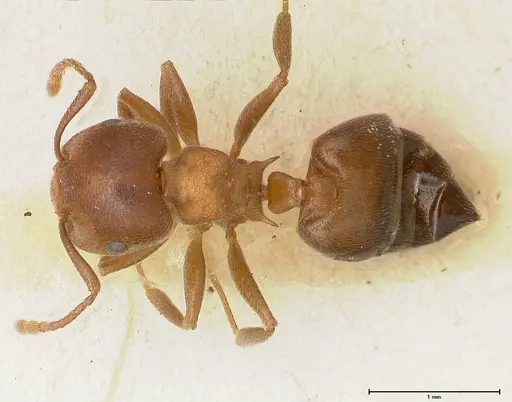
FOCOL0513
View on AntWeb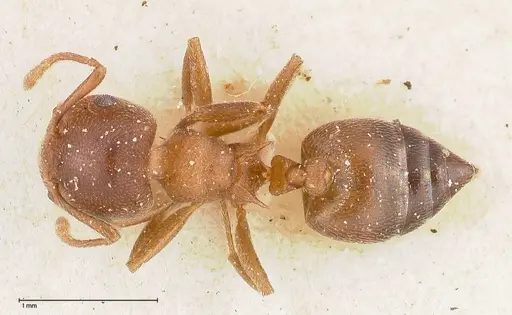
FOCOL0514
View on AntWeb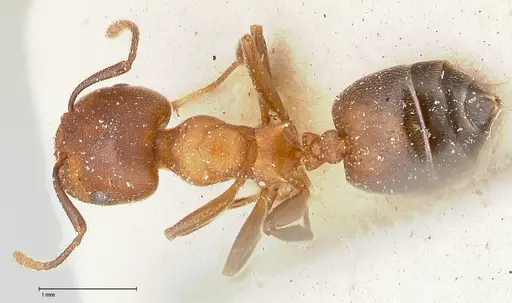
Literature
Loading...Loading products...