

Crematogaster californica
- Scientific Name
- Crematogaster californica
- Tribe
- Crematogastrini
- Subfamily
- Myrmicinae
- Author
- Wheeler, 1919
- Distribution
- Found in 2 countries
Crematogaster californica Overview
Crematogaster californica is an ant species of the genus Crematogaster. It is primarily documented in 2 countries , including Mexico, United States of America. Detailed taxonomic data and occurrence records can be further explored via authoritative databases such as AntWeb or the Global Biodiversity Information Facility (GBIF).
Crematogaster californica
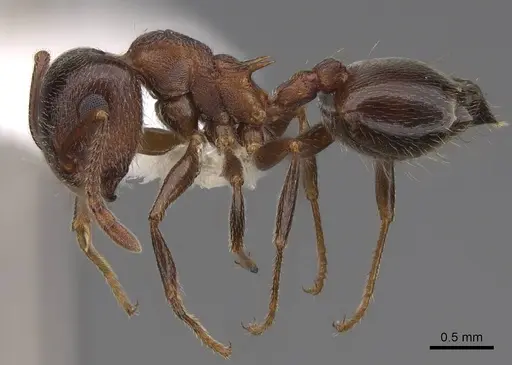
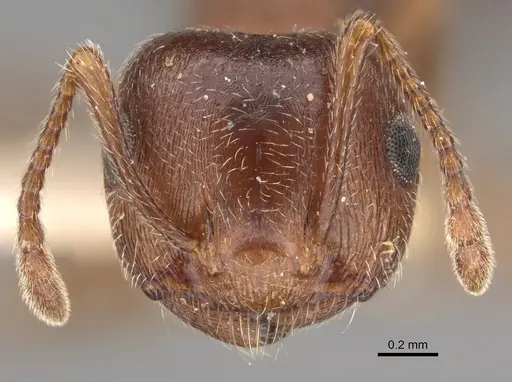
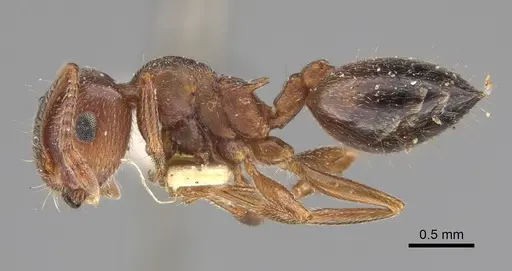
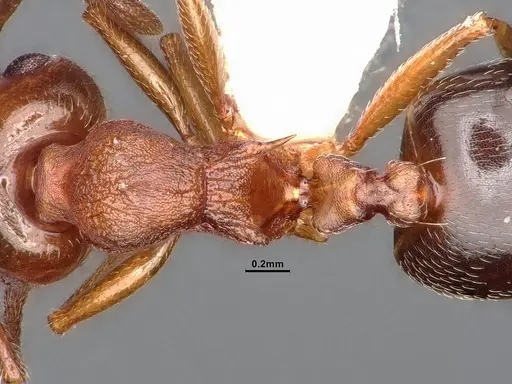
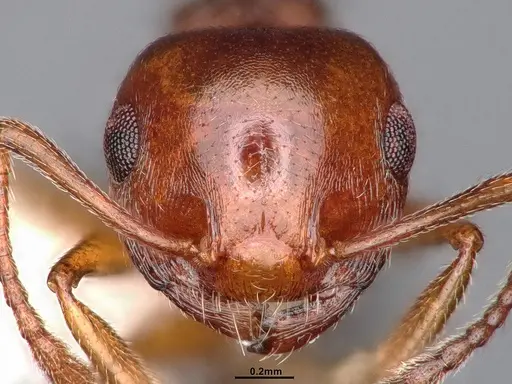
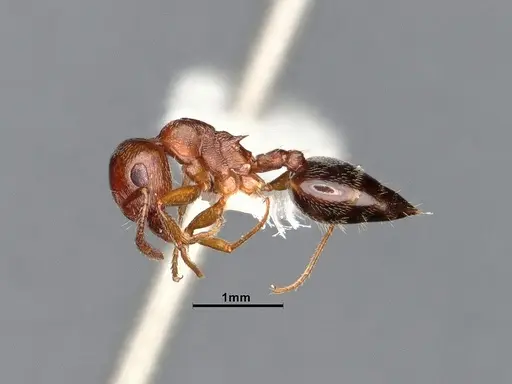
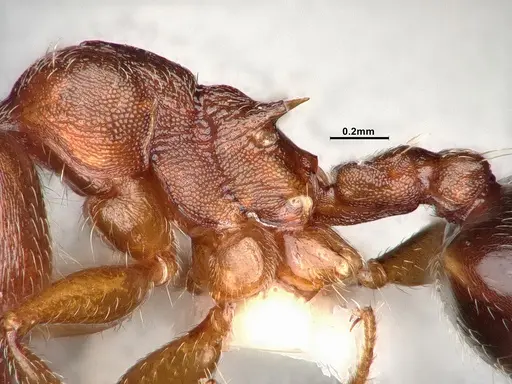
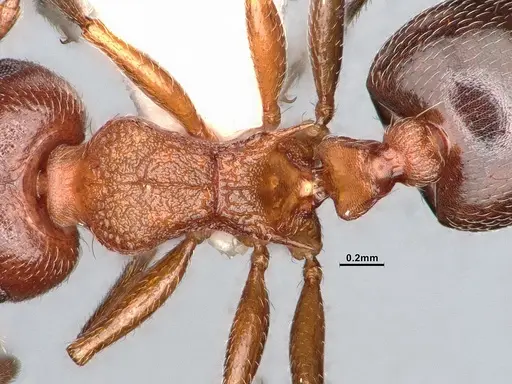
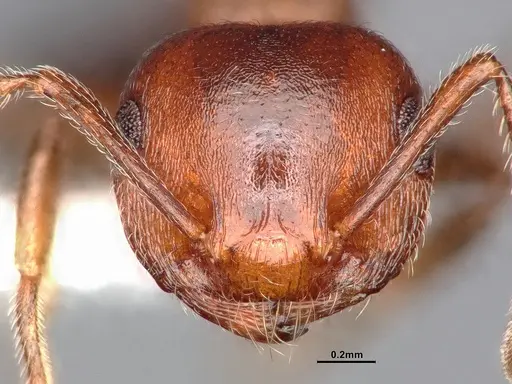
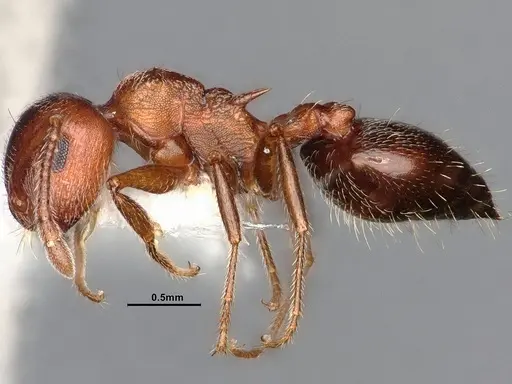
Crematogaster californica is a medium-sized ant native to the arid southwestern United States and northern Mexico. Workers measure 0.86-1.30mm in head width and have the characteristic Crematogaster feature of a heart-shaped abdomen that they raise like a stinger when threatened [1]. Their coloration is typically dark brown to black, and they hold their abdomen in an elevated position as a defensive display, this is where the 'acrobat' name comes from. The species is ground-nesting and found in desert, chaparral, coastal sage scrub, and open woodland habitats from central California to Baja California Sur, ranging up to 2350 meters elevation [1].
These ants are active foragers that tend coccids and aphids for honeydew, making them important in their native ecosystems. They nest in soil in desert and semi-desert habitats, typically at the bases of plants, under stones, or in sandy areas [2]. Unlike some Crematogaster species that are arboreal, C. californica is strictly ground-nesting. They are a common native ant species and have been documented coexisting with other ant species including Camponotus.
Quick Summary
- Difficulty: Easy
- Origin & Habitat: Native to southern California, Nevada, Arizona, Baja California, and Sonora. Found in arid areas including desert scrub, grasslands, chaparral, coastal sage scrub, and open woodland up to 2350m elevation [1][2].
- Colony Type: Likely monogyne (single queen) based on typical genus patterns, though polygyny has been documented in some Crematogaster species. Colonies can reach several hundred workers.
- Colony: Monogyne
- Founding: Claustral
- Size & Growth:
- Queen: Estimated 5-7mm based on genus patterns
- Worker: 0.86-1.30mm head width [1]
- Colony: Likely several hundred workers based on related species
- Growth: Moderate
- Development: Estimated 6-10 weeks based on typical Myrmicinae development at optimal temperature (Development time inferred from genus patterns, not directly studied for this species)
- Antkeeping:
- Temperature: Keep around 22-26°C. They are native to warm arid regions and tolerate high temperatures well. A gentle gradient allowing warmer and cooler areas is ideal.
- Humidity: Low to moderate, these are desert-adapted ants. Keep nest substrate relatively dry, with some moisture available. Avoid overly damp conditions.
- Diapause: Yes, likely requires a winter rest period (diapause) of 2-3 months at cooler temperatures (10-15°C) based on their temperate distribution and seasonal brood production (brood found in March) [2].
- Nesting: Ground-nesting species. In captivity, they do well in Y-tong nests, plaster nests, or naturalistic setups with soil substrate. Provide a deep enough chamber for colony expansion. They do not need high humidity.
- Behavior: Crematogaster californica is moderately aggressive with a defensive posture. When threatened, workers raise their abdomen (the 'acrobat' behavior) and may release a foul-smelling secretion from their anal gland. They are active foragers and will recruit nestmates to food sources. Escape risk is moderate, they are small but not as tiny as some Myrmicinae. Use standard barrier methods. They tend aphids and coccids for honeydew in the wild.
- Common Issues: overheating is a risk, while they tolerate heat, direct sunlight or heating mats set too high can kill colonies, excessive humidity can cause fungal growth and colony decline, keep nesting area relatively dry, their small size means they can slip through gaps in standard formicarium setups, check for escape routes, colonies may be outcompeted by more aggressive ant species if housed in multi-species setups, wild-caught colonies may carry parasites that can cause issues in captivity
Nest Preferences
Crematogaster californica is a ground-nesting species that in the wild constructs nests in soil at the bases of plants, under stones, and in sandy or desert pavement areas [2]. They avoid nesting in cactus as previously thought, early reports of nesting in chollas were likely incorrect. In captivity, they adapt well to various nest types including Y-tong (acrylic) nests, plaster nests, and naturalistic setups with soil. The key is providing a nest chamber deep enough for colony expansion and keeping the nesting area relatively dry. They do not require high humidity like tropical species. A test tube setup can work for founding colonies, but they will need more space as the colony grows.
Feeding and Diet
In the wild, Crematogaster californica tends coccids and aphids, collecting honeydew as their primary sugar source. They also forage for insects and other protein sources. In captivity, offer sugar water or honey as a constant energy source. For protein, provide small insects like fruit flies, pinhead crickets, or mealworms. They are not picky eaters and will accept most standard ant foods. Feed them 2-3 times per week for established colonies, with sugar water available at all times. Remove uneaten prey after 24-48 hours to prevent mold.
Temperature and Seasonal Care
These ants are adapted to warm arid environments and do well at temperatures between 22-26°C. They can tolerate higher temperatures but should be protected from direct heat sources that could cause overheating. Because they come from regions with distinct seasons, they benefit from a winter diapause period. Reduce temperatures to 10-15°C for 2-3 months during winter, reducing feeding to once every 2-3 weeks. This mimics their natural seasonal cycle and supports healthy colony development. Brood production has been observed in March in the wild, suggesting they become active in spring after winter rest. [2]
Behavior and Defense
Crematogaster californica gets its common name from its distinctive defensive behavior, when threatened, workers raise their abdomen high in the air like an acrobat, making them appear to be standing on their head. This posture allows them to aim their anal gland secretion at predators. They also use recruitment pheromones to summon nestmates to food sources or threats. They are moderately aggressive but not as territorial as some ant species. Workers are active foragers that will explore their outworld thoroughly. They do not have a painful sting, but their secretions can be irritating. Standard escape prevention works well for this species, they are small but not exceptional escape artists.
Frequently Asked Questions
How long does it take for Crematogaster californica to produce first workers?
Based on typical Crematogaster development, expect first workers (nanitics) around 6-10 weeks after the queen lays her first eggs. This timeline depends on temperature, warmer conditions within their range (22-26°C) speed development, while cooler temperatures slow it down.
Do Crematogaster californica ants sting?
They do not have a painful sting like some ants. Instead, they raise their abdomen in an acrobat-like defensive posture and can release a foul-smelling secretion from their anal gland. This is more of a deterrent than a painful defense.
What temperature range is best for Crematogaster californica?
Keep them at 22-26°C. They are heat-tolerant due to their desert origins but do best with a gentle temperature gradient. During winter, they need a cooler period of 10-15°C for 2-3 months to simulate diapause.
Can I keep multiple Crematogaster californica queens together?
This species is likely monogyne (single queen) based on typical genus behavior. Combining unrelated queens is not recommended as they are likely to fight. If you find a queen, set her up alone for best success.
What do Crematogaster californica eat?
They need a balanced diet of sugar (honey water or sugar water available constantly) and protein (small insects like fruit flies, pinhead crickets, or mealworms). In the wild they also tend aphids and coccids for honeydew.
Do they need hibernation?
Yes, they benefit from a winter rest period (diapause) of 2-3 months at 10-15°C. This mimics their natural seasonal cycle in the southwestern US and supports healthy colony development. Reduce feeding during this period.
Are Crematogaster californica good for beginners?
Yes, they are considered an easy species to keep. They are hardy, adaptable, and not overly demanding in their care requirements. Their moderate size and straightforward needs make them suitable for antkeepers with some basic experience.
How big do Crematogaster californica colonies get?
Based on related species, colonies likely reach several hundred workers. They are not among the largest Crematogaster species but can still become substantial colonies with proper care.
Why is my colony declining?
Common causes include: excessive humidity (keep nesting area dry), temperatures too high or too low, poor nutrition, or parasites from wild-caught colonies. Review your temperature gradient, humidity levels, and feeding schedule. If the colony was wild-caught, parasites are a common issue.
References

This caresheet is licensed under CC BY-SA 4.0 .
CASENT0844232
View on AntWeb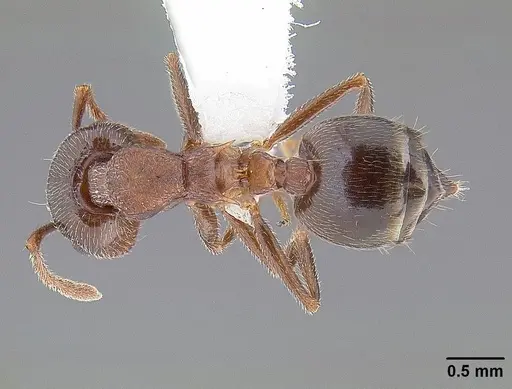
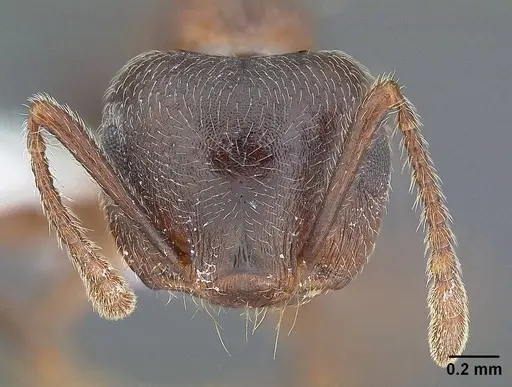
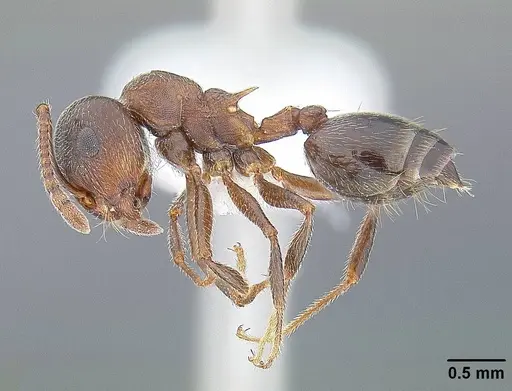
CASENT0882183
View on AntWeb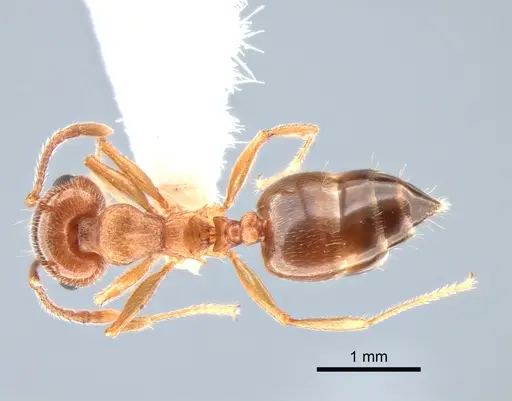
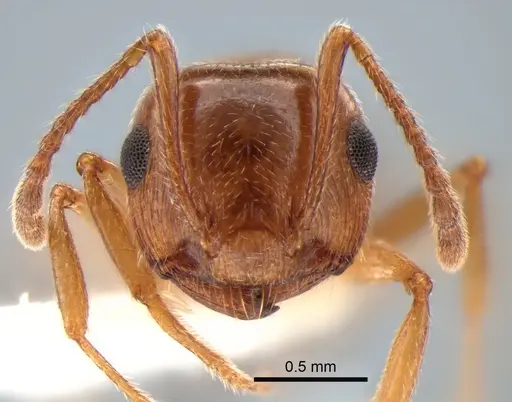
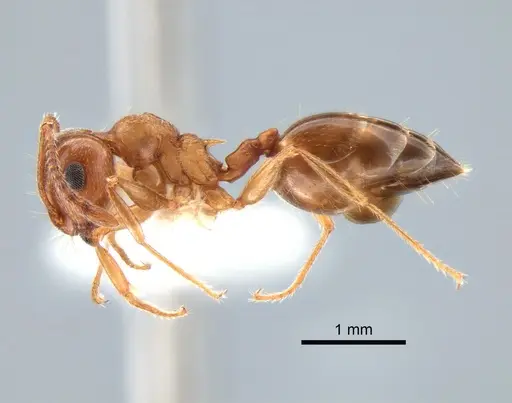
CASENT0922723
View on AntWeb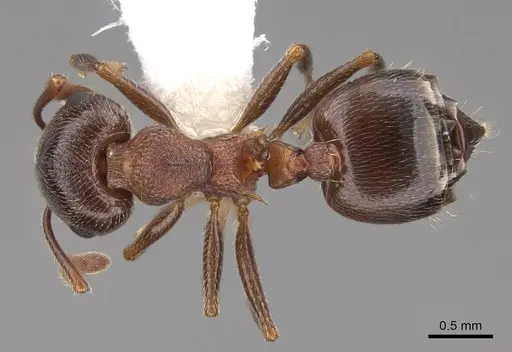
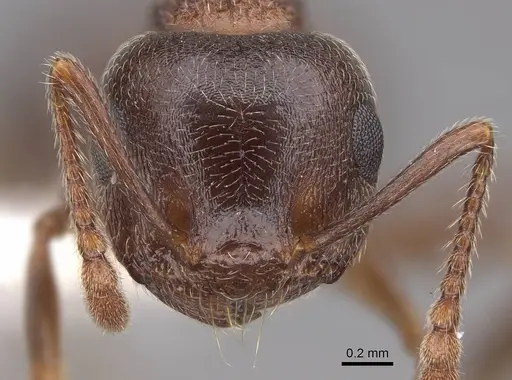
CASENT0923319
View on AntWeb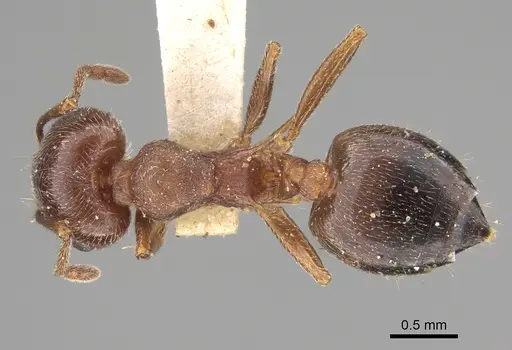
CASENT4031311
View on AntWeb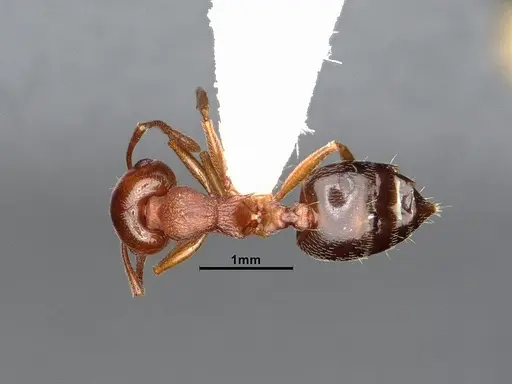
CASENT4031312
View on AntWeb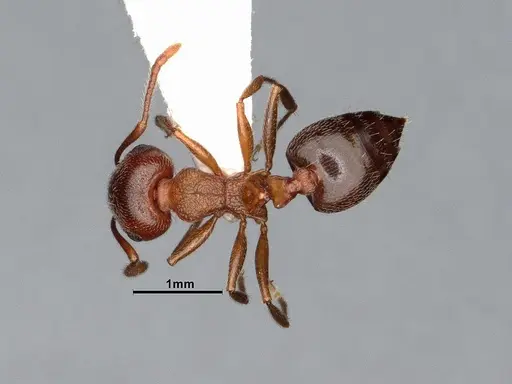
Literature
Loading...Loading products...