

Crematogaster buddhae
- Scientific Name
- Crematogaster buddhae
- Tribe
- Crematogastrini
- Subfamily
- Myrmicinae
- Author
- Forel, 1902
- Distribution
- Found in 1 countries
Crematogaster buddhae Overview
Crematogaster buddhae is an ant species of the genus Crematogaster. It is primarily documented in 1 countries , including India. Detailed taxonomic data and occurrence records can be further explored via authoritative databases such as AntWeb or the Global Biodiversity Information Facility (GBIF).
Crematogaster buddhae
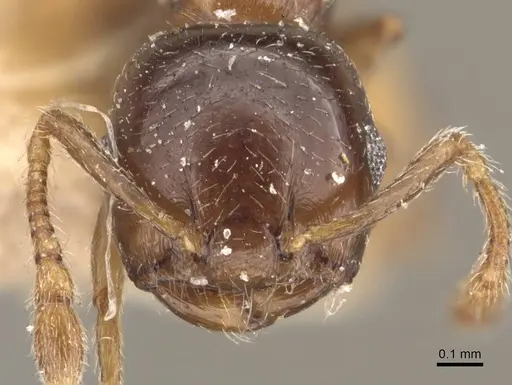
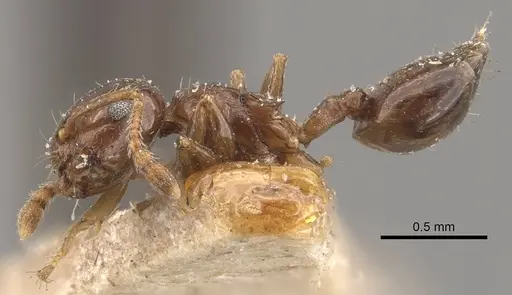
Crematogaster buddhae is a small to medium-sized acrobat ant species endemic to India. Workers are typically 3-5mm with the characteristic Crematogaster trait of raising their abdomen over their thorax when threatened, making them look like they're doing a handstand, hence the 'acrobat' name. They have well-developed propodeal spines (the spiky parts on their back) and a sculptured pronotum (the first section behind the head). This species is found across much of India from the Himalayan foothills at around 1200 meters elevation down to the Andaman and Nicobar Islands, with records from states including West Bengal, Kerala, Manipur, Sikkim, Arunachal Pradesh, and Delhi [1][2]. As an acrobat ant, they are active foragers and will readily defend their nest with painful bites and chemical defenses.
Quick Summary
- Difficulty: Medium
- Origin & Habitat: India, found across multiple states from the Himalayan foothills to the Andaman and Nicobar Islands, typically at elevations up to 1200 meters. They inhabit diverse environments from tropical forests to urban areas, nesting in rotting wood, under stones, and in wall cavities [1][2].
- Colony Type: Single-queen colonies (monogyne) based on typical Crematogaster patterns. Colony structure specifics for this species have not been directly studied.
- Colony: Monogyne
- Founding: Claustral
- Size & Growth:
- Queen: Estimated 8-10mm based on genus patterns, no species-specific measurements available
- Worker: Estimated 3-5mm based on genus patterns, no species-specific measurements available
- Colony: Likely several hundred workers based on typical Crematogaster colony sizes
- Growth: Moderate, based on genus patterns
- Development: Estimated 6-8 weeks at optimal temperature based on typical Crematogaster development (Development time is estimated from genus patterns since species-specific data is unavailable)
- Antkeeping:
- Temperature: Keep around 22-26°C. Based on their Indian distribution spanning from Himalayan foothills to tropical islands, they likely tolerate a range from roughly 18°C up to 30°C. A heating cable on one side of the nest creates a gradient they can choose from [3].
- Humidity: Moderate humidity around 50-70%. Being an Indian species, they prefer conditions that aren't too dry but also not constantly wet. Provide a water tube for drinking and occasional misting of the outworld.
- Diapause: Likely a mild winter rest period (diapause) based on the Himalayan population. If your colony shows reduced activity in winter, lower temperatures to around 15-18°C for 2-3 months. This mimics their natural seasonal cycle [1].
- Nesting: They naturally nest in rotting wood, under stones, and in wall cavities. In captivity, a Y-tong (acrylic) nest or plaster nest works well. They prefer chambers with some vertical space since they like to climb. Avoid completely horizontal setups as they may not use them as readily.
- Behavior: Crematogaster buddhae is an active forager with moderate aggression. Workers will readily swarm to defend the nest and can deliver a mild bite. They communicate through chemical trails and will recruit nestmates to food sources. Their signature behavior is raising the abdomen over the head when threatened, this is how they got the 'acrobat' name. They are good climbers and may attempt escapes, though not as prolific as some other genera. Escape prevention should be moderate to good, they can squeeze through small gaps but are not among the smallest ants.
- Common Issues: colonies may fail if humidity is too low, they need access to water and moderate moisture, slow founding phase means many new keepers give up too early, founding queens can take months to produce first workers, wild-caught colonies may carry parasites that can devastate captive colonies, heating too close to the nest can cause desiccation and colony death, they may abandon a nest if conditions don't suit them, provide options
Housing and Nest Setup
Crematogaster buddhae does well in Y-tong (acrylic) nests or plaster nests with multiple chambers. They are good climbers, so including some vertical elements in the outworld helps them feel at home. A test tube setup works for founding colonies, use a water tube attached to the test tube for humidity. When the colony reaches 20-30 workers, you can move them to a formicarium. They do best with a connected outworld area where they can forage. Keep the nest area darker as ants generally prefer dark nesting sites. Escape prevention should be moderate, they aren't the smallest ants but can still squeeze through small gaps, so ensure your setup has no cracks or use fluon on the rim. [3]
Feeding and Diet
Like most Crematogaster species, these ants are omnivorous with a preference for sweet liquids. Offer sugar water (1:3 ratio sugar to water) or honey water regularly, this should be available at all times once workers emerge. For protein, offer small insects like fruit flies, small crickets, or mealworms. They are active foragers so will readily take prey. In the wild, they also collect honeydew from aphids, so providing occasional sweet treats mimics their natural diet. Feed protein 2-3 times per week for established colonies, and remove any uneaten prey after 24 hours to prevent mold. [3]
Temperature and Seasonal Care
Maintain temperatures between 22-26°C for optimal colony health and development. Based on their range across India including Himalayan foothills, they can likely tolerate temperatures from around 18°C to 30°C. During winter, if your colony naturally slows down, you can provide a mild diapause at 15-18°C for 2-3 months, this mimics their natural seasonal cycle especially for populations from higher elevations [1]. However, many keepers successfully keep Crematogaster colonies active year-round without hibernation. Watch your colony's behavior, if they become less active and cluster together, they may be indicating a desire for cooler conditions. Avoid placing the nest directly on heating elements as this can cause drying and death.
Behavior and Defense
Crematogaster buddhae gets their common name 'acrobat ant' from their distinctive defensive posture, when threatened, workers raise their abdomen over their thorax and head, looking like they're doing a handstand. This isn't just for show, they can deliver a mild bite and may also release chemical alarm pheromones. They are moderately aggressive and will readily defend their nest. Workers are active foragers and will lay chemical trails to recruit nestmates to food sources. They are good climbers and will explore vertical surfaces. This species is best observed in the outworld where you can watch their foraging and recruitment behavior, it's quite engaging to see them communicate and work together. [3]
Colony Founding and Growth
Like most Crematogaster species, C. buddhae queens are likely claustral, they seal themselves in a small chamber and survive entirely on stored body fat until their first workers (nanitics) emerge. This founding phase can take 4-8 weeks or longer depending on temperature. The queen will lay eggs, which develop into larvae, then pupae, then emerge as workers. The first workers are smaller than normal workers (nanitics) and their job is to expand the nest and forage for food to feed the queen and raise more brood. After this, subsequent broods will develop into normal-sized workers. Colonies grow moderately fast once established, but the founding phase requires patience. Many new keepers lose colonies during founding because they disturb the queen too often or provide food that molds.
Common Problems and Solutions
The most common issues with keeping Crematogaster buddhae involve humidity and founding failures. During colony founding, the queen needs stable conditions, avoid vibrations, light, and disturbances. Make sure the water tube doesn't flood the test tube. For established colonies, low humidity is a frequent killer, provide a water source and occasional misting. Mold is another issue, remove uneaten food promptly and ensure ventilation is adequate without being excessive. If your colony seems sluggish, check that temperatures are in their preferred range. They may abandon a nest if conditions aren't right, so having multiple nest options available can help. Finally, while not the smallest ants, escape prevention is still important, they are active and curious. [3]
Frequently Asked Questions
How long does it take for Crematogaster buddhae to produce first workers?
From egg to first worker typically takes 6-8 weeks at optimal temperature (around 24°C). However, the exact timeline for this species hasn't been studied, so this is an estimate based on typical Crematogaster development. The founding queen seals herself in and the process can take longer if temperatures are cooler.
What do Crematogaster buddhae ants eat?
They are omnivorous with a sweet tooth. Offer sugar water or honey water constantly once workers emerge. For protein, feed small insects like fruit flies, small crickets, or mealworms 2-3 times per week. Remove uneaten prey after 24 hours to prevent mold.
Do Crematogaster buddhae ants sting?
They can bite but their main defense is raising their abdomen in an acrobat pose and releasing chemical alarm signals. The bite is mild compared to many other ants. They are not considered dangerous to humans.
What temperature do Crematogaster buddhae need?
Keep them around 22-26°C. Based on their Indian distribution, they likely tolerate 18-30°C. A heating cable on one side of the nest creates a gradient they can choose from. Avoid overheating.
Are Crematogaster buddhae good for beginners?
They are rated as medium difficulty. The main challenge is the slow founding phase, new keepers often give up or disturb the queen too much. Once established, they are relatively straightforward to care for. They are more active and interesting than some beginner species but require more attention than truly easy species.
How big do Crematogaster buddhae colonies get?
Based on typical Crematogaster colony sizes, they likely reach several hundred workers. The exact maximum for this species hasn't been documented, but colonies of this size are common in the genus.
Do Crematogaster buddhae need hibernation?
They may benefit from a mild winter rest (diapause) of 2-3 months at 15-18°C, especially if your colony shows reduced activity in winter. This mimics their natural cycle, particularly for populations from higher elevations like the Himalayas. However, many keepers successfully keep them active year-round.
When should I move my colony to a formicarium?
Move them when the test tube becomes crowded or when you see 20-30 workers. Make sure the formicarium has proper humidity control and a connected outworld for foraging. They do well in Y-tong or plaster nests.
Why is my founding queen not producing workers?
This is common and has several possible causes: disturbance (vibration, light, poking), temperature too low or too high, humidity issues, or the queen may have died. Founding queens need complete peace, no light, no vibrations, no checking. If it's been more than 8 weeks without any brood development, the queen may have died. Some foundresses fail despite perfect conditions.
Can I keep multiple Crematogaster buddhae queens together?
This species is likely monogyne (single queen per colony) based on typical Crematogaster patterns. Combining unrelated queens is not recommended as they will likely fight. If you find a queen in the wild during nuptial flights, set up each in her own test tube.
References

This caresheet is licensed under CC BY-SA 4.0 .
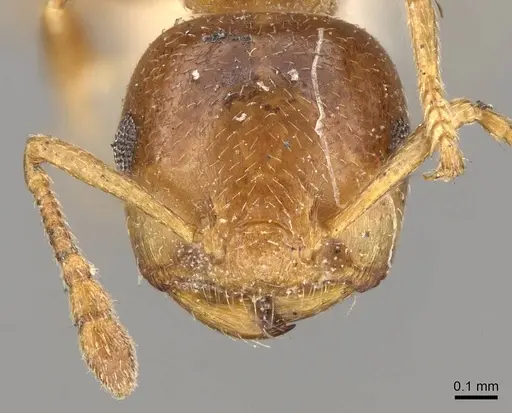
CASENT0908574
View on AntWeb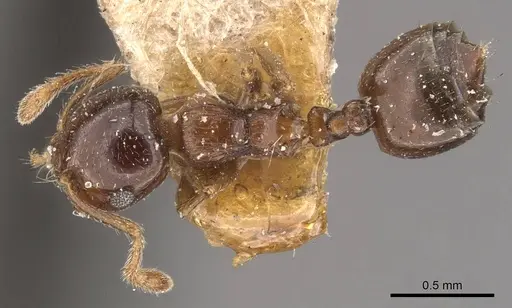
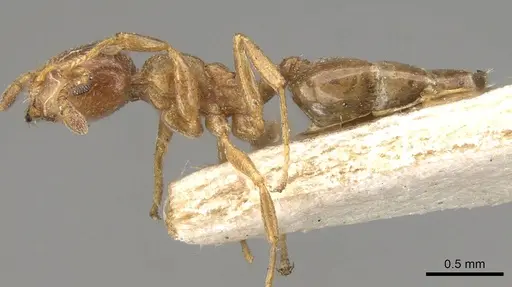
CASENT0914073
View on AntWeb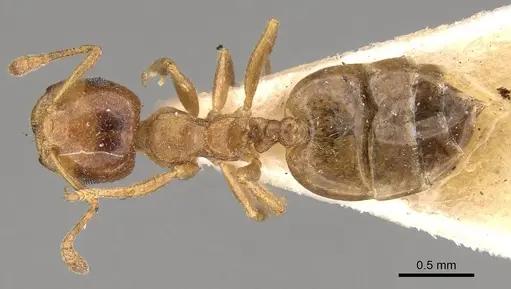
Literature
Loading...Loading products...