

Crematogaster bryophilia
- Scientific Name
- Crematogaster bryophilia
- Subgenus
- Orthocrema
- Tribe
- Crematogastrini
- Subfamily
- Myrmicinae
- Author
- Longino, 2003
- Distribution
- Found in 5 countries
Crematogaster bryophilia Overview
Crematogaster bryophilia is an ant species of the genus Crematogaster. It is primarily documented in 5 countries , including Colombia, Costa Rica, Ecuador. Detailed taxonomic data and occurrence records can be further explored via authoritative databases such as AntWeb or the Global Biodiversity Information Facility (GBIF).
Crematogaster bryophilia
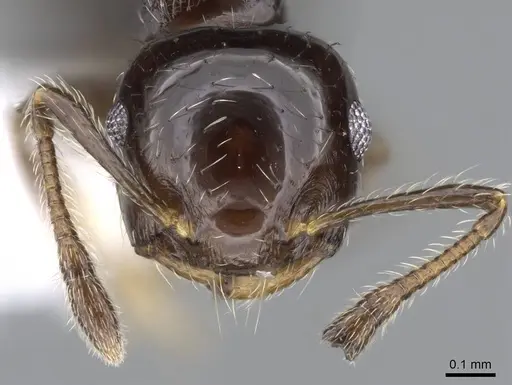
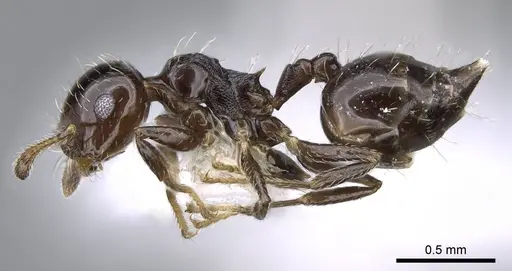
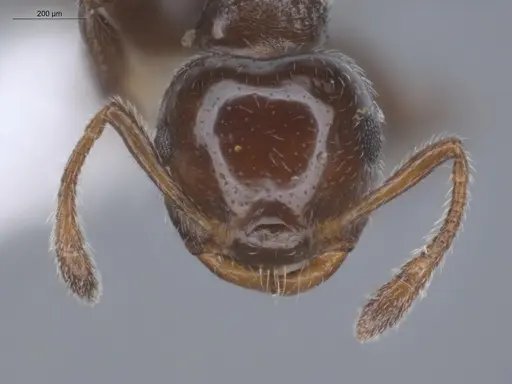
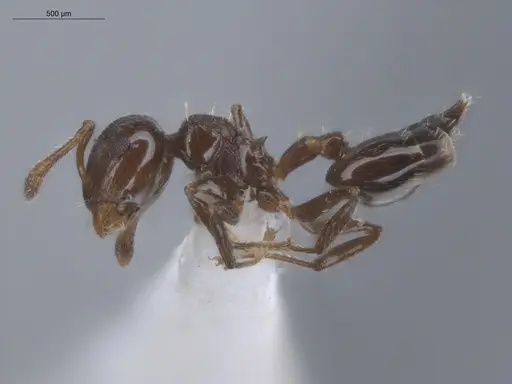
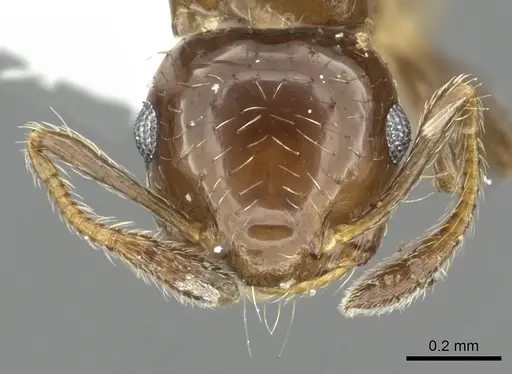
Crematogaster bryophilia is a tiny tropical ant species native to the Neotropical region, found in Costa Rica, Panama, Venezuela, and Ecuador. Workers measure just 0.5-0.7mm with a distinctive appearance: light to dark brown body with a darker gaster, smooth and shiny face, and medium-length propodeal spines. The species gets its name 'bryophilia' (moss-loving) from its unique habit of nesting beneath epiphyte mats and moss in montane wet forests. This is a canopy-dwelling species that nests high in mature forest trees, including dead branches, Cecropia sapling internodes, and under epiphyte clumps. It appears to be largely nocturnal and is considered a habitat specialist, making it infrequently collected despite being locally common where it occurs.
Quick Summary
- Difficulty: Hard
- Origin & Habitat: Montane wet forests of Costa Rica, Panama, Venezuela, and Ecuador at elevations from 50-800m. Nests in the canopy of mature forest trees, primarily in dead branches and beneath epiphyte mats [1][2].
- Colony Type: Single-queen colonies (monogyne) with documented ergatoid replacement reproductives. Ergatogynes (soldier-like workers) have been found both alone in nests with workers and alongside a physogastric queen [1][3].
- Colony: Monogyne
- Founding: Claustral
- Size & Growth:
- Queen: Larger than workers, exact measurements not specified [1]
- Worker: 0.5-0.7mm (HL 0.505-0.635,HW 0.530-0.710) [1]
- Colony: Unknown maximum, but colonies are small to moderate based on nesting in thin branches and epiphyte mats [1]
- Growth: Unknown, no development data available
- Development: Unknown, no direct development studies exist for this species (Based on typical Crematogaster patterns, expect 4-8 weeks at tropical temperatures, but this is an estimate)
- Antkeeping:
- Temperature: Keep at 24-28°C, mimicking warm tropical montane forest conditions. A gentle gradient allowing cooler areas is recommended since they nest high in trees where temperatures may vary [1].
- Humidity: High humidity is essential, these ants come from wet montane forests where humidity is consistently high. Keep nest substrate moist but not waterlogged, with good ventilation to prevent stagnation [1].
- Diapause: No diapause required, this is a tropical species from consistent climate environments [1].
- Nesting: This species nests in very small cavities, thin dead branches, Cecropia internodes, and under epiphyte mats. In captivity, provide small-scale nesting options like test tubes with cotton, small acrylic nests, or naturalistic setups with thin branches and moss. They prefer tight, enclosed spaces scaled to their tiny size [1].
- Behavior: Crematogaster bryophilia appears to be largely nocturnal and is a habitat specialist. Workers forage under epiphytes and in cryptic microhabitats, which explains why they are rarely caught in standard baiting or sweeping studies. They are small but active foragers. Due to their tiny size, escape prevention is critical, they can squeeze through extremely small gaps. The genus Crematogaster is known for raising the gaster in a defensive display when threatened [1].
- Common Issues: tiny size means escapes are likely without fine mesh barriers and tight-fitting lids, specialized habitat requirements make this species difficult to keep, needs high canopy-style setups, wild-caught colonies may have parasites that kill them in captivity, low activity during daylight hours may make them seem inactive, difficulty finding this species in the wild limits availability to hobbyists
Nest Preferences and Housing
Crematogaster bryophilia is a canopy-dwelling species that nests in very small cavities in trees. In the wild, they have been found nesting in thin dead branches, Cecropia sapling internodes, hollow stems of small trees, and most characteristically beneath epiphyte mats and moss patches. This last nesting preference is what gives the species its name, 'bryophilia' means moss-loving. In captivity, you should replicate these conditions by providing small, tight chambers scaled to their tiny size. Test tube setups work well for founding colonies, while small acrylic nests or naturalistic setups with thin branches and moss can house established colonies. The key is providing enclosed, humid spaces that mimic the protected microhabitats they use in the canopy. Avoid large, open spaces, these tiny ants feel secure in tight cavities. [1]
Feeding and Diet
While specific feeding studies are lacking for C. bryophilia, Crematogaster species are typically omnivorous with a preference for sugary liquids (honeydew from aphids, nectar, and fruit) and protein sources (small insects). In captivity, offer a mix of sugar water or honey diluted with water, and small protein sources like fruit flies, pinhead crickets, or other tiny arthropods. Given their very small worker size, prey items must be appropriately sized, essentially microscopic. They may also accept specialized Crematogaster formulas or commercial ant foods. Feed small amounts regularly and remove uneaten food to prevent mold in their humid environment. [1][2]
Temperature and Care
As a tropical montane forest species from Costa Rica and surrounding countries, C. bryophilia requires warm, stable temperatures in the range of 24-28°C. These ants come from environments with consistent year-round temperatures, so avoid temperature drops or drafts. A heating cable on one side of the nest can create a gentle gradient, allowing the colony to self-regulate. Since they nest high in trees in the wild, they may prefer slightly cooler areas within their nest space compared to ground-nesting species. No hibernation or diapause is needed, this is a true tropical species. Maintain high ambient humidity to match their wet forest origin, but ensure adequate ventilation to prevent stagnant air and mold growth. [1]
Behavior and Colony Structure
This species exhibits several unusual traits that set it apart from common ant pets. It appears to be largely nocturnal, doing much of its foraging under epiphyte mats and in cryptic microhabitats, which explains why it is rarely collected despite being locally common. The species has documented ergatogynes, soldier-like workers that can serve as replacement reproductives if the queen dies. This is a rare trait in most ant genera but is known in some Crematogaster subgenera. Colonies are monogyne (single queen), and the presence of ergatoids provides colony security through a backup reproductive system. Workers display the typical Crematogaster defensive behavior of raising the gaster when disturbed. Due to their tiny size, excellent escape prevention is essential, even standard ant keeping barriers may not contain these minute ants. [1][3]
Finding and Acquiring This Species
Crematogaster bryophilia is not a common species in the ant-keeping hobby and is considered a specialist species best suited for experienced keepers. It is rarely found in standard ant collections because of its cryptic behavior and canopy-dwelling habits. Most scientific collections come from specialized canopy fogging studies or from manually searching epiphyte mats in montane forests. If you want to keep this species, your best option is connecting with specialized ant breeders or researchers working in Costa Rica. Wild collection requires permits in protected areas. Expect to pay a premium for colonies when available, as they are seldom offered for sale. [1]
Frequently Asked Questions
How long does it take for Crematogaster bryophilia to produce first workers?
The exact egg-to-worker timeline is unconfirmed for this species. Based on typical Crematogaster development at tropical temperatures (24-28°C), expect approximately 4-8 weeks from egg to first worker, but this is an estimate rather than a documented measurement.
Can I keep Crematogaster bryophilia in a test tube setup?
Yes, test tubes work well for founding colonies. These tiny ants nest in small cavities naturally, so a properly sized test tube with a water reservoir provides appropriate humidity. Ensure the cotton is packed tightly to prevent escapes, their minute size allows them to squeeze through surprisingly small gaps.
Do Crematogaster bryophilia ants sting?
Crematogaster ants can defend by raising their gaster and may bite, but they are not considered dangerous to humans. Their small size means any sting would be minimal. The genus is known for defensive displays rather than painful stings.
Are Crematogaster bryophilia good for beginners?
No, this species is not recommended for beginners. It is a specialized canopy-dwelling species with specific habitat requirements, very small size making escape likely, and is rarely available in the ant-keeping hobby. It is considered a hard species best suited for experienced antkeepers interested in unusual tropical species.
What temperature do Crematogaster bryophilia need?
Keep them at 24-28°C, mimicking warm tropical montane forest conditions. A gentle temperature gradient is recommended since they may prefer slightly cooler microclimates within their nest space. Avoid temperatures below 22°C or above 30°C.
Do Crematogaster bryophilia need hibernation?
No, this is a tropical species from consistent climate environments and does not require hibernation or diapause. Maintain stable warm temperatures year-round.
How big do Crematogaster bryophilia colonies get?
The maximum colony size is unknown. Based on their nesting habits in small cavities like thin branches and Cecropia internodes, colonies are likely small to moderate, probably under 500 workers. They appear to be less populous than some other Crematogaster species.
Can I keep multiple Crematogaster bryophilia queens together?
This species is documented as monogyne (single queen colonies) with ergatoid replacement reproductives. Combining unrelated queens has not been studied and is not recommended. The presence of ergatoids provides a natural replacement system if the queen dies.
Why is Crematogaster bryophilia so rarely kept?
This species is a habitat and elevational specialist found only in montane wet forest canopies in Central and South America. Its cryptic nocturnal behavior, nesting preferences beneath epiphyte mats, and small size make it difficult to find and collect. It is also rarely caught in standard sampling methods, limiting both scientific knowledge and availability to hobbyists.
What do Crematogaster bryophilia eat?
While not specifically studied, Crematogaster species are omnivorous. Offer sugar sources (honey water, sugar water) and small protein sources appropriately sized for their tiny workers (fruit flies, springtails, other micro-arthropods). Feed small amounts regularly and remove uneaten food to prevent mold.
References

This caresheet is licensed under CC BY-SA 4.0 .
CASENT0914552
View on AntWeb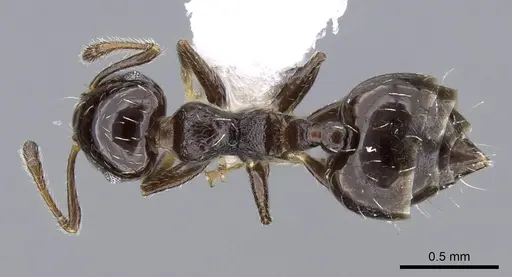
ECOFOG-SL13-0968-05
View on AntWeb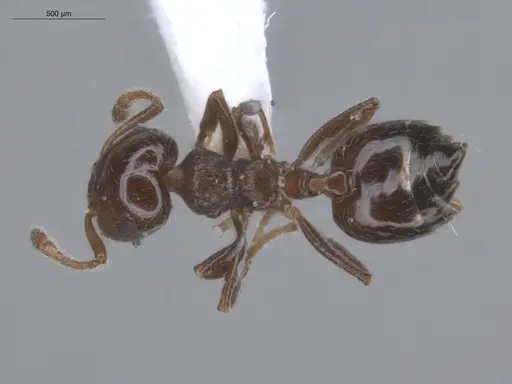
INBIOCRI001225726
View on AntWeb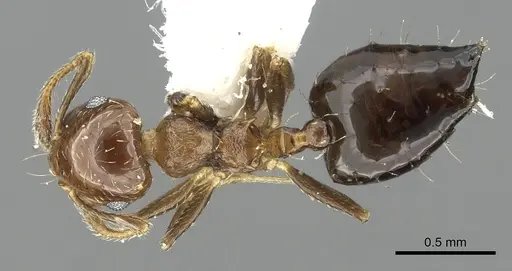
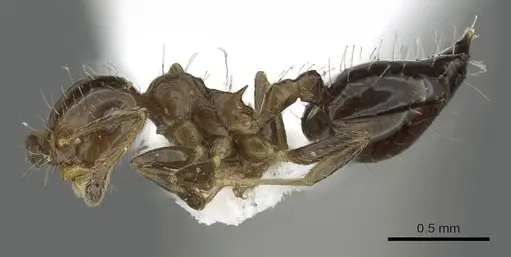
INBIOCRI001225782
View on AntWeb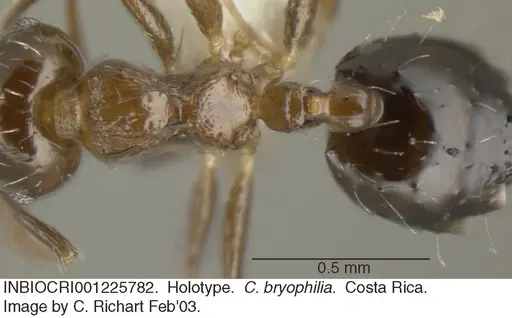
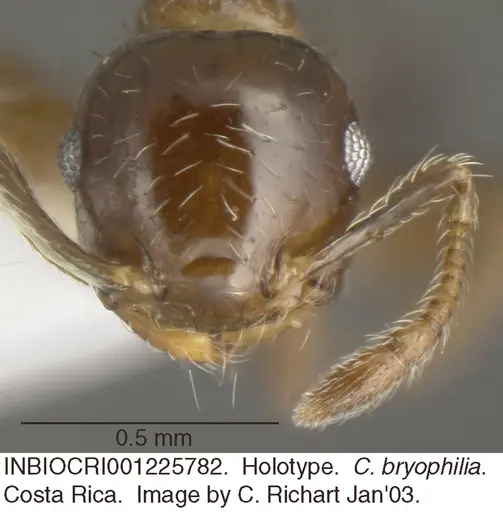
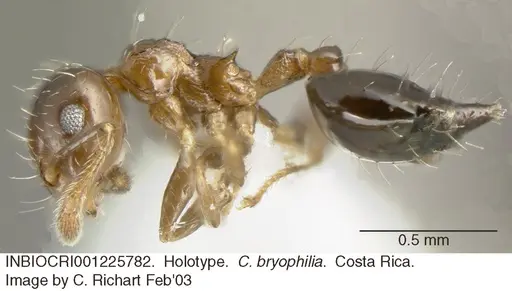
JTLC000002483
View on AntWeb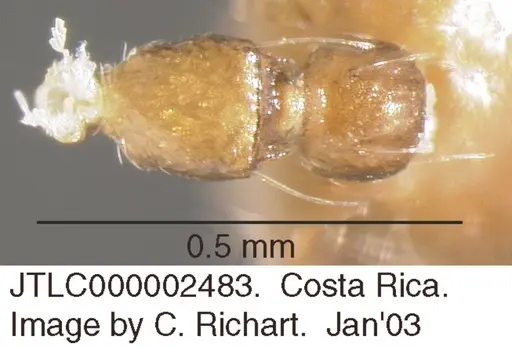
Literature
Loading...Loading products...