

Crematogaster brunnea
- Scientific Name
- Crematogaster brunnea
- Tribe
- Crematogastrini
- Subfamily
- Myrmicinae
- Author
- Smith, 1857
- Distribution
- Found in 3 countries
Crematogaster brunnea Overview
Crematogaster brunnea is an ant species of the genus Crematogaster. It is primarily documented in 3 countries , including India, Korea, Republic of. Detailed taxonomic data and occurrence records can be further explored via authoritative databases such as AntWeb or the Global Biodiversity Information Facility (GBIF).
Crematogaster brunnea
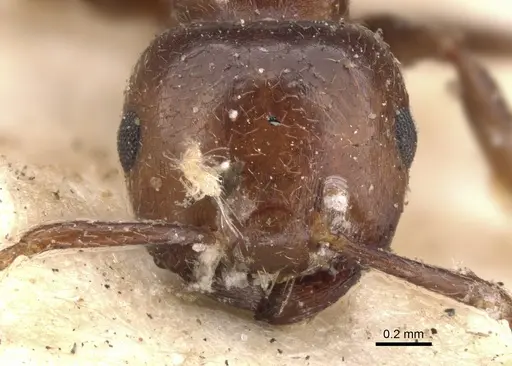
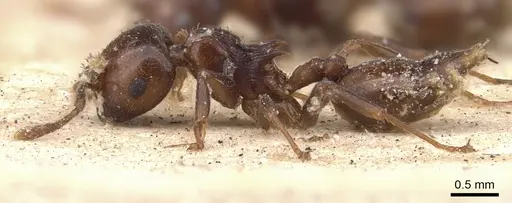
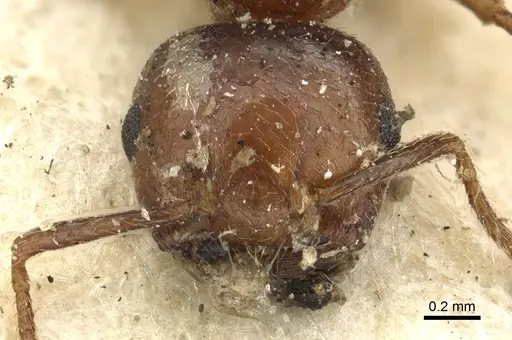
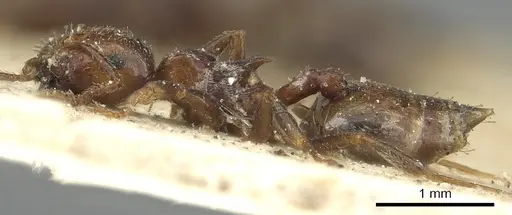
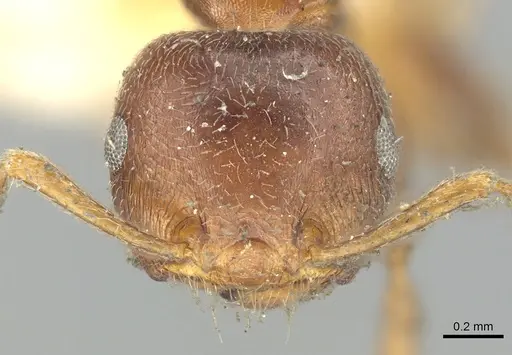
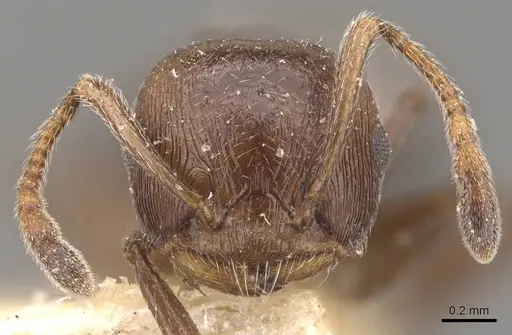
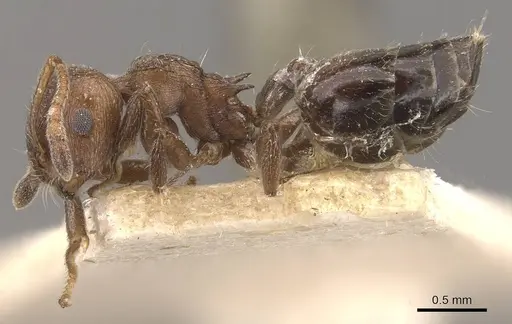
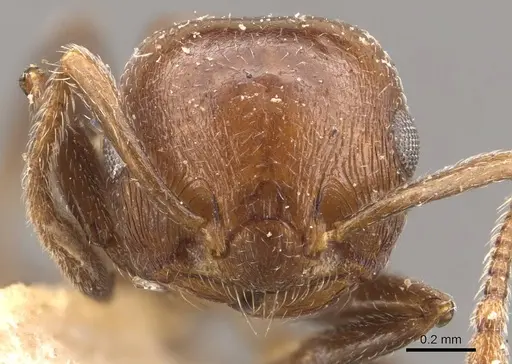
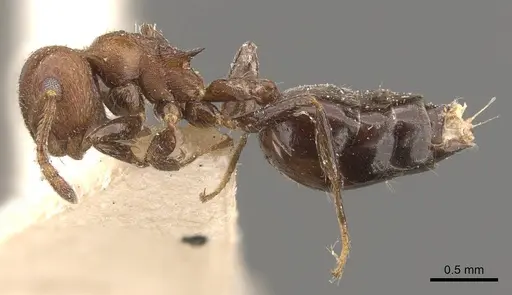
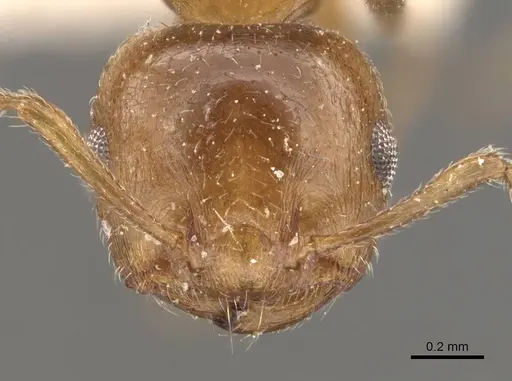
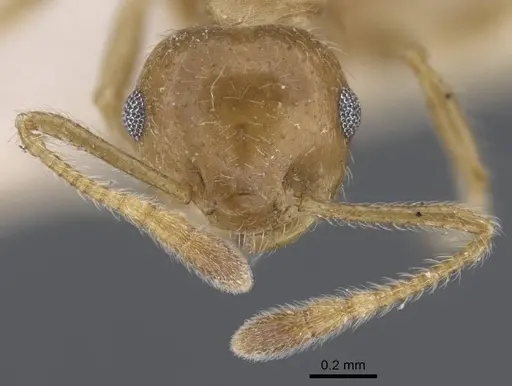
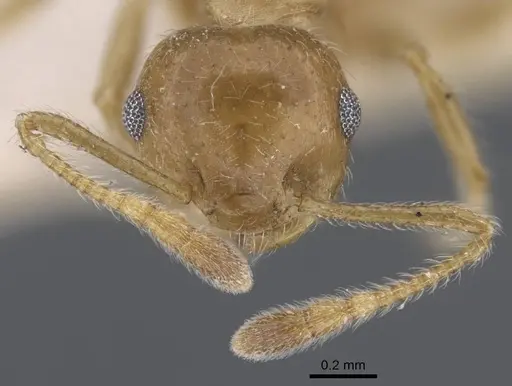
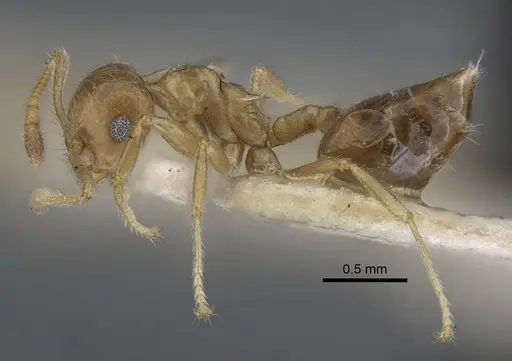
Crematogaster brunnea is a small reddish-brown ant species belonging to the Myrmicinae subfamily. Workers measure 3-4mm and are easily recognized by their distinctive heart-shaped gaster, which they raise up over their heads when disturbed, giving them the nickname 'acrobat ants' [1]. The head is smooth and shining with faint striations near the antennae base, while the mesosoma shows fine longitudinal striations. The propodeal spines are horn-shaped and curve downward [2][3]. This species is part of a complex group with several subspecies described across its range.
These ants are found across the Indomalayan region including Borneo, India, Indonesia, Malaysia, and Sri Lanka, with some records in southern China [4]. They are highly adaptable, nesting in both arboreal carton structures on trees and in ground locations like soil, stone crevices, and decaying wood [1]. Their ability to thrive in both urban and peri-urban habitats makes them a common sight in their range.
Quick Summary
- Difficulty: Medium
- Origin & Habitat: Native to Southeast Asia and the Indian subcontinent, found in Borneo, India, Indonesia, Malaysia, Sri Lanka, and southern China. They inhabit tropical and subtropical forests as well as urban areas, nesting in dead wood, soil crevices, and constructing carton nests in trees [1][4].
- Colony Type: Colony structure is not well documented for this specific species. Based on typical Crematogaster genus patterns, they likely form colonies with multiple queens, though this requires confirmation for C. brunnea specifically.
- Size & Growth:
- Queen: Unknown, not directly measured in available research
- Worker: 3-4mm [1]
- Colony: Unknown, no specific colony size data available
- Growth: Moderate, inferred from typical Crematogaster growth patterns
- Development: Unknown, no direct development timing studies available for this species. Based on related tropical Myrmicinae, estimate 6-8 weeks at optimal temperature. (Development time is estimated based on genus-level data. Specific timing for C. brunnea has not been documented.)
- Antkeeping:
- Temperature: Keep at 24-28°C, these are tropical ants that prefer warm conditions. A slight temperature gradient allows workers to regulate their exposure.
- Humidity: Moderate to high humidity (60-80%). They naturally inhabit humid forest environments. Keep nest substrate slightly moist but allow some drying areas.
- Diapause: No, as a tropical species, they do not require hibernation. Maintain consistent warm temperatures year-round.
- Nesting: Provide both arboreal and ground options. They accept Y-tong nests, acrylic setups, or naturalistic setups with dead wood pieces. They will readily build carton-like structures if given suitable materials. A test tube setup works for founding colonies.
- Behavior: Crematogaster brunnea is an active forager that searches both on the ground and in vegetation [1]. They are not particularly aggressive toward keepers but will readily raise their gaster and may release a defensive chemical when threatened. They are excellent climbers and may escape if given the opportunity. Workers are small (3-4mm) so escape prevention using fine mesh is essential. They form mutualistic relationships with some insects and are known associates of certain butterfly larvae [5].
- Common Issues: escape prevention is critical, their small size means they can squeeze through tiny gaps, arboreal nesting preferences can make them harder to house than ground-nesting species, wild-caught colonies may have parasites that cause problems in captivity, they may be more active and prone to escaping than larger ants, humidity control is important, too dry and they struggle, too wet and mold becomes an issue
Housing and Nest Setup
Crematogaster brunnea is adaptable when it comes to nesting. In the wild, they build carton nests in trees and also nest in soil, stone crevices, and decaying wood [1]. For captivity, you can start with a simple test tube setup for the founding queen. Once the colony reaches 20-30 workers, consider moving them to a Y-tong nest or acrylic formicarium. They do well in naturalistic setups with pieces of dead wood or cork bark, which allows them to build their characteristic carton structures. Ensure the nest has some vertical space since they naturally forage in trees and vegetation. A small outworld with branches or plants helps replicate their natural arboreal foraging environment.
Feeding and Diet
Crematogaster brunnea is an omnivorous forager. In nature, they forage on ground, trees, and low vegetation, likely collecting honeydew from aphids and scale insects, along with small insects and nectar. In captivity, offer a varied diet: sugar water or honey as an energy source, and protein sources like small crickets, mealworms, or fruit flies. They are active hunters and will readily take small live prey. Feed protein 2-3 times per week and keep a constant sugar water supply. Remove uneaten prey after 24 hours to prevent mold issues. Their small size means prey items should be appropriately sized, fruit flies and small crickets work well. [1]
Temperature and Humidity
As a tropical species from Southeast Asia and India, Crematogaster brunnea needs warm, humid conditions. Maintain temperatures between 24-28°C. They can tolerate slightly cooler temperatures but growth will slow below 22°C. A heating cable on one side of the nest creates a beneficial gradient. Humidity should be moderate to high (60-80%). Mist the outworld occasionally and keep the nest substrate slightly moist. However, ensure good ventilation to prevent stagnant air and mold growth. These ants do not require any winter cooling or diapause, keep them warm year-round for optimal colony development.
Behavior and Handling
The most distinctive behavior of Crematogaster brunnea is their acrobat-like defense response. When threatened, workers raise their heart-shaped gaster up over their heads [1]. They may also release defensive chemicals from their abdominal glands. This species is not particularly aggressive toward keepers but can be defensive when the nest is disturbed. They are excellent climbers and very active, constantly foraging throughout their enclosure. Workers will explore both the ground and any vertical structures. Their small size (3-4mm) makes them quick and sometimes hard to handle during transfers. Always use fine mesh on any openings, they can easily escape through gaps that would hold larger ants.
Colony Development
Little specific data exists on the development timeline of Crematogaster brunnea. Based on typical Crematogaster patterns and related Myrmicinae, expect the first workers (nanitics) to emerge 6-8 weeks after the queen lays eggs, assuming optimal temperature (around 26°C). Initial colonies grow moderately, the queen may lay 20-30 eggs initially. Colonies can eventually reach several hundred workers, though maximum size for this specific species is not documented. Growth is faster at warmer temperatures within their range. Be patient with founding colonies, they may appear slow initially but accelerate once the first workers emerge and begin foraging.
Frequently Asked Questions
How long does it take for Crematogaster brunnea to have first workers?
The exact timeline is not documented, but based on typical Crematogaster development, expect first workers (nanitics) around 6-8 weeks after eggs are laid at optimal temperature (around 26°C). This is an estimate based on genus patterns rather than specific studies of C. brunnea.
What do Crematogaster brunnea ants eat?
They are omnivorous. Offer sugar water or honey constantly for energy, and protein sources like small crickets, mealworms, or fruit flies 2-3 times per week. They will also collect honeydew from aphids if available.
Do Crematogaster brunnea ants sting?
They are small ants that may bite or spray defensive chemicals when threatened, but they are not considered dangerous to humans. Their main defense is raising their gaster and releasing chemicals.
Are Crematogaster brunnea good for beginners?
They are rated as medium difficulty. They are small and active, requiring good escape prevention. Their tropical temperature and humidity needs are straightforward once established. The main challenges are their small size and ensuring proper humidity.
Do Crematogaster brunnea need hibernation?
No, they are tropical ants from Southeast Asia and do not require hibernation or winter cooling. Keep them warm (24-28°C) year-round.
What size are Crematogaster brunnea workers?
Workers are small, measuring 3-4mm in length [1]. This is important for escape prevention, they require fine mesh barriers.
Can I keep multiple Crematogaster brunnea queens together?
The colony structure of this specific species is not well documented. Many Crematogaster species are polygynous (multi-queen), but combining unrelated queens has not been studied for C. brunnea. It is not recommended to attempt combining queens without documented success for this species.
Where is Crematogaster brunnea found?
They are native to the Indomalayan region, Borneo, India, Indonesia, Malaysia, Sri Lanka, and southern China [4]. They live in tropical forests and urban areas, nesting in trees (carton nests), soil, and dead wood.
Why do they raise their gaster over their head?
This is their primary defense mechanism. When threatened, they raise their heart-shaped gaster up over their heads and may release defensive chemicals. This is why they are called 'acrobat ants' [1].
References

This caresheet is licensed under CC BY-SA 4.0 .
CASENT0901435
View on AntWeb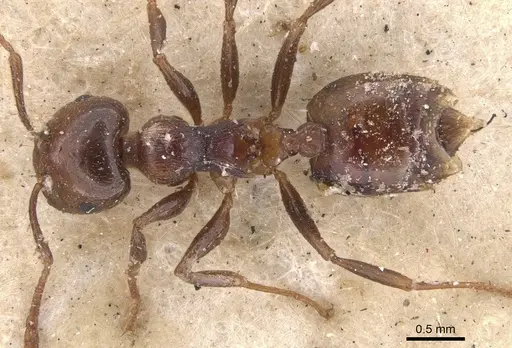
CASENT0902122
View on AntWeb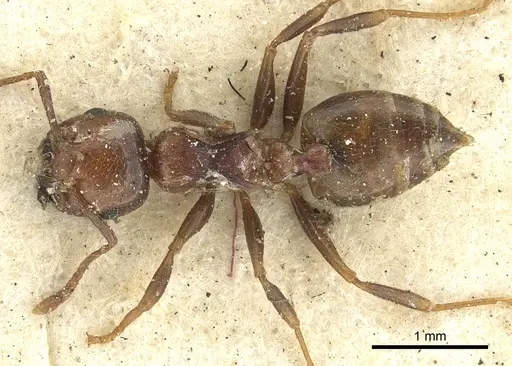
CASENT0902123
View on AntWeb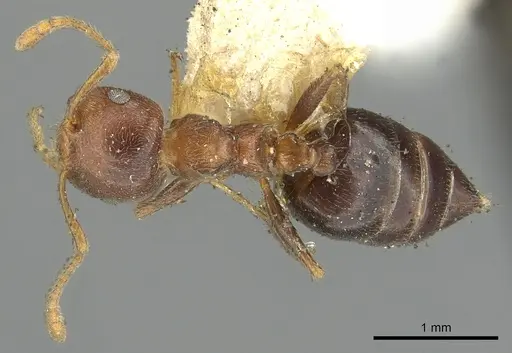
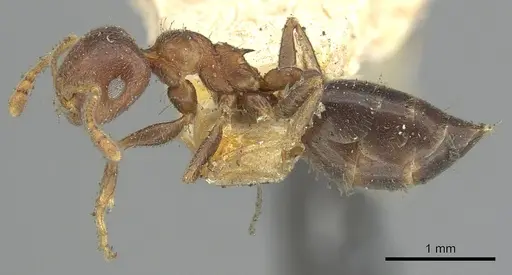
CASENT0908565
View on AntWeb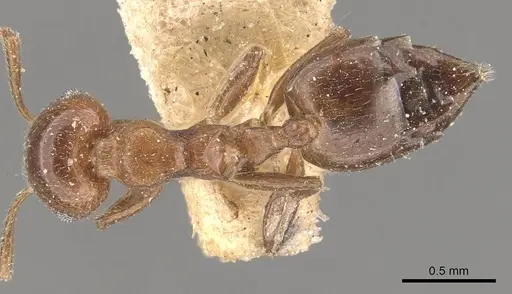
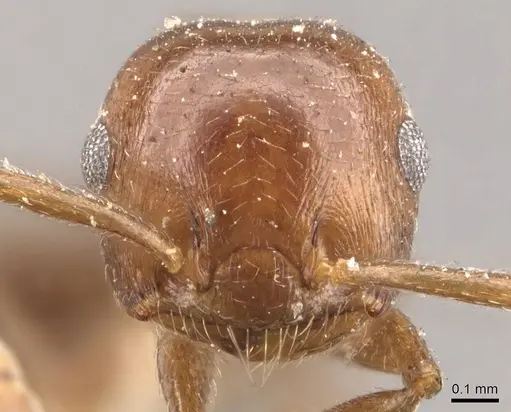
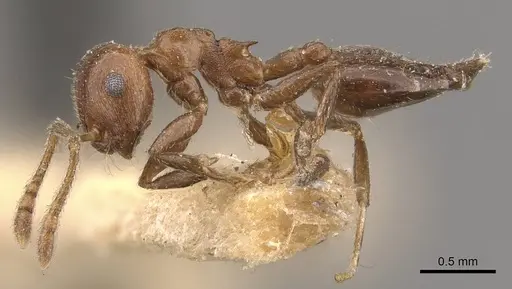
CASENT0908567
View on AntWeb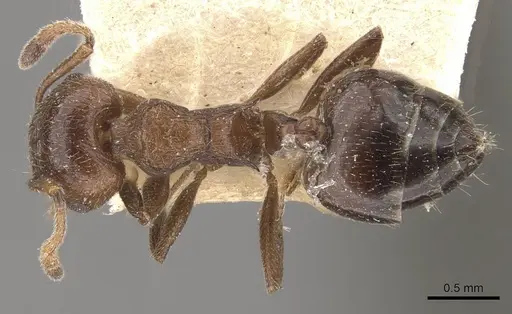
CASENT0908568
View on AntWeb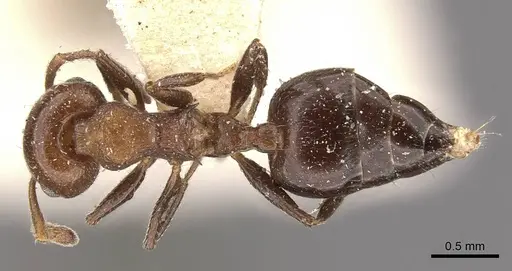
CASENT0908570
View on AntWeb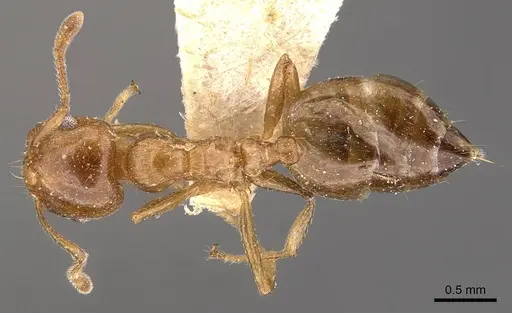
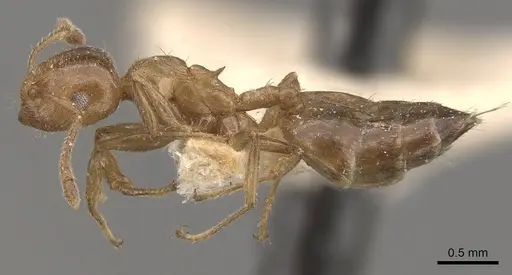
CASENT0908572
View on AntWeb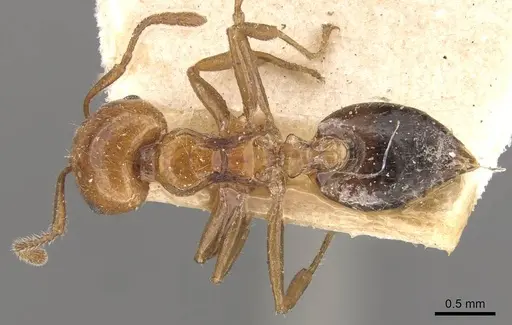
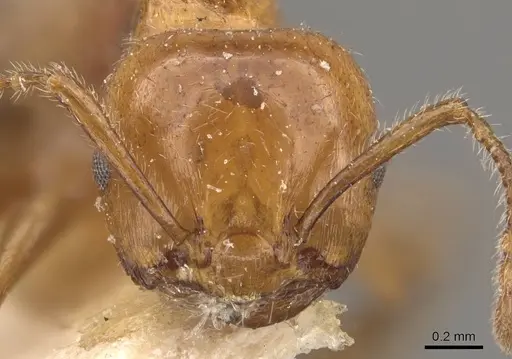
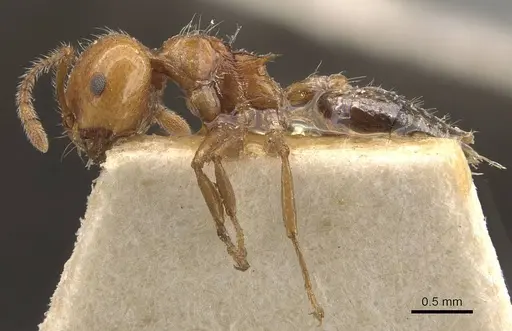
CASENT0916979
View on AntWeb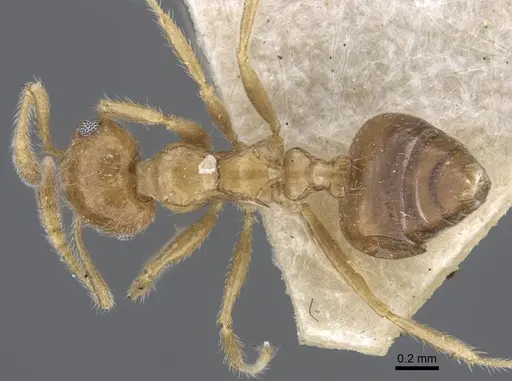
Literature
Loading...Loading products...