

Crematogaster bruchi
- Scientific Name
- Crematogaster bruchi
- Subgenus
- Orthocrema
- Tribe
- Crematogastrini
- Subfamily
- Myrmicinae
- Author
- Forel, 1912
- Distribution
- Found in 3 countries
Crematogaster bruchi Overview
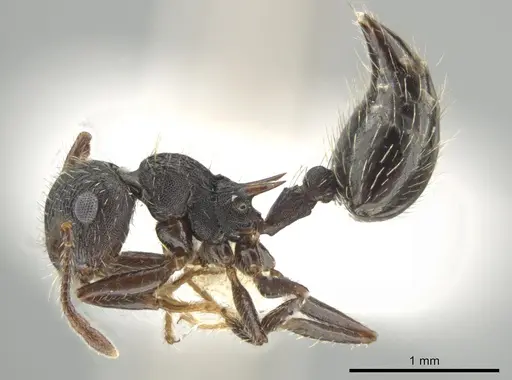
Crematogaster bruchi is an ant species of the genus Crematogaster. It is primarily documented in 3 countries , including Argentina, Brazil, Paraguay. Detailed taxonomic data and occurrence records can be further explored via authoritative databases such as AntWeb or the Global Biodiversity Information Facility (GBIF).
Crematogaster bruchi
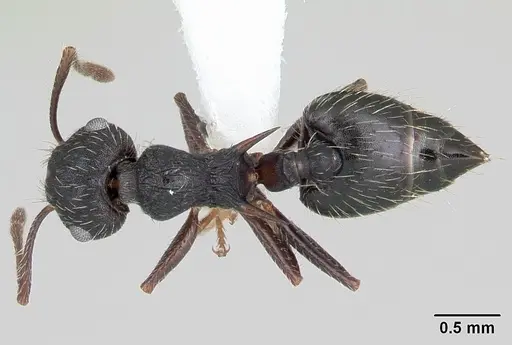
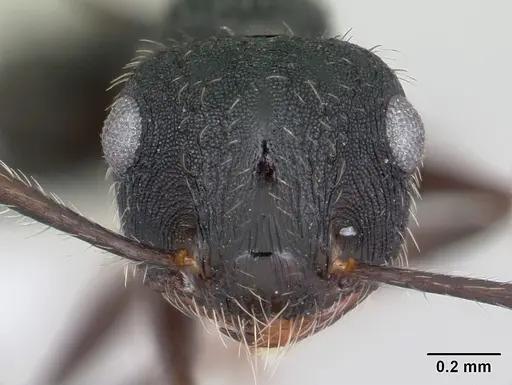
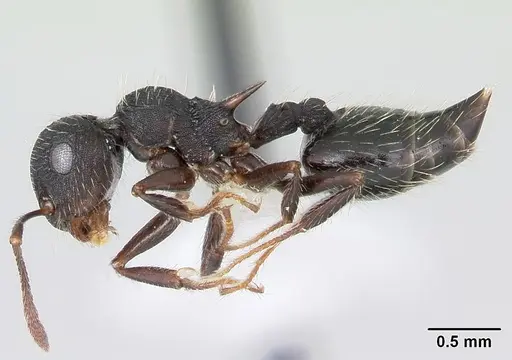
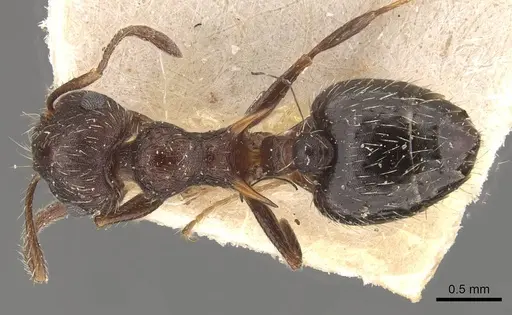
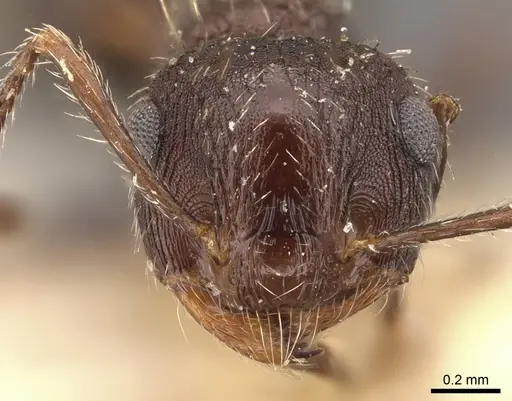
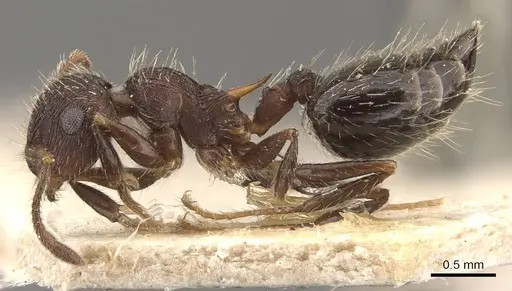
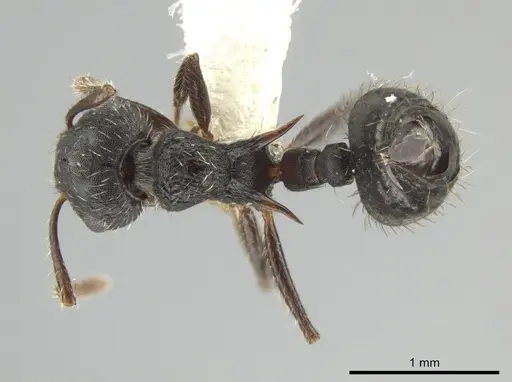
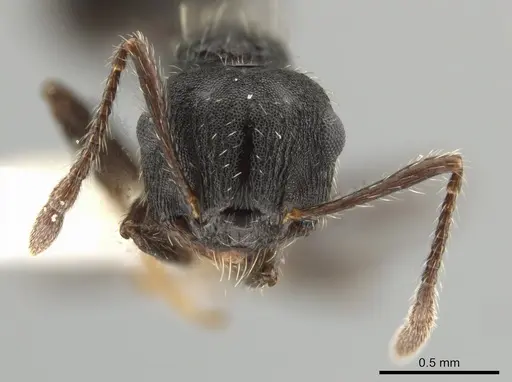
Crematogaster bruchi is a small Myrmicinae ant species native to the Southern Neotropics, found throughout Argentina, Paraguay, and recently recorded in southern Brazil. Workers are small ants belonging to the Crematogastrini tribe, characterized by their distinctive heart-shaped gaster that they can raise over their thorax like an acrobat, giving them their common name. This species has been documented living in epigeic (ground-level) habitats including grasslands and agricultural areas like vineyards [1][2].
This species remains poorly studied in captivity, with limited scientific data available on its specific care requirements. Based on its distribution across the Argentine provinces of San Luis, Tucumán, and Catamarca at elevations around 1300m, it appears adapted to subtropical warm-temperate conditions. As a member of the Generalized Myrmicinae functional group, it likely shares typical Crematogaster behaviors including some degree of colony flexibility and arboreal or ground-nesting habits [2].
Quick Summary
- Difficulty: Unknown, likely Medium based on genus typical behavior
- Origin & Habitat: Southern Neotropics, Argentina (San Luis, Tucumán, Catamarca, Santa Fe), Paraguay, and southern Brazil (Rio Grande do Sul, Paraná, Santa Catarina). Found in grasslands, vineyards, and agricultural areas at various elevations [1][3][4].
- Colony Type: Colony structure is unconfirmed for this specific species. Many Crematogaster species are polygyne (multiple queens), but this has not been documented for C. bruchi.
- Size & Growth:
- Queen: Estimated 5-7mm based on genus typical sizes, not directly measured for this species
- Worker: Estimated 2-4mm based on genus typical sizes, not directly measured for this species
- Colony: Unknown, no colony size data available for this species
- Growth: Unknown, no development timing data available
- Development: Estimated 6-8 weeks based on typical Crematogaster development at warm temperatures (Development timeline is estimated from genus-level data, not directly studied for this species)
- Antkeeping:
- Temperature: Start around 22-26°C based on its subtropical distribution. Room temperature in this range should work well. A slight gradient allowing workers to choose warmer or cooler areas is beneficial.
- Humidity: Moderate humidity around 50-70% should suit this species. It has been found in both grassland and agricultural areas, suggesting tolerance for varying conditions. Keep nest substrate lightly moist but not waterlogged.
- Diapause: Unknown, no specific research on overwintering requirements. Based on its subtropical to warm-temperate origin, a mild winter rest period at cooler temperatures (15-18°C) for 2-3 months may be beneficial, but this is speculative.
- Nesting: In the wild, this species has been found in epigeic (ground-level) habitats. In captivity, a Y-tong (AAC) nest, plaster nest, or naturalistic setup with soil and hiding spots should work well. They may prefer nesting in rotting wood or under stones if given the option.
- Behavior: Crematogaster ants are known for their distinctive defensive behavior, they raise their abdomen over their head like an acrobat and can release irritating chemicals from their gland. They are generally not aggressive but will defend their nest vigorously. Workers are active foragers, likely collecting honeydew from aphids and small insects. Their small size means escape prevention is important, use fine mesh and tight-fitting barriers. They are likely capable of establishing multiple nest sites within their enclosure.
- Common Issues: limited species-specific care data makes proper husbandry uncertain, escape prevention is critical due to small worker size, colony founding may be challenging without documented behavior, no information on specific dietary preferences for this species, winter care requirements are unknown and may require experimentation
Nest Preferences and Housing
Crematogaster bruchi has been documented as an epigeic (ground-dwelling) species found in grasslands and agricultural areas in southern Brazil and Argentina [1][2]. In captivity, they should be provided with a nest that allows them to establish brood chambers in a dark, protected space. Y-tong (AAC) nests work well for smaller colonies, while plaster or acrylic nests accommodate growing colonies nicely. Given their small size, ensure that any connections between the nest and outworld are appropriately scaled, workers should be able to move through tubes easily without getting stuck. Some keepers have success with naturalistic setups using a soil layer and pieces of rotting wood or flat stones as nesting sites. The nest should be kept in a quiet area with minimal vibration, as disturbance can stress colonies.
Feeding and Diet
While specific dietary preferences for C. bruchi have not been documented, Crematogaster species are typically omnivorous with a strong preference for sugary substances. In the wild, they likely tend aphids and scale insects for honeydew, while also scavenging small insects and arthropods. In captivity, offer a combination of sugar water or honey as a constant energy source, along with protein-rich foods like small crickets, mealworms, fruit flies, or other small insects. Feed protein sources 2-3 times per week, and remove any uneaten prey after 24-48 hours to prevent mold. Some Crematogaster species will accept fruits and other sweet liquids readily. Start with small prey items appropriate to their tiny worker size and adjust based on what the colony actually consumes.
Temperature and Seasonal Care
This species originates from the Southern Neotropics, including the Argentine provinces of San Luis, Tucumán, and Catamarca at elevations around 1300m, as well as Paraguay and southern Brazil [1][3]. This suggests adaptation to warm subtropical to temperate conditions. Aim for temperatures in the range of 22-26°C during the active season. Room temperature within this range is typically suitable. A heating cable on one side of the nest can create a beneficial gradient, allowing workers to regulate their own temperature. Regarding winter dormancy, there is no specific data for this species. Based on its distribution, a mild cool period at 15-18°C for 2-3 months during the winter months may be appropriate, but this is an educated guess rather than a documented requirement. Monitor colony activity, if workers become sluggish and cluster together, cooler temperatures may be beneficial.
Behavior and Temperament
Crematogaster ants are named for their distinctive 'acrobat' behavior, when threatened, workers raise their abdomen over their thorax and head, exposing their stinger and potentially releasing irritating chemicals from their abdominal glands. This species is assigned to the Generalized Myrmicinae functional group, which typically indicates moderate aggression and flexible social structure [2]. Workers are likely active foragers that search for both sugary liquids and small prey. Their small size means they can slip through tiny gaps, so escape prevention with fine mesh barriers and tight-fitting lids is essential. They are not typically aggressive toward keepers but will defend their nest vigorously if threatened. Colonies may establish multiple nest sites within their enclosure as they grow, a behavior common in many Crematogaster species.
Colony Establishment and Growth
The founding behavior of Crematogaster bruchi has not been directly documented. Most Crematogaster species are claustral, meaning the queen seals herself in a chamber and raises the first workers on stored body fat without leaving to forage. However, this specific behavior has not been studied for C. bruchi. For keepers acquiring a colony, expect the typical growth pattern: a founding queen will lay eggs, which develop through larvae and pupae to become workers. First workers (nanitics) are typically smaller than mature workers. Based on genus-level data, expect 6-8 weeks from egg to first worker at warm temperatures. Growth rate is unknown but likely moderate. Patience is essential during the founding stage, disturbing the queen or moving the nest during this critical period can cause colony failure. Once established, colonies may grow steadily with proper feeding and temperature conditions.
Frequently Asked Questions
How long does it take for Crematogaster bruchi to produce first workers?
The exact timeline has not been documented for this species. Based on typical Crematogaster development, expect approximately 6-8 weeks from egg to first worker at optimal warm temperatures (around 24-26°C). This is an estimate based on genus-level data, as no species-specific development timing is available.
What do Crematogaster bruchi ants eat?
Specific dietary preferences are unconfirmed for this species. Based on typical Crematogaster behavior, offer sugar water or honey as a constant energy source, along with small protein prey like fruit flies, pinhead crickets, or small mealworms. They likely also collect honeydew from aphids if kept in a naturalistic setup. Start with small prey items appropriate to their tiny worker size.
What temperature do Crematogaster bruchi ants need?
No specific temperature requirements are documented. Based on its subtropical distribution across Argentina, Paraguay, and southern Brazil, aim for 22-26°C. Room temperature within this range is typically suitable. A gentle gradient allowing workers to choose warmer or cooler areas is beneficial.
Do Crematogaster bruchi ants sting?
Crematogaster ants have a stinger but are not considered dangerous to humans. Their primary defense is the distinctive 'acrobat' behavior where they raise their abdomen over their head. They may release irritating chemicals and use their stinger if handled roughly, but the sting is mild and rarely felt due to their small size.
Are Crematogaster bruchi good for beginners?
This species is not well-documented in the antkeeping hobby, making it challenging even for experienced keepers. There is limited information on its specific care requirements, colony structure, and behavior. For beginners, more commonly kept species with established care guides are recommended. If you choose this species, be prepared for experimentation and careful observation.
How big do Crematogaster bruchi colonies get?
Maximum colony size is unknown, no colony size data has been documented for this species. Based on typical Crematogaster genus patterns, colonies likely reach several hundred workers over time, but this is speculative. Related species in the genus can form colonies of various sizes depending on environmental conditions.
Can I keep multiple Crematogaster bruchi queens together?
The colony structure of this species is unconfirmed. Many Crematogaster species are polygyne (multiple queens), but this has not been documented for C. bruchi specifically. Without documented evidence, combining unrelated queens is not recommended as it may result in aggression. If you acquire a colony, assume single-queen structure until proven otherwise.
Do Crematogaster bruchi ants need hibernation?
Diapause requirements are unknown for this species. Based on its subtropical to warm-temperate distribution, a mild winter rest period at 15-18°C for 2-3 months may be beneficial but is not confirmed to be required. Monitor your colony's behavior, if workers become less active during winter months, reducing temperatures slightly may be appropriate.
What size enclosure do Crematogaster bruchi ants need?
Start with a small setup appropriate to colony size. For founding colonies, a test tube setup works well. As the colony grows to 20-50 workers, upgrade to a small formicarium or Y-tong nest with an outworld. They are small ants, so ensure all connections and tubes are appropriately sized to prevent escapes.
Why is my Crematogaster bruchi colony dying?
Without species-specific research, common issues may include: temperature stress (too hot or too cold), improper humidity (too dry or waterlogged substrate), insufficient food, or escape-related losses. Their small size makes escape a significant risk. Also ensure the colony is not being disturbed frequently during the founding stage. If problems persist, review basic parameters and consider consulting experienced Crematogaster keepers.
References

This caresheet is licensed under CC BY-SA 4.0 .
Literature
Loading...Loading products...