

Crematogaster arcuata
- Scientific Name
- Crematogaster arcuata
- Subgenus
- Orthocrema
- Tribe
- Crematogastrini
- Subfamily
- Myrmicinae
- Author
- Forel, 1899
- Distribution
- Found in 8 countries
Crematogaster arcuata Overview
Crematogaster arcuata is an ant species of the genus Crematogaster. It is primarily documented in 8 countries , including Brazil, Colombia, Costa Rica. Detailed taxonomic data and occurrence records can be further explored via authoritative databases such as AntWeb or the Global Biodiversity Information Facility (GBIF).
Crematogaster arcuata
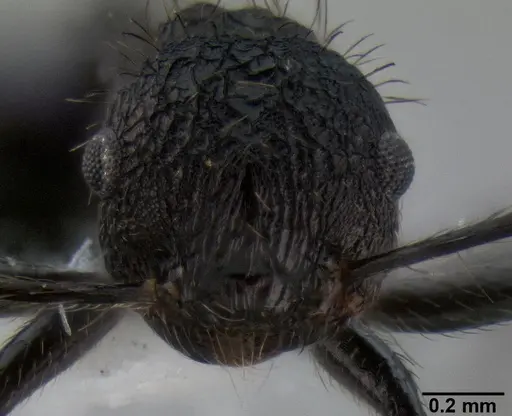
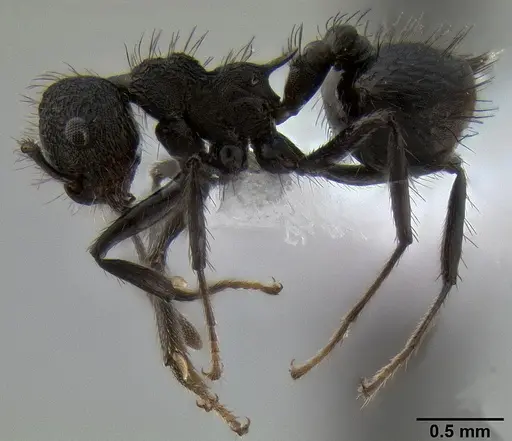
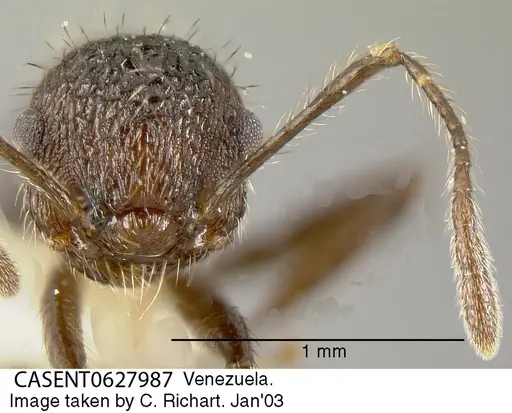
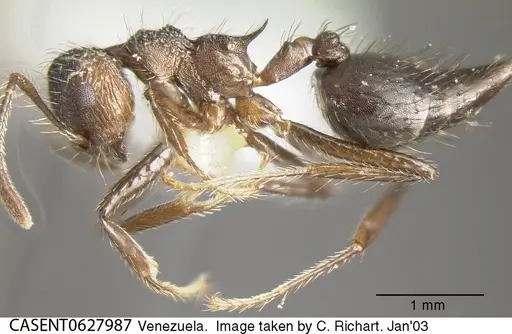
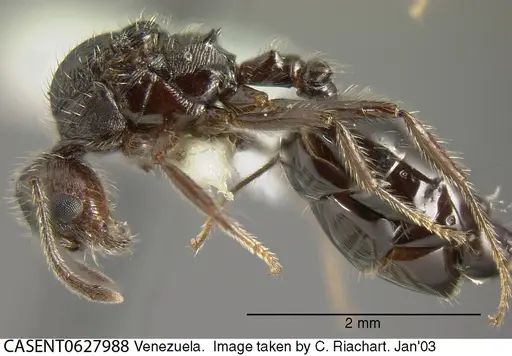
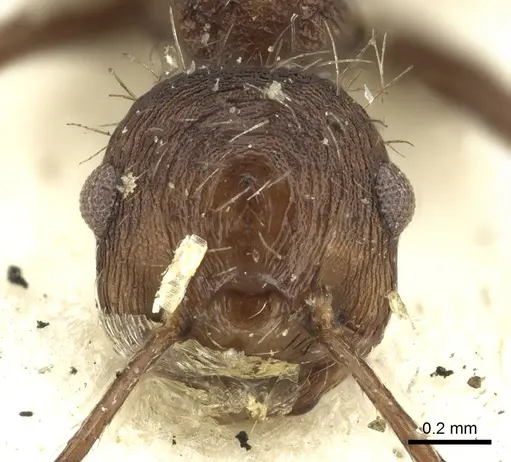
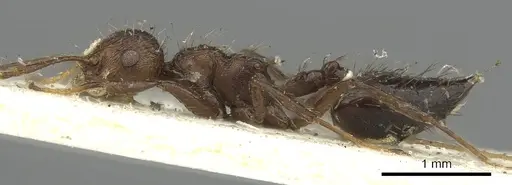
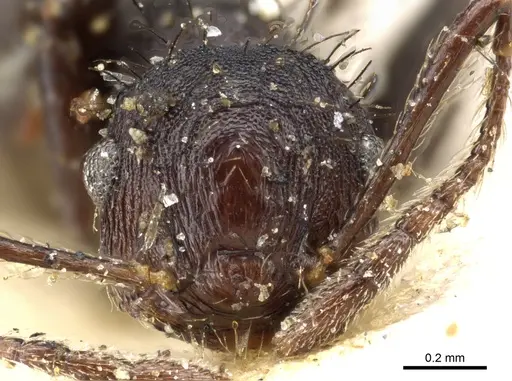
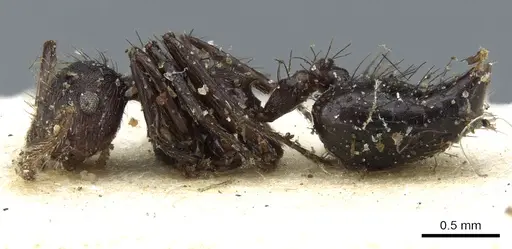
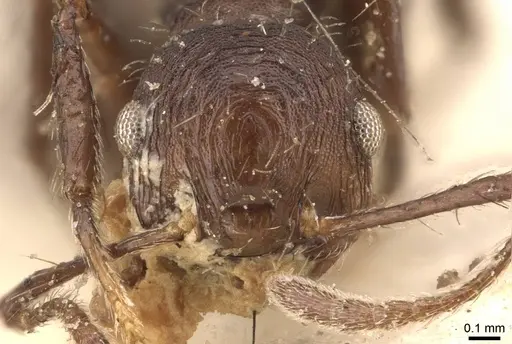
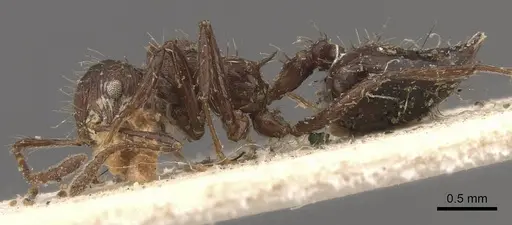
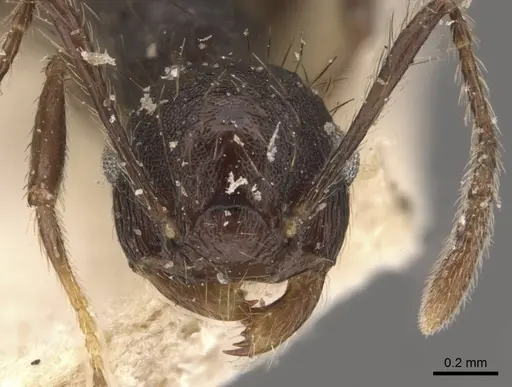
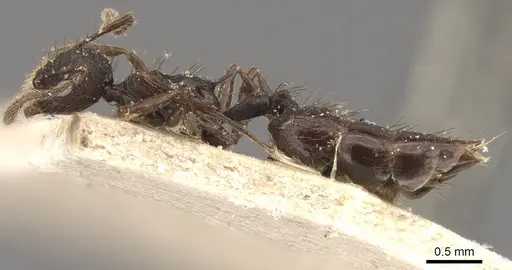
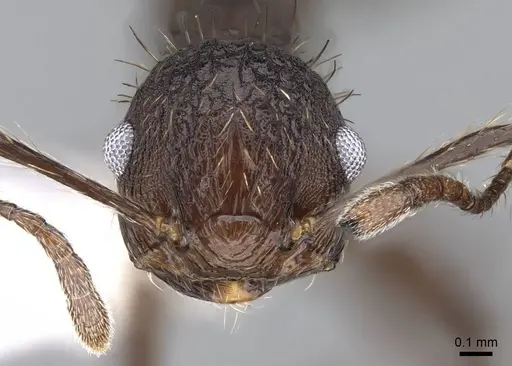
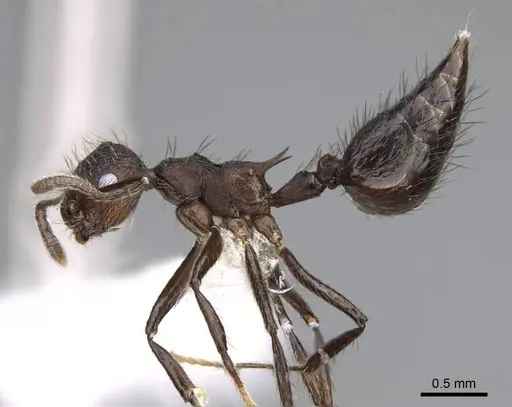
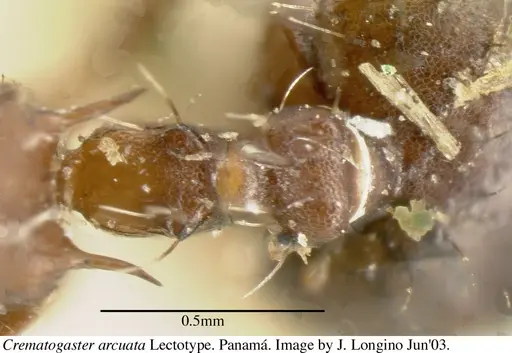
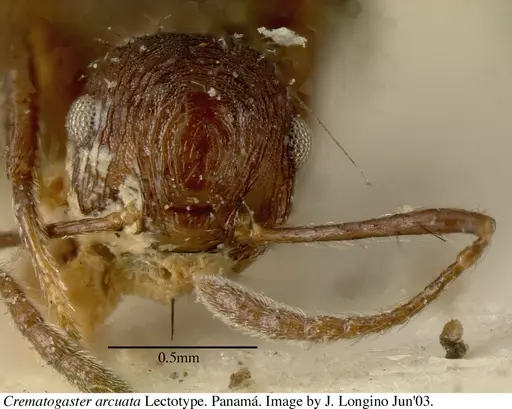
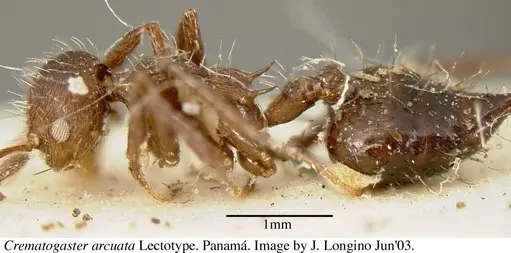
Crematogaster arcuata is a small to medium-sized ant known for its distinctive needle-like propodeal spines and ability to raise its abdomen over its head like an acrobat, giving the genus its common name. Workers measure 2.5-3.5mm with a dark red-brown to black coloration and distinctive amber to black dorsal setae. This species builds unique carton nests, papery structures made from plant fibers and ant secretions that envelop leaves and vegetation [1]. They range from Costa Rica through Colombia, Peru, and into southern Brazil and Bolivia, living in moist to wet forest habitats and cerrado at elevations from sea level to 1000m [1][2].
What makes this species stand out is its arboreal nesting habit and mutualistic relationship with plants. In the wild, workers have been observed tending Homoptera (aphids and scale insects) and visiting extrafloral nectaries, these are nectar-producing structures on plant leaves and stems that attract ants as a food source [1]. This makes them an important part of the ecosystem as both pollinators and pest controllers.
Quick Summary
- Difficulty: Medium
- Origin & Habitat: Neotropical species found from Costa Rica to southern Brazil and Bolivia, living in moist to wet forest habitats and cerrado at elevations from sea level to 1000m [1][2].
- Colony Type: Single-queen colonies (monogyne) based on typical Crematogaster colony structure. Queens are claustral, they seal themselves in to raise their first workers alone.
- Colony: Monogyne
- Founding: Claustral
- Size & Growth:
- Queen: Approximately 5-6mm, estimated from related Crematogaster species
- Worker: 2.5-3.5mm (HL 0.629-0.785mm, HW 0.661-0.867mm) [1]
- Colony: Likely several hundred workers based on typical genus patterns
- Growth: Moderate
- Development: 6-8 weeks at optimal temperature, estimated from related Crematogaster species (Development time is typical for tropical Myrmicinae, warmer temperatures within safe range will speed development)
- Antkeeping:
- Temperature: Keep at 24-28°C. These are tropical ants from lowland forests, so they need warmth. A heating cable on one side of the nest creates a temperature gradient allowing workers to self-regulate [1].
- Humidity: High humidity (60-80%). Their natural habitat is moist to wet forest, so keep the nest substrate consistently damp but not waterlogged. Mist the outworld occasionally and provide a water tube.
- Diapause: No, as a tropical species, they do not require hibernation. Keep them warm year-round.
- Nesting: In nature they build carton nests enveloping leaves and vegetation. In captivity, they do well in acrylic nests, Y-tong nests, or plaster nests with multiple chambers. The key is providing a humid environment with materials they can manipulate. Avoid test tubes for established colonies, they need more space for their carton-building behavior.
- Behavior: These ants are active foragers with a strong tendency to climb. Workers are frequently found on low vegetation in the wild, so they will readily climb vertical surfaces and explore the outworld extensively. They are not particularly aggressive toward keepers but will defend their nest if threatened. Their small size (under 4mm) means escape prevention must be excellent, use tight-fitting lids and fine mesh barriers. They have a characteristic defensive behavior where they raise their abdomen over their head like an acrobat, which is how they got their common name.
- Common Issues: escape prevention is critical due to their very small size, they can squeeze through tiny gaps, tropical humidity requirements can lead to mold issues if ventilation is poor, colonies may struggle if temperatures drop below 22°C for extended periods, wild-caught colonies may have parasites that can devastate captive colonies, their arboreal nature means they need more vertical space and climbing structures in the outworld
Nest Preferences and Setup
Crematogaster arcuata naturally builds carton nests, papery structures made from chewed plant fibers mixed with ant secretions. These nests envelop leaves and vegetation in their natural habitat. In captivity, they adapt well to acrylic nests or Y-tong nests that provide multiple connected chambers. The key is maintaining high humidity within the nest while allowing for some ventilation to prevent mold. Plaster nests can also work well since they hold moisture effectively. Avoid test tube setups for established colonies, these ants need more space and the ability to manipulate their environment. Provide some plant material or small twigs in the outworld to simulate their natural arboreal habitat. Keep the nest area humid (60-80% relative humidity) with a water source nearby. [1]
Feeding and Diet
In the wild, these ants are opportunistic foragers with a strong sweet tooth. They tend Homoptera (aphids and scale insects) for honeydew and visit extrafloral nectaries for nectar [1]. In captivity, offer a varied diet including sugar water or honey as a constant energy source. They also need protein, small insects like fruit flies, pinhead crickets, or mealworms work well. Since they're small ants, prey items should be appropriately sized. Feed protein sources 2-3 times per week and keep sugar water available at all times. They may also accept small amounts of fruit or other sweet substances. Remove uneaten prey after 24 hours to prevent mold issues.
Temperature and Seasonal Care
As a tropical species from lowland Neotropical forests, Crematogaster arcuata requires warm temperatures year-round. Keep the nest area at 24-28°C for optimal brood development. A heating cable placed on one side of the nest creates a temperature gradient that allows workers to regulate their own temperature by moving between warmer and cooler areas. Avoid temperatures below 22°C for extended periods, this can slow colony development and weaken the ants. Since they don't undergo diapause, maintain consistent warm conditions throughout the year. Room temperature within this range is acceptable, but you may need a small heating element in cooler climates or during winter. [1]
Behavior and Colony Dynamics
These ants are active and arboreal by nature, in the wild, workers are commonly found on low vegetation and in trees. They have a distinctive defensive behavior where they raise their abdomen over their head like an acrobat (hence the common name 'acrobat ant'). This posture allows them to deploy chemical defenses more effectively. Colonies grow moderately, expect several months from founding to the first batch of workers (nanitics), and several years to reach mature colony size. Queens are claustral founders that seal themselves in a chamber and survive on stored fat reserves until their first workers emerge. Workers are small but numerous and will readily explore and forage in the outworld. [1]
Escape Prevention and Handling
Due to their very small worker size (under 4mm), excellent escape prevention is essential. Use tight-fitting lids on all containers and consider applying Fluon or similar barriers to the edges of the outworld. Fine mesh is necessary for any ventilation openings, these ants can squeeze through surprisingly small gaps. When observing or working with the colony, do so in a contained area and move slowly to avoid startling them. They're not particularly aggressive but will defend their nest vigorously if threatened. Their small size also means they're sensitive to vibrations and sudden movements. Handle gently and avoid disturbing the nest unnecessarily. [1]
Growth and Development Timeline
Colony development follows typical Crematogaster patterns. After mating, a newly mated queen digs a small chamber underground and seals herself in, this is claustral founding. She lays eggs and feeds the larvae from her own body reserves until the first workers emerge. These first workers (nanitics) are typically smaller than regular workers. From founding to first workers typically takes 6-8 weeks at optimal temperature (24-28°C). After workers emerge, the colony enters a growth phase where the queen continues laying eggs and workers take over foraging and nest maintenance. A mature colony may contain several hundred workers and can live for many years with a healthy queen.
Frequently Asked Questions
How long does it take for Crematogaster arcuata to produce first workers?
At optimal temperature (24-28°C), expect 6-8 weeks from egg to first worker. This is typical for tropical Crematogaster species. Cooler temperatures will slow development significantly.
What do Crematogaster arcuata ants eat?
They need a balanced diet of sugar and protein. Offer sugar water or honey constantly, and protein (small insects like fruit flies, pinhead crickets, or mealworms) 2-3 times per week. They also visit extrafloral nectaries in the wild, so they have a sweet tooth.
Do Crematogaster arcuata ants need hibernation?
No, they are tropical ants and do not require hibernation. Keep them warm year-round at 24-28°C. They are active throughout the year in their natural habitat.
What size colony do Crematogaster arcuata reach?
Based on typical genus patterns, colonies likely reach several hundred workers. They are not among the largest Crematogaster species but can still become substantial colonies over several years.
Can I keep multiple Crematogaster arcuata queens together?
This species is monogyne, single-queen colonies. Combining unrelated queens is not recommended as they will likely fight. Only one queen should be kept per colony.
What type of nest is best for Crematogaster arcuata?
Acrylic nests, Y-tong nests, or plaster nests work well. They naturally build carton nests, so they do well in setups that allow for humidity control. Avoid test tubes for established colonies, they need more space and multiple chambers.
Do Crematogaster arcuata ants sting?
They are small ants and while they have a stinger, it's generally too small to penetrate human skin effectively. Their main defense is the acrobat posture, raising the abdomen over the head to apply chemical defenses. They are not considered dangerous to humans.
Are Crematogaster arcuata good for beginners?
They are rated as medium difficulty. They require warm temperatures and high humidity, which can be challenging to maintain consistently. Their small size also requires excellent escape prevention. They are rewarding to keep once you have some antkeeping experience.
Why are my Crematogaster arcuata dying?
Common causes include: temperatures below 22°C (tropical species need warmth), low humidity (they need 60-80%), poor escape prevention (they're tiny and can escape easily), or parasites from wild-caught colonies. Check your temperature and humidity levels first, then review your escape prevention measures.
When should I move my colony to a formicarium?
Move to a larger nest (formicarium) when the colony reaches around 50-100 workers and the test tube or founding setup becomes crowded. They do well in acrylic or plaster nests with multiple chambers. Make sure the new nest is humid and offers appropriate chamber sizes.
Do Crematogaster arcuata need special lighting?
No special lighting is required. They prefer dimmer conditions similar to their forest floor habitat. Avoid direct sunlight on the nest, which can cause overheating and drying. Normal room lighting is sufficient.
References

This caresheet is licensed under CC BY-SA 4.0 .
CASENT0193084
View on AntWeb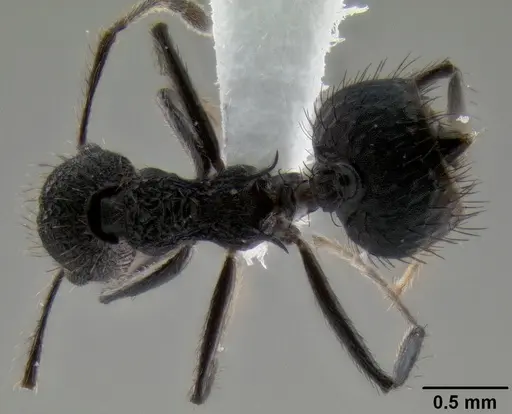
CASENT0627987
View on AntWeb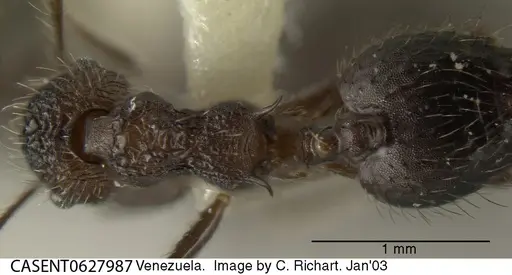
CASENT0627988
View on AntWeb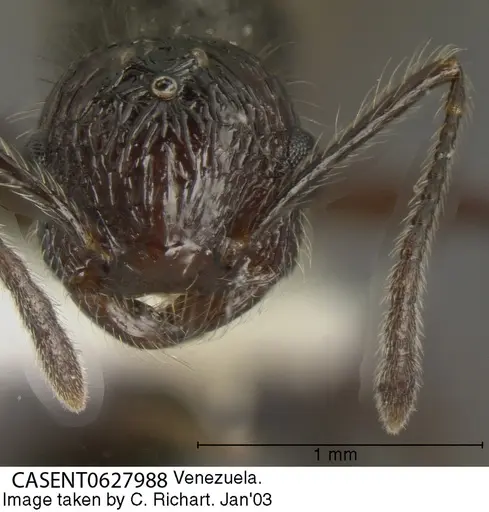
CASENT0902147
View on AntWeb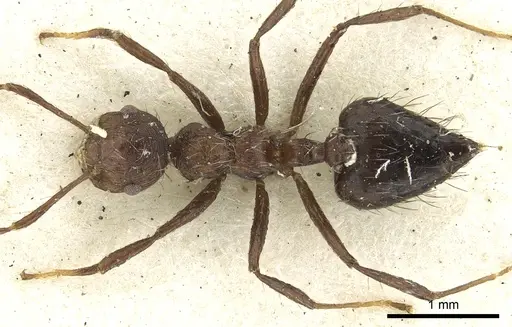
CASENT0904521
View on AntWeb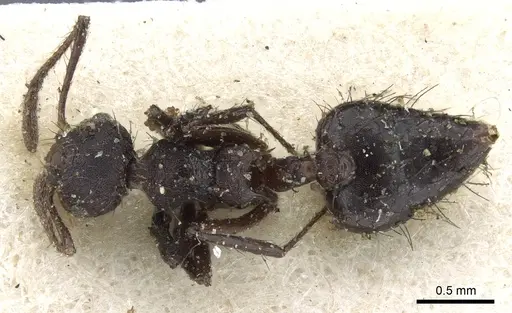
CASENT0908388
View on AntWeb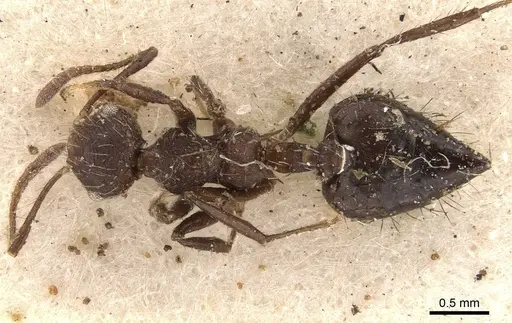
CASENT0908389
View on AntWeb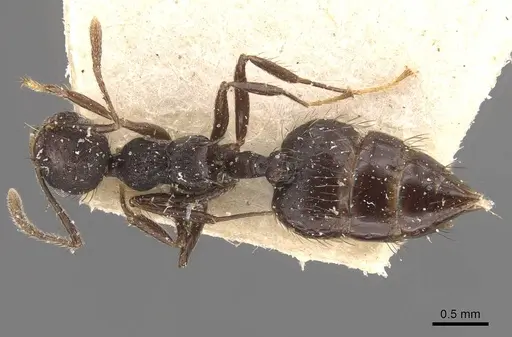
CASENT0914549
View on AntWeb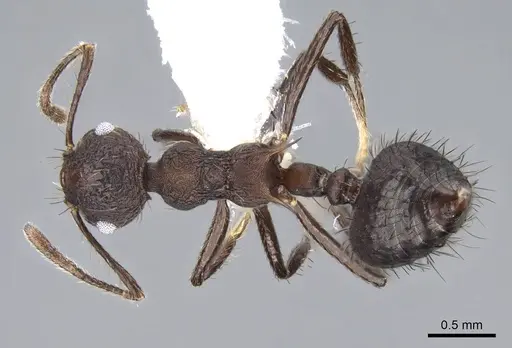
JTL669614
View on AntWeb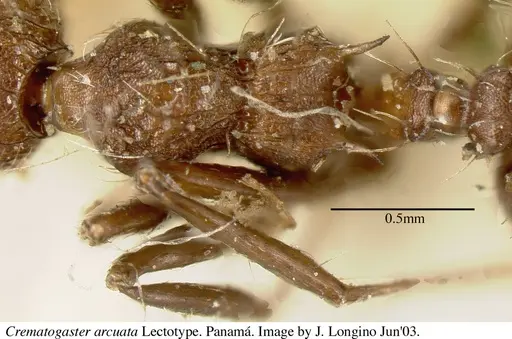
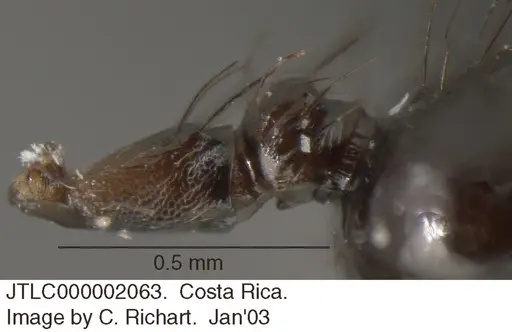
JTLC000002063
View on AntWeb
Literature
Loading...Loading products...