

Crematogaster anthracina
- Scientific Name
- Crematogaster anthracina
- Tribe
- Crematogastrini
- Subfamily
- Myrmicinae
- Author
- Smith, 1857
- Distribution
- Found in 1 countries
Crematogaster anthracina Overview
Crematogaster anthracina is an ant species of the genus Crematogaster. It is primarily documented in 1 countries , including India. Detailed taxonomic data and occurrence records can be further explored via authoritative databases such as AntWeb or the Global Biodiversity Information Facility (GBIF).
Crematogaster anthracina
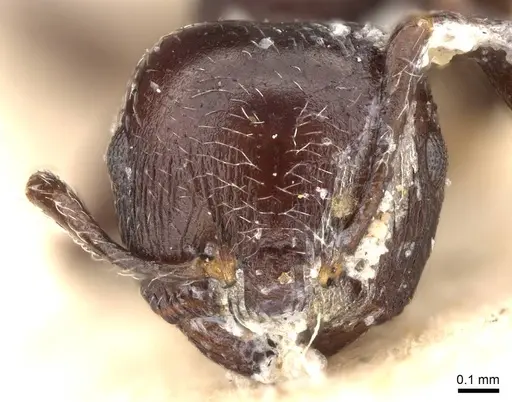
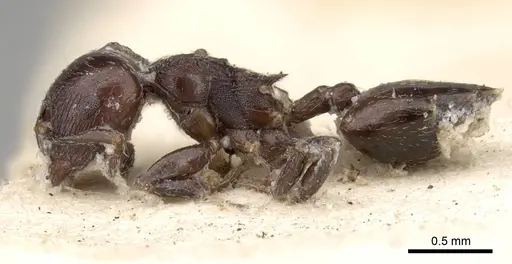
Crematogaster anthracina is a small, glossy ant species native to South and Southeast Asia. Workers measure 3.5-4mm and range from reddish-brown to nearly black in color, with a smooth, polished appearance that gives them a distinctive shine [1]. Their most recognizable feature is the heart-shaped gaster (the rear body segment) that they can raise like a tail when threatened, this is where their common name 'acrobat ant' comes from. These ants have relatively short antennae and distinctive metanotal spines on their thorax. They inhabit forest edges and grassland areas across their range, typically foraging on trees like teak and sal, as well as on the ground [2][3]. This species is part of the Generalized Myrmicinae functional group and has been recorded across much of India and into China, Malaysia, Borneo, and Sri Lanka [4][5].
Quick Summary
- Difficulty: Easy
- Origin & Habitat: Native to South and Southeast Asia, found across India (Arunachal Pradesh, Assam, Karnataka, Meghalaya, Sikkim, Tamil Nadu, West Bengal and many other states), Sri Lanka, Malaysia, Borneo, Singapore, and southern China (Yunnan). Inhabits forest edges and grassland, foraging on trees like teak (Tectona grandis) and sal (Shorea robusta), and on soil. Absent from human-modified habitats [2][3]. Found up to 1000m elevation in the Himalayas [4].
- Colony Type: Colony structure is unconfirmed. Based on typical Crematogaster patterns, likely single-queen (monogyne) colonies in most cases, though some Crematogaster species can have multiple queens.
- Size & Growth:
- Queen: Estimated 6-8mm based on genus patterns
- Worker: 3.5-4mm [1]
- Colony: Estimated several hundred workers based on genus patterns
- Growth: Moderate
- Development: Estimated 6-8 weeks based on related Crematogaster species (Development time is inferred from genus patterns since specific data for this species is unavailable. Expect moderate growth rate typical of tropical Myrmicinae.)
- Antkeeping:
- Temperature: Keep at 24-28°C. This species comes from tropical and subtropical regions, so warmth is important. A heating cable on one side of the nest creates a useful gradient
- Humidity: Moderate to high humidity (60-80%). They inhabit forest and grassland areas, so keep the nest substrate slightly moist but allow some drying between waterings. Mist occasionally and provide a water tube
- Diapause: Likely minimal or no true diapause. As a tropical/subtropical species, they probably remain active year-round with slight slowing in cooler months. If your room temperature drops below 20°C in winter, reduce feeding but no formal hibernation needed
- Nesting: In nature, they nest in soil, under stones, and in rotting wood. In captivity, a Y-tong (AAC) nest, plaster nest, or naturalistic setup with soil works well. They prefer chambers with some moisture retention. Avoid completely dry setups.
- Behavior: Crematogaster anthracina is an active forager that will search for food both on the ground and up vertical surfaces. They are not particularly aggressive toward keepers but will raise their gaster and release formic acid when threatened, this is their primary defense mechanism. Workers are quick-moving and can be skittish. They have a stinger but it's small and primarily used against other insects. Escape prevention should be moderate, while not tiny, they can squeeze through small gaps, so standard barrier precautions apply. They are generalized feeders that will accept both sugar and protein sources.
- Common Issues: colonies may slow significantly if temperatures drop below 20°C, keep them warm, they raise their gaster when disturbed and may release formic acid, handle gently, their small size means they can escape through standard barriers if not careful, wild-caught colonies may harbor parasites, quarantine and observe new colonies, overfeeding can lead to mold problems in the nest
Housing and Nest Setup
Crematogaster anthracina does well in a variety of captive setups. Y-tong (AAC) nests work excellently because they provide the dark, slightly humid environment these ants prefer. Plaster nests are another good option, especially if you want to maintain consistent moisture levels. For a naturalistic approach, use a soil-filled container with some rotting wood or stones for cover. The key is providing chambers that can hold some humidity without becoming waterlogged. These ants are not picky about nest dimensions, but give them enough space for the colony to expand. A test tube setup works for founding colonies, but plan to move them to a proper nest once the first workers arrive.
Feeding and Diet
Like most Crematogaster species, C. anthracina is a generalized feeder. Offer sugar water, honey, or diluted maple syrup as a constant carbohydrate source. For protein, provide small insects like fruit flies, pinhead crickets, mealworms, or other small arthropods. They will also eat small amounts of seeds or plant matter in captivity. Feed protein 2-3 times per week, and keep sugar water available at all times. Remove uneaten prey after 24-48 hours to prevent mold. In their natural habitat, they foraged on teak and sal trees, so they likely also collect honeydew from aphids if kept in a more naturalistic setup. [2][3]
Temperature and Seasonal Care
This species comes from tropical and subtropical regions, so warmth is important for colony health. Keep the nest area at 24-28°C for optimal growth and activity. A heating cable placed on one side of the nest creates a temperature gradient that lets the ants choose their preferred spot. They can tolerate brief temperature drops but may become sluggish below 20°C. Since they come from regions with minimal seasonal temperature variation, they likely do not need a true hibernation period. In winter, simply reducing feeding and allowing the colony to slow slightly is sufficient if your room temperature naturally drops. [2][3]
Behavior and Handling
Crematogaster anthracina gets its common name from its defensive behavior, when threatened, workers raise their heart-shaped gaster high, resembling an acrobat balancing on their head. This posture allows them to spray formic acid from their venom gland at potential threats. They are not aggressive toward humans but will defend their nest vigorously. In captivity, they are active foragers that will explore both horizontal and vertical surfaces. They are not prone to biting but the formic acid spray can be irritating to eyes or broken skin. Handle gently and avoid disturbing the nest unnecessarily. Workers are quick-moving and can be skittish, so observe rather than handle directly.
Colony Growth and Development
A newly mated queen will found her colony claustrally, sealing herself in a small chamber and using stored fat reserves to survive until her first workers (nanitics) emerge. Based on typical Crematogaster development, expect the first workers to appear 6-8 weeks after the eggs are laid, depending on temperature. Colonies grow at a moderate pace, reaching several hundred workers over time. The queen is long-lived and can continue producing eggs for many years. Unlike some ant species, Crematogaster colonies do not have supercolonies, each colony maintains its own territory.
Frequently Asked Questions
How long does it take for Crematogaster anthracina to produce first workers?
Based on typical Crematogaster development, expect 6-8 weeks from egg to first worker at optimal temperature (24-28°C). This is an estimate since specific development data for this species is not available.
What do Crematogaster anthracina ants eat?
They are generalized feeders. Offer sugar water, honey, or maple syrup constantly. For protein, feed small insects like fruit flies, mealworms, or pinhead crickets 2-3 times per week.
Do Crematogaster anthracina ants sting?
They have a small stinger but primarily use formic acid spray as defense. When threatened, they raise their distinctive heart-shaped gaster and can release irritating secretions. They are not dangerous to humans.
What temperature do Crematogaster anthracina ants need?
Keep them at 24-28°C. They come from tropical/subtropical regions and need warmth. A heating cable on part of the nest can provide a gradient.
Are Crematogaster anthracina good for beginners?
Yes, this is a good beginner species. They are relatively hardy, don't require complex care, and are widely available. Their moderate size and active foraging make them interesting to watch.
How big do Crematogaster anthracina colonies get?
Based on genus patterns, colonies likely reach several hundred workers. They are not among the largest Crematogaster species but can still form substantial colonies.
Do Crematogaster anthracina need hibernation?
Probably not. As a tropical/subtropical species, they likely do not require a true diapause. Simply reduce feeding in cooler months if room temperature drops below 20°C.
Can I keep multiple Crematogaster anthracina queens together?
The colony structure is not well-documented for this species. Based on typical Crematogaster patterns, single-queen colonies are most common. Combining unrelated queens is not recommended without evidence they can coexist.
Why do Crematogaster ants raise their gaster?
This is their defensive display, they raise their heart-shaped gaster to spray formic acid at threats. It's where the common name 'acrobat ant' comes from. It's harmless to humans but can be irritating to eyes.
References

This caresheet is licensed under CC BY-SA 4.0 .
CASENT0901434
View on AntWeb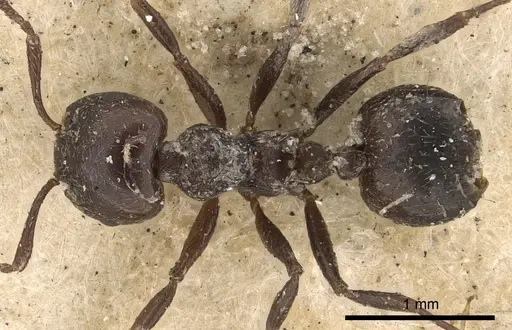
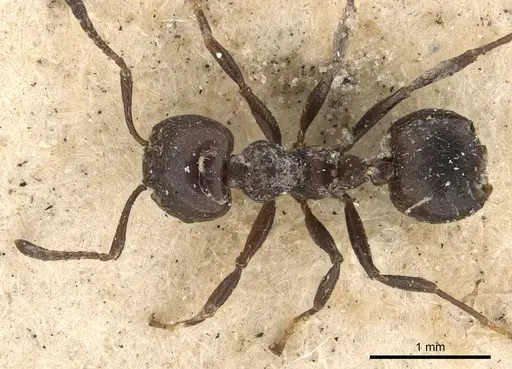
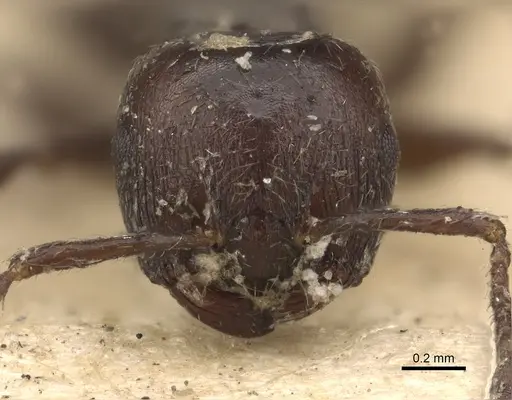
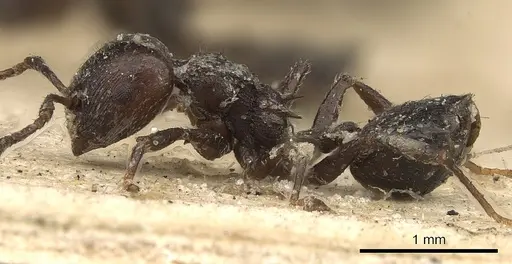
CASENT0914071
View on AntWeb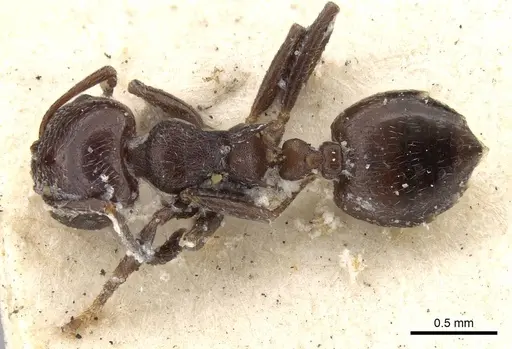
Literature
Loading...Loading products...