

Crematogaster antaris
- Scientific Name
- Crematogaster antaris
- Tribe
- Crematogastrini
- Subfamily
- Myrmicinae
- Author
- Forel, 1894
- Distribution
- Found in 5 countries
Crematogaster antaris Overview
Crematogaster antaris is an ant species of the genus Crematogaster. It is primarily documented in 5 countries , including United Arab Emirates, Algeria, Morocco. Detailed taxonomic data and occurrence records can be further explored via authoritative databases such as AntWeb or the Global Biodiversity Information Facility (GBIF).
Crematogaster antaris
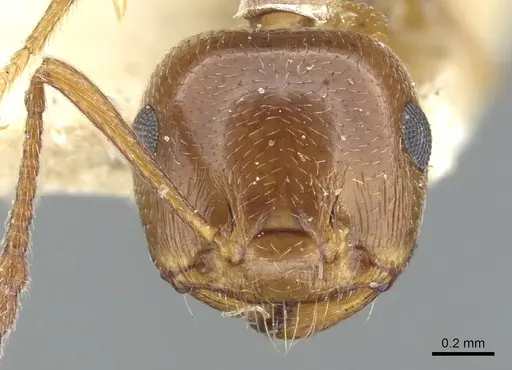
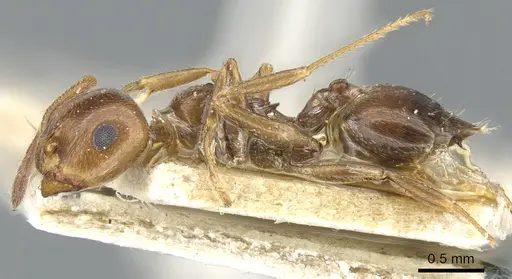
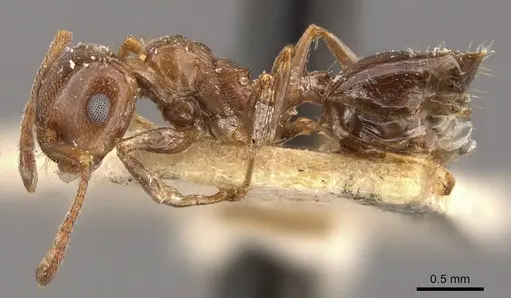
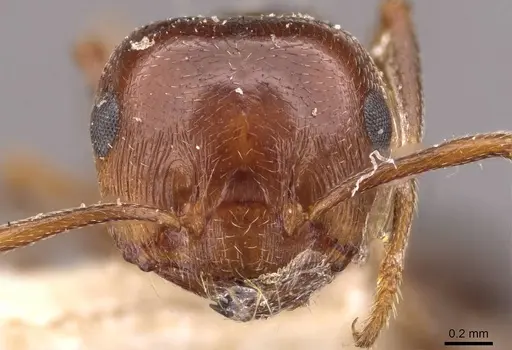
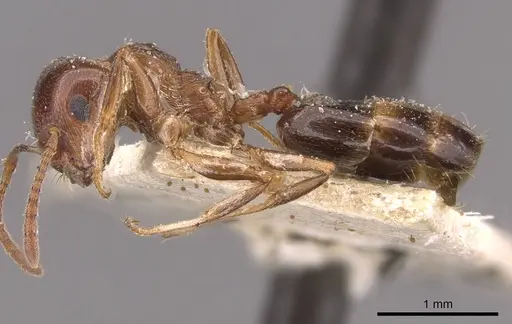
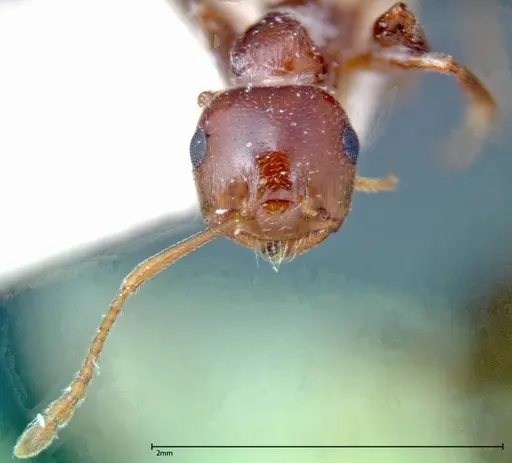
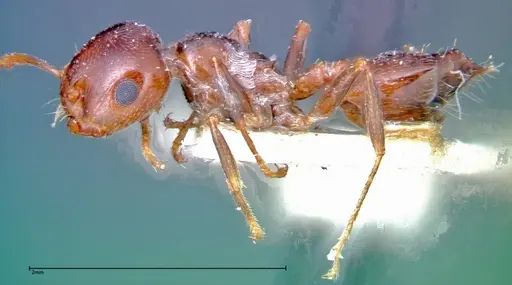
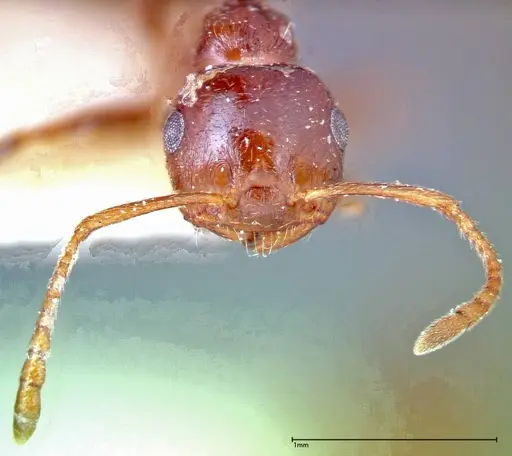
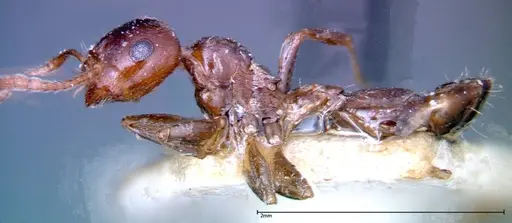
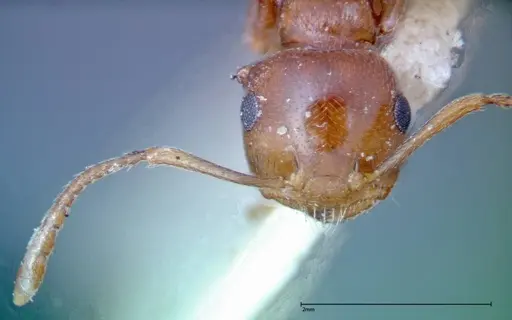
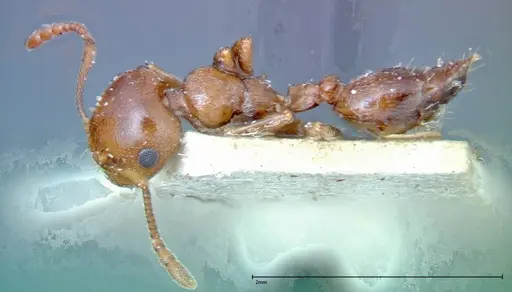
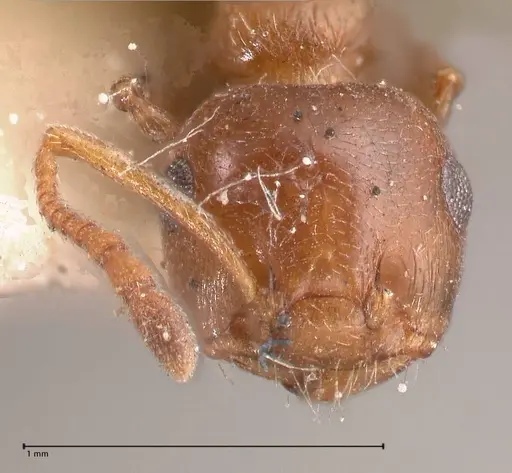
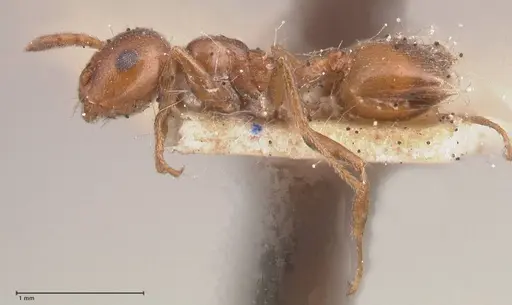
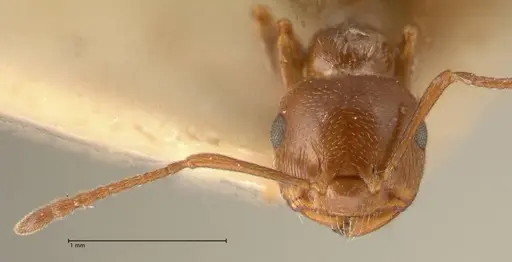
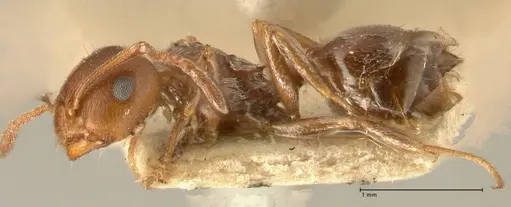
Crematogaster antaris is a small, widespread ant species native to North Africa and the Arabian Peninsula. Workers measure around 4-6mm with a distinctive brown body, the posterior third of the gaster is dark brown while the head and alitrunk are lighter brown to reddish. This species is one of the most arid-adapted within its genus, thriving in desert and semi-desert environments across Algeria, Morocco, Tunisia, Egypt, Iran, and the Middle Eastern countries [1][2]. Queens are larger than workers with a reddish head and alitrunk, and have characteristic lateral striae on the back of the head. The species is highly associated with aphids, farming them for honeydew, and also actively predates on small insects including butterfly larvae [3][4].
Quick Summary
- Difficulty: Medium
- Origin & Habitat: Desert and semi-desert regions of North Africa (Algeria, Morocco, Tunisia, Egypt) and the Arabian Peninsula (Kuwait, Oman, Qatar, Saudi Arabia, UAE, Yemen), with populations extending into Iran [1][2]. This is one of the most arid-adapted Crematogaster species, found in scree and regs (stone-covered desert areas) where it nests under stones in deep nests [5][6].
- Colony Type: Colony structure is not well documented in scientific literature. Based on typical Crematogaster behavior, colonies likely have a single queen (monogyne), though this requires confirmation for this specific species.
- Founding: Claustral
- Size & Growth:
- Queen: Larger than workers, exact measurements not specified in available literature [1]
- Worker: Head width 1.08-1.45mm based on identification measurements [1]
- Colony: Likely moderate-sized colonies based on genus patterns, but specific maximum colony size is unconfirmed
- Growth: Moderate, based on typical Crematogaster development patterns
- Development: 6-10 weeks estimated based on typical Crematogaster genus development at warm temperatures (Development time is estimated, no specific study for this species. Warmer temperatures within their range will accelerate development.)
- Antkeeping:
- Temperature: Keep at 24-30°C, reflecting their adaptation to hot desert environments. A temperature gradient allowing warmer and cooler areas is recommended. They tolerate higher temperatures than most temperate ants [1].
- Humidity: Low to moderate, this is an arid-adapted species. Keep nest substrate relatively dry, similar to their natural desert habitat. Provide a small water source but avoid damp conditions. Occasional misting is sufficient.
- Diapause: Likely minimal or no true diapause given their desert origin. However, a slight cooling period during winter months may be beneficial, reduce to around 18-20°C for 2-3 months.
- Nesting: In captivity, they do well in Y-tong (AAC) nests or plaster formicariums with dry to moderately moist conditions. Provide a deep nesting area as they prefer deep nests in the wild. A small outworld for foraging works well. Avoid overly humid conditions.
- Behavior: Crematogaster antaris is an active forager with a dual diet, they tend aphids for honeydew and hunt small insects. Workers are moderately aggressive and will defend their colony vigorously. They are known to be predatory, including preying on butterfly larvae in the wild [4]. They have a characteristic habit of raising their abdomen when disturbed, giving them the common name 'cocktail ants'. Escape prevention should be moderate, they are not extremely small but are active climbers.
- Common Issues: arid-adapted species, too much humidity can be fatal, keep conditions dry, wild-caught colonies may have parasites that need treatment, slow initial colony growth can lead to overfeeding mistakes, aphid association means sugar sources are important, don't rely solely on protein, test tube setups may be too humid, Y-tong or plaster nests work better
Housing and Nest Setup
Crematogaster antaris does well in Y-tong (acrylic) nests or plaster formicariums. The key is to provide dry to moderately humid conditions, this species is one of the most arid-adapted in the genus and will struggle if kept too damp [1][5]. In the wild, they nest under stones in deep nests, so provide a nest chamber with adequate depth. A small outworld connected by tubing allows for foraging. Test tube setups are generally too humid for this species unless you use very dry cotton. Escape prevention should be moderate, they are good climbers but not extremely small. Use standard fluon on tubing connections.
Feeding and Diet
This species has a mixed diet typical of Crematogaster, they need both sugar sources and protein. They are strongly associated with aphids in the wild, farming honeydew from Aphis craccivora, Aphis farinosa, Aphis frangulae, Chaitophorus truncates, and Myzus persicae [3]. Offer sugar water or honey water regularly as a constant food source. For protein, provide small insects like fruit flies, small mealworms, or crickets. They are also predatory, known to hunt small insects and butterfly larvae in the wild [4]. Feed protein 2-3 times per week and keep sugar water available at all times.
Temperature and Seasonal Care
Keep these ants warm at 24-30°C, reflecting their adaptation to hot desert and semi-desert environments across North Africa and the Middle East [1]. They can tolerate higher temperatures than typical temperate ants. A temperature gradient allows workers to self-regulate. During winter, a slight reduction to around 18-20°C for 2-3 months may be beneficial, but true hibernation is unlikely given their desert origin. Do not cool them dramatically or for extended periods. They are active year-round in their native range.
Behavior and Colony Dynamics
Crematogaster antaris is an active and alert species. Workers exhibit the characteristic 'cocktail ant' behavior, raising their abdomen when threatened or disturbed as a warning signal. They are moderately aggressive and will readily defend their nest. Colonies grow moderately fast once established. The species is known to be predatory, including preying on butterfly larvae like the Sinai Baton Blue [4]. In the ant-keeping hobby, they are considered active and entertaining to watch. They forage both on the ground and in low vegetation, typical of their desert habitat.
Growth and Development
Queen founding is claustral, the queen seals herself in a chamber and raises the first workers alone using stored fat reserves. Initial colony growth is relatively slow as the queen can only lay a limited number of eggs. Once the first workers (nanitics) emerge, the colony typically accelerates. Based on typical Crematogaster patterns, expect 6-10 weeks from egg to first worker at optimal temperatures. The colony will grow progressively faster as worker numbers increase. Mature colonies likely reach several hundred workers. Nuptial flights occur during warm months, typically summer.
Frequently Asked Questions
How long does it take for Crematogaster antaris to produce first workers?
Based on typical Crematogaster development, expect 6-10 weeks from egg to first worker at optimal temperatures (24-30°C). This is an estimate as no specific study exists for this species.
What do Crematogaster antaris eat?
They need a mixed diet: sugar sources (honey water or sugar water) constantly available, plus protein from small insects (fruit flies, small mealworms, crickets) offered 2-3 times weekly. They are also predatory and will hunt small prey.
Can I keep Crematogaster antaris in a test tube?
Test tubes are not ideal for this species, they prefer dry conditions and deep nests. Y-tong or plaster nests work better. If using test tubes, use very dry cotton and ensure good ventilation.
Do Crematogaster antaris need hibernation?
True hibernation is not required given their desert origin. A slight cooling to 18-20°C for 2-3 months during winter may be beneficial but is not mandatory. Avoid dramatic cooling.
Are Crematogaster antaris good for beginners?
They are rated as medium difficulty. They are more forgiving of temperature extremes than many species but require attention to humidity, keep them dry, not damp. Their dual diet needs are straightforward.
How big do Crematogaster antaris colonies get?
Specific colony size data is not available, but based on genus patterns, mature colonies likely reach several hundred workers. They are not among the largest Crematogaster species.
Do Crematogaster antaris ants sting?
Crematogaster ants can sting but their stingers are small. They primarily use their warning posture (raising the abdomen) and may bite if threatened. The pain level is minor for most people.
When should I move my colony to a formicarium?
Move to a larger nest (Y-tong or plaster) once the colony reaches 20-30 workers or outgrows the founding setup. They prefer dry conditions, so choose nest materials that don't retain moisture.
Why is my Crematogaster antaris colony dying?
The most common cause is too much humidity, this is an arid-adapted species. Ensure the nest is dry, not damp. Other issues include poor nutrition (lack of sugar sources) or temperatures too low.
Can I keep multiple Crematogaster antaris queens together?
Colony structure is not well documented for this species. It is not recommended to combine unrelated foundress queens as they will likely fight. Single-queen colonies are standard for this genus.
References

This caresheet is licensed under CC BY-SA 4.0 .
CASENT0249872
View on AntWeb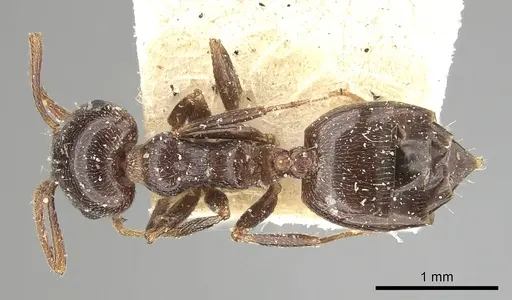
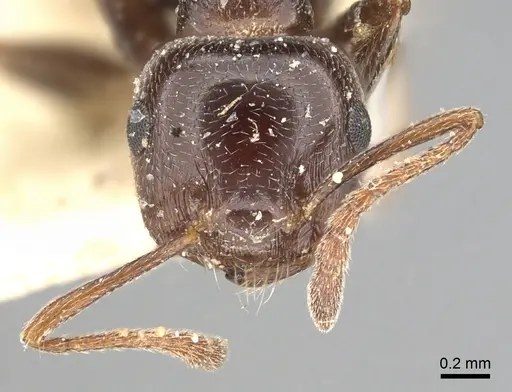
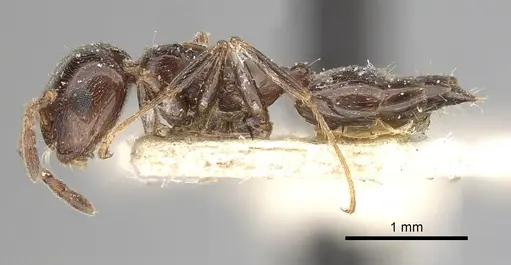
CASENT0903658
View on AntWeb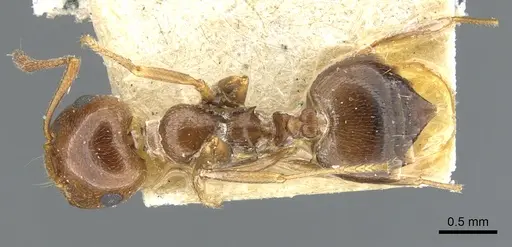
CASENT0908473
View on AntWeb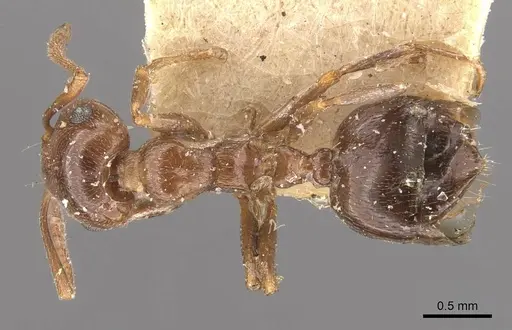
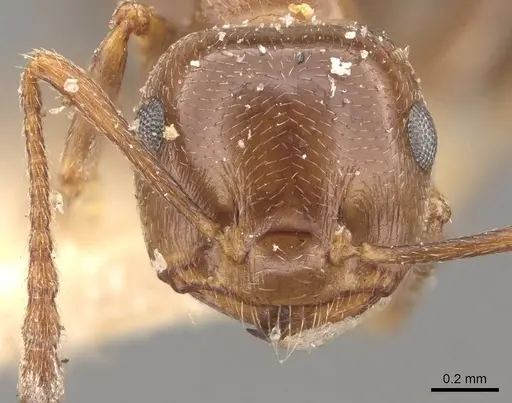
CASENT0908474
View on AntWeb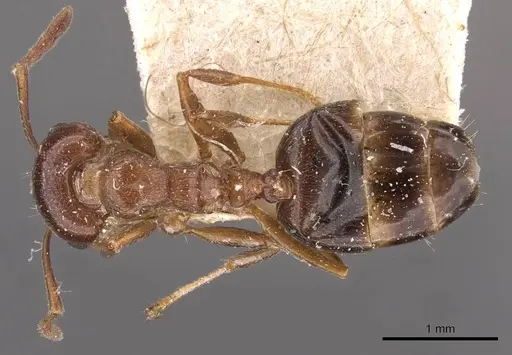
FOCOL0265-1
View on AntWeb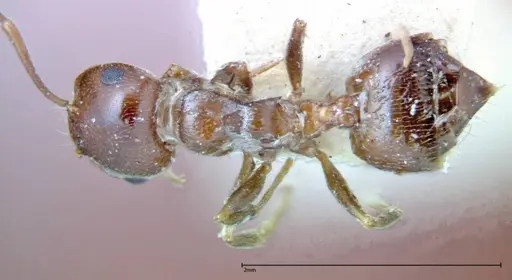
FOCOL0265-2
View on AntWeb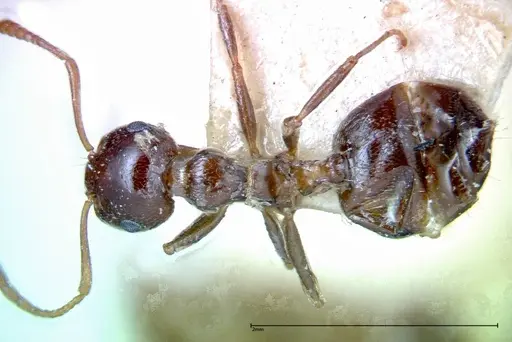
FOCOL0265-3
View on AntWeb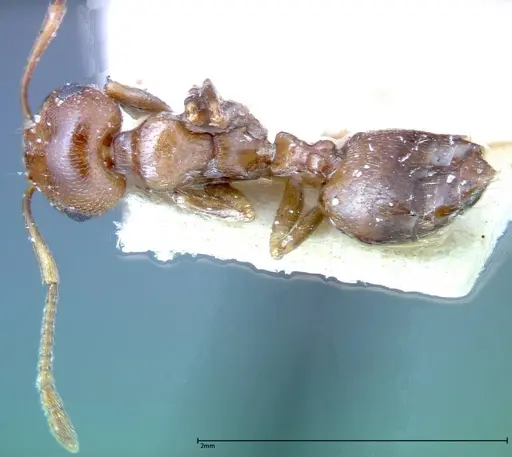
FOCOL0779-1
View on AntWeb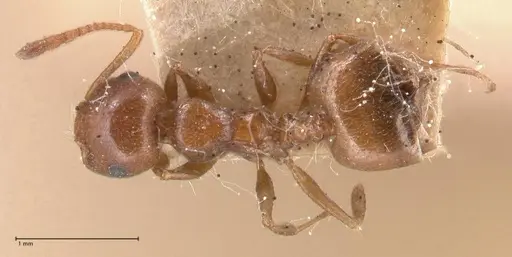
FOCOL0779-2
View on AntWeb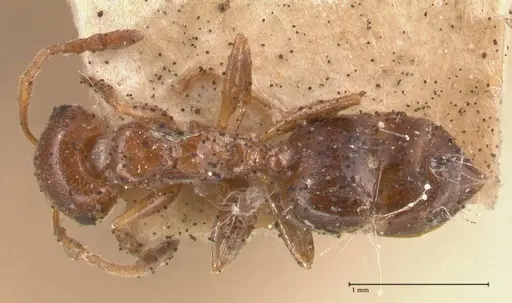
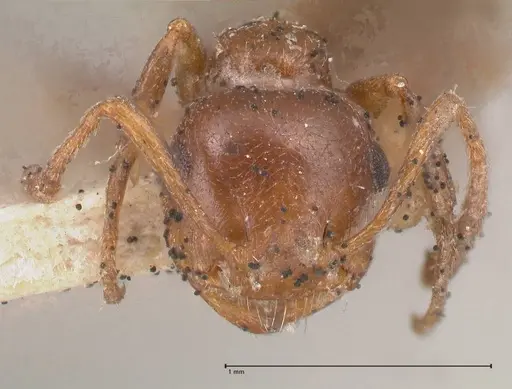
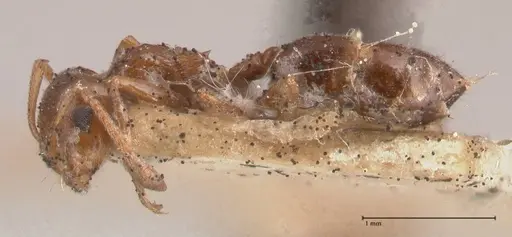
FOCOL1444
View on AntWeb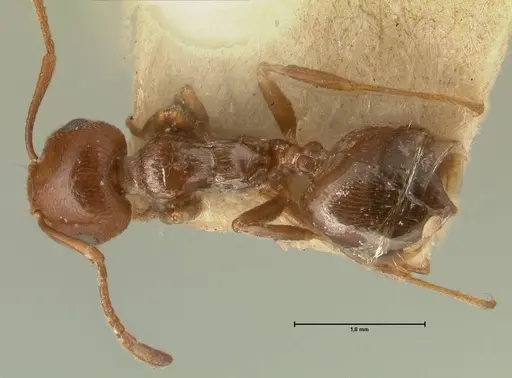
Literature
Loading...Loading products...