

Crematogaster ambigua
- Scientific Name
- Crematogaster ambigua
- Tribe
- Crematogastrini
- Subfamily
- Myrmicinae
- Author
- Santschi, 1926
- Distribution
- Found in 2 countries
Crematogaster ambigua Overview
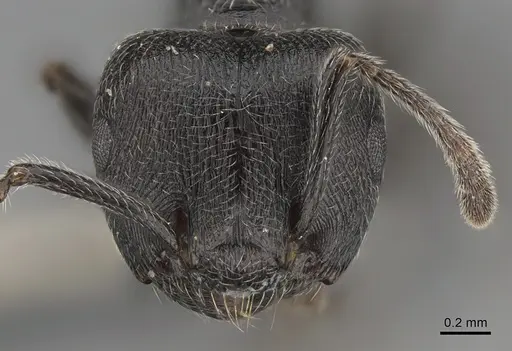
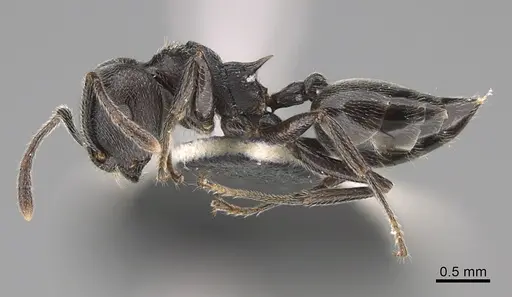
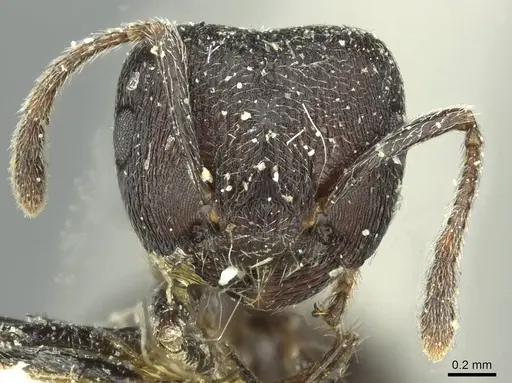
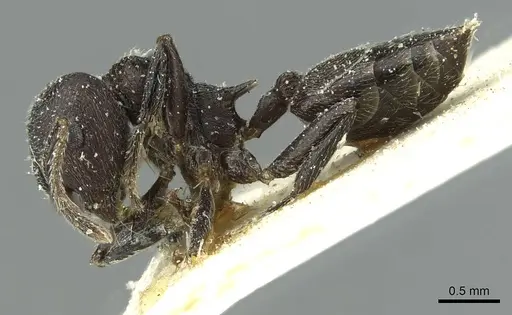
Crematogaster ambigua is an ant species of the genus Crematogaster. It is primarily documented in 2 countries , including Congo, Democratic Republic of the, Liberia. Detailed taxonomic data and occurrence records can be further explored via authoritative databases such as AntWeb or the Global Biodiversity Information Facility (GBIF).
Crematogaster ambigua
Crematogaster ambigua is a small arboreal ant species native to the Democratic Republic of Congo in central Africa. Workers are tiny ants, typically 2-4mm, with the characteristic Crematogaster body shape, a heart-shaped abdomen that they raise like an acrobat when threatened. They are known for their aggressive foraging behavior and will monopolize food baits, driving other ants away. This species nests in trees in tropical forests, making them an arboreal species that prefers elevated nesting sites. Colonies are relatively small but can be active and engaging to watch.
Quick Summary
- Difficulty: Medium
- Origin & Habitat: Democratic Republic of Congo, tropical central African forests. This species is arboreal, nesting in trees and found in forest habitats [1][2].
- Colony Type: Colony structure is not directly documented. Based on typical Crematogaster patterns, likely single-queen colonies with moderate worker counts.
- Size & Growth:
- Queen: Estimated 5-7mm based on genus patterns
- Worker: Estimated 2-4mm based on genus patterns
- Colony: Likely several hundred workers based on related arboreal Crematogaster species
- Growth: Moderate, estimated based on tropical ant development patterns
- Development: Estimated 5-8 weeks at tropical temperatures (24-28°C) based on typical Crematogaster development (Development time inferred from genus patterns, direct measurements not available for this species)
- Antkeeping:
- Temperature: Keep at 24-28°C. Tropical species requiring warm conditions. A heating cable on one side of the nest creates a suitable gradient [1].
- Humidity: High humidity (70-85%), they come from humid tropical forests. Keep the nest substrate consistently moist but not waterlogged.
- Diapause: No, being a tropical species from equatorial Africa, they do not require hibernation. Maintain warm conditions year-round.
- Nesting: Arboreal setup works best, vertical or elevated nests, or a Y-tong/plaster nest with damp conditions. They naturally nest in trees, so they prefer elevated, humid environments [1][2].
- Behavior: These ants are aggressive foragers that monopolize baits, they will actively defend food sources against other ants [2][3]. When disturbed, they raise their abdomen in a defensive display (typical Crematogaster behavior). They are active foragers and good climbers. Escape prevention is important as they are small and can squeeze through small gaps. They are not known for painful stings but will defend their nest.
- Common Issues: tropical species needs constant warmth, cold drafts can be fatal, small size means escapes are likely without fine mesh barriers, arboreal nature requires vertical space and proper humidity balance, aggressive foraging can lead to overfeeding if not monitored, high humidity can cause mold if ventilation is poor
Housing and Nest Setup
Crematogaster ambigua is an arboreal species, so your setup should reflect their natural tree-nesting behavior. A vertical nest like a Y-tong or plaster formicarium works well, they prefer having their nest elevated rather than on the ground. Keep the nest material consistently moist but not soaking wet. A water tube attached to the nest helps maintain humidity. Since they are small, ensure your outworld has good escape prevention, these ants can squeeze through surprisingly small gaps. A thin layer of substrate in the outworld is fine, but focus your attention on keeping the nest area properly humidified. Some keepers add small branches or cork bark in the outworld to give them climbing opportunities, which they appreciate since they are arboreal by nature. [1][2]
Feeding and Diet
Like most Crematogaster species, C. ambigua is a generalist feeder. They readily accept sugar sources, honey water or sugar water should be available at all times. For protein, offer small insects like fruit flies, small mealworms, or cricket pieces. Their aggressive foraging behavior means they will quickly discover and monopolize any food you provide [2][3]. Feed them small prey items 2-3 times per week, removing any uneaten food after 24 hours to prevent mold. Fresh water should always be available. Their small size means prey items should be appropriately sized, tiny insects are better than large ones.
Temperature and Humidity
Being from tropical central Africa, these ants need warm, humid conditions. Keep temperatures in the range of 24-28°C (75-82°F). A heating cable placed on one side of the nest can help maintain these temperatures, especially if your room is cooler. Place the heating on top of the nest, not underneath, to avoid evaporating the water too quickly. Humidity should be high, aim for 70-85%. The nest material should feel damp to the touch. You can achieve this with a water tube attached to the nest or by misting the substrate occasionally. Monitor for condensation, some condensation is good, but excessive moisture leads to mold. Since they are arboreal, they are used to good air circulation, so ensure some ventilation while maintaining humidity. [1]
Behavior and Colony Dynamics
Crematogaster ambigua shows typical Crematogaster behavior, they are active foragers and will raise their abdomen when threatened, giving them their 'acrobat ant' nickname. They are aggressive at food sources and will actively defend baits against other ant species [2][3]. Workers are small but determined. Colonies grow at a moderate pace. The queen is likely claustral and will seal herself in during founding, raising the first workers (nanitics) alone before the colony expands. Workers are polymorphic in many Crematogaster species, with some being larger than others, you may notice size variation in your colony. They are not particularly aggressive toward keepers but will defend their nest vigorously.
Seasonal Care
As a tropical species from equatorial Africa, Crematogaster ambigua does not require hibernation or diapause. Maintain warm, stable temperatures year-round. Seasonal changes in the wild are minimal in their native habitat near the equator. Avoid exposing them to temperatures below 20°C for extended periods. If your home experiences seasonal temperature changes, you may need to use a heating setup more heavily in winter months. Keep humidity consistent as well, dry air from heating systems can be problematic. Monitor your colony throughout the year, healthy colonies should remain active regardless of season.
Frequently Asked Questions
How long does it take for Crematogaster ambigua to produce first workers?
Based on typical Crematogaster development at tropical temperatures (24-28°C), expect first workers (nanitics) in approximately 5-8 weeks after the queen lays her first eggs. This is an estimate based on genus patterns, the exact timeline for this specific species has not been documented.
Can I keep Crematogaster ambigua in a test tube?
Yes, you can start them in a test tube setup for founding. Keep the tube humid and warm, around 24-28°C. Once the colony reaches 20-30 workers, consider moving them to a more suitable setup like a Y-tong or plaster nest that can maintain higher humidity. The test tube should have a water reservoir but not be flooded.
Do Crematogaster ambigua ants sting?
They can sting but are not considered dangerous to humans. Their small size means the sting is barely noticeable if felt at all. When threatened, they are more likely to raise their abdomen in warning or use their mandibles than to sting. They are not aggressive toward keepers but will defend their nest.
What do Crematogaster ambigua eat?
They are generalists. Provide constant access to sugar sources (honey water or sugar water) and protein 2-3 times per week in the form of small insects like fruit flies, small mealworms, or cricket pieces. They are aggressive foragers and will quickly discover and claim food sources.
Are Crematogaster ambigua good for beginners?
They are intermediate-level ants. Their tropical temperature and humidity requirements make them slightly more demanding than temperate species. If you have experience keeping other Crematogaster or tropical ants, you should do well with this species. Their small size also requires good escape prevention.
How big do Crematogaster ambigua colonies get?
Based on related arboreal Crematogaster species, colonies likely reach several hundred workers at maturity. They are not among the largest Crematogaster species but can still form substantial colonies over time.
Do Crematogaster ambigua need hibernation?
No, they do not hibernate. Being a tropical species from equatorial Africa, they need warm conditions year-round. Maintain temperatures of 24-28°C throughout the year.
When should I move my colony to a formicarium?
Move them once they outgrow their founding setup, typically when they have 20-50 workers and the founding tube is becoming crowded. A Y-tong or plaster nest works well for this arboreal species. Make sure the new setup can maintain proper humidity.
Why is my Crematogaster ambigua colony dying?
Common causes include: temperatures below 20°C (they need warmth), low humidity causing desiccation, poor escape prevention allowing escapes, or mold from over-wetting. Check your temperature and humidity levels first. Also ensure you are not overfeeding, which causes mold problems.
Can I keep multiple queens together?
This has not been documented for this specific species. Based on typical Crematogaster behavior, single-queen colonies are most common. It is not recommended to combine unrelated foundress queens as they may fight.
References

This caresheet is licensed under CC BY-SA 4.0 .
CASENT0170321
View on AntWeb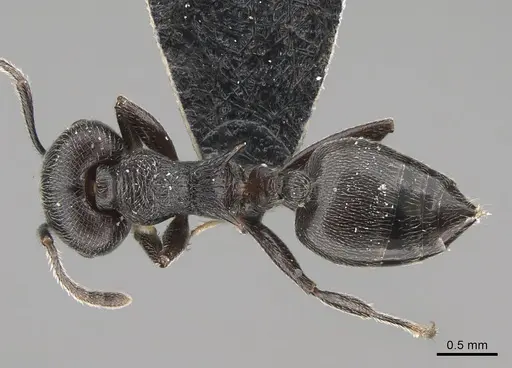
CASENT0912625
View on AntWeb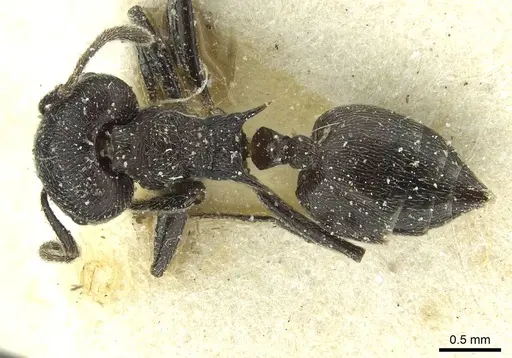
Literature
Loading...Loading products...