

Crematogaster alulai
- Scientific Name
- Crematogaster alulai
- Tribe
- Crematogastrini
- Subfamily
- Myrmicinae
- Author
- Emery, 1901
- Distribution
- Found in 1 countries
Crematogaster alulai Overview
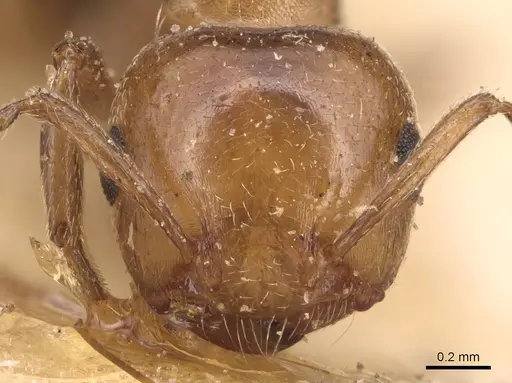
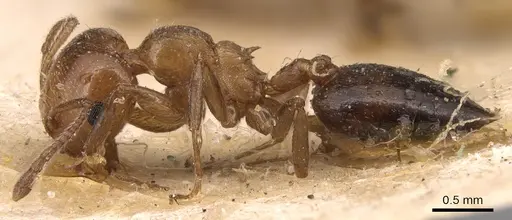
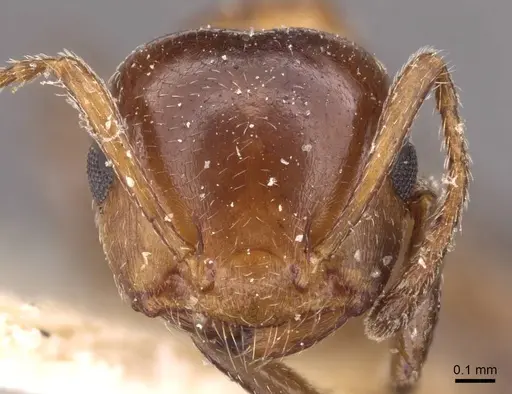
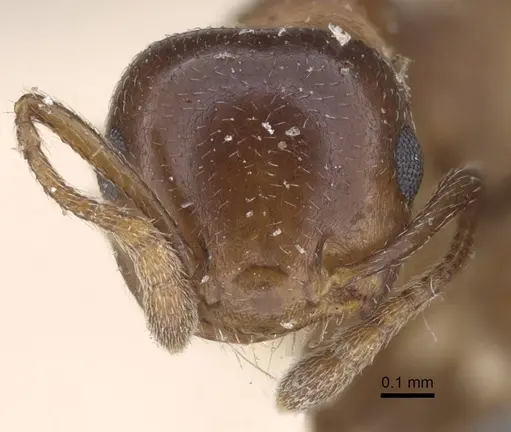
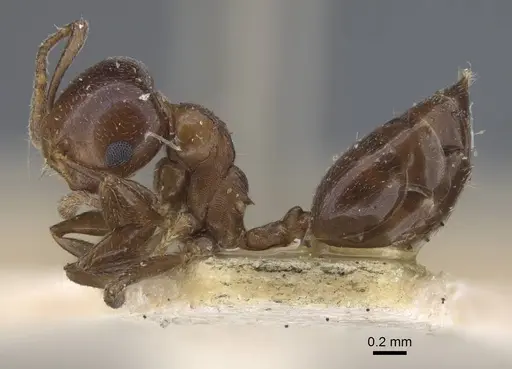
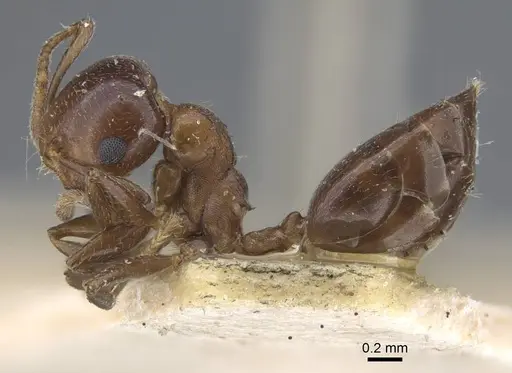
Crematogaster alulai is an ant species of the genus Crematogaster. It is primarily documented in 1 countries , including Eritrea. Detailed taxonomic data and occurrence records can be further explored via authoritative databases such as AntWeb or the Global Biodiversity Information Facility (GBIF).
Crematogaster alulai
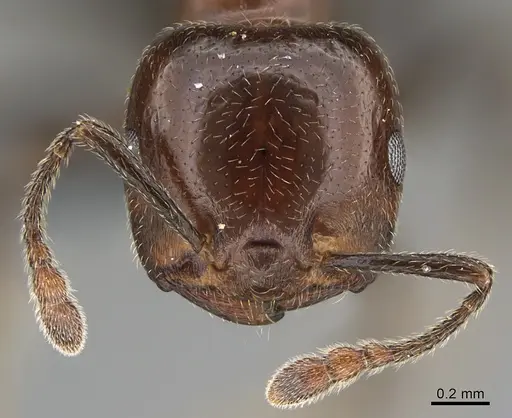
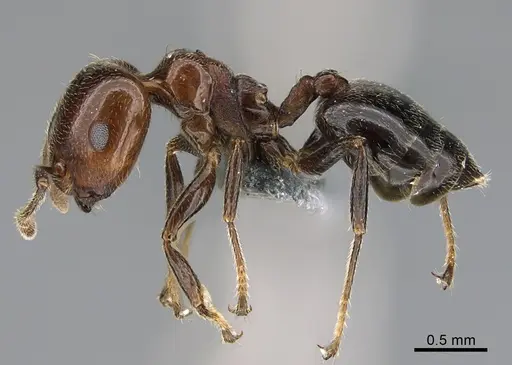
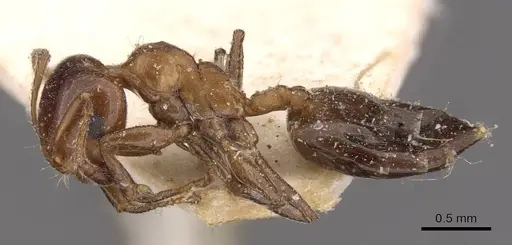
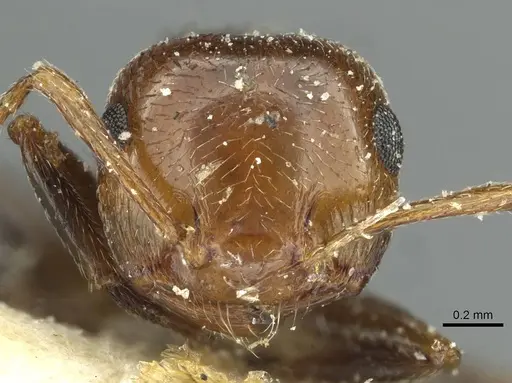
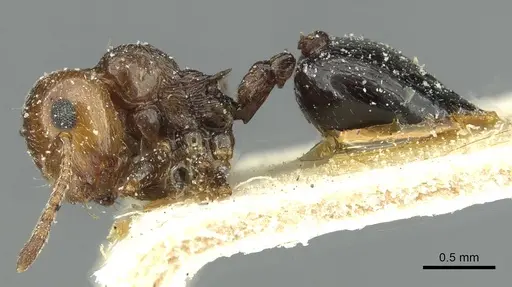
Crematogaster alulai is a small ant species native to East Africa, specifically found in Eritrea, Ethiopia, and Kenya [1]. Workers are typical of the genus, measuring around 3-5mm with the characteristic heart-shaped abdomen that they raise like an acrobat when threatened, giving them the common name 'acrobat ants'. This species was first described by Emery in 1901 from specimens collected in Ghinda, Eritrea [1]. The genus Crematogaster is known for their defensive behavior where they raise their gaster as a warning, and many species have a painful sting despite their small size.
This species has a documented association with Chrysoritis butterflies, which are myrmecophilous (ant-loving) butterflies that often live in ant nests or are tended by ants [2]. This relationship is one of the more interesting aspects of this species' natural history, though much about its specific biology remains unstudied.
Quick Summary
- Difficulty: Unknown
- Origin & Habitat: East Africa, found in Eritrea, Ethiopia, and Kenya. The type locality is Ghinda, Eritrea. Specific habitat details are not documented in available literature.
- Colony Type: Colony structure is unconfirmed. Based on typical Crematogaster patterns, they likely form colonies with a single queen (monogyne), though some related species can have multiple queens.
- Size & Growth:
- Queen: Estimated 5-7mm based on genus typical sizes [3]
- Worker: Estimated 3-5mm based on genus typical sizes [3]
- Colony: Unknown for this specific species. Related Crematogaster species typically reach hundreds to a few thousand workers.
- Growth: Unknown, estimated Moderate based on genus patterns
- Development: Unknown, estimated 6-10 weeks based on related species [3] (Development time is unconfirmed for this species. Crematogaster genus typically completes development in 6-10 weeks at warm temperatures.)
- Antkeeping:
- Temperature: Estimated 22-28°C based on East African distribution and typical Crematogaster requirements. Provide a temperature gradient allowing workers to choose their preferred zone.
- Humidity: Estimated 50-70% humidity. Crematogaster often prefer moderately humid conditions. Provide a water tube for humidity and allow the nest to dry partially between rehydrations.
- Diapause: Unknown, East African species may not require true hibernation but may have reduced activity during cooler seasons.
- Nesting: Based on typical Crematogaster nesting preferences, they likely prefer nesting in rotting wood, under bark, or in hollow stems. In captivity, a Y-tong (AAC) nest, plaster nest, or naturalistic setup with wood pieces works well. Avoid overly wet substrates as they prefer well-drained nesting sites.
- Behavior: Crematogaster alulai likely exhibits typical genus behavior: they are active foragers, can be aggressive when defending their nest, and have a functional sting. They probably recruit nestmates to food sources using chemical trails. Their small size means escape prevention is important, they can squeeze through small gaps. The characteristic acrobat defense (raising the abdomen) is likely present. They probably tend aphids and collect honeydew as a food source, typical of the genus.
- Common Issues: very limited species-specific information makes accurate care recommendations difficult, escape prevention is critical due to small size, use fine mesh and tight-fitting barriers, slow colony growth is common with poorly studied species, patience is required, wild-caught colonies may have parasites or diseases that can cause colony failure, East African species may be sensitive to temperature drops, avoid cool conditions
Species Background and Distribution
Crematogaster alulai is an East African ant species documented in Eritrea, Ethiopia, and Kenya [1]. The species was first described by Carlo Emery in 1901 from specimens collected in Ghinda, Eritrea [1]. There is also a recognized subspecies, Crematogaster alulai scrutans, described by Forel in 1910 [3].
This species belongs to the Myrmicinae subfamily and the Crematogastrini tribe [1]. The genus Crematogaster contains over 300 species worldwide and is known for their distinctive defensive behavior where workers raise their abdomen like an acrobat when threatened. This behavior, combined with their ability to sting, makes them well-defended despite their small size.
One documented ecological association is with Chrysoritis butterflies, which are known to have mutualistic relationships with various Crematogaster species [2]. Many Crematogaster species tend aphids and collect honeydew, and this species likely exhibits similar behavior given its distribution in East African habitats.
Housing and Nest Preferences
Based on typical Crematogaster nesting biology, this species likely prefers nesting in rotting wood, under loose bark, or in hollow plant stems. They are often semi-arboreal, nesting in elevated locations rather than solely on the ground. In captivity, several nest types work well for Crematogaster species.
A Y-tong (AAC) nest with narrow chambers works well for this size of ant. Plaster nests or acrylic nests also provide suitable housing. The nest should have a water chamber or tube to maintain humidity, but avoid waterlogged conditions, Crematogaster prefer their nesting area to be moderately humid but not wet. Include some wood pieces or bark in a naturalistic setup to mimic their natural preferences.
The outworld should include a water tube and allow for active foraging. Given their small size, ensure all connections between the nest and outworld are secure with appropriate barriers. [3]
Feeding and Nutrition
Crematogaster species are omnivorous and typically feed on honeydew, nectar, and small insects. They are known to tend aphids and other honeydew-producing insects, collecting the sugary secretions as a primary food source. In captivity, you should provide a varied diet.
Offer sugar water, honey, or diluted maple syrup as a constant sugar source. For protein, provide small insects like fruit flies, pinhead crickets, or mealworms. Given their small size, prey items should be appropriately sized. They likely accept most standard ant foods, though specific acceptance for this species is unconfirmed.
Feed protein 2-3 times per week, and keep sugar sources available at all times. Remove uneaten prey after 24-48 hours to prevent mold issues. [3]
Temperature and Seasonal Care
As an East African species from Eritrea, Ethiopia, and Kenya, Crematogaster alulai likely prefers warmer temperatures in the 22-28°C range. East African climates are generally warm year-round, so this species probably does not require true hibernation. However, they may have reduced activity during cooler periods.
Provide a temperature gradient in the setup so workers can choose their preferred zone. A heating cable on one side of the nest can help maintain optimal temperatures, but avoid direct heat that could dry out the nest too quickly. Room temperature in the low-to-mid 20s°C is likely suitable.
Monitor colony activity levels, if workers become less active and cluster together, the temperature may be too low. If they avoid the heated area, reduce heat. Unlike temperate species, they do not need a winter dormancy period. [3]
Behavior and Defense
Crematogaster ants are known for their distinctive defensive behavior, when threatened, workers raise their abdomen high above their head, like an acrobat performing a balancing act. This is a warning display, and they will sting if the threat persists. Their sting is functional and can be painful for such small ants.
Workers are active foragers and will recruit nestmates to food sources using chemical pheromone trails. They are generally aggressive when defending their nest and will readily attack intruders. This means they can be defensive but are not typically aggressive toward humans unless provoked.
Their small size means they can be excellent escape artists. Use fine mesh on any ventilation holes and ensure all connections are secure. Check for gaps regularly, especially as colonies grow and workers become more active. [3]
Frequently Asked Questions
How long does it take for Crematogaster alulai to produce first workers?
The egg-to-worker timeline is unconfirmed for this specific species. Based on typical Crematogaster development, expect approximately 6-10 weeks from egg to first worker at optimal temperatures. Poorly studied species often grow more slowly than expected, so patience is important.
What do Crematogaster alulai ants eat?
They are omnivorous like other Crematogaster species. Offer sugar water, honey, or maple syrup as a constant sugar source. For protein, provide small insects like fruit flies, pinhead crickets, or small mealworms. They likely also collect honeydew from aphids if available.
What temperature do Crematogaster alulai ants need?
Based on their East African distribution, aim for temperatures around 22-28°C. Provide a temperature gradient so workers can self-regulate. Room temperature in the low-to-mid 20s is likely suitable. Avoid temperatures below 20°C for extended periods.
Do Crematogaster alulai ants sting?
Yes, Crematogaster ants have a functional sting. They are capable of stinging, and while small, the sting can be noticeable. Their characteristic defensive display (raising the abdomen) serves as a warning before they resort to stinging.
How big do Crematogaster alulai colonies get?
Colony size is unconfirmed for this specific species. Related Crematogaster species typically reach hundreds to a few thousand workers. Growth rate is estimated as moderate, but poorly studied species often grow more slowly.
What type of nest should I use for Crematogaster alulai?
A Y-tong (AAC) nest with appropriately sized chambers works well. Plaster nests or naturalistic setups with rotting wood pieces are also suitable. They prefer moderately humid conditions, avoid overly wet substrates.
Do Crematogaster alulai need hibernation?
As an East African species, true hibernation is likely not required. They may have reduced activity during cooler seasons but do not need a winter dormancy period. Maintain stable warm temperatures year-round.
Is Crematogaster alulai a good species for beginners?
This species is not well-documented in antkeeping, making it difficult to recommend for beginners. The limited species-specific information means care is based on genus-level assumptions rather than established husbandry. Consider starting with more commonly kept Crematogaster species.
Why are my Crematogaster alulai dying?
Common causes include: temperature too low (keep above 20°C), humidity issues (avoid both waterlogged and overly dry conditions), stress from frequent disturbances, or parasites from wild-caught colonies. Poorly studied species are often more sensitive to suboptimal conditions.
Can I keep multiple Crematogaster alulai queens together?
Colony structure is unconfirmed for this species. Based on typical Crematogaster patterns, single-queen colonies are most common. Combining unrelated queens has not been documented and is not recommended.
References

This caresheet is licensed under CC BY-SA 4.0 .
CASENT0824841
View on AntWeb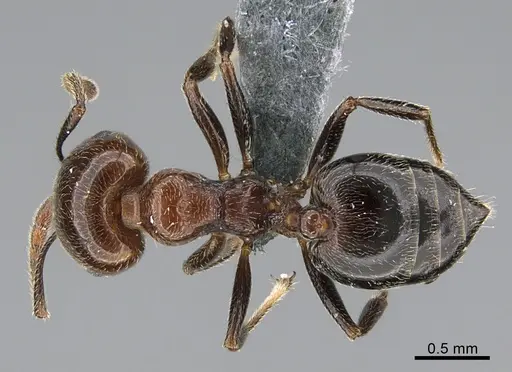
CASENT0904514
View on AntWeb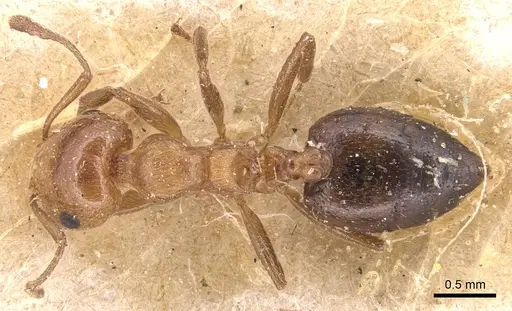
CASENT0908496
View on AntWeb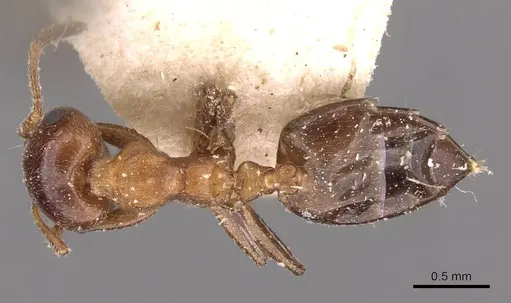
CASENT0912637
View on AntWeb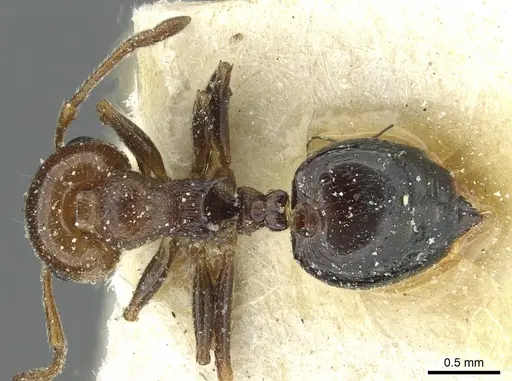
CASENT0912638
View on AntWeb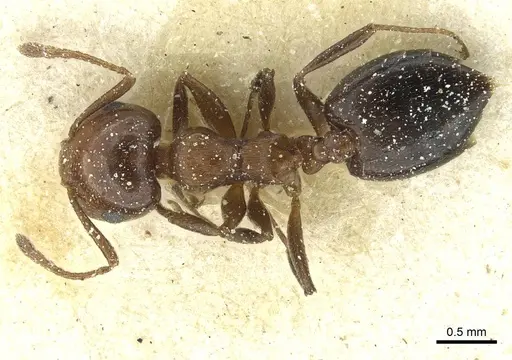
CASENT0916981
View on AntWeb
Literature
Loading...Loading products...