

Crematogaster alluaudi
- Scientific Name
- Crematogaster alluaudi
- Tribe
- Crematogastrini
- Subfamily
- Myrmicinae
- Author
- Emery, 1893
- Distribution
- Found in 1 countries
Crematogaster alluaudi Overview
Crematogaster alluaudi is an ant species of the genus Crematogaster. It is primarily documented in 1 countries , including Spain. Detailed taxonomic data and occurrence records can be further explored via authoritative databases such as AntWeb or the Global Biodiversity Information Facility (GBIF).
Crematogaster alluaudi
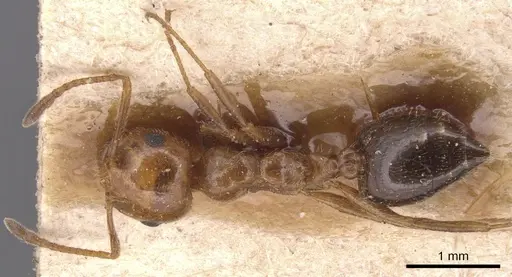
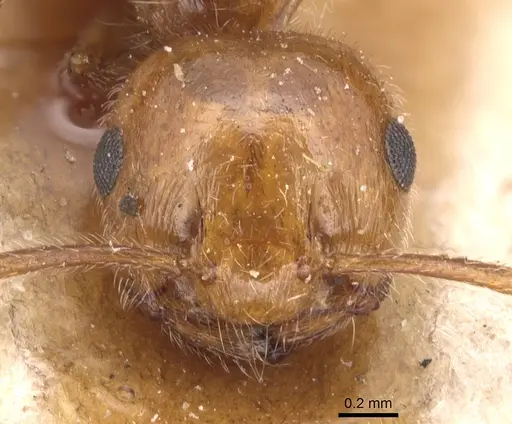
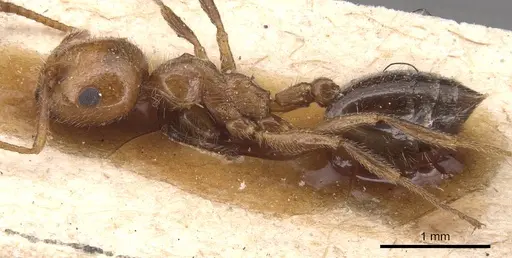
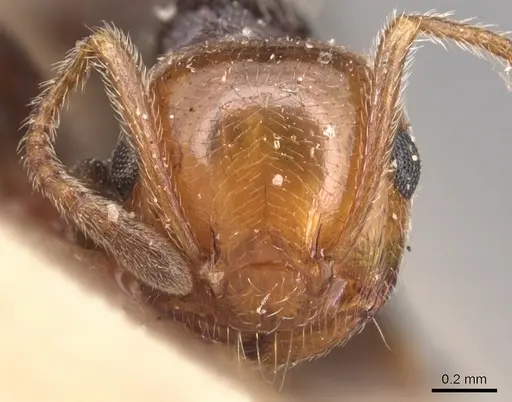
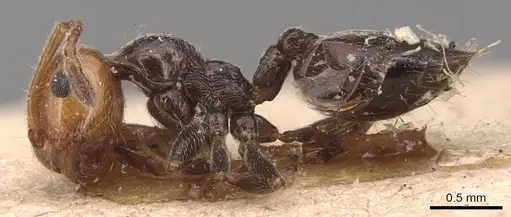
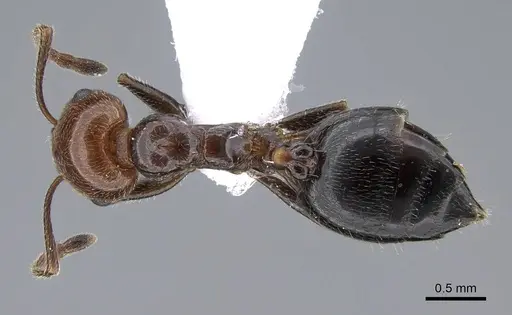
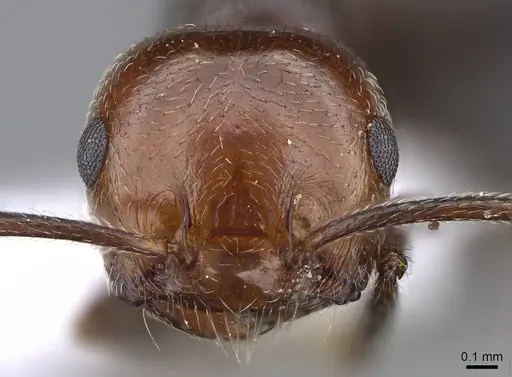
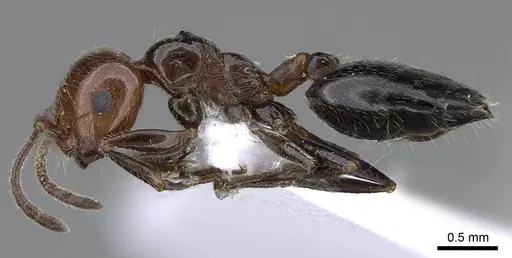
Crematogaster alluaudi is a small ant species endemic to the Canary Islands, where it inhabits the volcanic landscapes of La Palma, Tenerife, El Hierro, and nearby islands. Workers are tiny ants measuring around 2-4mm, with the characteristic Crematogaster feature of a heart-shaped gaster (abdomen) that they raise like an acrobat when threatened. Their coloration ranges from reddish-brown to dark brown, and they possess a painful bite despite their small size. This species nests in dead shrubs and vegetation across elevations from 20 to 760 meters, making them a common but often unnoticed inhabitant of the Canary Islands' scrubland ecosystems [1][2].
What makes C. alluaudi particularly interesting is their fierce defensive behavior. When their nest in dead shrubs is disturbed, workers dramatically rush out and deliver a surprisingly painful bite for such small ants. They are also occasionally caught as bycatch in an unusual way, the viscous surfaces of Aeonium plants (a type of Crassulaceae common on the islands) trap both flying and crawling insects, and researchers have found dead workers and males of this species stuck to these succulent leaves alongside other ant species [1].
Quick Summary
- Difficulty: Easy
- Origin & Habitat: Endemic to the Canary Islands (La Palma, Tenerife, El Hierro), nesting in dead shrubs and vegetation at elevations from 20-760m [1][2].
- Colony Type: Single-queen (monogyne) colonies based on typical Crematogaster patterns. Colony size likely reaches several hundred workers.
- Colony: Monogyne
- Founding: Claustral
- Size & Growth:
- Queen: Estimated 5-7mm based on typical Crematogaster genus size range
- Worker: Estimated 2-4mm based on genus morphology
- Colony: Estimated several hundred workers based on similar species
- Growth: Moderate, typical for Myrmicinae
- Development: Estimated 6-8 weeks at optimal temperature based on genus patterns (Development time inferred from typical Crematogaster development, specific data unavailable)
- Antkeeping:
- Temperature: Keep at 22-26°C. The Canary Islands have a mild subtropical climate, so these ants prefer warmer conditions but not extreme heat. A heating cable on one side of the nest creates a suitable gradient [1].
- Humidity: Moderate humidity around 50-70%. Provide a moisture gradient with a damp section and a drier area. Mist occasionally but allow the nest to dry between waterings, they naturally inhabit dry shrub vegetation [1].
- Diapause: Minimal to no diapause required. As a subtropical island species, they do not experience harsh winters. Some slowdown during cooler months may occur naturally.
- Nesting: In captivity, they do well in Y-tong (AAC), plaster, or acrylic nests. Provide narrow chambers and passages scaled to their small size. They naturally nest in dead wood and shrubs, so a setup with some woody material or bark pieces mimics their natural environment. Avoid overly humid conditions that could cause mold.
- Behavior: These ants are defensive and will bite aggressively when their nest is disturbed. They are active foragers and will recruit nestmates to food sources. Escape prevention is important due to their small size, use fine mesh and tight-fitting lids. They are primarily nocturnal or crepuscular in their foraging activity, though they will respond to disturbance at any time. Workers can climb smooth surfaces well, so barrier methods like fluon are recommended [1].
- Common Issues: escape prevention is critical due to their very small size, they can squeeze through tiny gaps, overheating can be fatal, avoid temperatures above 30°C despite their subtropical origin, colonies may be defensive and bite handlers, work carefully when observing or cleaning, mold can develop if humidity is too high, provide ventilation and allow drying periods, wild-caught colonies may have parasites or diseases from their native habitat
Nest Preferences and Setup
Crematogaster alluaudi naturally nests in dead shrubs and vegetation, making them well-suited to captive arrangements that mimic woody microhabitats. In captivity, Y-tong (AAC) nests work excellently, the narrow chambers match their small size and the acrylic allows you to observe colony activity. Plaster nests with moisture reservoirs also work well, provided you maintain moderate humidity without oversaturating. Avoid naturalistic setups with soil unless you have experience with mold management, these ants prefer drier conditions than many species. The key is providing appropriately scaled chambers: passages should be 2-4mm wide to match worker size, and chambers should be compact. They do not require large territories even at maturity. Escape prevention is critical, their small size means they can escape through gaps that larger ants cannot. Use tight-fitting lids, fine mesh on any ventilation, and consider applying fluon to the upper edges of formicarium walls [1].
Feeding and Diet
Like most Crematogaster species, C. alluaudi is an omnivore that accepts both protein and sugar sources. In captivity, offer sugar water or honey as a constant energy source, they will readily consume these and recruit workers quickly to sweet liquids. For protein, provide small insects like fruit flies, small mealworms, or cricket pieces. Given their tiny worker size, prey items should be appropriately scaled, very small pieces that workers can manage. They are active foragers and will establish foraging trails to food sources. Feed protein 2-3 times per week, and keep sugar water available at all times. Remove uneaten prey after 24-48 hours to prevent mold. In their natural habitat on the Canary Islands, they likely forage for honeydew from aphids and small insects in the shrub vegetation [1].
Temperature and Seasonal Care
As an endemic species of the Canary Islands, Crematogaster alluaudi prefers warm but not extreme conditions. Maintain temperatures between 22-26°C for optimal colony health and development. The Canary Islands have a mild subtropical climate with limited temperature variation, so these ants do not require a true hibernation period. During winter months, a slight reduction to room temperature (around 18-20°C) may cause natural slowdown but is not required. Avoid temperatures above 30°C, as this can stress or kill colonies. A heating cable placed on one side of the nest allows workers to thermoregulate by moving along the gradient. This is particularly useful during the cooler months or if your room temperature runs cold. The key is stability, avoid sudden temperature swings that can disrupt brood development [1][2].
Behavior and Handling
The most notable behavior of C. alluaudi is their aggressive defensive response when their nest is disturbed. Workers will rapidly emerge and bite, and unlike many small ants, their bite is noticeably painful due to their powerful mandibles relative to their body size. This is an important consideration for keepers, when observing or cleaning the setup, work slowly and carefully to minimize nest disturbance. In everyday observation, they are fascinating to watch, with the characteristic Crematogaster behavior of raising their abdomen when alarmed. They are active foragers and will quickly discover and recruit to food sources. Workers can climb smooth surfaces reasonably well, so barrier methods are important for containment. They are not typically aggressive toward handlers outside of nest defense, but their painful bite means caution is advised during any nest maintenance [1].
Colony Founding and Development
Crematogaster alluaudi follows the typical claustral founding pattern where the queen seals herself in a chamber and raises the first brood using her stored fat reserves. The founding chamber should be small and dark, mimicking the enclosed spaces in dead shrub stems where they naturally establish. After the first workers (nanitics) emerge, the colony will gradually expand. Growth rate is moderate, expect several months before you have a established colony with 50+ workers. Maximum colony size likely reaches several hundred workers based on similar species in the genus. The queen is relatively long-lived for a small ant species, and colonies can persist for several years with proper care. During founding, maintain warmth (around 24-26°C) and provide a quiet, dark location to minimize disturbance to the queen [1].
Frequently Asked Questions
Can I keep Crematogaster alluaudi in a test tube?
Yes, test tubes work well for founding colonies. Use a standard test tube setup with a water reservoir sealed with a cotton plug. Keep it warm and dark, and do not disturb the queen until workers emerge. Once the colony reaches 20-30 workers, consider moving to a small formicarium.
Do Crematogaster alluaudi ants sting?
They do not have a functional stinger that can penetrate human skin. However, they have a very painful bite for their size due to their powerful mandibles. When their nest is disturbed, they will bite aggressively [1].
How long until first workers appear?
Expect first workers (nanitics) to emerge around 6-8 weeks after the queen lays eggs, assuming temperatures around 24-26°C. This is an estimate based on typical Crematogaster development, as specific timing for this species has not been documented.
Are Crematogaster alluaudi good for beginners?
Yes, they are considered easy to keep. They are resilient, accept a wide variety of foods, and do not require complex temperature or humidity control. The main considerations are escape prevention due to their small size and their defensive bite when the nest is disturbed. Handle with care during maintenance.
Do they need hibernation?
No, they do not require hibernation. As a Canary Islands endemic, they are adapted to a mild subtropical climate with minimal seasonal temperature variation. Some natural slowdown during cooler months is normal, but a dedicated hibernation period is not necessary.
What do Crematogaster alluaudi eat?
They are omnivores. Offer sugar water or honey constantly for energy, and protein sources like small insects (fruit flies, small mealworms, cricket pieces) 2-3 times per week. They will readily recruit to both sweet and protein foods.
How big do colonies get?
Colonies likely reach several hundred workers based on similar Crematogaster species. They are not among the largest ant species, but they are productive and active foragers.
When should I move them to a formicarium?
Move from a test tube setup to a formicarium once the colony reaches around 20-30 workers and the test tube space becomes cramped. A small Y-tong or acrylic nest works well. They do not require large spaces even at maturity.
Can I keep multiple queens together?
Not recommended. This species is typically monogyne (single queen). Combining unrelated queens has not been documented and would likely result in fighting. Only keep one queen per colony.
Why are my ants dying?
Common causes include: temperatures above 30°C (overheating), excessive humidity causing mold, escape through small gaps, or stress from too-frequent disturbance. Check your setup parameters and ensure escape prevention is adequate for their tiny size.
References

This caresheet is licensed under CC BY-SA 4.0 .
Literature
Loading...Loading products...