

Crematogaster aegyptiaca
- Scientific Name
- Crematogaster aegyptiaca
- Tribe
- Crematogastrini
- Subfamily
- Myrmicinae
- Author
- Mayr, 1862
- Distribution
- Found in 4 countries
Crematogaster aegyptiaca Overview
Crematogaster aegyptiaca is an ant species of the genus Crematogaster. It is primarily documented in 4 countries , including United Arab Emirates, Egypt, Eritrea. Detailed taxonomic data and occurrence records can be further explored via authoritative databases such as AntWeb or the Global Biodiversity Information Facility (GBIF).
Crematogaster aegyptiaca
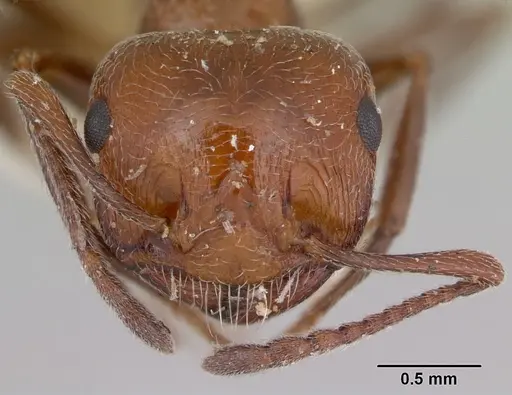
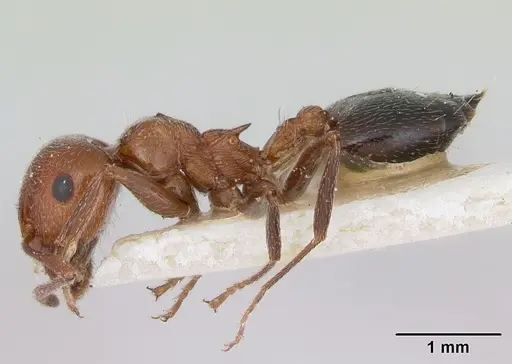
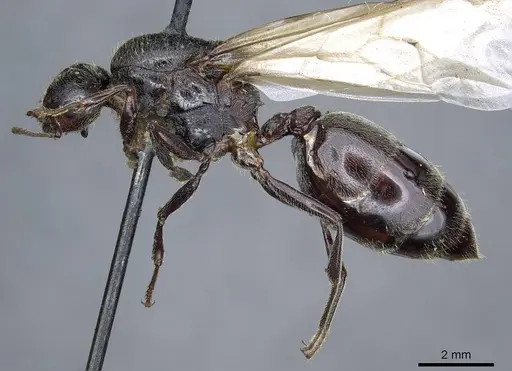
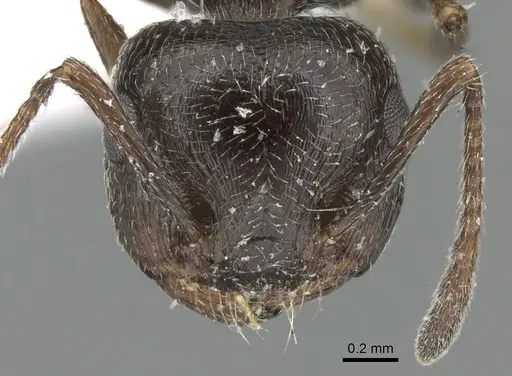
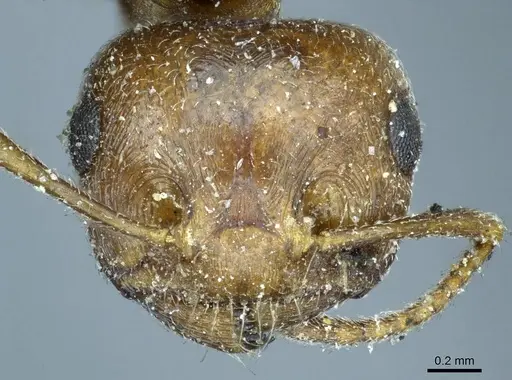
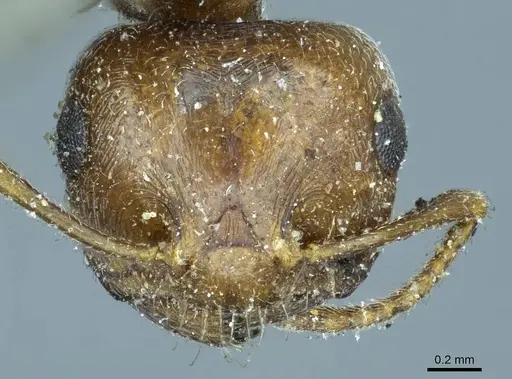
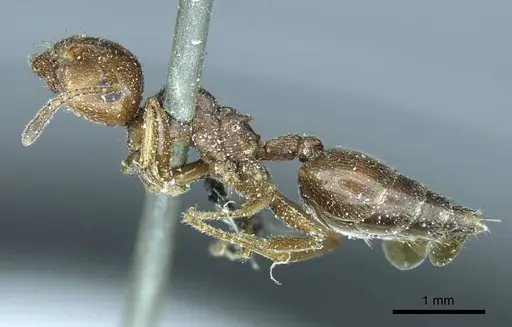
Crematogaster aegyptiaca is a small to medium-sized ant species native to North Africa and the Arabian Peninsula. Workers measure around 2-4mm and are characterized by their distinctive heart-shaped abdomen that they raise over their head when threatened, giving them the common name 'acrobat ant'. They have short, blunt propodeal spines and short antennal scapes that don't reach the posterior margin of the head. This species was originally described from Egypt and can be found across most countries of North Africa, including Algeria, Morocco, and Egypt, with populations extending into Sudan, Kenya, and the Arabian Peninsula (Saudi Arabia, Oman, UAE, and Yemen) [1]. They are a desert-adapted species that thrives in hot, dry conditions and is often found nesting under stones or in soil in arid habitats.
Quick Summary
- Difficulty: Easy
- Origin & Habitat: Native to North Africa and the Arabian Peninsula. Found in Egypt, Algeria, Morocco, Oman, Saudi Arabia, UAE, Yemen, Sudan, and Kenya. Inhabits desert and semi-arid regions, typically nesting under stones or in soil in hot, dry conditions [1][2].
- Colony Type: Likely monogyne (single queen colonies) based on typical Crematogaster genus patterns. Multiple subspecies exist (pharaonis, robusta, turkanensis) suggesting some regional variation in colony structure [1].
- Colony: Monogyne
- Founding: Claustral
- Size & Growth:
- Queen: Estimated 5-7mm based on genus patterns for Crematogaster species
- Worker: 2-4mm based on typical Crematogaster worker measurements [1]
- Colony: Likely moderate colonies, typical for Crematogaster species, possibly several hundred workers
- Growth: Moderate, based on typical Myrmicinae development patterns
- Development: Estimated 6-8 weeks at optimal temperature based on typical Crematogaster development (Development time is temperature-dependent, warmer conditions accelerate development)
- Antkeeping:
- Temperature: Keep at 24-28°C. This is a desert species from hot regions, so they tolerate warmer conditions well. Room temperature (22-26°C) is acceptable, with a slight heat gradient preferred [1].
- Humidity: Low to moderate. Provide a dry nest area with a small water tube. These desert ants prefer drier conditions, aim for 40-60% humidity in the outworld, with the nest area kept relatively dry.
- Diapause: Likely minimal or no true diapause. As a desert species from tropical/subtropical regions, they may slow down slightly in cooler months but do not require full hibernation. Keep at room temperature year-round.
- Nesting: Use a dry nest setup. Y-tong (AAC), plaster, or acrylic nests work well. Provide a small water chamber but avoid excessive moisture. They do well in formicariums with moderate humidity and good ventilation.
- Behavior: Crematogaster aegyptiaca is an active forager with typical acrobat ant defensive behavior, workers raise their abdomen over their head when threatened. They are not particularly aggressive but will defend their colony vigorously. They are good climbers and may attempt escapes, so use barrier tape or fluon on smooth surfaces. Workers are small but numerous and actively search for food. They readily accept sugar sources and small protein prey.
- Common Issues: escape prevention is critical, small workers can squeeze through tiny gaps, overwatering can kill colonies, they prefer dry conditions, colonies may be slow to establish initially, patience is needed, wild-caught colonies may have parasites that can cause issues in captivity, heating too much can dry out the nest and kill brood
Housing and Nest Setup
Crematogaster aegyptiaca does well in dry nest setups. Y-tong (AAC) nests, plaster nests, or acrylic formicariums all work well for this species. Provide a small water tube or water chamber, but avoid over-wetting the nest, these desert ants prefer drier conditions. A test tube setup works for founding colonies, but be careful not to flood the tube. Once the colony reaches 20-30 workers, you can move them to a formicarium. Ensure excellent escape prevention, these small ants can squeeze through surprisingly tiny gaps. Use fluon or barrier tape on smooth surfaces. The outworld should be warm and dry, with a small foraging area. [1]
Feeding and Diet
Like other Crematogaster species, C. aegyptiaca is omnivorous and readily accepts both sugar and protein sources. Offer sugar water, honey, or diluted syrup as a constant carbohydrate source. For protein, provide small insects like fruit flies, small crickets, or mealworms. They are active foragers and will readily collect food. Feed small amounts 2-3 times per week, removing uneaten prey after 24 hours. A varied diet helps promote colony growth. These ants are not picky eaters and will accept most standard ant foods.
Temperature and Heating
As a species from North Africa and the Arabian Peninsula, Crematogaster aegyptiaca prefers warm conditions. Keep the nest at 24-28°C for optimal brood development. Room temperature (22-26°C) is acceptable and most keepers find their colonies do well at standard room temperature. If your room is cooler, a small heating cable on one side of the nest can provide warmth. Place heating on top of the nest, not underneath, to avoid evaporating moisture too quickly. Avoid overheating, temperatures above 32°C can be harmful and dry out the nest too fast. [1]
Behavior and Temperament
Crematogaster aegyptiaca displays classic acrobat ant behavior, when threatened, workers raise their abdomen over their head like a scorpion. This is a defensive display and they may also release a chemical alarm. They are not particularly aggressive toward humans but will defend their colony vigorously. Workers are active foragers and good climbers. They establish well-defined foraging trails. Colonies are moderately fast-moving and observant keepers will enjoy watching their organized foraging behavior. They adapt well to captivity and become active foragers once established.
Colony Development
Colony growth is moderate. A newly mated queen will lay eggs after sealing herself in a claustral chamber. First workers (nanitics) will emerge in approximately 6-8 weeks under optimal warm conditions. The colony will grow gradually, with worker numbers increasing over several months to a year. Maximum colony size is likely several hundred workers for this species. Growth rate depends on temperature, feeding, and colony health. Established colonies are robust and can live for several years with proper care.
Frequently Asked Questions
How long does it take for Crematogaster aegyptiaca to produce first workers?
Expect first workers (nanitics) in about 6-8 weeks under optimal warm conditions (24-28°C). Development is temperature-dependent, cooler temperatures will slow growth.
What do Crematogaster aegyptiaca ants eat?
They are omnivorous. Offer sugar water, honey, or syrup as a constant carbohydrate source. Feed small insects like fruit flies, small crickets, or mealworms for protein 2-3 times per week.
Do Crematogaster aegyptiaca ants sting?
They may bite if handled, but they are not considered dangerous to humans. Their main defense is raising their abdomen in an acrobat display and releasing alarm chemicals.
What temperature do Crematogaster aegyptiaca ants need?
Keep them at 24-28°C. Room temperature (22-26°C) is acceptable. They are a desert species and tolerate warm conditions well.
Do Crematogaster aegyptiaca ants need hibernation?
No, they do not require true hibernation. As a desert species from tropical/subtropical regions, they may slow down slightly in cooler months but can be kept at room temperature year-round.
How big do Crematogaster aegyptiaca colonies get?
Colonies typically reach several hundred workers. Growth is moderate over several months to a year.
What humidity level do Crematogaster aegyptiaca ants need?
Keep them relatively dry, 40-60% humidity is suitable. Provide a small water tube but avoid over-wetting the nest. These desert ants prefer drier conditions.
Are Crematogaster aegyptiaca ants good for beginners?
Yes, they are considered easy to keep. They are adaptable, accept a wide variety of foods, and do well at room temperature. Their main requirements are warm, dry conditions and good escape prevention.
When should I move my Crematogaster aegyptiaca colony to a formicarium?
Move them once the colony reaches 20-30 workers. A test tube setup works for founding colonies, but they do well in formicariums once established.
Why are my Crematogaster aegyptiaca ants dying?
Common causes include overwatering (they prefer dry conditions), temperatures that are too cool, or escapes due to poor barrier prevention. Check that the nest is not too wet and that escape prevention is adequate.
References

This caresheet is licensed under CC BY-SA 4.0 .
CASENT0172823
View on AntWeb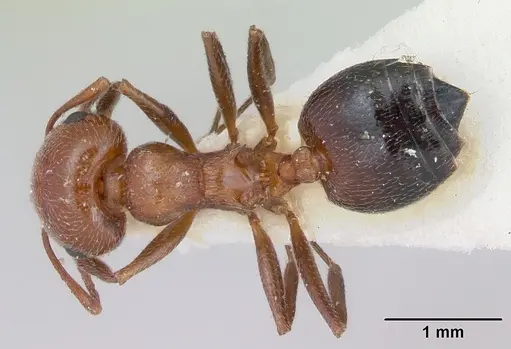
CASENT0264800
View on AntWeb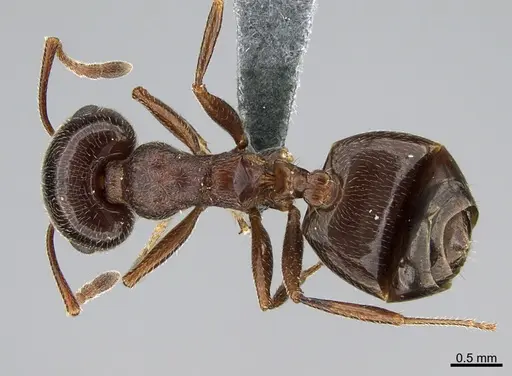
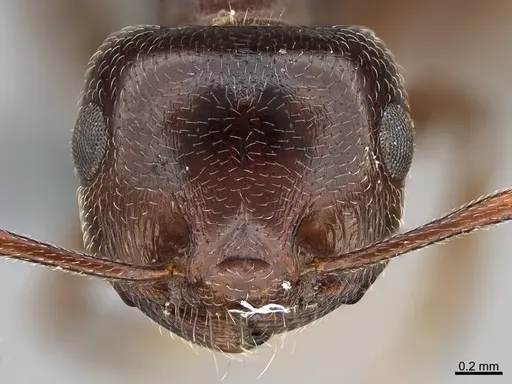
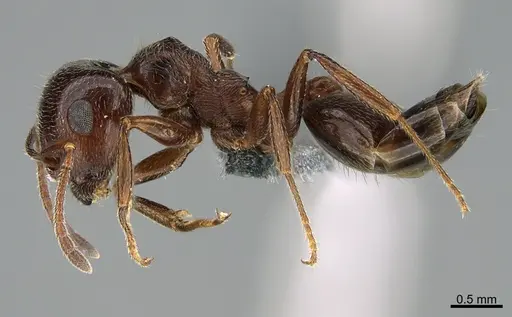
CASENT0905760
View on AntWeb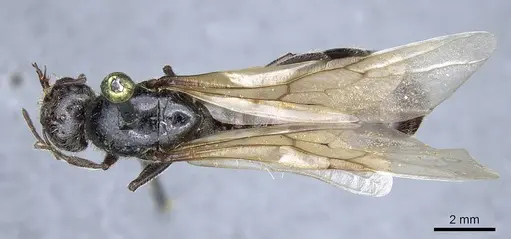
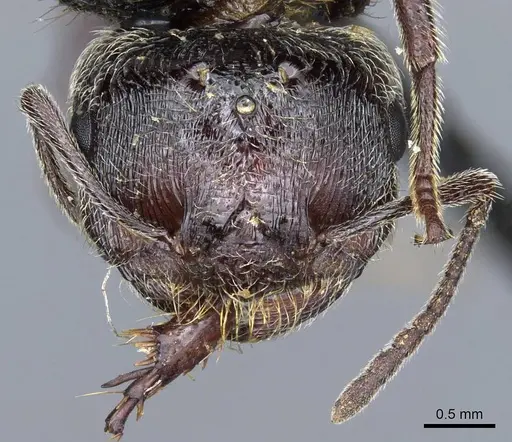
CASENT0906375
View on AntWeb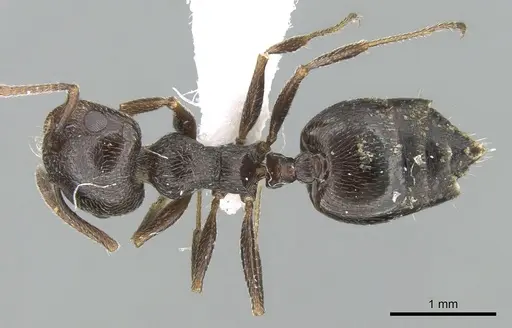
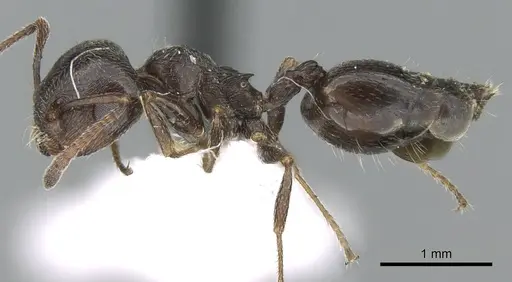
CASENT0912635
View on AntWeb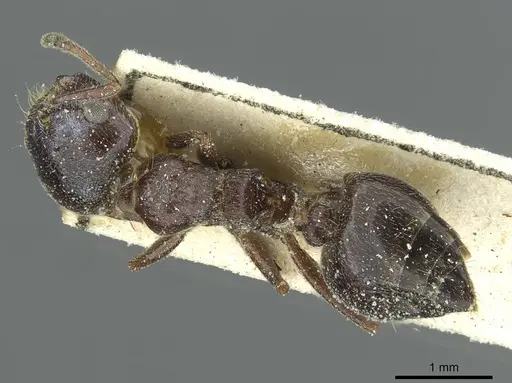
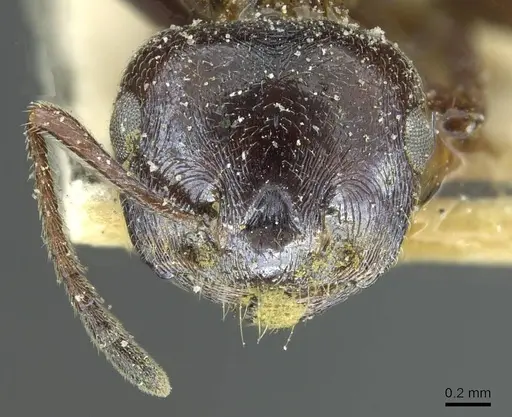
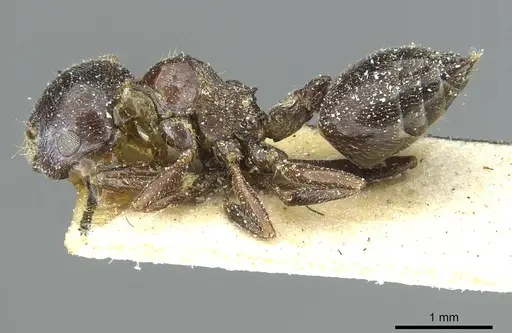
CASENT0912636
View on AntWeb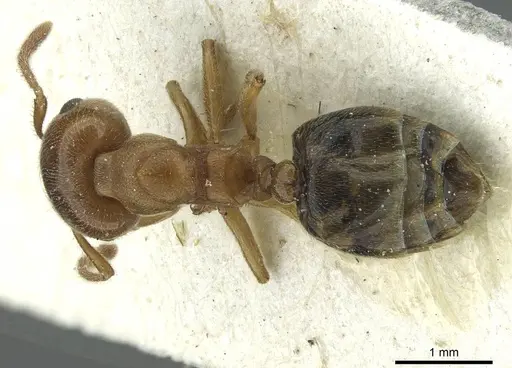
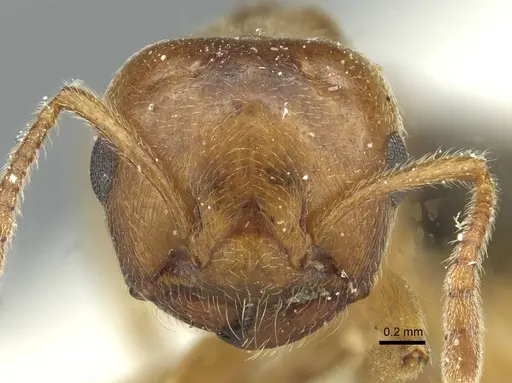
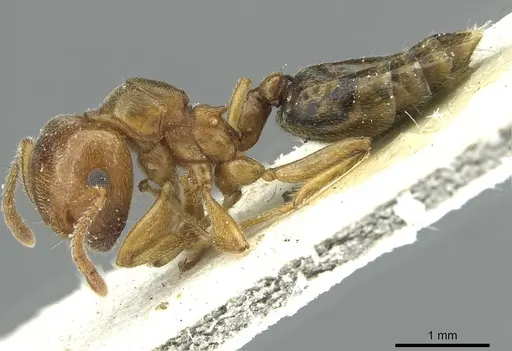
CASENT0916082
View on AntWeb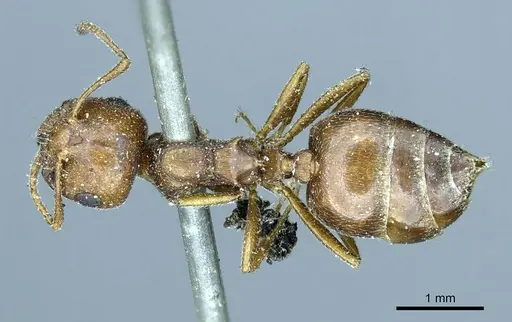
Literature
Loading...Loading products...