

Crematogaster acuta
- Scientific Name
- Crematogaster acuta
- Subgenus
- Orthocrema
- Tribe
- Crematogastrini
- Subfamily
- Myrmicinae
- Author
- Fabricius, 1804
- Distribution
- Found in 11 countries
Crematogaster acuta Overview
Crematogaster acuta is an ant species of the genus Crematogaster. It is primarily documented in 11 countries , including Bolivia, Plurinational State of, Brazil. Detailed taxonomic data and occurrence records can be further explored via authoritative databases such as AntWeb or the Global Biodiversity Information Facility (GBIF).
Crematogaster acuta
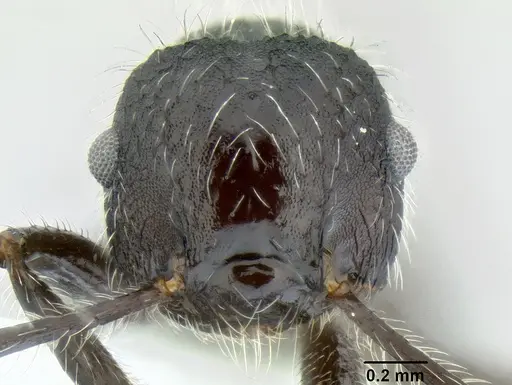
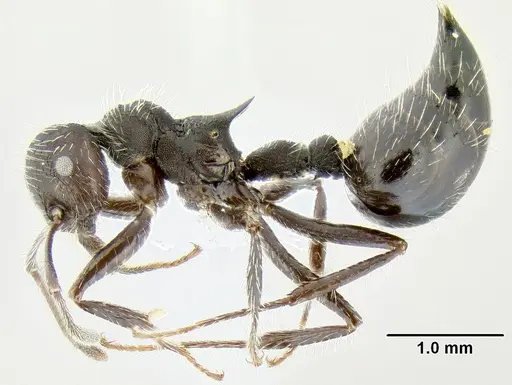
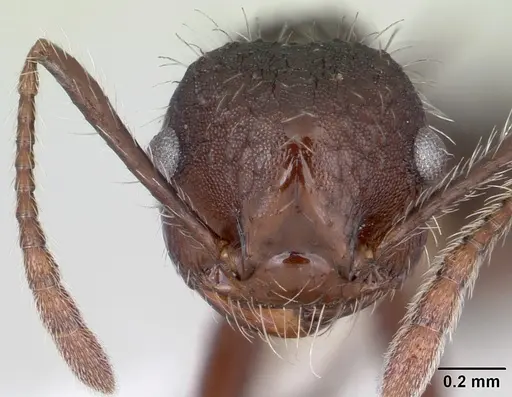
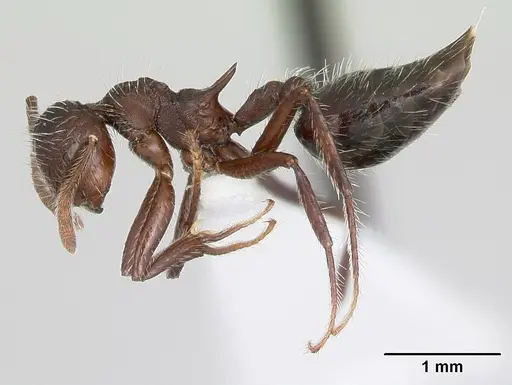
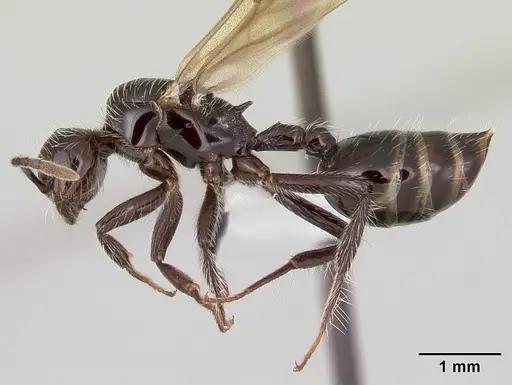
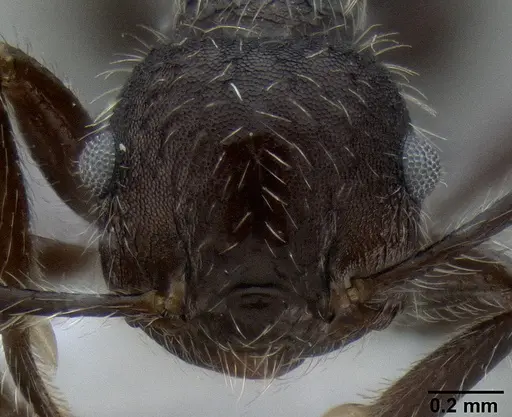
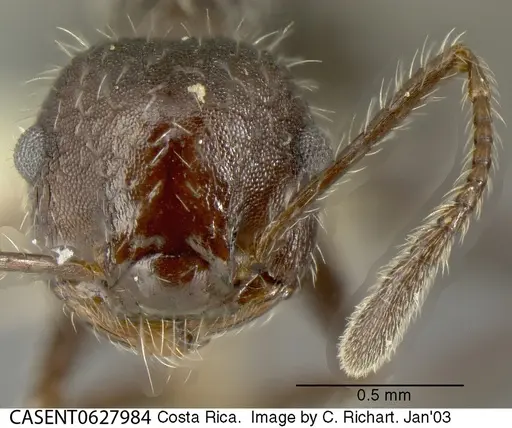
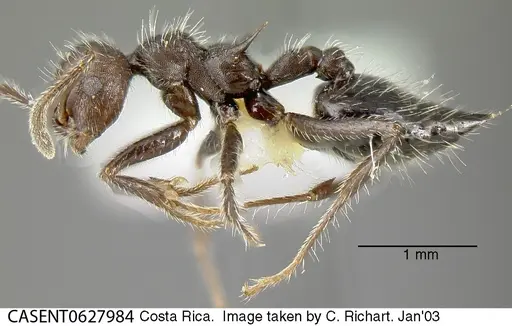
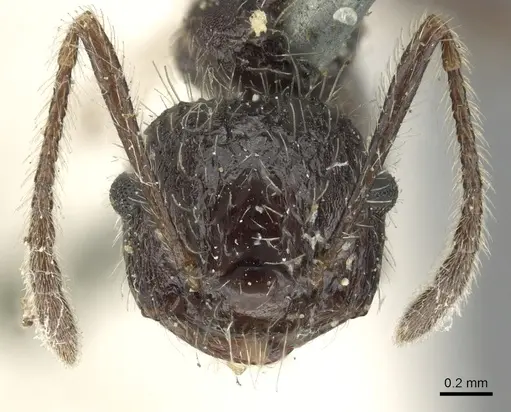
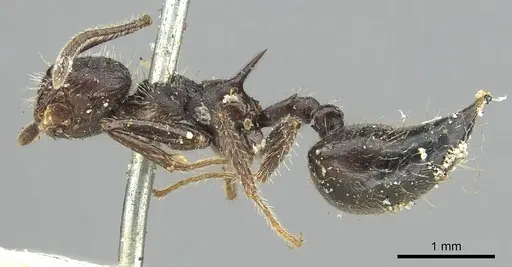
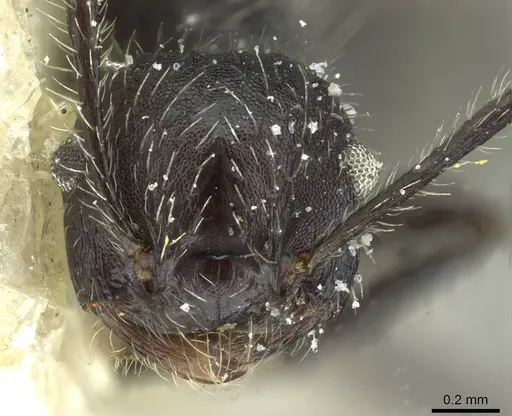
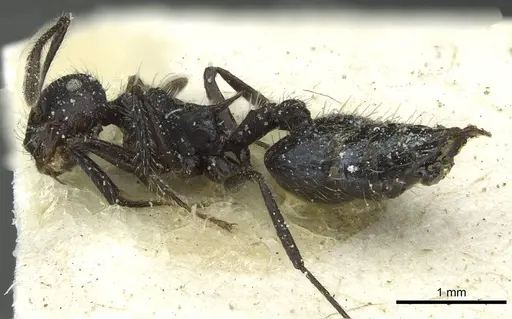
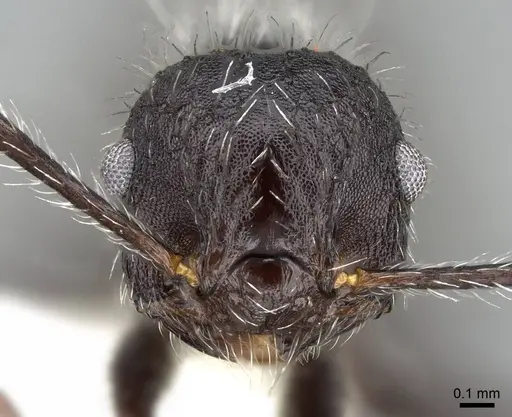
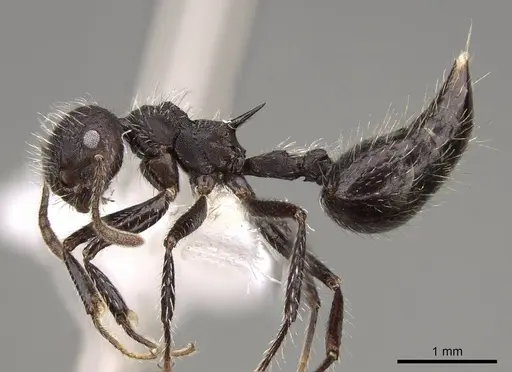
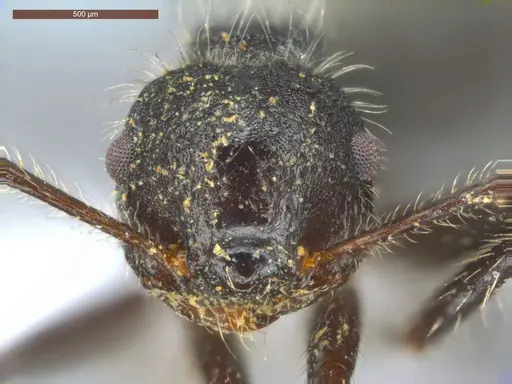
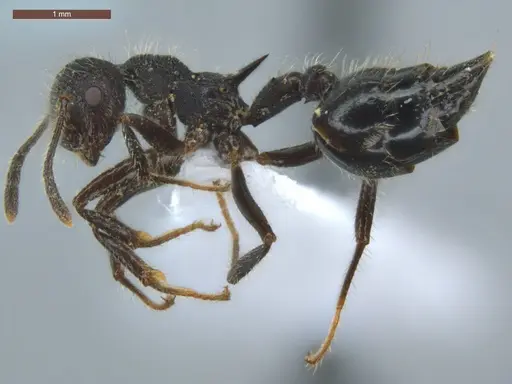
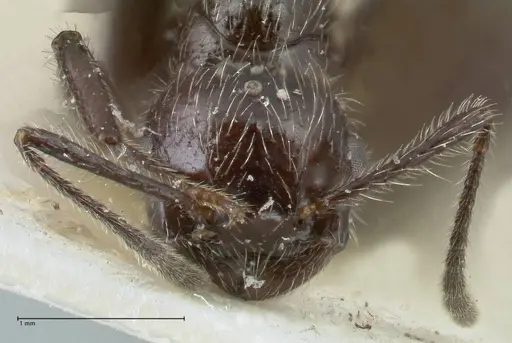
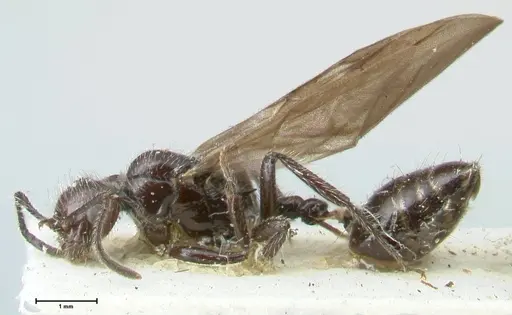
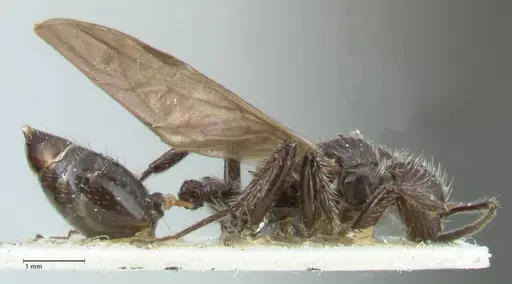
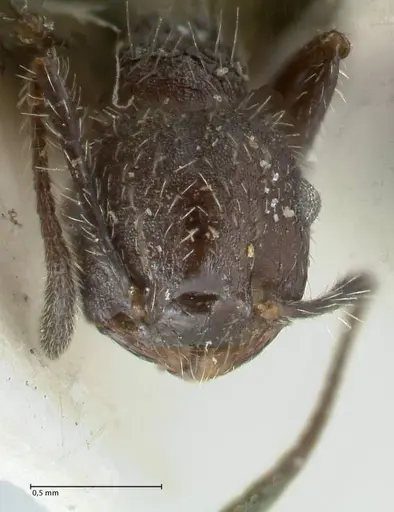
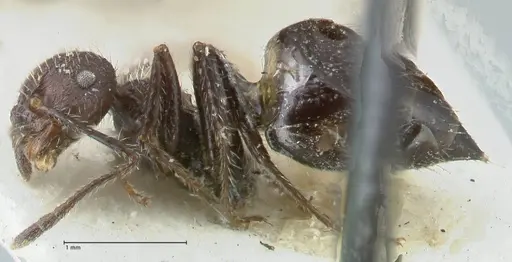
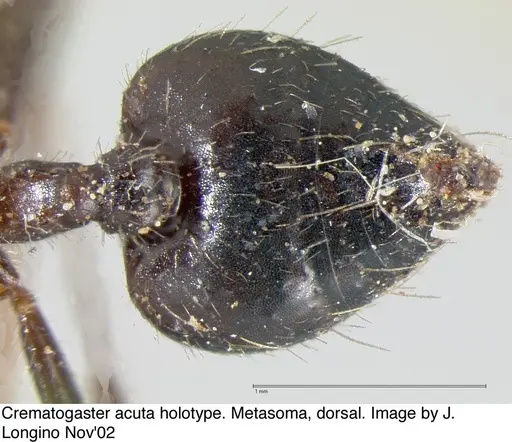
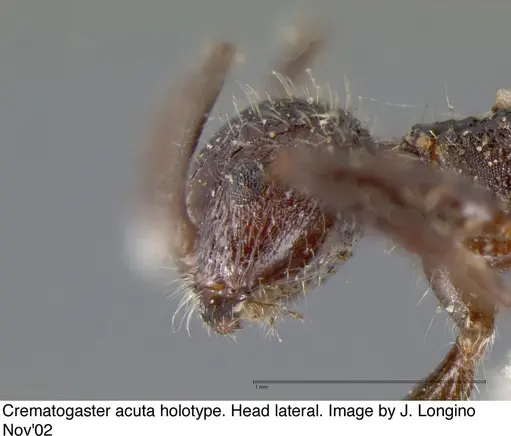
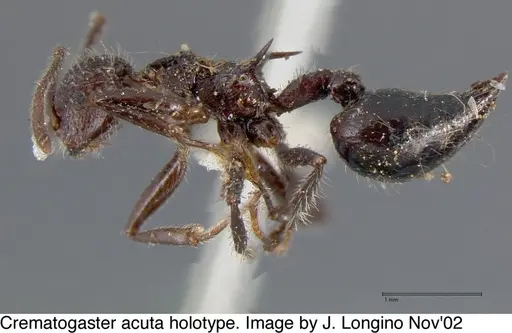
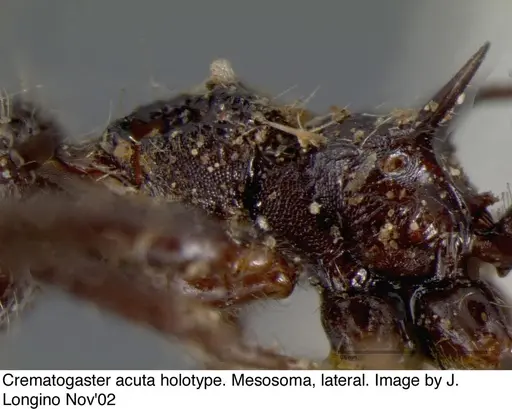
Crematogaster acuta is a medium-sized ant known for its distinctive defensive behavior, when disturbed, workers emerge in large numbers, raise their abdomens in the air, and secrete a white frothy substance. Workers measure 0.86-0.98mm in head length and feature long, pointed propodeal spines and an acute ventral tooth on the postpetiole. Their coloration ranges from dark red-brown to black, and they have abundant long whitish setae on the face and body. This species ranges from Mexico through Central America into southern Brazil and Bolivia, making it one of the most widespread Crematogaster species in the Neotropics [1][2].
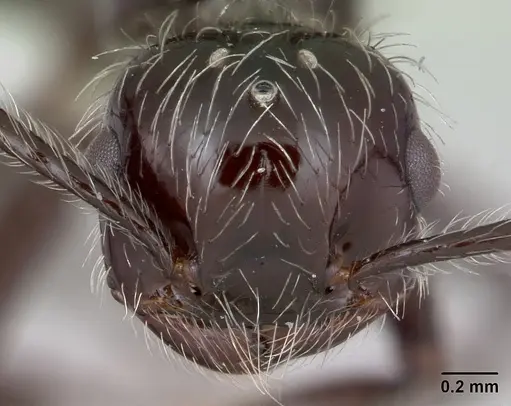
These ants are adapted to open, disturbed habitats and are commonly found along roadside vegetation, pasture edges, and young second-growth forests. They nest in dead wood, including hollow stems, fence posts, and the dead cores of living trees, and form large polydomous colonies that spread across multiple nest chambers. A particularly interesting trait is their association with active termite nests (Nasutitermes), where they establish colonies in the external galleries while the termites occupy internal spaces. This may represent a mutual defensive relationship [3]. Queens display morphological features sometimes associated with social parasitism, though the species is not confirmed as parasitic [1].
Quick Summary
- Difficulty: Medium
- Origin & Habitat: Neotropical region, Mexico to southern Brazil, Bolivia, and Paraguay. Found in open disturbed habitats like roadside vegetation, pasture edges, and young second-growth forest. Occurs in both wet and seasonally dry climates, typically below 500m elevation but recorded up to 1000m in Bolivia [1][2][4].
- Colony Type: Polydomous, colonies nest in multiple connected locations within dead wood. Colony size is very large but not high density. Exact queen count (single or multiple) is unconfirmed from research [1].
- Size & Growth:
- Queen: 1.18-1.30mm head length [2]
- Worker: 0.86-0.98mm head length [1][2]
- Colony: Very large colonies, exact numbers not specified in research [1]
- Growth: Moderate, inferred from typical Myrmicinae development patterns
- Development: 6-10 weeks, estimate based on typical Crematogaster development at tropical temperatures (Development time not directly studied for this species. Tropical temperature range (24-28°C) likely supports faster development)
- Antkeeping:
- Temperature: Keep at 24-28°C. As a tropical species, they prefer warmth. A heating cable on one side of the nest creates a suitable gradient. Avoid temperatures below 20°C as this species is adapted to lowland tropical conditions [2].
- Humidity: Moderate to high, aim for 60-80% relative humidity. Their natural habitat includes both wet and seasonally dry forests, so they tolerate some variation. Keep the nest substrate moist but not waterlogged, with some drier areas available.
- Diapause: No, this is a tropical species that does not experience cold winters. They remain active year-round in captivity [1].
- Nesting: Provide dead wood or wood-based nesting material. In captivity, a wooden formicarium, Y-tong nest, or plaster nest with wood inclusions works well. They naturally nest in dead wood, hollow stems, and fence posts. Multiple connected chambers allow for their polydomous colony structure [1].
- Behavior: Workers are defensive but rarely bite. When threatened, they emerge in large numbers, raise their abdomens (the 'acrobat' behavior), and secrete a white frothy substance from the gaster tip. They are generalist foragers, active both day and night, and readily attracted to protein baits like tuna. Workers forage on the ground and in vegetation. Escape risk is moderate, use standard barrier methods but they are not particularly aggressive biters [1].
- Common Issues: colonies can be difficult to establish from founding queens due to unknown founding requirements, polydomous nature means they need more space than single-nest species, one chamber is not enough, larvae may be parasitized by Eulophidae wasps, wild-caught colonies can carry these parasites [5], tropical species will decline or die if kept too cool, maintain warmth year-round, queen morphology suggests possible social parasitism but this is unconfirmed, do not combine with other species
Nest Preferences and Housing
In the wild, Crematogaster acuta nests exclusively in dead wood, researchers have found colonies in dead Piper stems, fence posts, Cecropia branches, and the exposed dead core of living tree trunks. The colonies distribute workers evenly throughout the wood, filling spaces like a sponge rather than concentrating in large chambers [1]. For captive care, provide a wooden formicarium, Y-tong nest, or plaster nest with wood inclusions. The nest should have multiple connected chambers to accommodate their polydomous nature, a single small chamber will not suffice for established colonies. Ensure the wood or nest material remains moist but not saturated. These ants do well in naturalistic setups with dead wood pieces as the primary nesting material.
Feeding and Diet
Crematogaster acuta is a generalist forager that exploits various food sources. In the wild, workers have been observed foraging on the ground and in vegetation, and they are strongly attracted to protein baits like tuna and sardines [2]. They also tend hemipteran (aphid-scale) insects for honeydew, researchers observed them interacting with Toxoptera aurantii on cocoa trees and with Coccus viridis on coffee plants [5][6]. In captivity, offer protein sources like mealworms, crickets, or other small insects 2-3 times per week. Sugar water or honey can be offered occasionally, though they are primarily protein-focused foragers. Remove uneaten prey after 24-48 hours to prevent mold.
Temperature and Seasonal Care
As a tropical species from the Neotropics, Crematogaster acuta requires warm conditions year-round. They occur in both wet and seasonally dry climates, typically below 500m elevation but have been recorded up to 1000m in Bolivia [1][2]. Keep the nest area at 24-28°C, this matches their natural lowland tropical habitat. A heating cable placed on one side of the nest creates a temperature gradient that allows workers to self-regulate. Avoid temperatures below 20°C, as prolonged cool conditions will stress or kill colonies. Unlike temperate species, they do not require hibernation or diapause, maintain consistent warmth throughout the year.
Defense and Behavior
This species is famous for its distinctive defensive display. When nests are disturbed, workers emerge in great numbers, wave their gasters in the air (the 'acrobat' behavior that gives the genus its name), and exude copious quantities of a white frothy material from the tip of the gaster [1]. Despite this dramatic display, they rarely bite, the frothy secretion is their primary defense. Workers are active both day and night, and they forage individually rather than in large raiding parties. In captivity, this means you will see regular foraging activity but not aggressive swarming unless the nest is directly threatened. Their generalist foraging style makes them adaptable to various feeding schedules.
Colony Structure and Growth
Crematogaster acuta forms polydomous colonies, meaning the colony spreads across multiple nest sites rather than concentrating in one location. Researchers have observed colonies occupying dead wood with workers distributed evenly throughout, suggesting the colony expands as needed into available spaces [1]. The species produces very large colonies but they are not frequently encountered, indicating lower colony density compared to some other Crematogaster. Queens exhibit morphological features sometimes associated with social parasitism (like reduced size or specialized queen traits), but this species is not confirmed as actually parasitic. Growth rate is moderate, expect 6-10 weeks from egg to first worker at optimal tropical temperatures, though this is estimated from genus patterns rather than directly studied.
Frequently Asked Questions
Can I keep Crematogaster acuta in a test tube?
A test tube is suitable only for founding colonies. Once the colony reaches 10-20 workers, they will need more space. Because they are polydomous (spread across multiple chambers), provide a wooden formicarium or Y-tong nest with multiple connected chambers.
When should I move my Crematogaster acuta colony to a formicarium?
Move them once the test tube setup becomes crowded or the colony has 20+ workers. They need dead wood or wood-based nesting material to thrive, so a wooden formicarium or naturalistic setup works best.
How long does it take for Crematogaster acuta to produce first workers?
Expect 6-10 weeks from egg to first worker at optimal tropical temperatures (24-28°C). This is an estimate based on typical Crematogaster development, as specific development timing has not been directly studied for this species.
Do Crematogaster acuta ants sting?
They rarely bite or sting. Their primary defense is the white frothy secretion they exude from the gaster when threatened, combined with their characteristic 'acrobat' display of raising the abdomen.
Are Crematogaster acuta good for beginners?
This species is rated as medium difficulty. They require warm tropical conditions year-round and need polydomous nesting space. They are not aggressive but can be defensive. The main challenges are maintaining proper temperature and providing suitable wood-based housing.
Do Crematogaster acuta need hibernation?
No. As a tropical species from the Neotropics, they do not require hibernation or diapause. Keep them warm year-round at 24-28°C.
What do Crematogaster acuta eat?
They are generalist foragers. Offer protein sources like mealworms, small crickets, or other insects 2-3 times per week. They will also occasionally accept sugar water or honey. In the wild, they forage on protein baits and tend hemipteran insects for honeydew.
How big do Crematogaster acuta colonies get?
They form very large colonies, though exact worker counts are not specified in research. They are polydomous, meaning the colony spreads across multiple connected nest sites in dead wood.
Can I keep multiple queens together?
The colony structure (monogyne vs polygyne) is unconfirmed for this species. Do not combine unrelated foundress queens, this has not been studied and could result in fighting.
Why are my Crematogaster acuta dying?
The most common causes are: temperatures below 20°C (tropical species that cannot tolerate cool conditions), improper nesting (they need dead wood, not just test tubes), or parasites from wild-caught colonies. Larvae can be parasitized by Eulophidae wasps. Ensure proper warmth, suitable wood-based housing, and consider starting with a captive-born colony if possible.
What is the best nest type for Crematogaster acuta?
A wooden formicarium, Y-tong nest with wood inclusions, or a naturalistic setup with dead wood pieces works best. They naturally nest in dead wood and need multiple connected chambers to accommodate their polydomous colony structure.
References

This caresheet is licensed under CC BY-SA 4.0 .
CASENT0106245
View on AntWeb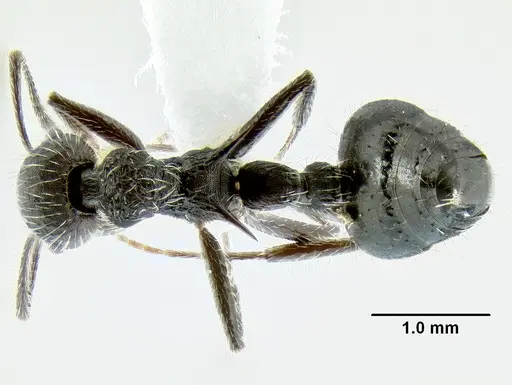
CASENT0173927
View on AntWeb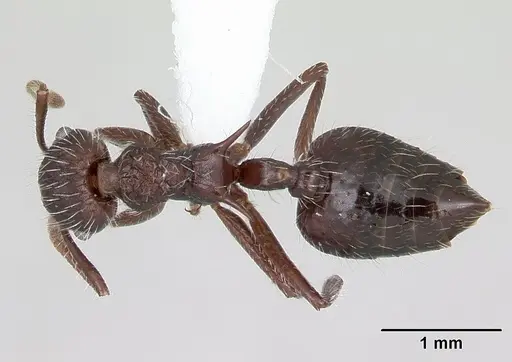
CASENT0173928
View on AntWeb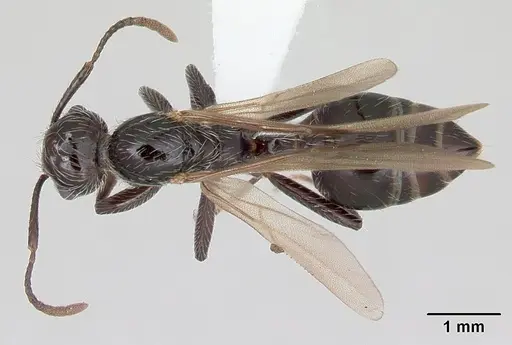
CASENT0193650
View on AntWeb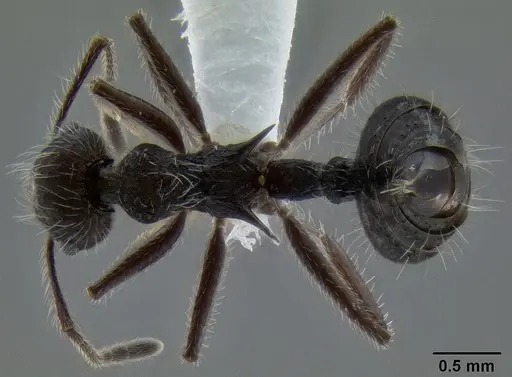
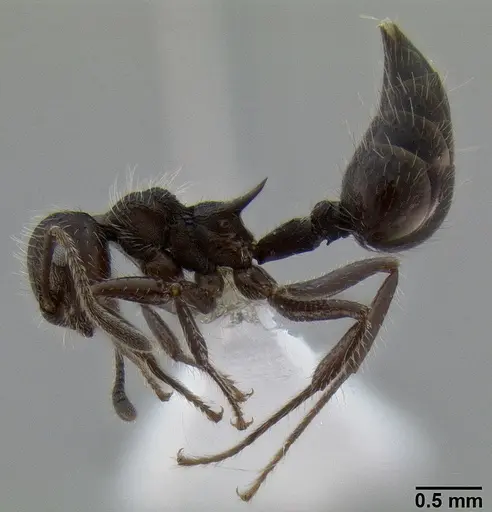
CASENT0627982
View on AntWeb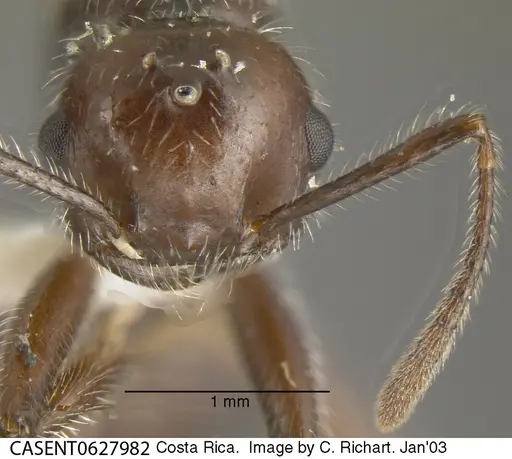
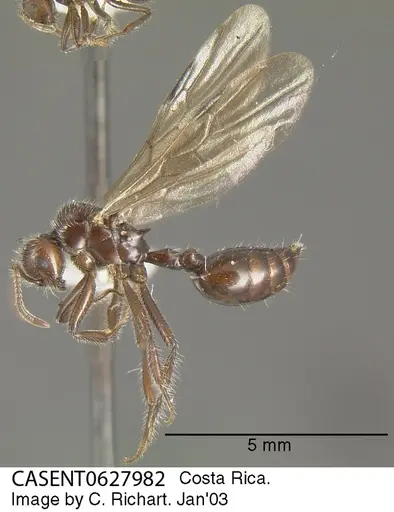
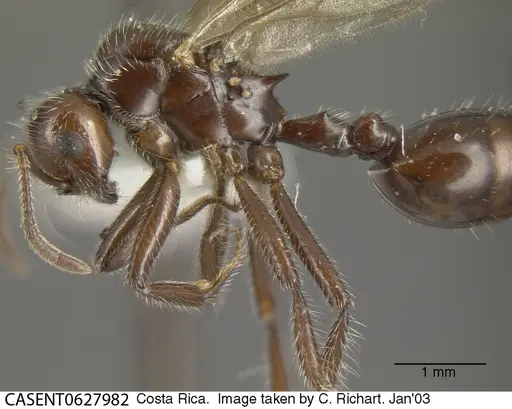
CASENT0627984
View on AntWeb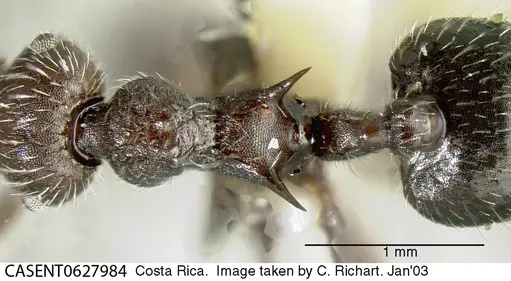
CASENT0902145
View on AntWeb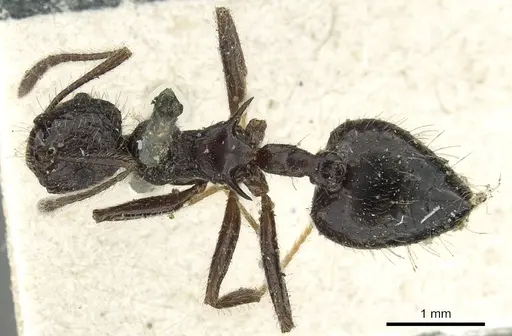
CASENT0912733
View on AntWeb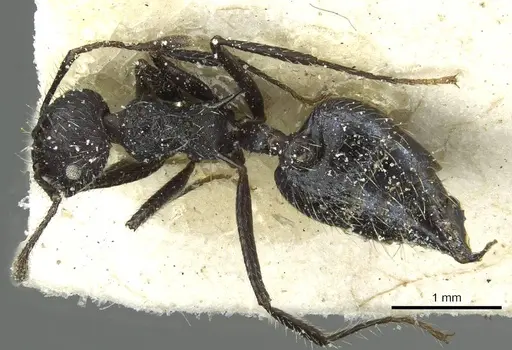
CASENT0914547
View on AntWeb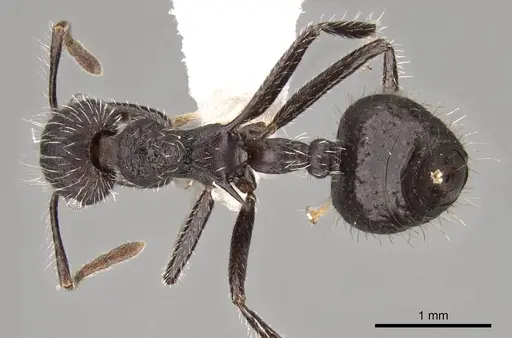
ECOFOG-GRS21-0162-03
View on AntWeb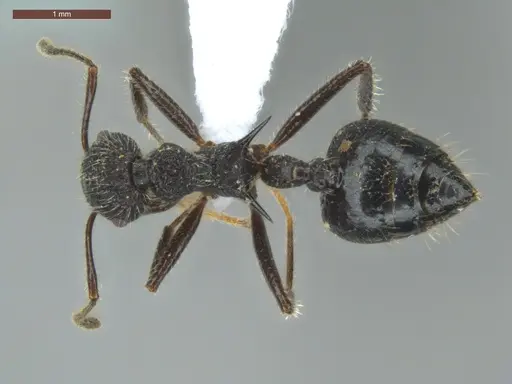
FOCOL1640-1
View on AntWeb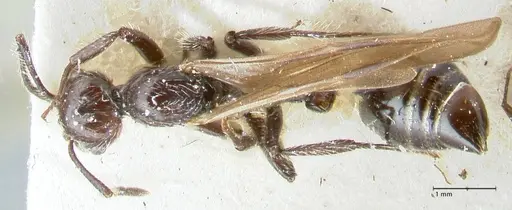
FOCOL1640-2
View on AntWeb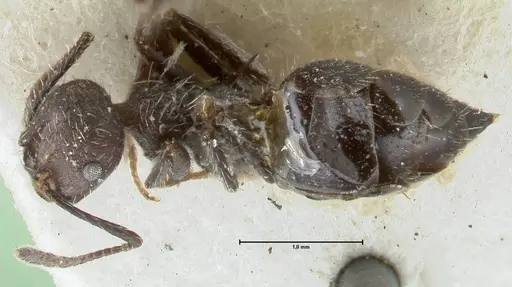
INBIOCRI001280936
View on AntWeb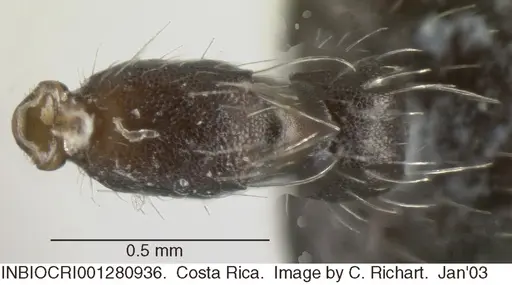
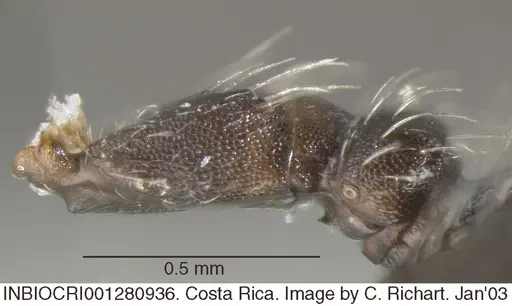
JTL669608
View on AntWeb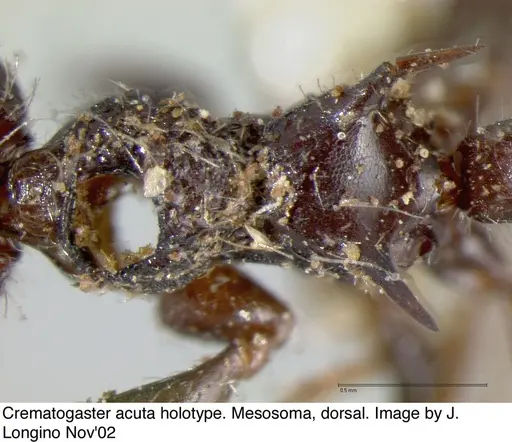
Literature
Loading...Loading products...