

Crematogaster aberrans
- Scientific Name
- Crematogaster aberrans
- Tribe
- Crematogastrini
- Subfamily
- Myrmicinae
- Author
- Forel, 1892
- Distribution
- Found in 3 countries
Crematogaster aberrans Overview
Crematogaster aberrans is an ant species of the genus Crematogaster. It is primarily documented in 3 countries , including Hong Kong, India, Thailand. Detailed taxonomic data and occurrence records can be further explored via authoritative databases such as AntWeb or the Global Biodiversity Information Facility (GBIF).
Crematogaster aberrans
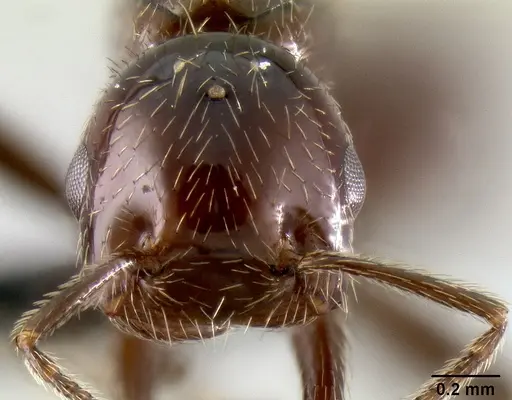
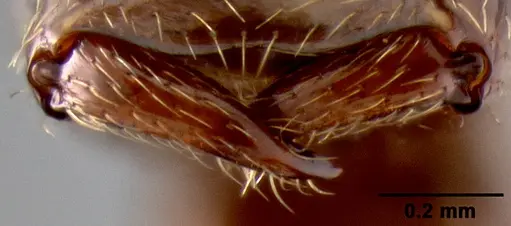
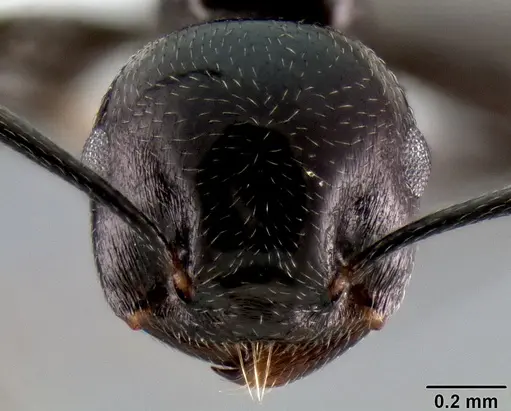
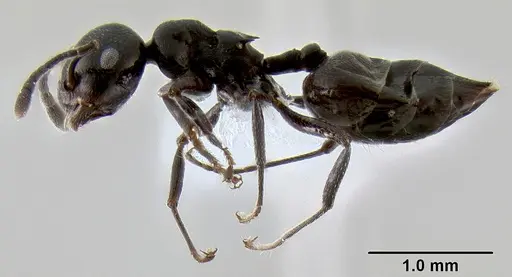
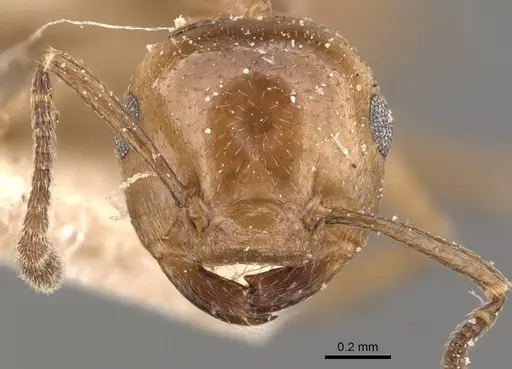
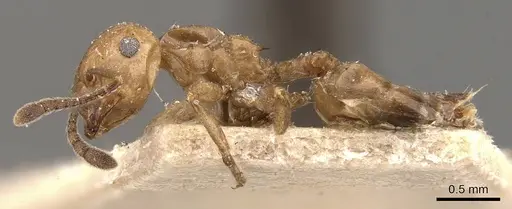
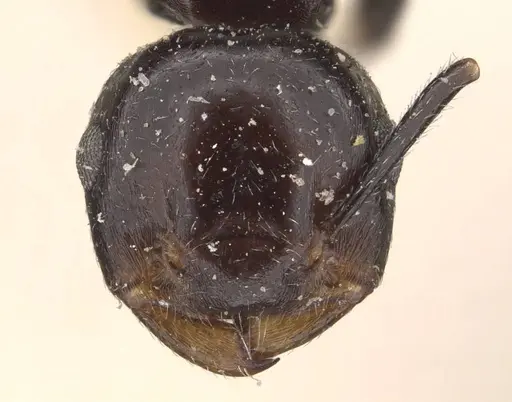
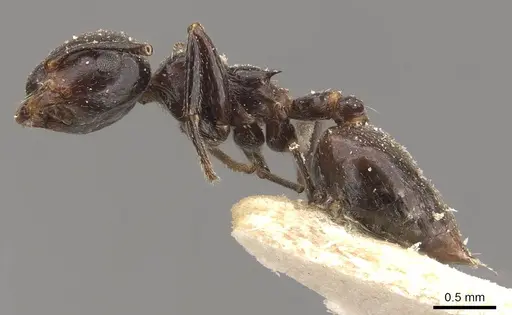
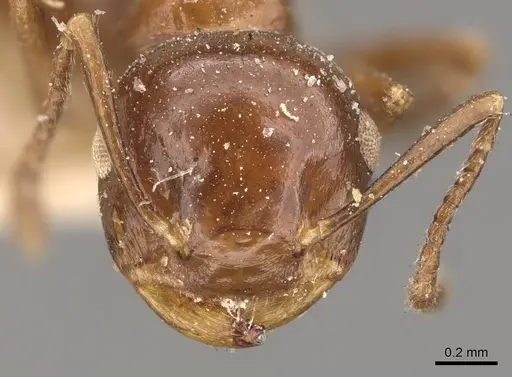
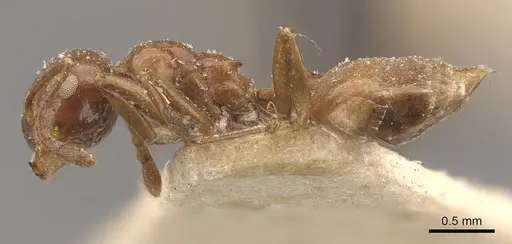
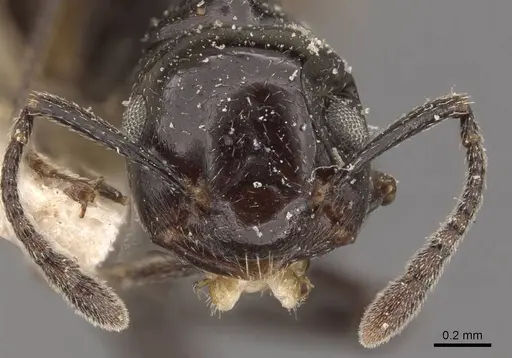
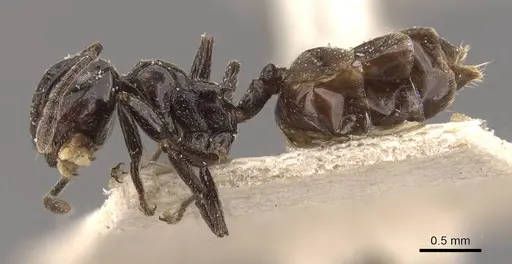
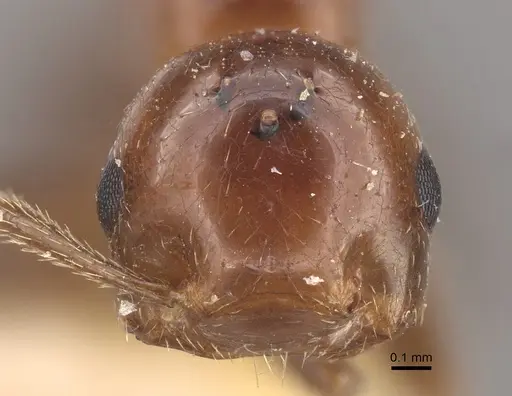
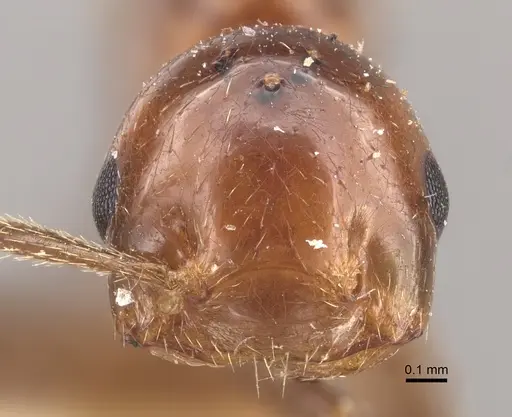
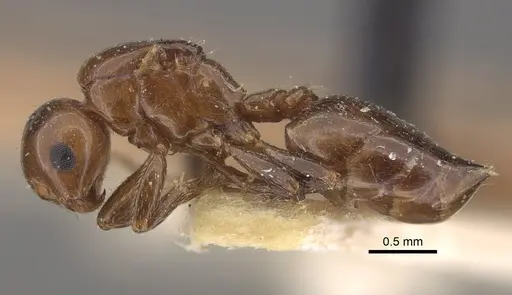
Crematogaster aberrans is a small to medium-sized ant belonging to the Myrmicinae subfamily, part of the ranavalonae species group. Workers measure 0.82-0.96mm in head width and 0.90-1.05mm in mesosoma length, with a distinctive reddish-brown coloration [1]. This species is unique among Asian members of the ranavalonae-group in having sparse setae on the scape and smaller propodeal spiracles positioned apart from the propodeal declivity [1]. The genus name 'Crematogaster' refers to their heart-shaped abdomen, which they can raise and curl over their body when threatened, giving them the common name 'acrobat ants'.
This species is found across India (from Kerala and Maharashtra in the south to Arunachal Pradesh and Sikkim in the northeast), Thailand, and recently recorded in China's Hainan province [1][2][3]. They inhabit diverse environments from rainforest to agricultural land, where they forage solitarily on large trees [4]. The species was originally described in 1892 and underwent taxonomic revision in 2015,which synonymized three former species (C. soror, C. aberrans assmuthi, and C. aberrans inglebyi) under C. aberrans [1].
Quick Summary
- Difficulty: Unknown, likely Medium
- Origin & Habitat: Native to India, Thailand, and southern China. Found in rainforest (Sanjai Gandhi National Park), agricultural ecosystems, and grassland habitats [5][4]. Workers forage on trees like teak and Caesalpinia crista in agricultural areas [6][4].
- Colony Type: Colony structure is unconfirmed. Based on typical Crematogaster patterns, likely single-queen (monogyne) colonies, though this has not been directly documented for this species.
- Size & Growth:
- Queen: Unconfirmed, estimated 5-7mm based on genus patterns
- Worker: 0.82-0.96mm head width,0.90-1.05mm mesosoma length [1]
- Colony: Unknown, likely several hundred workers based on genus typical patterns
- Growth: Unknown
- Development: Unconfirmed, estimated 4-8 weeks based on typical Crematogaster development at tropical temperatures (No specific development data exists for this species. Related Crematogaster species typically develop from egg to worker in 4-8 weeks at warm temperatures (24-28°C).)
- Antkeeping:
- Temperature: Estimated 24-28°C based on tropical Asian distribution and habitat data. Provide a gentle gradient allowing workers to self-regulate.
- Humidity: Moderate to high, they are found in rainforest and agricultural areas with varying moisture levels. Keep nest substrate slightly moist but not waterlogged.
- Diapause: Unlikely, being a tropical/subtropical species from India and Thailand, they probably do not require a true diapause. However, they may show reduced activity during cooler months.
- Nesting: In nature they likely nest in rotting wood, under bark, or in tree hollows based on their arboreal foraging behavior. In captivity, a Y-tong (AAC) nest or plaster nest with moderate humidity works well. They prefer tight, enclosed spaces.
- Behavior: Crematogaster aberrans is an arboreal forager, workers search for food individually on trees and plants rather than forming long foraging trails. They are not particularly aggressive but will defend their colony vigorously. When threatened, they raise their abdomen in an acrobat-like display and may release a defensive secretion from their abdominal glands. Their small size (under 1mm) means they can escape through tiny gaps, excellent escape prevention is essential.
- Common Issues: escape prevention is critical due to their very small size, use fine mesh and tight-fitting lids, lack of species-specific care information means keepers must adapt from related species, wild-caught colonies may carry parasites or diseases that can cause colony failure, arboreal foraging behavior means they may not readily accept food in standard setups, try offering food on branches or elevated surfaces
Nest Preferences and Housing
In their natural habitat across India and Thailand, Crematogaster aberrans nests in rotting wood, under bark, and in tree hollows, consistent with their arboreal foraging behavior [5]. Workers have been observed foraging on large trees like teak and Caesalpinia crista in agricultural ecosystems [4]. For captive care, a Y-tong (acrylic) nest or plaster formicarium works well. These nests maintain moderate humidity while providing the dark, enclosed chambers these ants prefer. Avoid overly large, open spaces, they do best in compact setups scaled to their small size. A small outworld area connected to the nest allows workers to forage for food. Ensure excellent escape prevention, their tiny size means they can squeeze through gaps that seem impossible.
Feeding and Diet
Crematogaster species are generalist omnivores that feed on honeydew, nectar, and small insects in the wild. Based on their foraging behavior (solitary foraging on trees), they likely tend aphids and collect honeydew from sap-sucking insects. For captive colonies, offer a varied diet: sugar water or honey as a constant energy source, and protein sources like fruit flies, small crickets, or mealworms. Since they forage arboreally, try placing food on elevated surfaces or small branches in the outworld rather than directly on the substrate. Feed protein 2-3 times per week, and keep sugar water available at all times. Remove uneaten prey after 24-48 hours to prevent mold. [4]
Temperature and Seasonal Care
As a species native to tropical and subtropical Asia (India, Thailand, southern China), Crematogaster aberrans prefers warm conditions. Estimate an optimal range of 24-28°C based on their distribution. Provide a temperature gradient so workers can self-regulate, a heating cable on one side of the nest creating a gentle warm zone works well. Being from a region without harsh winters, they likely do not require true hibernation. However, they may show reduced activity during cooler periods. If you notice decreased foraging in winter months, slightly reduce temperatures (but not below 20°C) rather than attempting full diapause. Monitor colony behavior and adjust accordingly, active, foraging workers indicate comfortable conditions. [1][3]
Behavior and Defense
The common name 'acrobat ant' comes from their distinctive defensive behavior, when threatened, they raise their abdomen high over their body, curling it forward like an acrobat balancing. This display is accompanied by the release of defensive secretions from their abdominal glands. Workers are small (under 1mm) and relatively fast-moving. They forage individually rather than in trails, searching for honeydew and small prey on vegetation. Colonies are moderately defensive but not particularly aggressive toward humans. Their small size means they are unlikely to cause painful stings, the main concern is their ability to escape through microscopic gaps. Use fluon barriers and fine mesh (0.5mm or smaller) on all openings. [1]
Colony Establishment and Growth
The founding behavior of Crematogaster aberrans has not been directly documented. Based on typical Crematogaster patterns, the queen likely seals herself in a small chamber (claustral founding) and raises the first workers alone using stored fat reserves. Expect a wait of several months before the first nanitic workers emerge. Growth rate is unknown but likely moderate, related Crematogaster species reach several hundred workers within 1-2 years under good conditions. The queen is estimated at 5-7mm based on genus patterns, though this species' queen size has not been specifically documented. Be patient during the founding phase, disturbing the nest too often can cause the queen to abandon or eat her brood.
Distribution and Range
Crematogaster aberrans has a broad distribution across South and Southeast Asia. In India, they are recorded from numerous states including Kerala, Maharashtra, Karnataka, Gujarat, Haryana, West Bengal, Assam, Arunachal Pradesh, Nagaland, and Sikkim [2][7]. They are also found in Thailand and were recently recorded from Hainan province, China [1][3]. This wide distribution across different climatic zones (from tropical Kerala to subtropical Sikkim) suggests they are adaptable to varying conditions. Their presence in agricultural ecosystems indicates tolerance to human-modified habitats, though they prefer areas with trees and vegetation for foraging.
Frequently Asked Questions
How long does it take for Crematogaster aberrans to produce first workers?
The exact timeline is unconfirmed for this species. Based on typical Crematogaster development, expect 4-8 weeks from egg to worker at optimal temperatures (24-28°C). The claustral founding phase may take an additional 1-3 months before eggs are laid, then another 6-10 weeks until nanitics emerge. Total time from founding to first workers is typically 3-6 months.
What do Crematogaster aberrans eat?
They are generalist omnivores. Offer sugar water or honey as a constant energy source, and protein sources like fruit flies, small crickets, or mealworms 2-3 times per week. Based on their arboreal foraging behavior, they likely also collect honeydew from aphids in the wild.
Do Crematogaster aberrans ants sting?
Crematogaster species have a stinger but due to their very small size (workers under 1mm), they rarely penetrate human skin. Their primary defense is raising the abdomen in an acrobat-like display and releasing defensive secretions. They are not considered dangerous to humans.
Are Crematogaster aberrans good for beginners?
Difficulty level is uncertain due to limited species-specific data. They are small and require excellent escape prevention. Their care requirements are inferred from genus patterns rather than documented specifically. Experienced antkeepers familiar with other Crematogaster species should have success, but complete beginners may struggle with the lack of specific care information.
What temperature do Crematogaster aberrans need?
Based on their tropical Asian distribution, aim for 24-28°C. Provide a temperature gradient so workers can self-regulate. A heating cable on part of the nest creating a warm zone (around 26-28°C) with cooler areas (22-24°C) works well. Avoid temperatures below 20°C or above 32°C.
Can I keep multiple Crematogaster aberrans queens together?
Colony structure is unconfirmed for this species. Based on typical Crematogaster patterns, they likely form single-queen colonies. Combining unrelated queens is not recommended as it has not been documented for this species and queens typically fight.
How big do Crematogaster aberrans colonies get?
Maximum colony size is unknown. Based on genus patterns, they likely reach several hundred workers within 1-2 years under good conditions. They are not among the largest Crematogaster species.
Do Crematogaster aberrans need hibernation?
Unlikely. Being a tropical/subtropical species from India and Thailand, they probably do not require true hibernation. They may show reduced activity during cooler months but should not be subjected to cold diapause conditions.
Why are my Crematogaster aberrans escaping?
Their very small size (workers under 1mm) means they can escape through microscopic gaps. Use excellent escape prevention: fine mesh (0.5mm or smaller) on all openings, fluon barriers on nest edges, and tight-fitting lids. Check for gaps around tubing connections and any seams in the formicarium.
When should I move Crematogaster aberrans to a formicarium?
Move them when the test tube setup becomes crowded, typically when the colony reaches 30-50 workers. Crematogaster species often prefer enclosed nests, so a Y-tong or plaster formicarium works well. Ensure the chambers are appropriately sized for their small workers.
What makes Crematogaster aberrans unique among Crematogaster species?
They are unique among Asian members of the ranavalonae-group in having sparse setae on the scape and smaller propodeal spiracles positioned apart from the propodeal declivity [1]. Their broad distribution across India, Thailand, and southern China is also notable.
References

This caresheet is licensed under CC BY-SA 4.0 .
CASENT0129432
View on AntWeb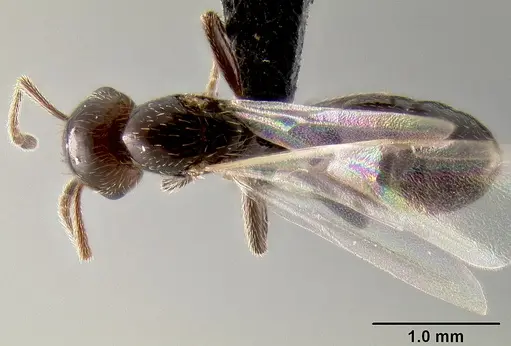
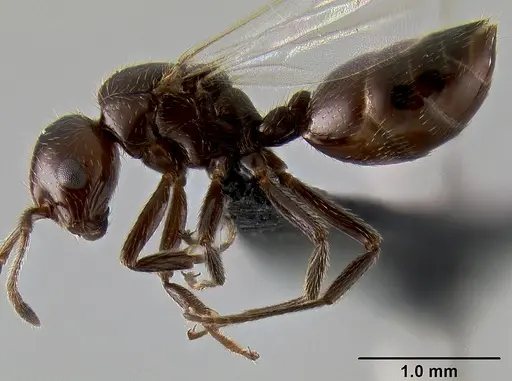
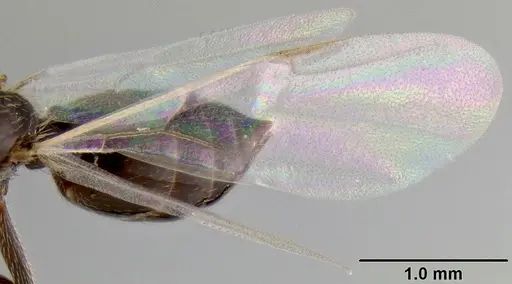
CASENT0193626
View on AntWeb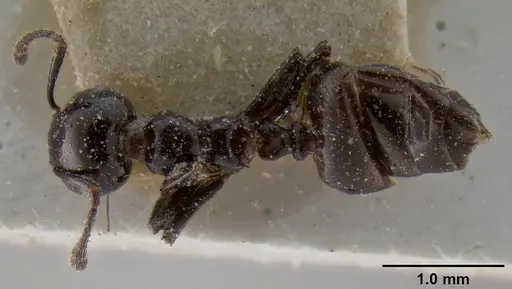
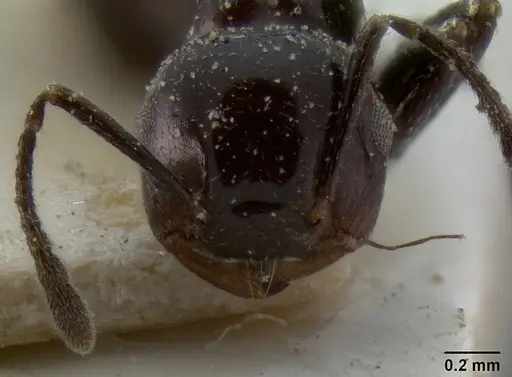
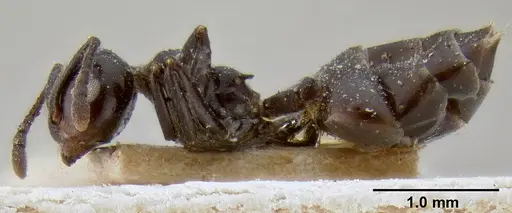
CASENT0193779
View on AntWeb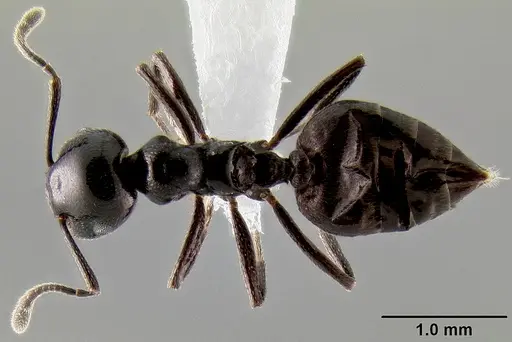
CASENT0908641
View on AntWeb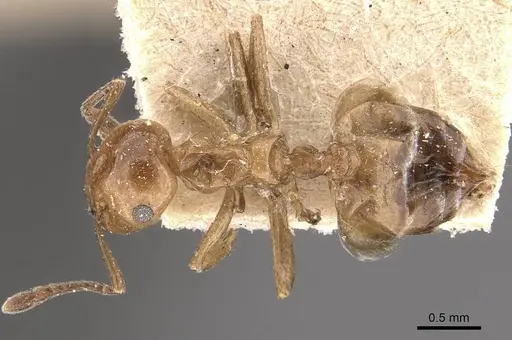
CASENT0908642
View on AntWeb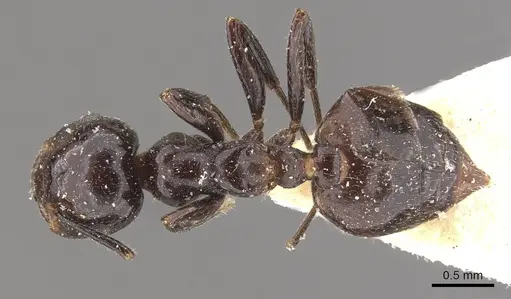
CASENT0908643
View on AntWeb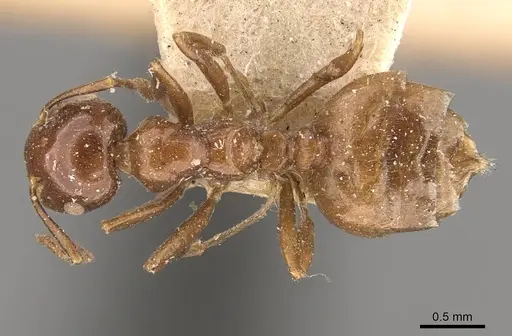
CASENT0908647
View on AntWeb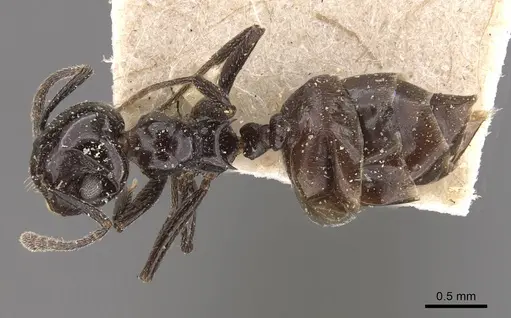
CASENT0917808
View on AntWeb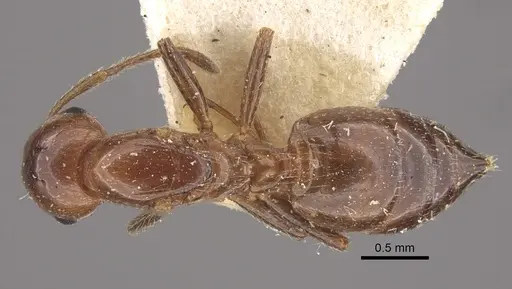
Literature
Loading...Loading products...