

Colobostruma mellea
- Scientific Name
- Colobostruma mellea
- Tribe
- Attini
- Subfamily
- Myrmicinae
- Author
- Shattuck, 2000
- Distribution
- Found in 1 countries
Colobostruma mellea Overview
Colobostruma mellea is an ant species of the genus Colobostruma. It is primarily documented in 1 countries , including Australia. Detailed taxonomic data and occurrence records can be further explored via authoritative databases such as AntWeb or the Global Biodiversity Information Facility (GBIF).
Colobostruma mellea
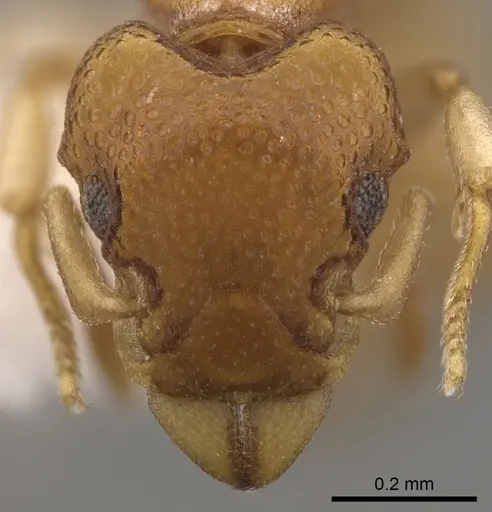
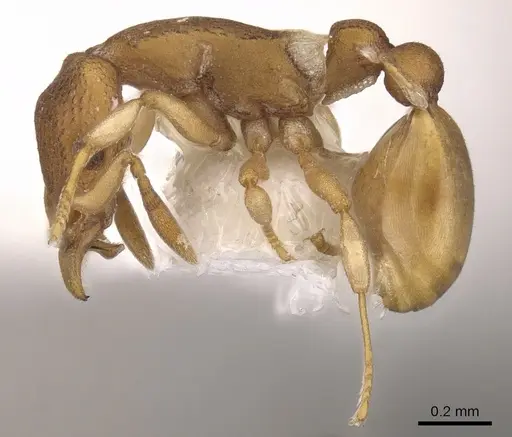
Colobostruma mellea is a tiny myrmicine ant native to southwestern Australia, specifically found in the Western Australian wheatbelt region and the state's south-west corner, with populations also recorded in South Australia [1]. These are trap-jaw ants, their genus name literally means 'truncated soldier' and refers to their specialized snap-trap mandibles that can strike with incredible speed to capture prey. Workers are small, typically measuring 2-4mm, with a distinctive appearance featuring trap-jaw mandibles adapted for hunting small arthropods. The species name 'mellea' means honey-colored, reflecting their yellowish-brown coloration. This is a rarely kept species in captivity, and most information about their care comes from general knowledge of the genus rather than specific studies on this particular species.
Quick Summary
- Difficulty: Expert
- Origin & Habitat: Southwestern Australia, found in the northern wheatbelt and south-west corner of Western Australia, as well as parts of South Australia [1]. They inhabit Mediterranean climate zones with wet winters and dry summers, typically nesting in soil, under stones, or in rotting wood in forested and woodland areas.
- Colony Type: Likely monogyne (single queen colonies) based on typical Colobostruma patterns, though this has not been specifically documented for this species.
- Size & Growth:
- Queen: Estimated 4-5mm based on genus typical sizes
- Worker: 2-4mm based on genus typical sizes
- Colony: Likely small colonies of under 100 workers based on related trap-jaw ant patterns
- Growth: Slow
- Development: Estimated 8-12 weeks at optimal temperature based on genus patterns for small myrmicine ants (This is an estimate based on related species, no specific development data exists for C. mellea)
- Antkeeping:
- Temperature: Keep around 22-26°C, mimicking their warm Australian habitat. A gentle temperature gradient allows ants to regulate their own conditions.
- Humidity: Moderate humidity of 50-70%. These ants prefer somewhat moist substrate but not waterlogged conditions. Provide a moisture gradient so they can choose their preferred spot.
- Diapause: Likely requires a mild winter rest period (diapause) of 2-3 months during winter months, reflecting their Mediterranean climate origin. Reduce temperature to around 15-18°C during this period.
- Nesting: Use a small nest with tight chambers scaled to their tiny size. Y-tong (AAC) nests or small acrylic setups work well. They prefer dark, confined spaces and will often nest in the moistest area of the nest.
- Behavior: Colobostruma mellea are active, predatory ants with remarkable trap-jaw mandibles. They are skilled hunters of small arthropods and use their snap-trap jaws to capture prey quickly. Workers are alert and active, constantly patrolling their territory for food. They are not aggressive toward humans but their small size makes them difficult to handle. Escape prevention is critical, they can easily slip through standard barrier setups due to their tiny dimensions. They are not known to sting but may bite if handled roughly.
- Common Issues: escape prevention is critical due to their very small size, use fine mesh and tight-fitting lids, slow colony growth can frustrate keepers expecting rapid development, limited availability in the antkeeping hobby means few established care protocols exist, they require live prey, dead food is often ignored, wild-caught colonies may carry parasites that can devastate captive populations
Housing and Nest Setup
Colobostruma mellea requires careful housing due to their extremely small size. A Y-tong (AAC) nest with narrow chambers works well, or a small acrylic nest with appropriately scaled passages. The chambers should be tight, these ants feel secure in confined spaces. Use a dark background or cover the nest to reduce stress, as they prefer dim conditions. For the outworld, keep it simple and appropriately sized, a small container works since colonies remain small. Escape prevention is your top priority: use fluon on rim edges, fine mesh on any ventilation, and ensure all connections are tight. Even the tiniest gap is an escape route for these ants.
Feeding and Diet
As trap-jaw ants, Colobostruma mellea are predators that require live prey. Their diet should consist primarily of small live arthropods, springtails, fruit flies, small mites, and other micro-arthropods are ideal. They are unlikely to accept dead food readily, so live prey is essential for successful keeping. Some keepers report success with very small pieces of insect flesh offered on damp surfaces, but this is hit-or-miss. Sugar sources are rarely accepted by trap-jaw ants, so do not rely on honey or sugar water. Feed prey 2-3 times per week, adjusting based on colony size and consumption rate. Remove any uneaten prey promptly to prevent mold.
Temperature and Seasonal Care
Maintain temperatures between 22-26°C for optimal colony health and activity. These ants come from southwestern Australia, which has warm summers and mild winters. A heating cable on one side of the nest can create a temperature gradient, allowing ants to self-regulate. During winter (roughly December through February in the Southern Hemisphere), reduce temperatures to around 15-18°C to simulate their natural seasonal cycle. This winter rest period appears to be important for colony health, though the exact requirements are not well documented. Do not cool them dramatically, a mild reduction is sufficient.
Humidity and Water
Keep substrate moderately moist but never waterlogged. A humidity range of 50-70% works well. These ants prefer some moisture but will avoid overly wet areas. Provide a water source via a test tube setup with a cotton plug, they will drink from the condensation on the tube walls. Monitor the nest for condensation: a little is good, but excessive moisture leads to mold problems. Allow the substrate to dry slightly between rehydrations rather than maintaining constant saturation.
Behavior and Handling
Colobostruma mellea workers are active and alert, constantly foraging and patrolling. Their trap-jaw mandibles are their primary defense and hunting tool, they can snap shut with remarkable speed. While they are not aggressive toward keepers, they may bite if threatened or handled roughly. The bite is not medically significant for humans due to their tiny size. Their small size also means they are difficult to spot if they escape, this makes escape prevention absolutely critical. Watch for workers clustering near heat sources or moisture, as this indicates their preferences.
Frequently Asked Questions
How long does it take for Colobostruma mellea to produce first workers?
Based on typical Colobostruma development patterns, expect first workers (nanitics) around 8-12 weeks after the queen lays eggs. This is an estimate since no specific development data exists for this species. Patience is key, small trap-jaw ants develop slowly compared to larger ant species.
Can I keep Colobostruma mellea in a test tube setup?
Yes, test tubes work well for founding colonies and small established colonies. Use a small diameter tube appropriate for their tiny size. Ensure the water reservoir is not too large to avoid flooding the colony. Cover the tube with a dark sleeve to reduce stress.
What do Colobostruma mellea eat?
They are predators that require live small arthropods. Springtails, fruit flies, and tiny mites are ideal prey. They are unlikely to accept dead food or sugar sources. Feed live prey 2-3 times per week.
Are Colobostruma mellea good for beginners?
No, this is an expert-level species. They are rarely available, require live prey, need excellent escape prevention due to their tiny size, and have specific temperature and humidity requirements that are not well-documented. Beginners should start with more established species.
How big do Colobostruma mellea colonies get?
Based on genus patterns, colonies likely reach 50-100 workers at maximum maturity. They remain small colonies compared to many common ant species. This is typical for trap-jaw ants.
Do Colobostruma mellea need hibernation?
They likely benefit from a mild winter rest period of 2-3 months. Reduce temperatures to around 15-18°C during winter months. This simulates their natural Mediterranean climate cycle and appears important for colony health.
Why are my Colobostruma mellea escaping?
Their tiny size means they can squeeze through incredibly small gaps. Review all escape points: lid seams, ventilation holes, connection points between nest and outworld. Apply fluon to rim edges and use fine mesh (0.5mm or smaller) for any ventilation. Even a gap the width of a hair is enough for them to escape.
When should I move my colony to a formicarium?
Move them when the colony reaches around 20-30 workers and the test tube setup becomes cramped. Ensure the new setup has appropriately sized chambers, too-large spaces stress these small ants. A Y-tong nest with small chambers works well.
Can I keep multiple Colobostruma mellea queens together?
This has not been documented. Based on typical Colobostruma patterns, they are likely single-queen (monogyne) species. Combining unrelated queens is not recommended due to lack of data on their colony founding behavior.
References

This caresheet is licensed under CC BY-SA 4.0 .
CASENT0900006
View on AntWeb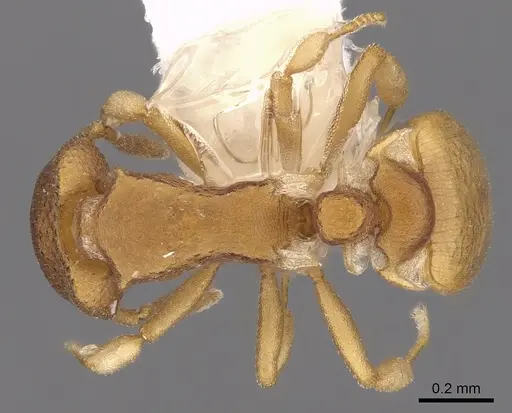
Literature
Loading...Loading products...