

Colobostruma elliotti
- Scientific Name
- Colobostruma elliotti
- Tribe
- Attini
- Subfamily
- Myrmicinae
- Author
- Clark, 1928
- Distribution
- Found in 1 countries
Colobostruma elliotti Overview
Colobostruma elliotti is an ant species of the genus Colobostruma. It is primarily documented in 1 countries , including Australia. Detailed taxonomic data and occurrence records can be further explored via authoritative databases such as AntWeb or the Global Biodiversity Information Facility (GBIF).
Colobostruma elliotti
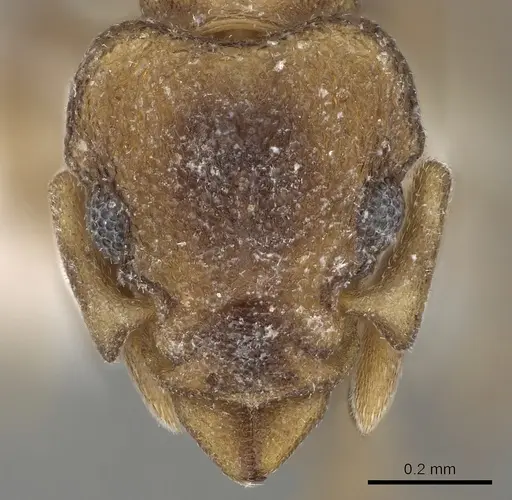
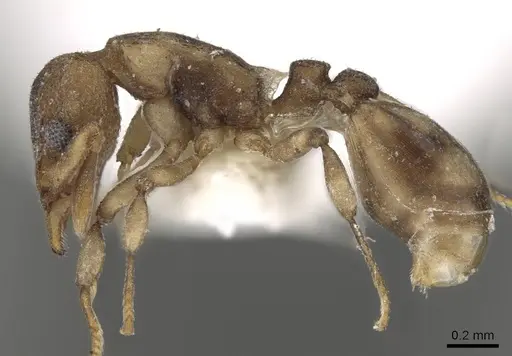
Colobostruma elliotti is a tiny Australian ant belonging to the tribe Dacetini (the 'digger ants'). Workers measure just 2.4-2.8mm and have a distinctive pale yellow body with irregular darker patches [1]. This species is unique among Australian Dacetini, it's the only one in its group with just 4 or 5 antenna segments instead of the typical 6 or more [1]. The genus Colobostruma belongs to the fungus-farming ant tribe Attini, though these tiny ants likely focus on hunting small prey rather than cultivating fungus.
These ants form small colonies tucked between rocks in southern Australia's dry sclerophyll habitats. They are rarely encountered due to their cryptic lifestyle and small colony sizes, making them one of the more obscure Australian ant species [2].
Quick Summary
- Difficulty: Hard
- Origin & Habitat: Southern Australia (Victoria, Western District, Mt Arapiles) in dry sclerophyll forest and occasionally moister sites. Colonies nest between rocks [1].
- Colony Type: Small colonies with unknown queen configuration. Only a few workers per colony have been documented in the wild.
- Size & Growth:
- Queen: Undocumented in primary literature, estimated slightly larger than workers based on typical Dacetini patterns
- Worker: 2.4-2.8mm [1]
- Colony: Small, likely under 100 workers based on 'small colonies' description [1]
- Growth: Unknown, likely slow given small colony size
- Development: Unconfirmed, estimated 6-10 weeks based on related Dacetini species at optimal temperature (No direct development data exists for this species. Estimates based on typical Attini/Dacetini development patterns.)
- Antkeeping:
- Temperature: Keep around 20-24°C. Southern Australian temperate origin suggests they prefer cooler conditions than tropical species. Avoid overheating.
- Humidity: Moderate humidity, their dry sclerophyll habitat suggests they prefer drier conditions than rainforest species. Allow substrate to dry partially between waterings.
- Diapause: Likely, southern Australian temperate species typically require a winter rest period. Provide 2-3 months at 10-15°C during austral winter (June-August in Australia).
- Nesting: Natural nesting is between rocks. In captivity, a small test tube setup or mini acrylic nest works well. Keep nesting area dark and undisturbed.
- Behavior: These are tiny, cryptic ants that spend most of their time hidden. Workers are slow-moving and likely forage individually for small prey. Their small size makes them vulnerable to predation and they are not aggressive. Escape prevention is critical, their minute size means they can squeeze through standard barrier gaps. They are not known to sting.
- Common Issues: escape prevention is critical, their tiny 2.4mm size means they can slip through standard barriers, small colony size makes them vulnerable to stress, keep disturbances minimal, limited data means care is largely inferential, monitor colony response closely, wild-caught colonies may be difficult to establish due to their cryptic nature, overheating is a risk, keep away from direct heat sources
Housing and Nest Setup
Given their tiny size and cryptic nature, Colobostruma elliotti needs careful housing. A small test tube setup works well for founding colonies, use a narrow tube with a cotton water reservoir. The tube should be dark (wrap with aluminum foil or use an opaque container) since these ants prefer hidden nesting spots. For established colonies, a small acrylic nest or a naturalistic setup with flat stones works. The key is keeping the nest small and confined, these are not ants that need large spaces. Escape prevention must be excellent: use fluon barriers and ensure any connections between outworld and nest are tight. Even a 1mm gap is enough for these tiny ants to escape. [1]
Feeding and Diet
As members of the tribe Attini (digger ants), Colobostruma are likely omnivorous but with a predatory tendency. In the wild, Dacetini species typically hunt small springtails, mites, and other micro-arthropods in leaf litter. In captivity, offer small live prey like springtails, fruit flies, or tiny crickets. Sugar water or honey can be offered occasionally but these ants are not strongly attracted to sweets. Feed small amounts of protein every few days, removing any uneaten prey within 24 hours to prevent mold. Given their tiny size, prey items should be appropriately scaled, no larger than the ants themselves.
Temperature and Seasonal Care
Colobostruma elliotti comes from southern Australia, specifically Victoria, which has a temperate climate with cool winters. Keep the nest area around 20-24°C during the active season. Room temperature in most homes should work well, avoid placing the colony near heating elements that could cause overheating. During the Australian winter (roughly June-August), provide a diapause period at 10-15°C. This can be done by moving the colony to a cooler location like an unheated garage or basement. The exact duration is unknown but 2-3 months mirrors what related temperate Australian ants require. Do not feed during diapause and keep moisture minimal. [1]
Behavior and Observation
These are not showy ants. Colobostruma elliotti workers are slow-moving and spend most of their time hidden within the nest or foraging quietly. You won't see dramatic foraging raids or aggressive defense, these ants avoid confrontation. Their small colony size (likely under 100 workers) means you'll always have a modest colony. Observation is challenging but rewarding for patient keepers. Watch for workers emerging to hunt small prey in the outworld. The unique 4-5 segmented antennae are visible under magnification, this is a distinguishing feature of the species. Handle with extreme care as any crushing can significantly impact a small colony. [1]
Frequently Asked Questions
How long does it take for Colobostruma elliotti to produce first workers?
The exact timeline is unconfirmed, but based on related Dacetini species, expect 6-10 weeks from egg to first worker at optimal temperature (around 22°C). Growth is likely slow given their small colony size.
Can I keep multiple queens together in one colony?
This has not been documented. The species forms small colonies in the wild but queen number is unknown. Given their small colony size, combining unrelated queens is not recommended.
What do Colobostruma elliotti eat?
They likely hunt small live prey like springtails and micro-arthropods. Offer appropriately-sized protein sources and occasional sugar water. Their tiny size means prey must be very small.
Are Colobostruma elliotti good for beginners?
No, this species is recommended for experienced keepers only. Limited data, tiny size requiring excellent escape prevention, small colony sizes, and cryptic behavior make them challenging.
What temperature do they need?
Keep them around 20-24°C. Southern Australian temperate origin means they prefer cooler conditions than tropical species. Avoid overheating.
Do they need hibernation or diapause?
Likely yes, southern Australian temperate species typically require a winter rest. Provide 2-3 months at 10-15°C during winter months.
How big do colonies get?
Colonies remain small, likely under 100 workers based on the 'small colonies' description in field observations.
Why are my ants escaping?
Their tiny 2.4mm size means they can slip through gaps you might not notice. Use fluon on all edges, check lid seals, and ensure any tubing connections are tight. Fine mesh on any ventilation is essential.
When should I move them to a formicarium?
For this species, a test tube setup can house the colony long-term given their small size. Only move to a formicarium if the colony outgrows the tube, which may take years given their slow growth.
References

This caresheet is licensed under CC BY-SA 4.0 .
ANTWEB1008177
View on AntWeb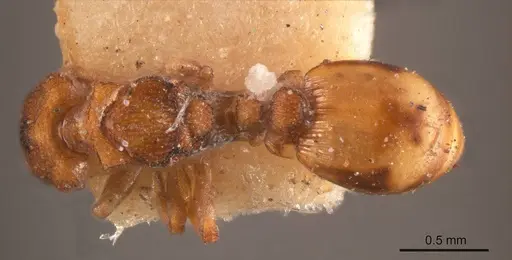
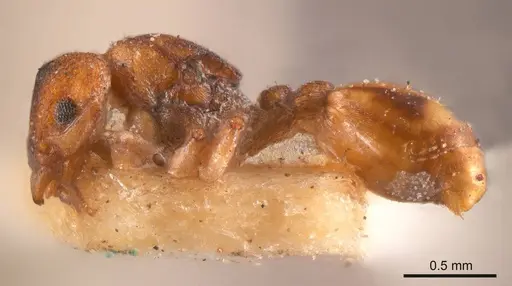
CASENT0280687
View on AntWeb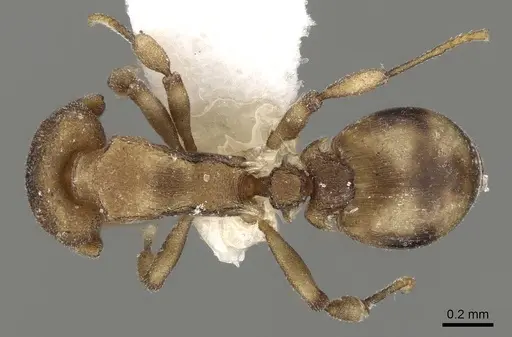
Literature
Loading...Loading products...