

Colobostruma alinodis
- Scientific Name
- Colobostruma alinodis
- Tribe
- Attini
- Subfamily
- Myrmicinae
- Author
- Forel, 1913
- Distribution
- Found in 1 countries
Colobostruma alinodis Overview
Colobostruma alinodis is an ant species of the genus Colobostruma. It is primarily documented in 1 countries , including Australia. Detailed taxonomic data and occurrence records can be further explored via authoritative databases such as AntWeb or the Global Biodiversity Information Facility (GBIF).
Colobostruma alinodis
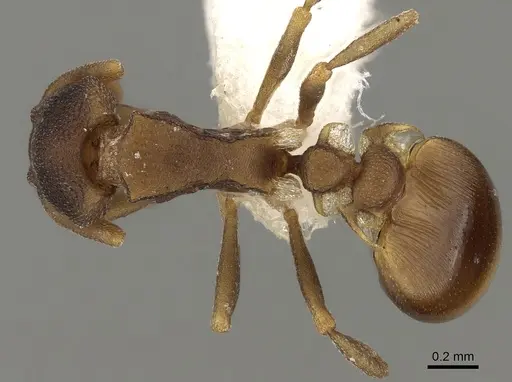
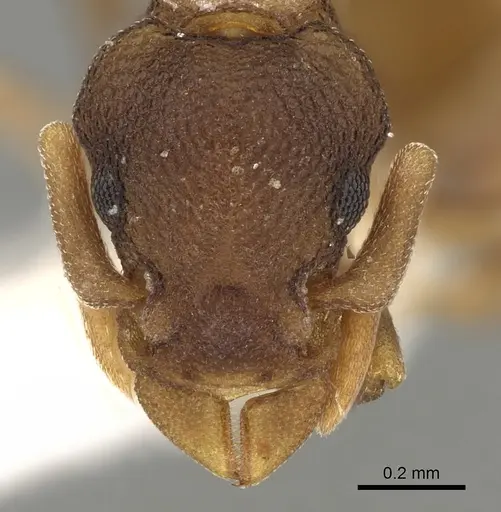
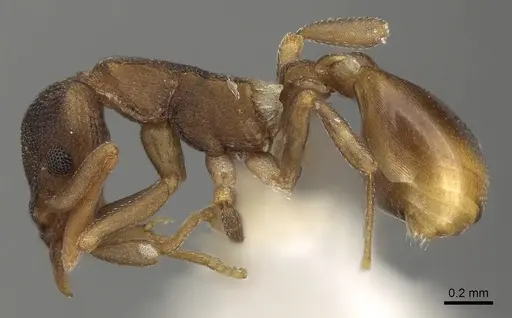
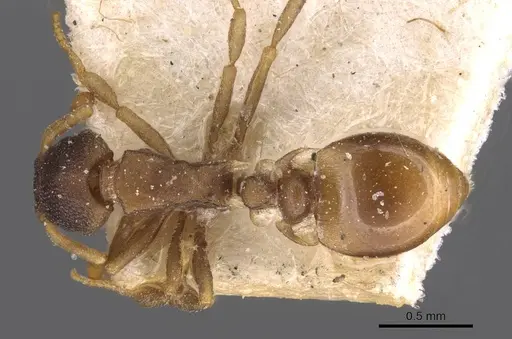
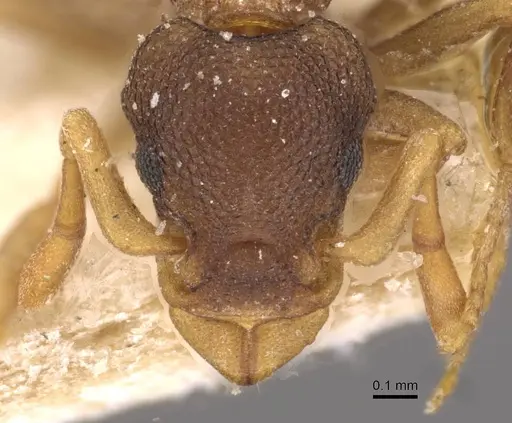
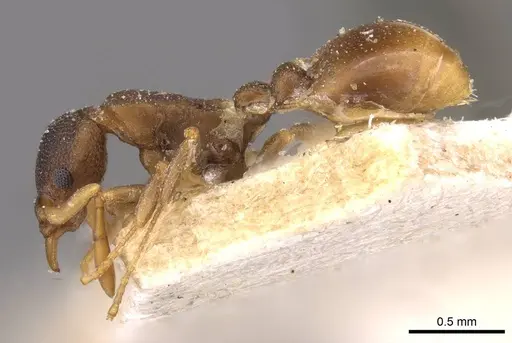
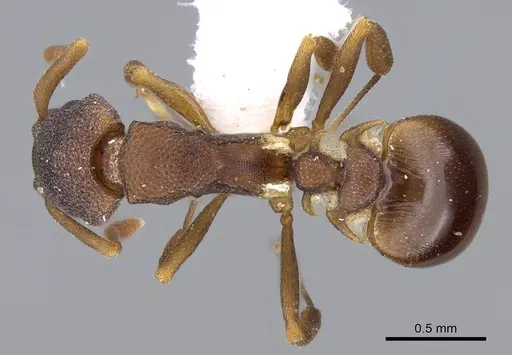
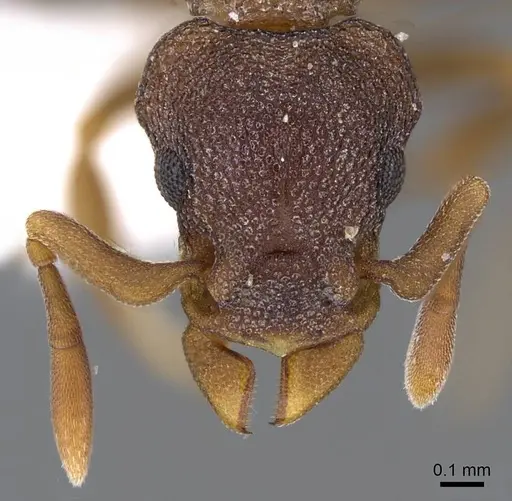
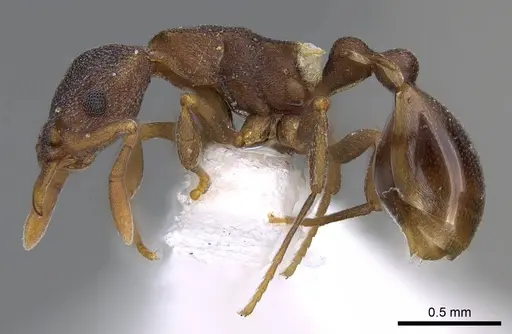
Colobostruma alinodis is a tiny Australian ant belonging to the tribe Attini, measuring just 2.2-3.4mm in worker length. Workers have a distinctive appearance with a 4 or 5-segmented antenna featuring an elongated second funicular segment, and the postpetiole has characteristic flange-like wings with translucent windows. Body color ranges from yellow-brown to dark brown, often with the head and alitrunk slightly darker than the gaster. This species is widespread across eastern Australia, found in Queensland, New South Wales, Victoria, and Tasmania [1].
What makes C. alinodis particularly interesting is its ecological association. In the wild, these ants are frequently found nesting under rocks in moist to wet sclerophyll forest, often in close proximity to nests of Rhytidoponera species. They also appear to have a relationship with unpigmented springtails (collembolans), which are commonly found in the same nests. This makes them a fascinating species for antkeepers interested in naturalistic setups.
Quick Summary
- Difficulty: Medium
- Origin & Habitat: Eastern Australia (Queensland, New South Wales, Victoria, Tasmania). Found in moist to wet sclerophyll forest, often near clearings, and occasionally in rainforest. Nests under rocks in damp microhabitats [1].
- Colony Type: Colony structure is unconfirmed. Based on typical Colobostruma patterns, likely monogyne (single queen) but this has not been directly documented.
- Size & Growth:
- Queen: Estimated 4-5mm based on genus patterns and worker size.
- Worker: 2.2-3.4mm.
- Colony: Likely small colonies, estimated under 100 workers based on similar tiny dacetine ants.
- Growth: Unknown, likely moderate based on typical small Myrmicinae patterns.
- Development: Estimated 6-10 weeks at optimal temperature based on related dacetine ants. (Development timeline has not been directly studied for this species. Temperature dependency is inferred from habitat (cool, damp forests).)
- Antkeeping:
- Temperature: Keep around 18-22°C. Being an Australian species from temperate regions, they prefer cooler conditions than many tropical ants. Avoid overheating, they come from damp, shaded forest habitats.
- Humidity: High humidity is essential. These ants naturally live in moist forest floor environments. Keep the nest substrate consistently damp but not waterlogged. Mist occasionally and provide a water tube.
- Diapause: Likely yes, being an Australian temperate species, they probably need a cool period during winter. Reduce temperature to around 10-15°C for 2-3 months.
- Nesting: Naturalistic setups with flat stones or soil chambers work well, reflecting their wild habit of nesting under rocks. Y-tong or plaster nests with narrow chambers scaled to their tiny size are suitable. Keep the nest material consistently moist.
- Behavior: These are tiny, non-aggressive ants. Workers are small and docile, they will flee rather than fight when disturbed. They are not known to sting. Because of their very small size (2.2-3.4mm), escape prevention is critical, they can squeeze through the tiniest gaps. Use fine mesh and tight-fitting lids. They are slow-moving and spend most of their time in the nest area.
- Common Issues: escape prevention is critical, their tiny size means they can slip through standard barrier gaps, colonies may fail if kept too warm or too dry, they need cool, damp conditions, slow growth may cause keepers to overfeed or disturb the nest unnecessarily, wild-caught colonies may bring in springtails or other hitchhikers from their native habitat, small colony size means they produce fewer workers and growth appears slow
Housing and Nest Setup
Because Colobostruma alinodis is a tiny ant, housing requires attention to scale. Use nests with small chambers and narrow passages, standard formicarium tunnels are often too large for these 2-3mm workers. A Y-tong (AAC) nest with tight chambers or a plaster nest works well. Alternatively, a naturalistic setup with flat stones pressed into damp soil creates the kind of cool, moist environment they prefer in the wild. Whatever nest type you choose, ensure excellent escape prevention, these ants are smaller than many and will find any gap. Apply fluon or use fine mesh on all openings. [1]
Feeding and Diet
As members of the tribe Attini, these ants are likely omnivorous but probably lean toward protein. In the wild, they have been found near springtails (collembolans), which may be part of their natural diet. Feed small live prey like fruit flies, pinhead crickets, or tiny mealworms. They likely accept sugar sources but protein should form the bulk of their diet. Offer food twice weekly and remove uneaten prey after 24 hours. Because of their small size, prey items should be appropriately sized, nothing larger than their abdomen.
Temperature and Seasonal Care
Keep Colobostruma alinodis cool compared to most tropical ant species. Aim for 18-22°C in the nest area. They come from moist Australian forests and do not tolerate heat well. A heating cable on one side of the nest can create a gentle gradient, but many keepers simply use room temperature if it falls within this range. During winter, expect them to slow down and reduce activity. A period of cooler temperatures (10-15°C) for 2-3 months mimics their natural seasonal cycle in Tasmania and Victoria. Do not feed during this dormant period. [1]
Humidity Requirements
High humidity is essential for this species. Their natural habitat is moist to wet sclerophyll forest, and they nest under rocks in damp soil. Keep the nest substrate consistently moist but not sitting in water. The substrate should feel damp to the touch. Provide a water tube for drinking access. Mist the nest occasionally and monitor for drying, these ants will quickly decline in dry conditions. However, ensure some ventilation to prevent mold buildup. [1]
Behavior and Colony Dynamics
Colobostruma alinodis is a docile, non-aggressive species. Workers are small and slow-moving, spending most of their time in the nest. They are not known to sting and pose no threat to keepers. Colonies appear to be small, likely reaching only a few dozen to perhaps a hundred workers at maturity. The queen is probablyclaustral (seals herself in to raise the first brood), though this has not been directly documented. Be patient with growth, small colonies develop slowly, and it may take a year or more to reach 20-30 workers.
Frequently Asked Questions
How long does it take for Colobostruma alinodis to produce first workers?
The exact timeline has not been documented, but based on similar small Myrmicinae, expect 6-10 weeks from egg to worker at optimal temperature (around 20°C). Growth is slow, so be patient during the founding stage.
What do Colobostruma alinodis ants eat?
They likely eat small live prey like fruit flies, springtails, and tiny insects. Protein should form the main diet. They may accept sugar water or honey occasionally, but protein is more important for this species.
What temperature do Colobostruma alinodis need?
Keep them cool, around 18-22°C. They come from moist Australian forests and do not tolerate heat well. Room temperature is often suitable for this species.
Are Colobostruma alinodis good for beginners?
They are moderate in difficulty. The main challenges are their need for high humidity, escape prevention due to their tiny size, and slow colony growth. Experienced antkeepers should have success, but they may frustrate beginners expecting fast results.
How big do Colobostruma alinodis colonies get?
Likely small colonies of under 100 workers at maturity. They are not a fast-growing species and colonies remain modest in size.
Do Colobostruma alinodis need hibernation?
Probably yes. Being from temperate Australia (Victoria, Tasmania), they likely need a cool winter period. Reduce temperature to 10-15°C for 2-3 months during winter.
Why are my Colobostruma alinodis dying?
The most common causes are too high temperature, too low humidity, or escape through tiny gaps. Check that your nest is at 18-22°C, consistently damp, and that all openings are sealed with fine mesh or fluon.
Can I keep multiple queens together?
Colony structure has not been documented for this species. It is not recommended to combine unrelated queens, stick to one queen per colony.
When should I move Colobostruma alinodis to a formicarium?
Wait until the colony has at least 20-30 workers and is actively foraging. These ants prefer naturalistic or tight-channel setups. Moving too early can stress the colony.
References

This caresheet is licensed under CC BY-SA 4.0 .
Literature
Loading...Loading products...