

Colobopsis vitiensis
- Scientific Name
- Colobopsis vitiensis
- Tribe
- Camponotini
- Subfamily
- Formicinae
- Author
- Mann, 1921
- Distribution
- Found in 2 countries
Colobopsis vitiensis Overview
Colobopsis vitiensis is an ant species of the genus Colobopsis. It is primarily documented in 2 countries , including Fiji, Wallis and Futuna. Detailed taxonomic data and occurrence records can be further explored via authoritative databases such as AntWeb or the Global Biodiversity Information Facility (GBIF).
Colobopsis vitiensis
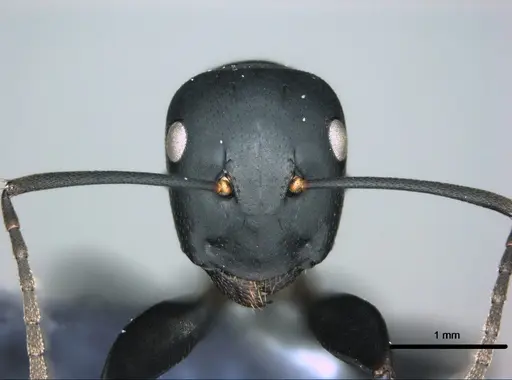
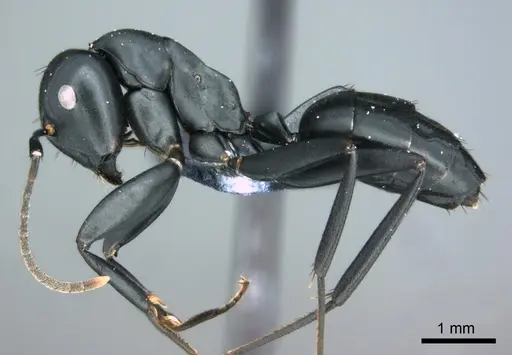
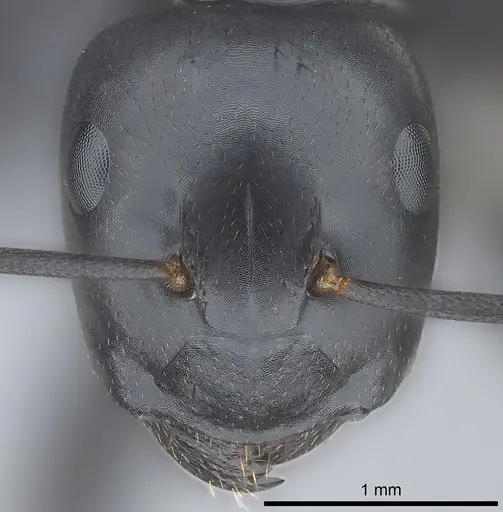
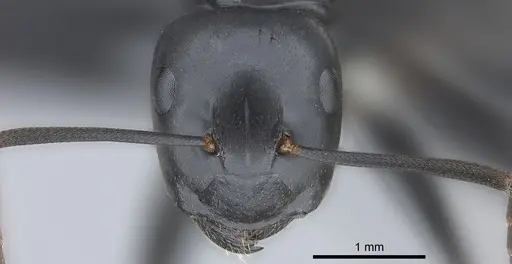
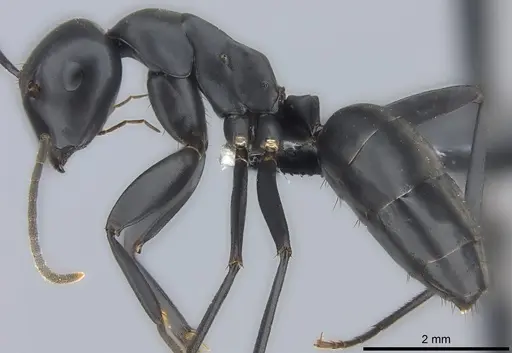
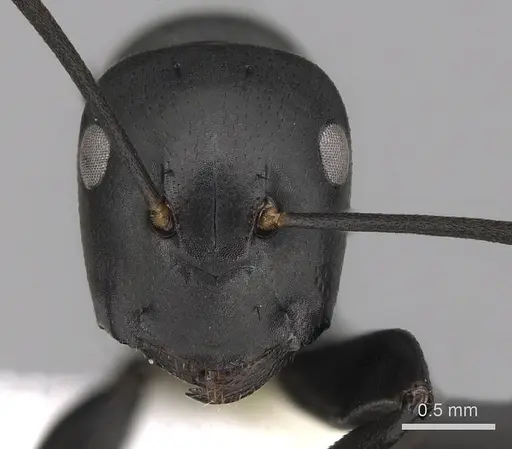
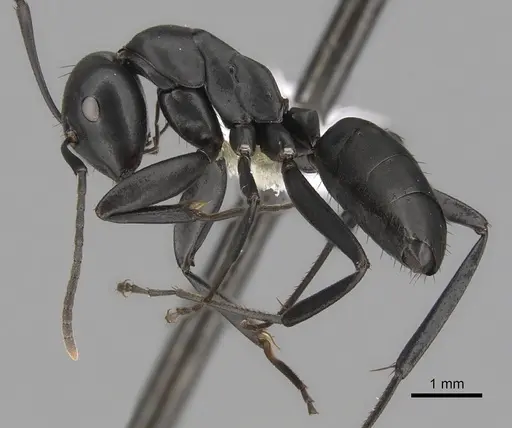
Colobopsis vitiensis is a large, robust ant species endemic to the Fiji Islands. Workers are uniformly dull black with a distinctive coriaceous microsculpture that gives them a textured, matte appearance, this fine texture runs in neat transverse lines on the gaster. They have slender, compressed legs and belong to the Colobopsis lineage, characterized by soldiers with uniquely flattened heads that can plug nest entrances. This species is one of the more easily recognizable ants in Fijian forests, though it's rarely encountered due to its arboreal nesting habits high in trees. The colony structure includes distinct worker castes (minor workers, major soldiers), with queens and males also documented.
Quick Summary
- Difficulty: Medium
- Origin & Habitat: Endemic to Fiji Islands, found on Viti Levu, Vanua Levu, Taveuni, Kadavu, Gau, and Koro. Nests high in trees in forest habitats [1][2].
- Colony Type: Colony structure appears to include multiple castes: minor workers, major soldiers (with flattened heads for nest defense), and winged queens. Exact colony size is not documented but typical Colobopsis colonies are moderate-sized.
- Colony: Monogyne
- Founding: Claustral
- Size & Growth:
- Queen: Not precisely measured in available literature, estimated 8-10mm based on related Colobopsis species [3]
- Worker: Workers are large and robust, approximately 6-8mm [1]
- Colony: Unknown, typical Colobopsis species reach several hundred workers
- Growth: Moderate, inferred from related Camponotus patterns
- Development: Estimated 6-8 weeks at optimal tropical temperatures (24-28°C) (Development timeline not directly studied, estimate based on related Formicinae)
- Antkeeping:
- Temperature: Keep at 24-28°C. Being a tropical Fijian species, they prefer warm conditions. A heating cable on one side of the nest creates a suitable gradient.
- Humidity: Moderate to high humidity (60-80%). Being arboreal nesters, they prefer slightly drier conditions than ground-nesting ants but still need moisture. Mist occasionally and provide a water tube.
- Diapause: No, as a tropical species from Fiji, they do not require hibernation. Keep temperatures stable year-round.
- Nesting: Arboreal species that nests in dead wood, tree hollows, and under bark in the wild. In captivity, they do well in wood-based nests like Y-tong (AAC) or naturalistic setups with cork bark. Avoid fully artificial acrylic nests if they don't have wood chambers available.
- Behavior: Colobopsis ants have a unique defensive behavior, soldiers can use their specially flattened heads to plug nest entrances like living corks. Workers are not aggressive but will defend the nest vigorously if threatened. They are moderate foragers and likely forage on trees for honeydew and small prey. Escape risk is moderate due to their larger size, standard barriers work well.
- Common Issues: arboreal nesting means they may reject ground-level formicariums, provide elevated nesting options, tropical species sensitive to temperature drops below 20°C, colonies may be slow to establish due to small colony sizes in the wild, soldier caste may be rare in newly caught colonies
Housing and Nest Preferences
Colobopsis vitiensis is an arboreal species that naturally nests in dead wood, tree hollows, and under bark in the forest canopy. In captivity, provide nesting options that mimic these conditions. Y-tong (AAC) nests with wood insert or naturalistic setups with cork bark pieces work well. The nest should be positioned at an elevated height if possible, these ants seem to prefer being off the ground. Avoid fully acrylic nests unless they have wood chambers, as the species may reject them. The outworld should include branches or vertical surfaces for foragers to explore, reflecting their tree-dwelling nature. [1][3]
Feeding and Diet
Like most Formicinae, Colobopsis vitiensis is omnivorous. They likely feed on honeydew collected from aphids and scale insects on trees, plus small insects and arthropods. In captivity, offer a consistent sugar source (honey water or sugar water) and protein foods like small crickets, mealworms, or other insects. Feed protein 2-3 times per week and keep sugar water available at all times. Being a tropical species, they may have higher energy needs, observe colony activity and adjust feeding accordingly.
Temperature and Seasonal Care
As a species endemic to the tropical Fiji Islands, Colobopsis vitiensis requires warm temperatures year-round. Keep the nest area at 24-28°C (75-82°F). A small heating cable on one side of the nest can create a temperature gradient, allowing ants to regulate by moving between warmer and cooler areas. Do not let temperatures drop below 20°C for extended periods, this species is not cold-tolerant. No hibernation or winter diapause is required. Room temperature in most homes should be sufficient if kept in a warm room, but monitor with a thermometer. [1]
Unique Defense Behaviors
Colobopsis ants have one of the most distinctive defensive adaptations in the ant world. The soldier caste has a uniquely flattened, disk-like head that can be used to plug nest entrances like a living cork. This allows the colony to seal themselves inside their nest cavity when threatened. In your colony, you may observe major workers positioning themselves at nest entrances. This is normal behavior and indicates the colony feels some level of threat or is simply defending their entrance. Do not force them to open the entrance, this is their natural defense mechanism. [1]
Colony Establishment
Newly caught or purchased colonies may take time to establish. As an endemic Fijian species, wild colonies are not commonly collected, making established colonies somewhat rare in the hobby. When starting a colony from a queen, she will seal herself in a claustral chamber and raise the first workers (nanitics) alone on stored fat reserves. Be patient, founding colonies can take 1-2 months before the first workers emerge. Do not disturb the queen during this time. Once workers arrive, they will gradually expand foraging and the colony should grow steadily with proper feeding.
Frequently Asked Questions
How long does it take for Colobopsis vitiensis to have first workers?
Expect first workers (nanitics) approximately 6-8 weeks after the queen lays eggs, at optimal warm temperatures around 24-28°C. This is typical for Formicinae species. Be patient during founding, do not disturb the sealed-off chamber.
What do Colobopsis vitiensis ants eat?
They are omnivorous. Offer a constant sugar source (honey water or sugar water) and protein foods like small insects (crickets, mealworms, fruit flies) 2-3 times per week. They will also collect honeydew if you provide aphids or scale insects.
Do Colobopsis vitiensis ants need hibernation?
No. Being a tropical species from Fiji, they do not require hibernation. Keep temperatures stable at 24-28°C year-round. They are not cold-tolerant and temperatures below 20°C can be harmful.
What type of nest is best for Colobopsis vitiensis?
Arboreal ants do best in wood-based nests. Y-tong (AAC) nests with wood insert or naturalistic setups with cork bark work well. They may reject fully artificial acrylic nests. Position the nest at an elevated height if possible.
Are Colobopsis vitiensis ants aggressive?
They are not particularly aggressive toward keepers but will defend their nest. The unique soldier caste can plug nest entrances with their flattened heads, this is their primary defense. Standard escape prevention is sufficient.
How big do Colobopsis vitiensis colonies get?
Colony size is not precisely documented, but related Colobopsis species typically reach several hundred workers. Growth is moderate, expect several months to a year to establish a solid colony.
Can I keep multiple Colobopsis vitiensis queens together?
Not recommended. While colony structure is not fully studied, Colobopsis species are typically monogyne (single queen). Combining unrelated queens has not been documented and may result in fighting.
Why is my Colobopsis vitiensis colony not growing?
Check temperature (should be 24-28°C), feeding frequency, and queen health. Colonies may be slow to establish initially. Ensure proper humidity and that the nest meets their arboreal preferences (wood-based, elevated).
Where is Colobopsis vitiensis found in the wild?
This species is endemic to the Fiji Islands, found on Viti Levu, Vanua Levu, Taveuni, Kadavu, Gau, and Koro. They nest high in trees in forest habitats.
References

This caresheet is licensed under CC BY-SA 4.0 .
CASENT0106151
View on AntWeb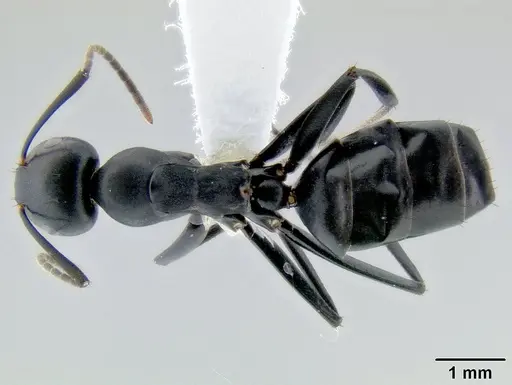
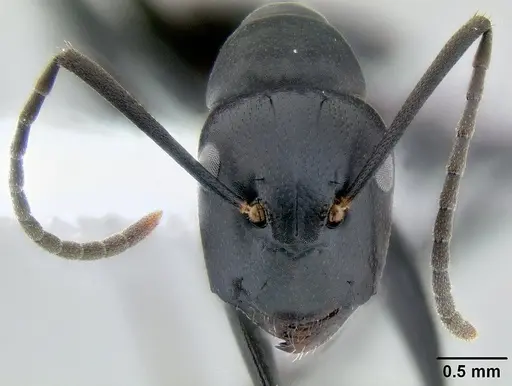
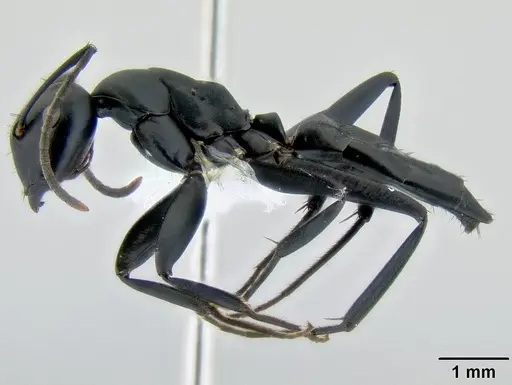
CASENT0181531
View on AntWeb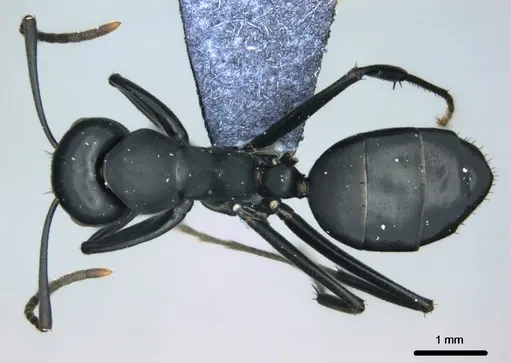
CASENT0186859
View on AntWeb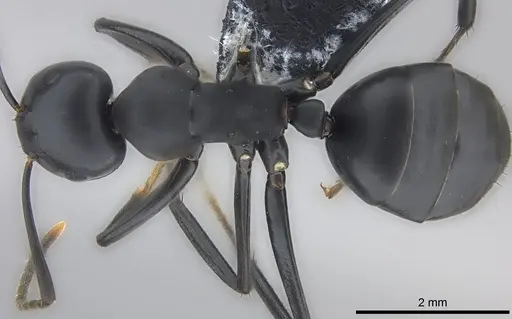
CASENT0280250
View on AntWeb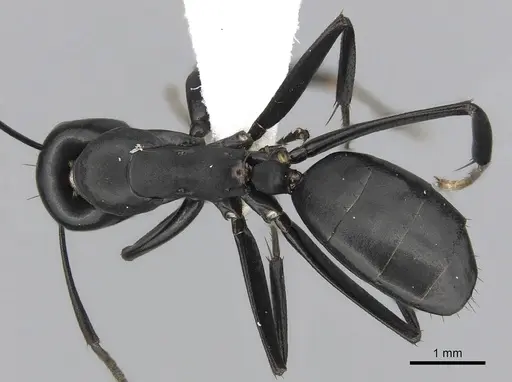
Literature
Loading...Loading products...