

Colobopsis sommeri
- Scientific Name
- Colobopsis sommeri
- Tribe
- Camponotini
- Subfamily
- Formicinae
- Author
- Forel, 1894
- Distribution
- Found in 1 countries
Colobopsis sommeri Overview
Colobopsis sommeri is an ant species of the genus Colobopsis. It is primarily documented in 1 countries , including New Caledonia. Detailed taxonomic data and occurrence records can be further explored via authoritative databases such as AntWeb or the Global Biodiversity Information Facility (GBIF).
Colobopsis sommeri
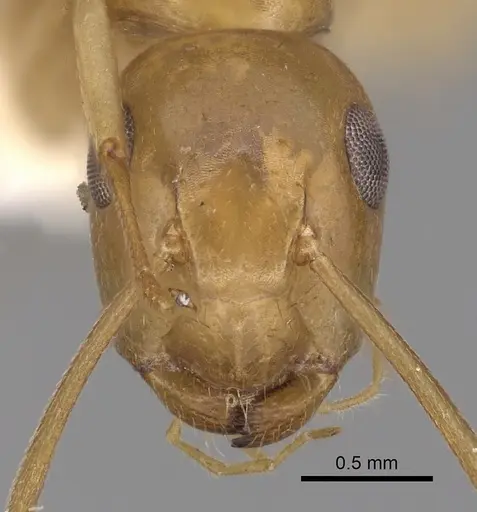
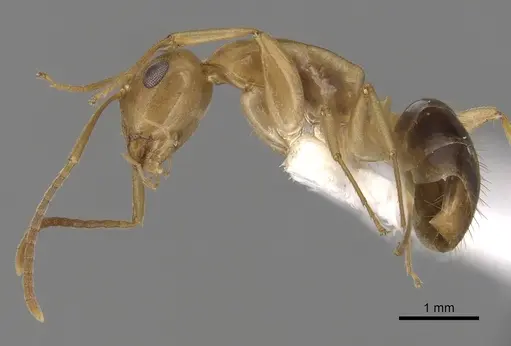
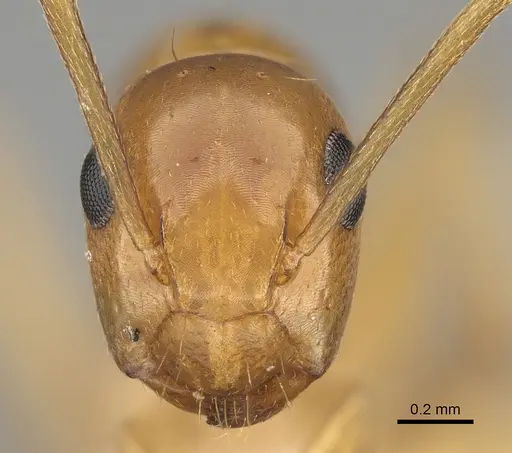
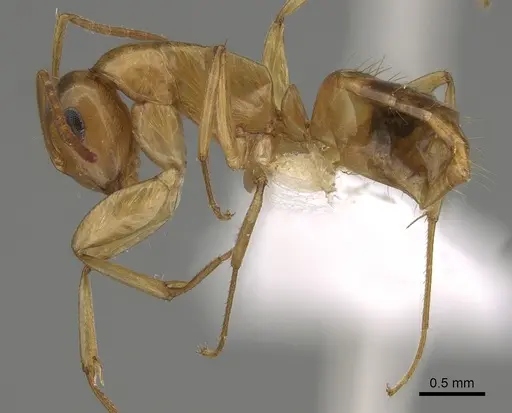
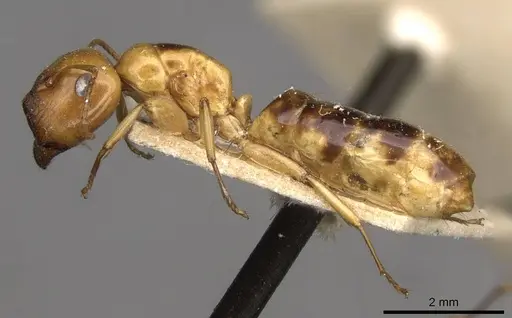
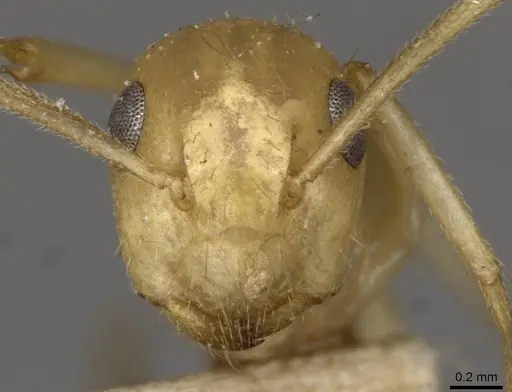
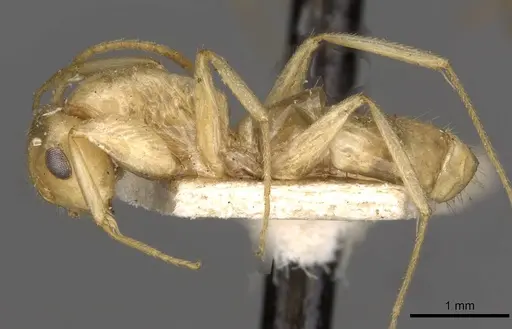
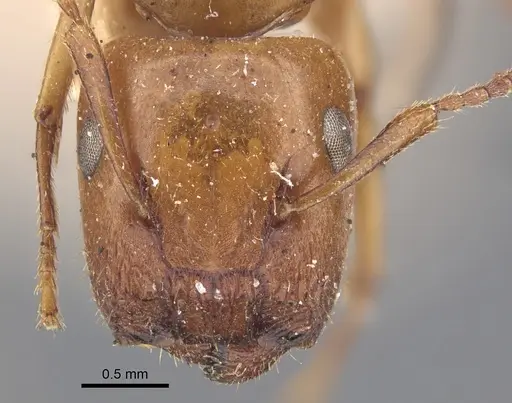
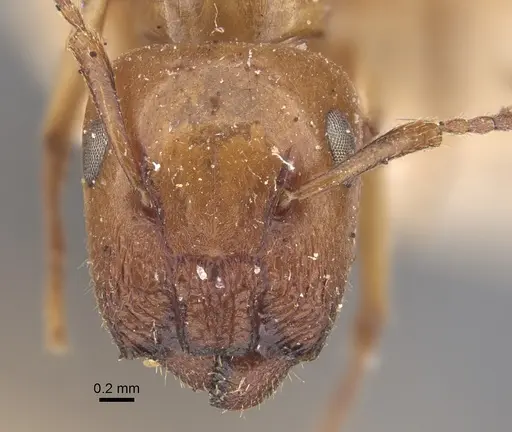
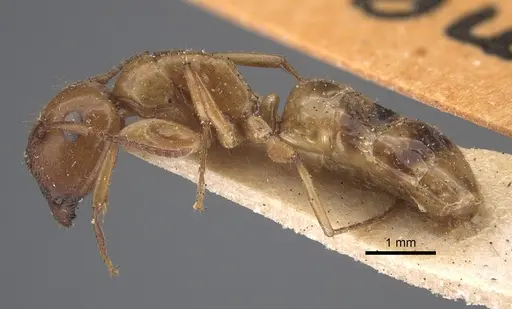
Colobopsis sommeri is a small to medium-sized ant native to New Caledonia and the Loyalty Islands. Workers are polymorphic, coming in major (larger) and minor (smaller) forms. This species was originally described as Colobopsis sommeri in 1894 by Forel and later moved to the genus Colobopsis. The genus Colobopsis is known for their distinctive ability to use their specially shaped heads as living plugs to seal nest entrances, a unique defensive adaptation. These ants are found in sclerophyll (dry) forests across their range [1][2].
As a New Caledonian species, C. sommeri inhabits a tropical to subtropical island environment. This ant is part of the Formicinae subfamily, making it related to common carpenter ants. Little specific research exists on this species' biology, but it shares typical traits with other Colobopsis ants, generally docile temperament and arboreal or wood-nesting habits. It is one of only three native ant species found across multiple sclerophyll forest sites in New Caledonia, indicating it plays a notable role in the island's ecosystem [1].
Quick Summary
- Difficulty: Medium
- Origin & Habitat: New Caledonia and Loyalty Islands (Mare). Found in sclerophyll (dry) forests, particularly at station N3 in Nékoro forest, and also present in Pindaï and Tiéa sclerophyll forests [1][2].
- Colony Type: Colony structure is unconfirmed. Like other Colobopsis species, likely monogyne (single queen) colonies based on typical genus patterns.
- Founding: Claustral
- Size & Growth:
- Queen: Unconfirmed, estimated 7-9mm based on related Camponotus species in the region
- Worker: Unconfirmed, estimated 3-6mm (polymorphic majors and minors)
- Colony: Unconfirmed, likely moderate colonies of several hundred workers based on genus patterns
- Growth: Moderate, inferred from typical Formicinae development
- Development: Estimated 6-10 weeks at optimal temperature based on related Camponotus species (Development time is estimated from genus-level data since species-specific research is unavailable. Expect slower growth than tropical specialists.)
- Antkeeping:
- Temperature: Keep at 24-28°C. As a tropical New Caledonian species, they prefer warm conditions. A heating cable on one side of the nest creates a suitable gradient
- Humidity: Moderate to high humidity (60-80%). New Caledonia has a humid subtropical climate. Keep nest substrate moist but not waterlogged, with some drier areas available.
- Diapause: Unlikely, being from a tropical island, they probably do not require true hibernation. However, they may slow down during cooler periods.
- Nesting: In nature, Colobopsis typically nest in rotting wood, hollow twigs, or under bark. In captivity, a Y-tong (AAC) nest, plaster nest, or naturalistic setup with wood pieces works well. They prefer tight chambers scaled to their size.
- Behavior: Generally docile and non-aggressive, typical of Colobopsis and related Formicinae. Workers are moderate foragers, likely foraging for honeydew and small insects. Escape risk is moderate, use standard barrier methods but they are not particularly strong climbers. Their unique head-plugging behavior may be observed as a defensive response when nest is disturbed.
- Common Issues: limited availability, this species is rarely available in the antkeeping hobby due to its restricted range, specific humidity needs, tropical origins mean they can suffer in dry conditions, slow colony growth, Formicinae typically develop more slowly than Myrmicinae species, very limited breeding data, successful captive breeding protocols are not well-established, wild-caught colonies may struggle with captivity if not properly acclimated
Natural History and Distribution
Colobopsis sommeri is endemic to the New Caledonia region, found primarily on the main island of New Caledonia and the Loyalty Island of Mare [2]. This species was originally described by Forel in 1894 from specimens collected by M. Sommer, hence the species name 'sommeri'.
In their natural habitat of sclerophyll forests, these ants occupy a specific ecological niche. They are one of only three native ant species found across multiple dry forest sites in New Caledonia, along with Ochetellus glaber and Polyrhachis guerini [1]. This suggests they are well-adapted to the dry forest environment but may have limited distribution within the island. They have been recorded at station N3 in the Nékoro forest area and are also present in Pindaï and Tiéa sclerophyll forests [1].
The genus Colobopsis is known for a unique defensive behavior where workers use their specially adapted, bottle-shaped heads to plug nest entrances. This 'living door' behavior protects the colony from predators and intruders. While not specifically documented for C. sommeri, this is a characteristic trait of the genus that keepers may observe.
Housing and Nest Preferences
In the wild, Colobopsis species typically nest in rotting wood, hollow twigs, under bark, or in pre-existing cavities in trees. This makes them somewhat arboreal in their nesting preferences. For captive care, several nest types work well:
Y-tong (AAC) nests are an excellent choice, the narrow chambers mimic their natural cavities and the acrylic construction allows for easy observation. Plaster nests also work well, provided you maintain adequate humidity. For a naturalistic approach, include pieces of rotting wood or bamboo tubes in the outworld.
The key is providing appropriately sized chambers, Colobopsis prefer tight, snug spaces that match the dimensions of their natural nest cavities. Avoid large, open areas in the nest. In the outworld, include some climbing structures as they are moderately arboreal.
Escape prevention is important but not extreme, they are not particularly aggressive biters and don't climb smooth surfaces as well as some ants. Standard barrier methods (fluon on rim edges, tight-fitting lids) are sufficient.
Feeding and Diet
Like other Formicinae ants, Colobopsis sommeri likely has an omnivorous diet. Workers probably forage for honeydew from aphids and scale insects, collect nectar from flowers, and hunt small insects and arthropods for protein.
For captive feeding, offer a varied diet:
- Sugar sources: Sugar water, honey water, or small drops of honey. Change these every few days.
- Protein: Small insects like fruit flies, pinhead crickets, or mealworm pieces. Offer protein 1-2 times per week.
- Fresh water: Always available, either via a water tube with cotton or moist sponge.
Since this species comes from a tropical environment with year-round foraging opportunities, they likely do not have strong seasonal food preferences. Keep sugar sources available constantly and offer protein regularly.
Temperature and Seasonal Care
As a species from New Caledonia (a subtropical island), Colobopsis sommeri requires warm temperatures. Keep the nest area at 24-28°C. This can be achieved using a heating cable placed on top of the nest (never under it, as that can cause drying). Room temperature may be sufficient if your home is naturally warm.
A temperature gradient is ideal, allow one area of the nest to be slightly cooler (around 22-24°C) so workers can self-regulate. If workers consistently cluster near the heat source, increase temperature slightly. If they avoid the heated area, reduce heat.
Regarding seasonal changes: being from a tropical island, they likely do not require a true hibernation period. However, they may show reduced activity during cooler months. Do not attempt to cool them significantly below room temperature, a drop to 18-20°C during winter is likely sufficient if they show any slowdown.
Humidity is important, aim for 60-80% relative humidity in the nest area. Mist occasionally if the nest appears dry, but avoid constant dampness which can lead to mold.
Colony Founding
The founding behavior of Colobopsis sommeri has not been specifically documented, but based on genus patterns and related Formicinae, it is almost certainly claustral. This means the newly mated queen seals herself in a small chamber and does not leave to forage during the founding period. She survives entirely on stored fat reserves and metabolic byproducts while raising her first brood.
During claustral founding, the queen will remain sealed in her chamber for several weeks to months while she lays eggs, tends to the larvae, and eventually rears the first workers (called nanitics). These first workers are typically smaller than normal workers.
Keep founding queens in a quiet, dark location with no disturbance. Do not check on them frequently, this can cause stress and abandonment. Simply wait until you see the first workers emerge, then begin offering tiny amounts of food.
Frequently Asked Questions
How long does it take for Colobopsis sommeri to raise first workers?
The exact timeline is unconfirmed for this species, but based on related Camponotus and Colobopsis species, expect 6-10 weeks from egg to first worker at optimal temperature (24-28°C). The queen will remain sealed in her founding chamber during this time.
What do Colobopsis sommeri ants eat?
They are omnivorous. Offer sugar water or honey constantly, and protein (small insects like fruit flies or mealworm pieces) 1-2 times per week. They likely also collect honeydew in the wild, so occasional sweet treats are appreciated.
What temperature do Colobopsis sommeri need?
Keep them warm at 24-28°C. As a tropical New Caledonian species, they do not tolerate cool conditions. A heating cable on the nest can help maintain appropriate temperatures.
Can I keep multiple Colobopsis sommeri queens together?
This has not been documented. Based on typical genus behavior, they likely form single-queen colonies. Do not attempt to combine unrelated foundress queens, they will likely fight.
What size colony do Colobopsis sommeri reach?
Colony size is unconfirmed for this specific species. Based on related Colobopsis species, they likely reach several hundred workers at maturity. Growth is moderate, expect several months to a year before you have significant worker numbers.
Do Colobopsis sommeri need hibernation?
Unlikely. Being from a tropical island (New Caledonia), they probably do not require true hibernation. They may slow slightly during cooler periods but should be kept warm year-round.
What nest type is best for Colobopsis sommeri?
Y-tong (AAC) nests work well, as do plaster nests or naturalistic setups with wood. They prefer tight chambers that mimic their natural nesting cavities in rotting wood. Avoid large, open spaces in the nest.
Is Colobopsis sommeri a good beginner ant?
This species is rated as Medium difficulty. While generally docile, it is rarely available in the antkeeping hobby and has limited documented care information. Beginners may want to start with more established species before attempting C. sommeri.
Why is my Colobopsis sommeri colony declining?
Common causes include: too low temperature (below 24°C), insufficient humidity, poor nutrition, or stress from too much disturbance. Ensure proper warmth, humidity, and varied diet. Also verify they are not being exposed to vibrations or light disturbances.
References

This caresheet is licensed under CC BY-SA 4.0 .
CASENT0280249
View on AntWeb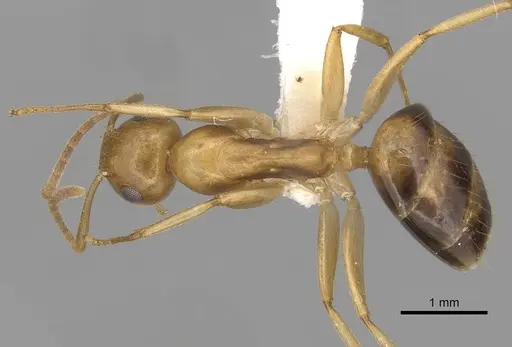
CASENT0887755
View on AntWeb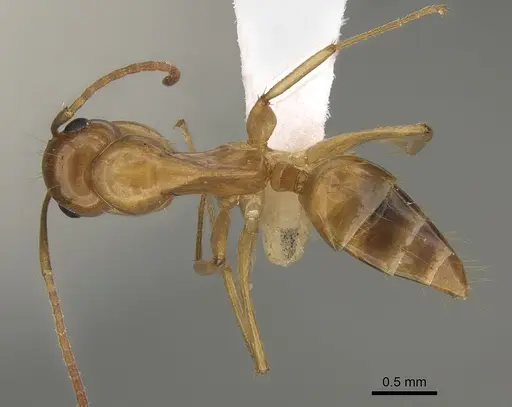
CASENT0910590
View on AntWeb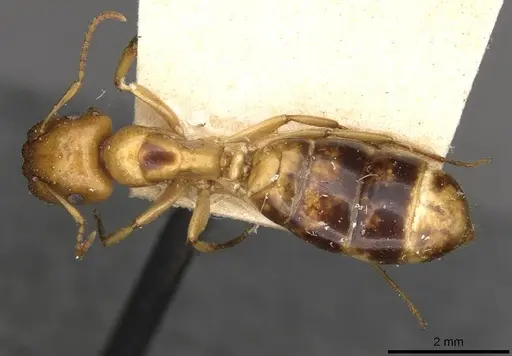
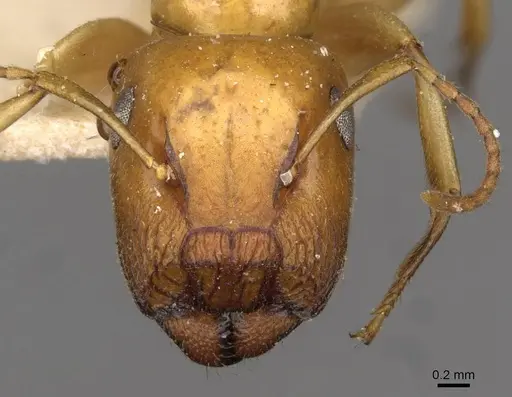
CASENT0910591
View on AntWeb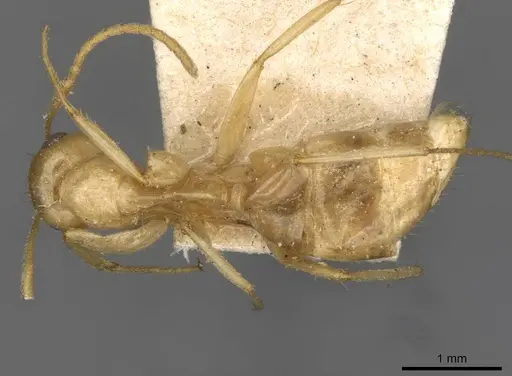
CASENT0917862
View on AntWeb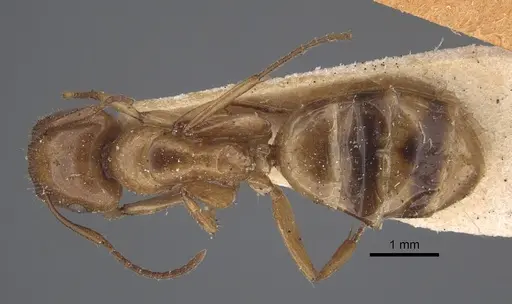
Literature
Loading...Loading products...