

Colobopsis riehlii
- Scientific Name
- Colobopsis riehlii
- Tribe
- Camponotini
- Subfamily
- Formicinae
- Author
- Roger, 1863
- Common Name
- Mangrove Gate-keeper Ant
- Distribution
- Found in 2 countries
Colobopsis riehlii Overview
Colobopsis riehlii (commonly known as the Mangrove Gate-keeper Ant) is an ant species of the genus Colobopsis. It is primarily documented in 2 countries , including Bahamas, United States of America. Detailed taxonomic data and occurrence records can be further explored via authoritative databases such as AntWeb or the Global Biodiversity Information Facility (GBIF).
Colobopsis riehlii - "Mangrove Gate-keeper Ant"
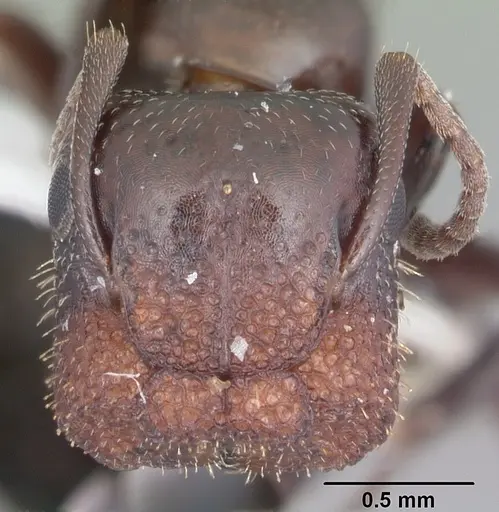
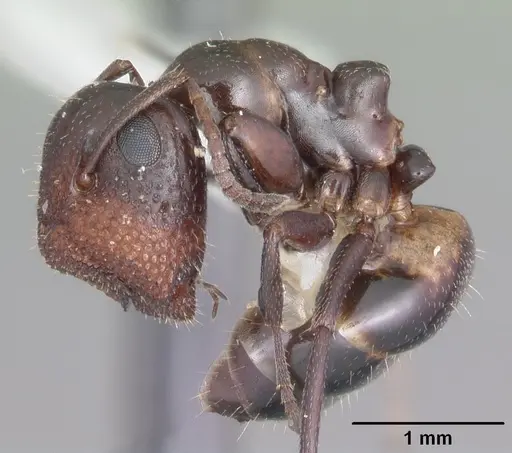
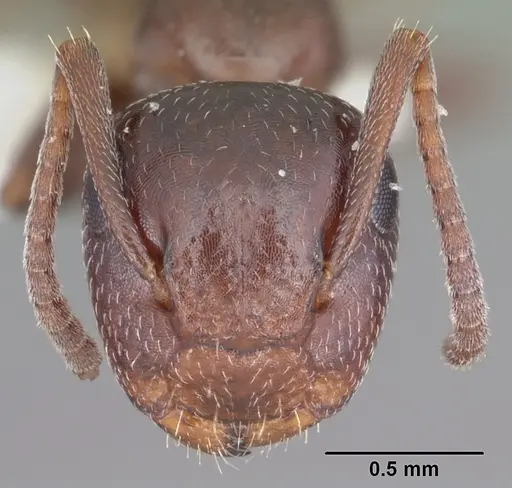
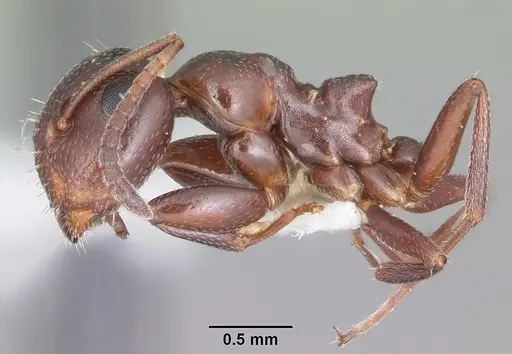
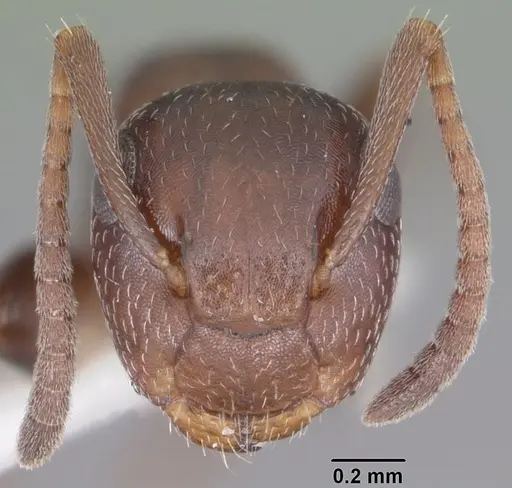
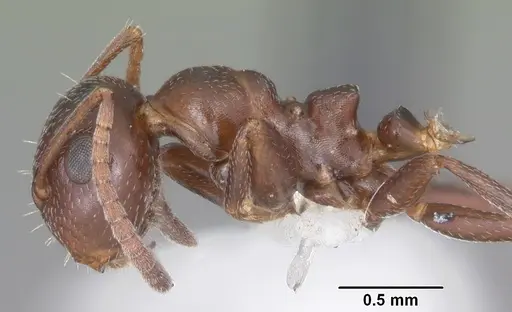
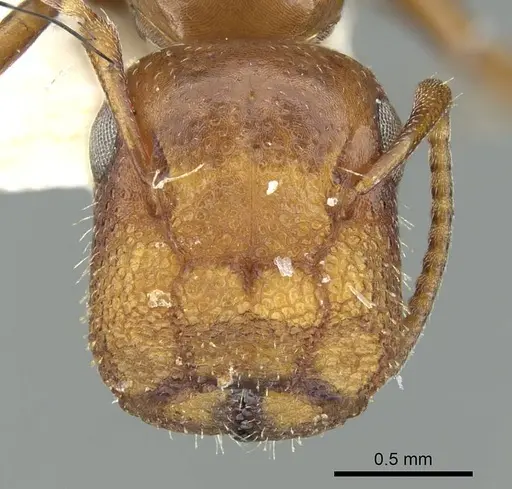
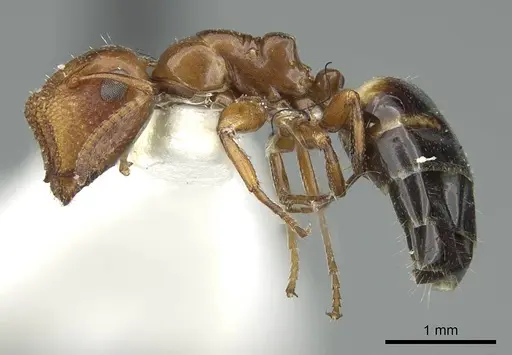
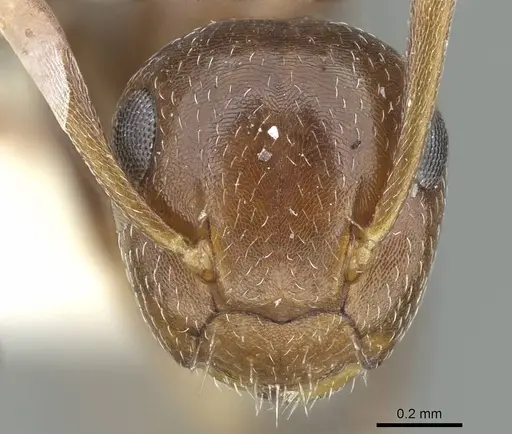
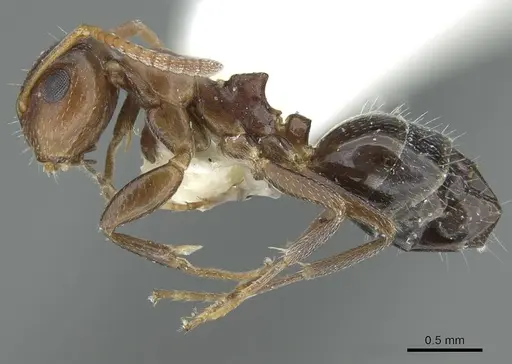
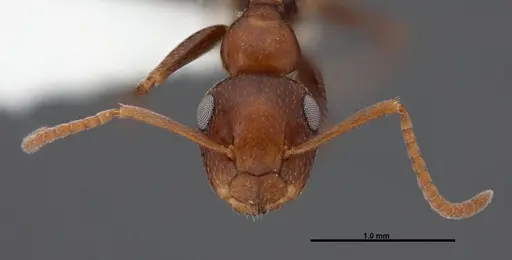
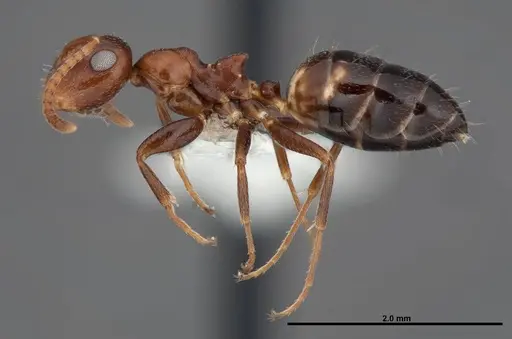
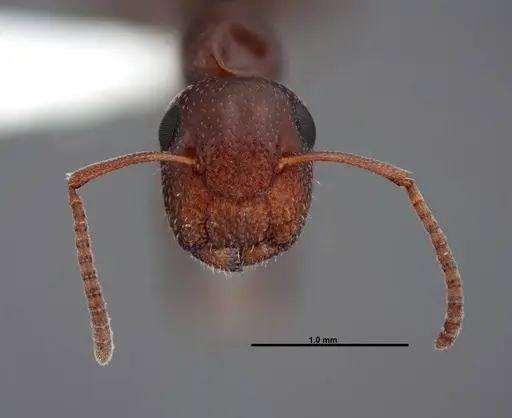
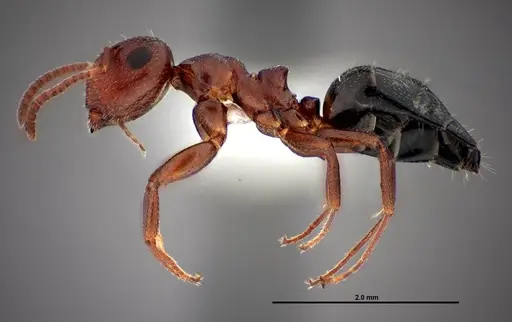
Colobopsis riehlii is a small to medium-sized ant known for its distinctive head shape, workers have a truncated, flattened front to their head that they use as a living plug to seal their nest entrance. This gives them the common name 'cork-headed ants.' The species is found in Cuba, the Bahamas, and southern Florida, making it one of the few ant species native to both the United States and the Caribbean [1]. Workers are reddish-brown with a dark gaster, and the colony structure is single-queen (monogyne). These ants nest in small twigs and hollow plant stems in tropical and subtropical forests, making them arboreal nesters [1].
Quick Summary
- Difficulty: Easy
- Origin & Habitat: Southern Florida (USA), Bahamas, and Cuba. They live in tropical and subtropical forests, nesting in twigs, hollow stems, and small cavities in dead wood [1].
- Colony Type: Single-queen colonies (monogyne). Queens establish nests alone in small cavities.
- Colony: Monogyne
- Founding: Claustral
- Size & Growth:
- Queen: 6.3-6.5mm [1]
- Worker: Major workers: 5-7mm, Minor workers: 3-4mm (estimated based on genus patterns)
- Colony: Likely several hundred workers based on related Colobopsis species
- Growth: Moderate, typical for Formicinae
- Development: Estimated 6-8 weeks at warm temperatures based on genus patterns for similar-sized Formicinae (Development time is estimated, not directly studied for this species. Expect similar timing to other small Camponotini.)
- Antkeeping:
- Temperature: Keep at 22-26°C. Being from southern Florida and the Caribbean, they prefer warm conditions. A heating cable on one side of the nest creates a temperature gradient they can choose from.
- Humidity: Moderate humidity around 50-70%. These arboreal nesters prefer slightly drier conditions than ground-nesting ants. Allow the nest to dry out partially between waterings.
- Diapause: Likely minimal or no true diapause. In southern Florida and Caribbean habitats, they experience year-round warmth. However, a slight slowdown in winter months is possible.
- Nesting: Use a small formicarium or test tube setup with narrow chambers. They naturally nest in twigs and small cavities, so Y-tong nests or acrylic nests with small chambers work well. Avoid large open spaces.
- Behavior: These ants are peaceful and not aggressive. Workers have the distinctive cork-like head used as a living plug, but they cannot sting. They are moderate foragers and will search for food in the outworld. Escape risk is moderate, use standard barriers but they are not particularly escape-prone like some tiny species.
- Common Issues: colonies may fail if kept too cold, they need warmth year-round, nests that are too large can cause stress, they prefer tight, snug chambers, wild-caught colonies may have parasites that kill them in captivity, overwatering can cause mold problems in their nests, slow founding means beginners may lose patience
Housing and Nest Setup
Colobopsis riehlii naturally nests in small twigs, hollow stems, and cavities in dead wood. For captivity, a Y-tong (AAC) nest or small acrylic formicarium with narrow chambers works best. These ants prefer tight, snug spaces rather than large open areas. A test tube setup can work for founding colonies, but you may need to move them to a proper formicarium once the colony reaches 20-30 workers. Because they are arboreal nesters, they do better with slightly drier conditions than most ground-nesting ants, allow the nest to partially dry between waterings. [1]
Feeding and Diet
Like other Formicinae ants, Colobopsis riehlii is omnivorous. They will accept sugar sources (honey water, sugar water) and protein foods (small insects like fruit flies, mealworms, crickets). Feed them a few small insects twice a week and keep a constant sugar water source available. Remove uneaten prey after 24-48 hours to prevent mold. These ants are foragers and will send workers out to collect food in the outworld.
Temperature and Heating
Being from southern Florida and the Caribbean, these ants need warm conditions. Keep the nest area at 22-26°C. A heating cable placed on one side of the nest creates a temperature gradient so workers can move to their preferred temperature. Avoid temperatures below 20°C for extended periods. Room temperature in most homes (20-24°C) is usually adequate, but you may need a small heating mat in cooler climates.
Behavior and Colony Life
The most distinctive feature of Colobopsis ants is their cork-like head. Workers have a truncated, flattened front to their head that they can use to plug the nest entrance like a cork in a bottle. This is a defensive adaptation, when threatened, workers plug the entrance to protect the colony. Despite this defense, they are peaceful ants and do not have a stinger. Colonies grow moderately fast once established, with the queen laying eggs continuously in warm conditions. [1]
Founding and Colony Development
Newly mated queens seek out small cavities in twigs or hollow stems to found their colony. The queen seals herself inside (claustral founding) and lives entirely on her stored fat reserves while raising the first workers (nanitics). This first brood takes several months to develop. Be patient during founding, do not disturb the queen or open the nest. Once the first workers emerge, they will begin foraging and the colony will grow gradually.
Frequently Asked Questions
How long does it take for Colobopsis riehlii to produce first workers?
Expect 6-8 months from founding to first workers. The queen seals herself in and raises the first brood alone, which takes considerable time. Be patient and avoid disturbing the nest during this period.
What temperature do Colobopsis riehlii need?
Keep them warm at 22-26°C. They come from southern Florida and the Caribbean and need year-round warmth. A small heating cable or heating mat can help maintain proper temperatures.
Can I keep multiple Colobopsis riehlii queens together?
No, this species is monogyne (single-queen). Only keep one queen per colony. Multiple queens will fight until only one remains.
What do Colobopsis riehlii eat?
They are omnivores. Offer sugar water or honey constantly, and feed small insects (fruit flies, mealworms, small crickets) a few times per week. Remove uneaten food promptly.
Are Colobopsis riehlii good for beginners?
Yes, they are a good beginner species. They are peaceful, don't sting, and have straightforward care requirements. The main challenges are providing proper warmth and being patient during colony founding.
Do Colobopsis riehlii need hibernation?
No, they do not need true hibernation. Being from tropical and subtropical regions, they stay active year-round with proper warmth. You may see slightly reduced activity in winter, but no special cooling period is required.
When should I move Colobopsis riehlii to a formicarium?
You can keep them in a test tube for founding, but consider moving them to a small formicarium (Y-tong or acrylic) once the colony reaches 20-30 workers. They prefer small, snug chambers.
How big do Colobopsis riehlii colonies get?
Based on related species, colonies likely reach several hundred workers over several years. They are not among the largest ant species.
Why is the head of Colobopsis riehlii shaped that way?
Workers have a distinctive truncated (flattened) front to their head that functions as a living cork. They can plug nest entrances with their head to defend against predators and intruders. This is the origin of their common name 'cork-headed ants.'
References

This caresheet is licensed under CC BY-SA 4.0 .
CASENT0103726
View on AntWeb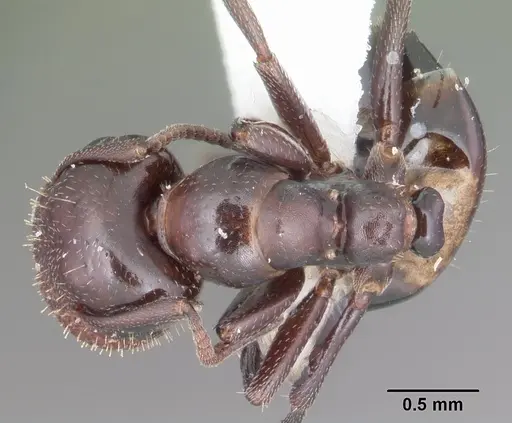
CASENT0103727
View on AntWeb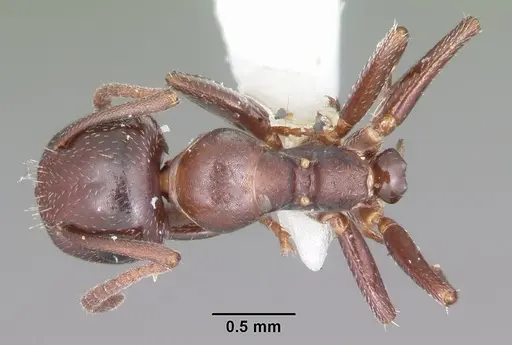
CASENT0103728
View on AntWeb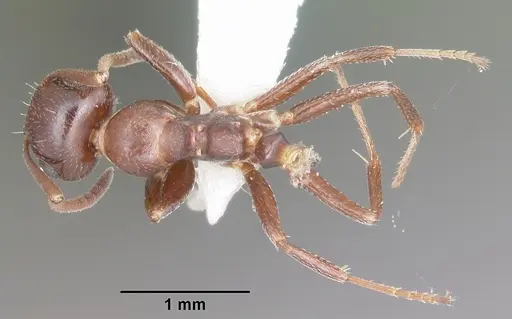
CASENT0914448
View on AntWeb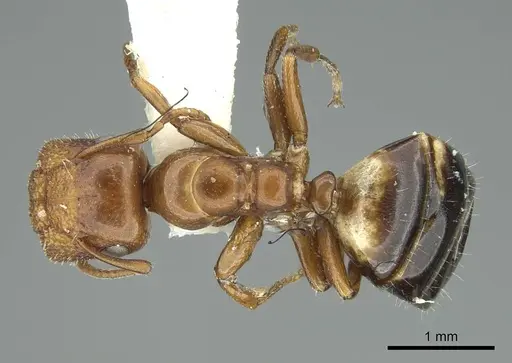
CASENT0914449
View on AntWeb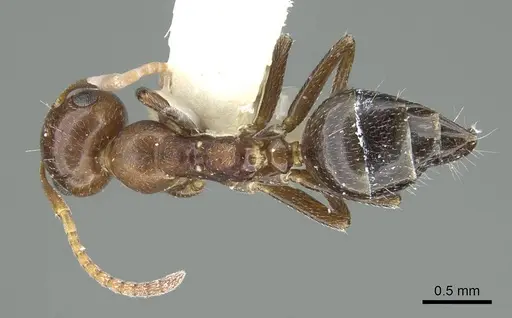
FMNHINS0000088669
View on AntWeb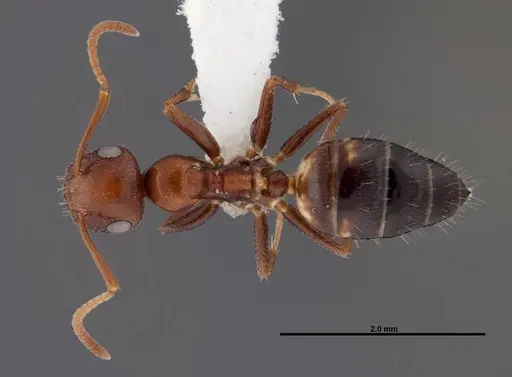
FMNHINS0000088682
View on AntWeb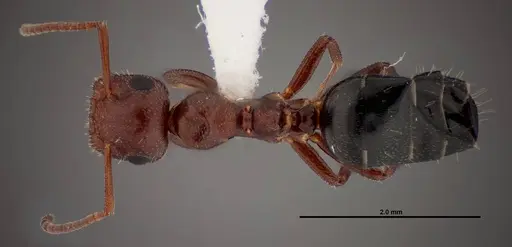
Literature
Loading...Loading products...