

Colobopsis quadriceps
- Scientific Name
- Colobopsis quadriceps
- Tribe
- Camponotini
- Subfamily
- Formicinae
- Author
- Smith, 1859
- Distribution
- Found in 2 countries
Colobopsis quadriceps Overview
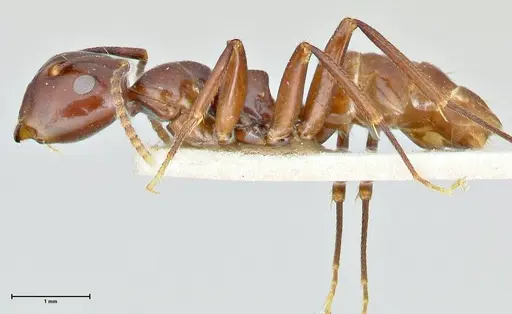
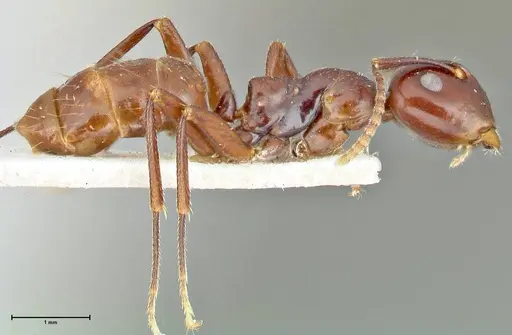
Colobopsis quadriceps is an ant species of the genus Colobopsis. It is primarily documented in 2 countries , including Indonesia, Papua New Guinea. Detailed taxonomic data and occurrence records can be further explored via authoritative databases such as AntWeb or the Global Biodiversity Information Facility (GBIF).
Colobopsis quadriceps
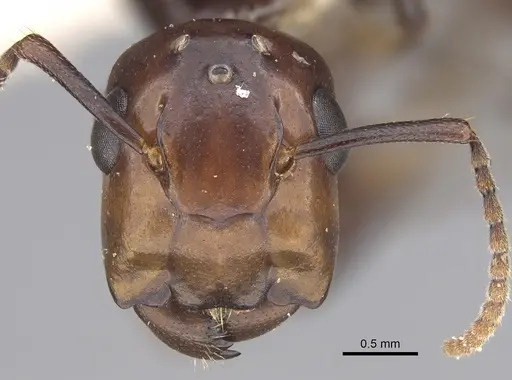
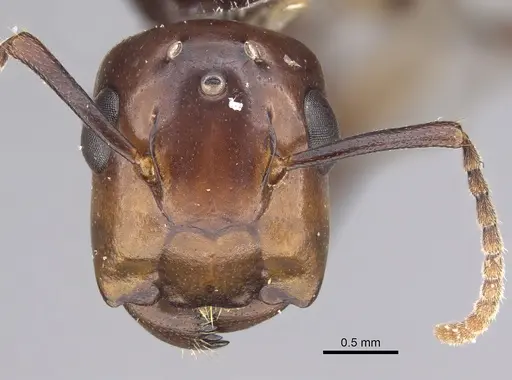
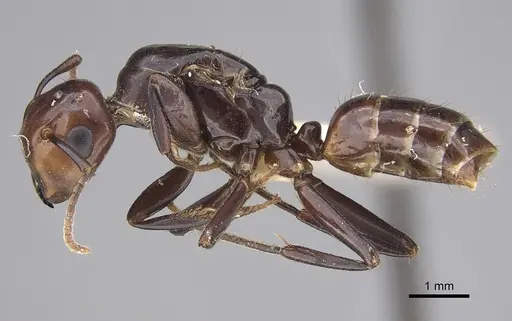
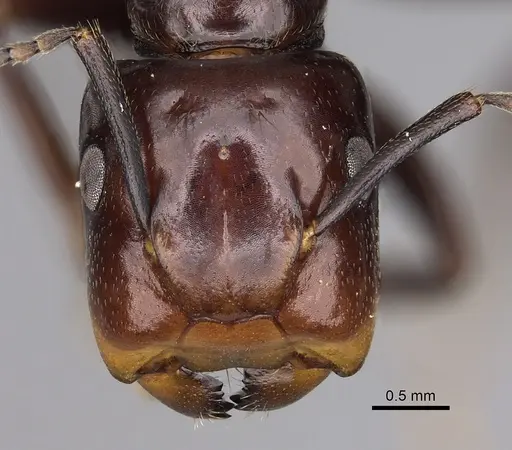
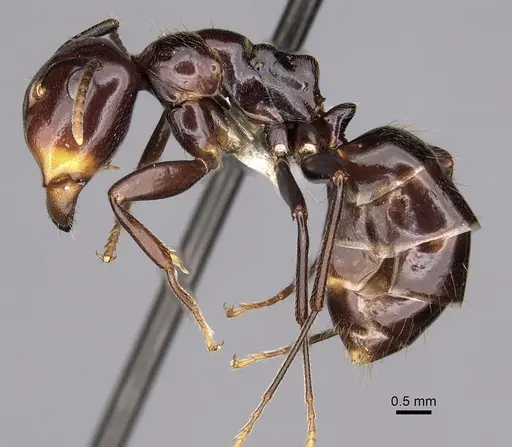
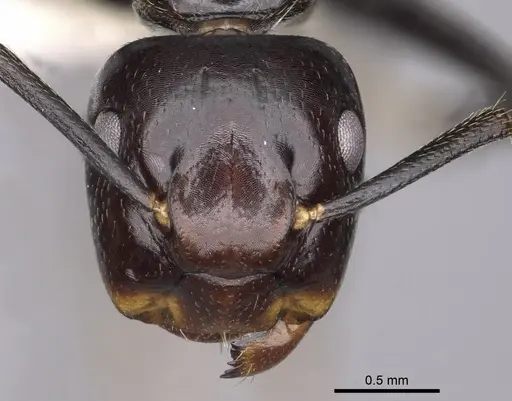
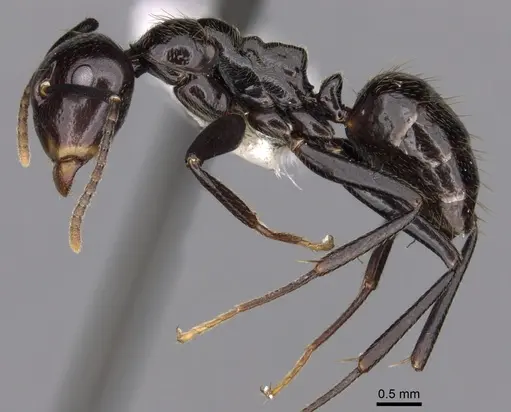
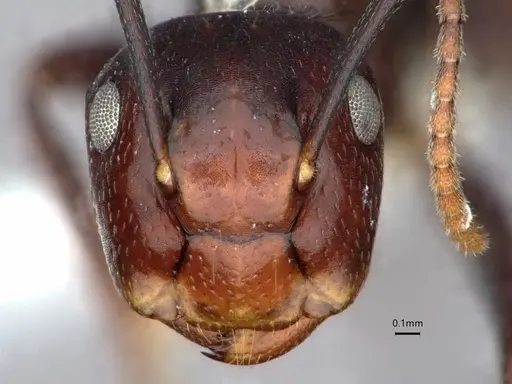
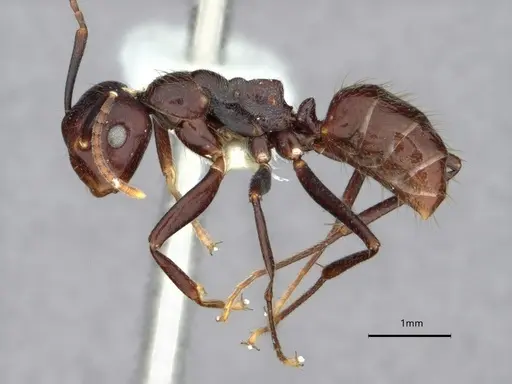
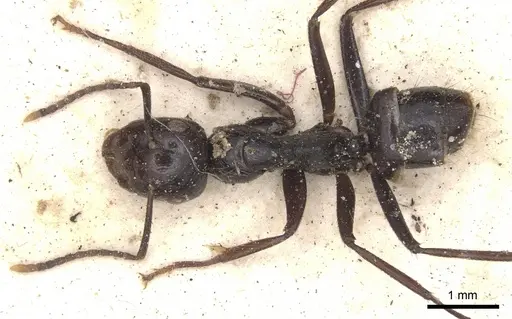
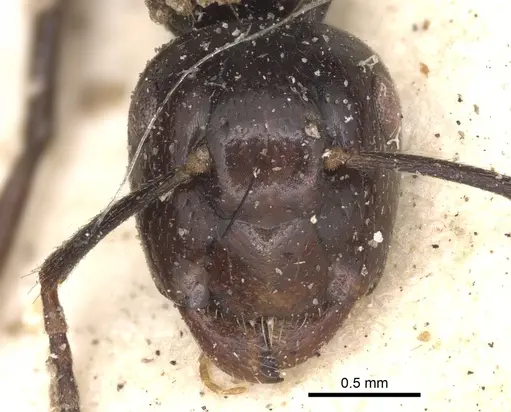
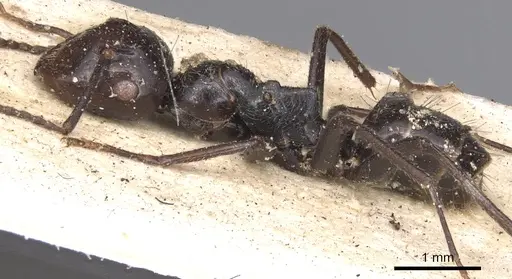
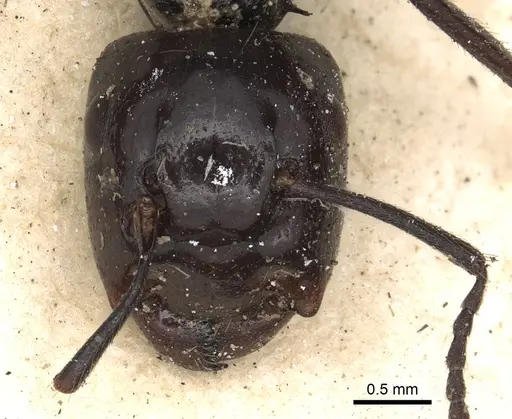
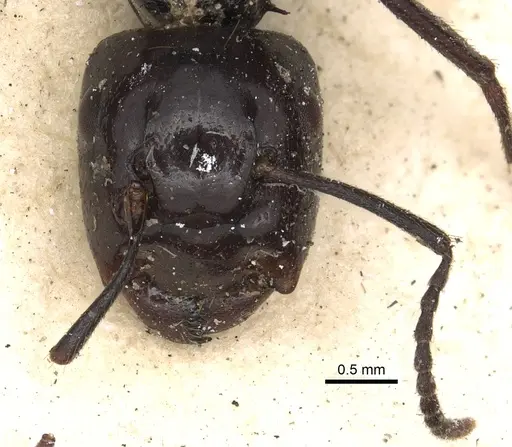
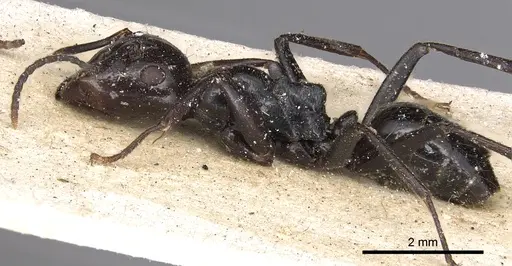
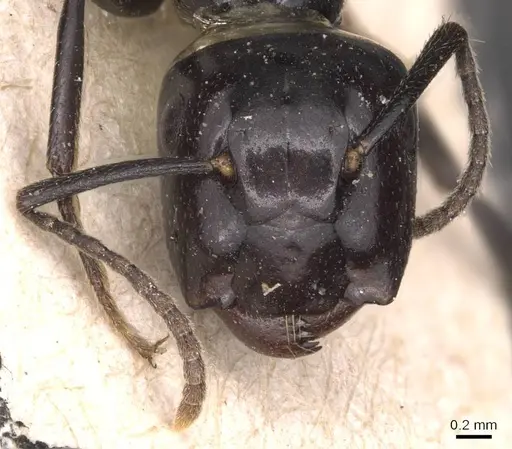
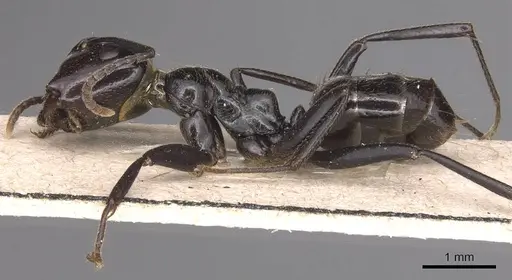
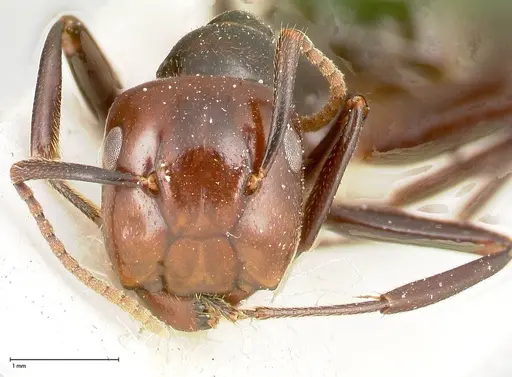
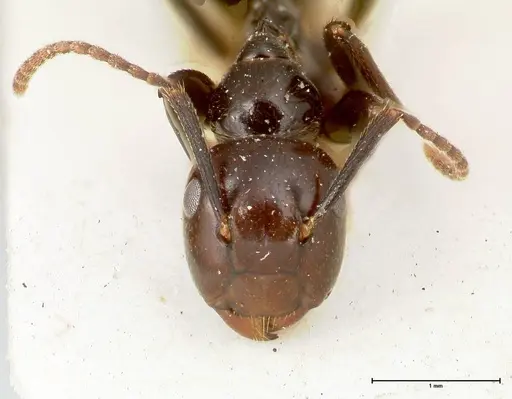
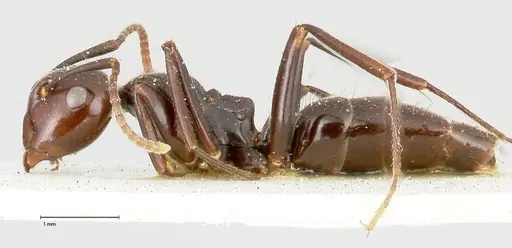
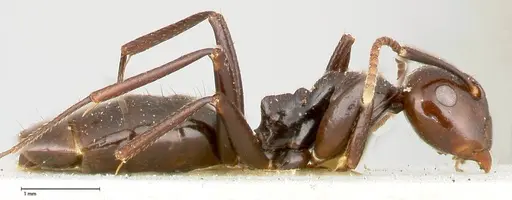
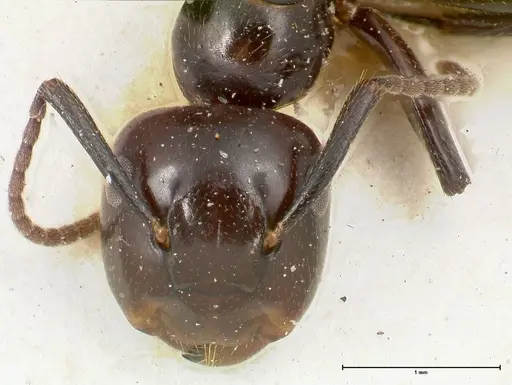
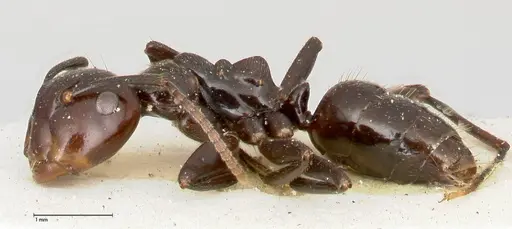
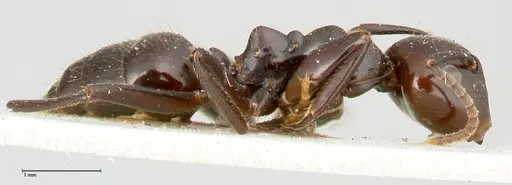
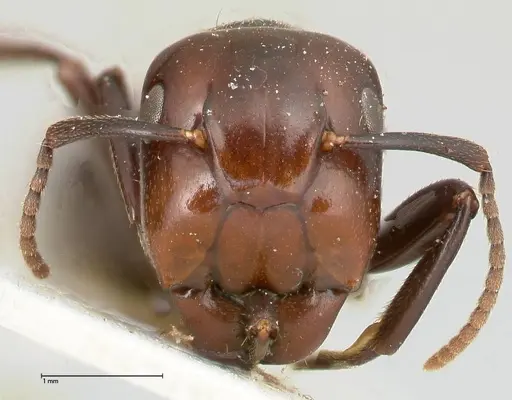
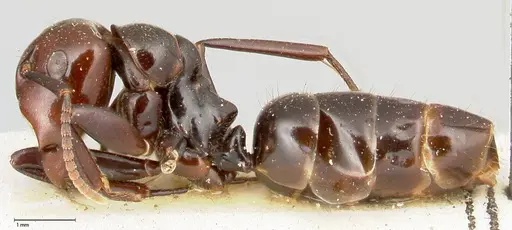
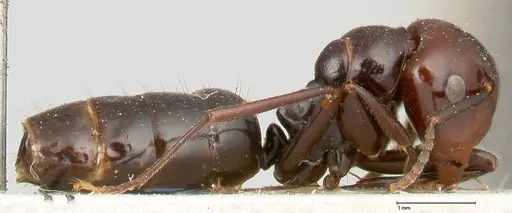
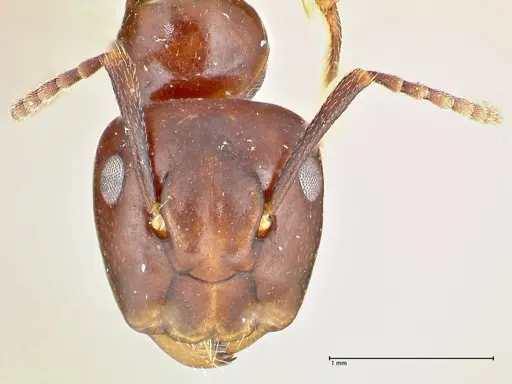
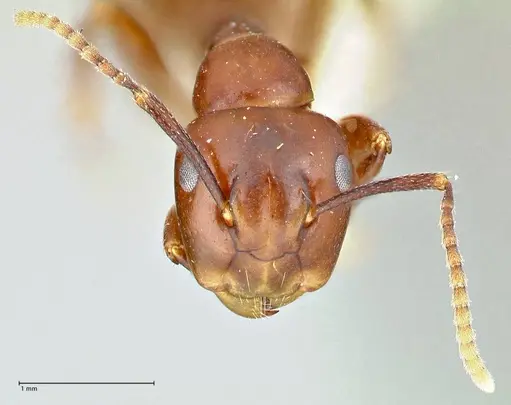
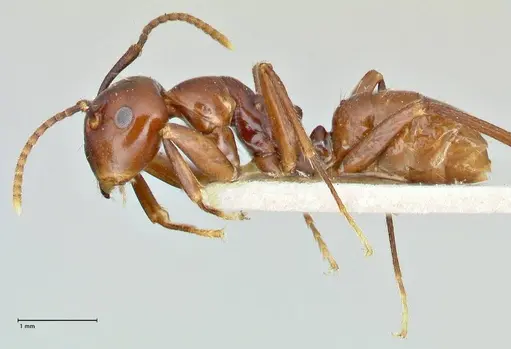
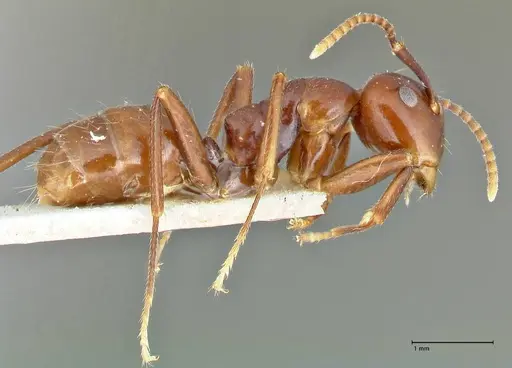
Colobopsis quadriceps is a small to medium-sized arboreal ant native to the Indo-Malayan region, found throughout Indonesia (including Ambon, Aru Islands, Sumatra, and Irian Jaya) and Papua New Guinea [1][2]. Workers measure 4.8-7.5mm with distinctive phragmosis, soldiers have specialized heads that function as living plugs to block nest entrances in their host plants [3]. This species is obligately associated with myrmecophytic Endospermum trees (Euphorbiaceae), colonizing even very young plants with stems as thin as 1cm in diameter [4]. The colonies inhabit hollow stems where the ants excavate chambers and line the inner walls with fungal hyphae, creating a unique mutualistic relationship [5].
Quick Summary
- Difficulty: Medium
- Origin & Habitat: Tropical rainforests of Indonesia and Papua New Guinea, exclusively nesting in myrmecophytic Endospermum trees [3][4]. Found in both primary and secondary forest plots, showing some tolerance for disturbed habitats [6].
- Colony Type: Colony structure is unconfirmed, likely monogyne (single queen) based on typical Colobopsis patterns, but no direct studies exist.
- Colony: Monogyne
- Founding: Claustral
- Size & Growth:
- Queen: Approximately 8mm [2], inferred from female measurements
- Worker: 4.8-7.5mm (minima 4.8mm, typical 7.5mm, maxima 6mm major workers) [2]
- Colony: Small colonies, only 3 total nests documented in one study [3]
- Growth: Unknown, likely moderate based on typical tropical arboreal ant patterns
- Development: 6-8 weeks estimated based on related Camponotus species (Development timeline is unconfirmed for this specific species)
- Antkeeping:
- Temperature: Keep at 24-28°C, these are tropical ants requiring warm, stable conditions. Room temperature in most homes should suffice, but a heating cable on one side of the nest can help maintain warmth if needed.
- Humidity: High humidity required (70-85%). As arboreal ants living in plant stems, they need consistently moist conditions. Mist the outworld regularly and keep nest material damp but not waterlogged.
- Diapause: No, as a tropical species, they do not require hibernation or winter rest. Keep temperatures stable year-round.
- Nesting: These ants are specialized arboreal nesters. In captivity, they do best in setups that mimic their natural stem-nesting behavior. Y-tong (AAC) nests or plaster nests with narrow chambers work well. Avoid large, open spaces, they prefer tight, enclosed chambers. Naturalistic setups with hollow twigs or bamboo sections can also work.
- Behavior: Colobopsis quadriceps is a peaceful arboreal ant with a unique defensive behavior called phragmosis, soldiers block nest entrances with their specially adapted plug-like heads [3]. They are not aggressive and rarely sting. Foraging occurs primarily in the outworld searching for honeydew and small prey. Escape risk is moderate, they are small but not particularly fast or agile. Standard escape prevention measures (Fluon barrier) are sufficient.
- Common Issues: tropical species requires warm temperatures, cold drafts or air conditioning can stress or kill colonies, arboreal nesting means they need high humidity, dry conditions cause desiccation and colony decline, phragmosis behavior means they may seal themselves into their nest chambers, making observation difficult, specialized diet, they rely on honeydew and may reject commercial sugar water, wild-caught colonies may be difficult to establish due to their specific host plant requirements
Natural History and Host Plant Relationship
Colobopsis quadriceps is an obligate inhabitant of myrmecophytic Endospermum trees, a relationship that has evolved over millions of years. These trees provide hollow stems (domatia) with pre-formed chambers that the ants can excavate and occupy [7]. The ants benefit from shelter and glandular secretions from the plant, while the plant benefits from the ants' protection against herbivores and competitors [4]. What makes this species remarkable is its ability to colonize very young plants, even stems just 1cm in diameter can be inhabited [4]. The inner walls of these domatia are often lined with fungal hyphae, creating a unique micro-ecosystem [5]. In the wild, colonies are found in both primary and secondary forests, showing some flexibility in habitat choice [3].
Phragmosis and Colony Defense
One of the most fascinating aspects of Colobopsis quadriceps is their defensive behavior called phragmosis. Major workers (soldiers) have specially adapted, plug-shaped heads that they use to block the entrance to their nest chambers [3]. When threatened, these soldiers position themselves at the nest opening, creating a living barrier that prevents predators from entering. This behavior is shared with several other Colobopsis species and represents an elegant evolutionary solution to defending arboreal nests. In captivity, you may observe this behavior when the colony feels disturbed, the nest entrance may appear blocked by a worker with her head pressed firmly against the opening. This is normal behavior and should not be cause for concern.
Housing and Nest Setup
Because these ants are specialized stem-nesters, their captive setup should mimic their natural environment as closely as possible. Y-tong (AAC) nests work well because they provide the dark, enclosed chambers these ants prefer. Plaster nests can also work if kept consistently moist. Avoid large, open formicaria, these ants feel exposed in spacious environments and may stress easily. A naturalistic setup with hollow bamboo sections or twigs can be particularly effective, as it mimics their natural host plant stems [4]. The outworld should be small to moderate in size, with plenty of climbing opportunities since these are arboreal ants. High humidity is essential, mist the outworld regularly and consider using a water reservoir in the nest to maintain moisture.
Feeding and Nutrition
In their natural habitat, Colobopsis quadriceps feeds primarily on honeydew collected from sap-sucking insects in their host trees, along with small prey items [4]. In captivity, you should offer a varied diet. Honey water or sugar water can be accepted, but these ants may be less interested in simple sugar solutions than other species. Live prey is important, small fruit flies, pinhead crickets, and other tiny arthropods should be offered regularly. They may also accept small pieces of fruit or insects. Feed every 2-3 days, removing any uneaten food after 24 hours to prevent mold. Always ensure fresh water is available.
Temperature and Seasonal Care
As a tropical species from Indonesia and Papua New Guinea, Colobopsis quadriceps requires warm temperatures year-round. Keep the nest area at 24-28°C (75-82°F) for optimal colony health and development [1]. Unlike temperate species, they do not require any hibernation or cooling period. In fact, cold temperatures can be fatal to these ants. If your room temperature falls below 24°C, consider using a heating cable or heat mat on one side of the nest to maintain warmth. However, avoid direct heat that could dry out the nest. Temperature stability is more important than exact numbers, avoid placing the nest near air conditioning vents, drafty windows, or anywhere with temperature fluctuations.
Colony Establishment and Growth
Establishing a colony of Colobopsis quadriceps can be challenging, particularly if starting from a wild-caught queen. The claustral founding queen will seal herself in a chamber and survive on stored fat reserves while raising her first brood [3]. This process typically takes 6-8 weeks under optimal conditions, but can take longer. The first workers (nanitics) will be smaller than mature workers and may take some time to establish foraging patterns. Colonies appear to remain small in nature, only 3 total nests were documented in one comprehensive field study [3]. In captivity, expect slow but steady growth over several months to years. Patience is key with this species.
Frequently Asked Questions
Can I keep Colobopsis quadriceps in a test tube?
Test tubes can work for founding colonies, but these ants prefer darker, more enclosed spaces than some other species. Once the colony reaches 10-15 workers, consider moving to a Y-tong or plaster nest that better mimics their natural stem-nesting behavior.
How long does it take for Colobopsis quadriceps to produce first workers?
From a claustral queen, expect 6-8 weeks at optimal temperature (24-28°C) for the first nanitic workers to emerge. This is an estimate based on related Camponotus species, as specific development data for this species is lacking.
What do Colobopsis quadriceps eat?
They primarily feed on honeydew in the wild, along with small insects and arthropods. In captivity, offer live prey (fruit flies, small crickets) several times per week, and honey water or sugar water as supplements.
Are Colobopsis quadriceps good for beginners?
This species is rated as Medium difficulty. While not the hardest ant to keep, their specific humidity and temperature requirements, combined with their specialized arboreal nesting needs, make them better suited for keepers with some experience.
Do Colobopsis quadriceps need hibernation?
No, as a tropical species from Indonesia and Papua New Guinea, they do not require hibernation. Keep temperatures warm and stable year-round (24-28°C).
Why is my Colobopsis quadriceps colony declining?
The most common causes are: low humidity (they need 70-85% moisture), temperatures below 24°C, poor nutrition, or stress from excessive disturbance. Check your setup and ensure the nest substrate stays consistently damp.
When should I move Colobopsis quadriceps to a formicarium?
Move them when the test tube or founding setup becomes crowded (typically 20+ workers) or when the water reservoir runs low frequently. Y-tong nests work well for this species.
Can I keep multiple Colobopsis quadriceps queens together?
This has not been documented. Based on typical Colobopsis patterns, single-queen colonies are most likely. Combining unrelated queens is not recommended.
What makes Colobopsis quadriceps unique?
Their phragmosis behavior, soldiers have plug-shaped heads that block nest entrances, is their most distinctive trait. They are also obligate inhabitants of Endospermum myrmecophytic trees, making them ecologically specialized.
References

This caresheet is licensed under CC BY-SA 4.0 .
CASENT0217690
View on AntWeb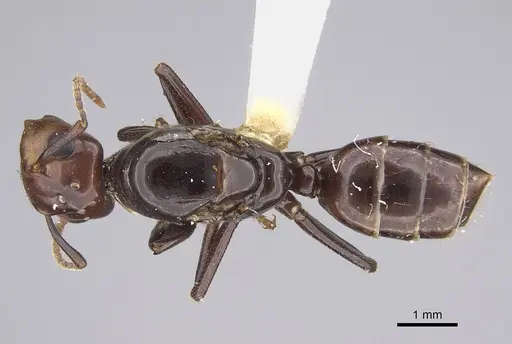
CASENT0280263
View on AntWeb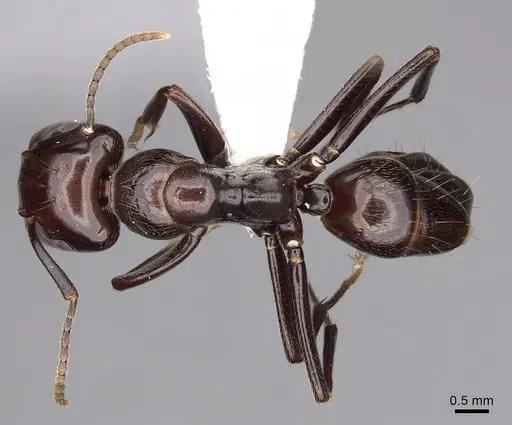
CASENT0280264
View on AntWeb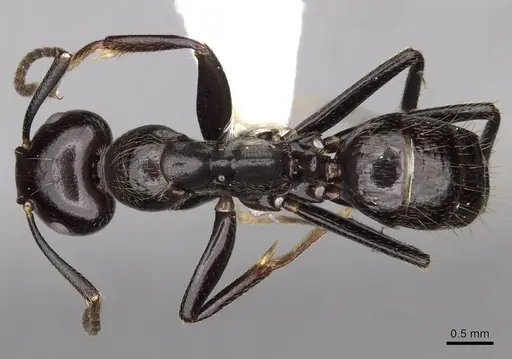
CASENT0886713
View on AntWeb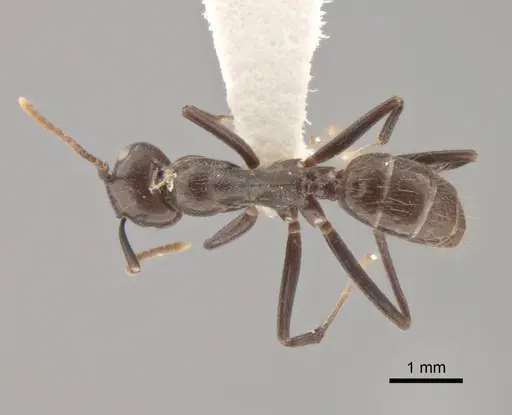
CASENT0901909
View on AntWeb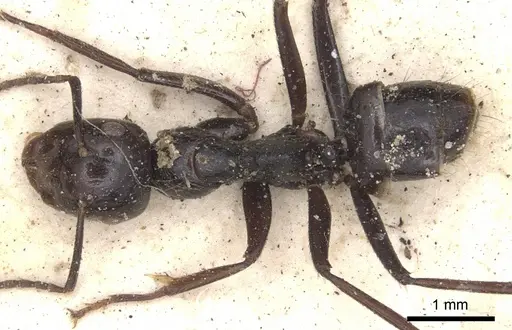
CASENT0901971
View on AntWeb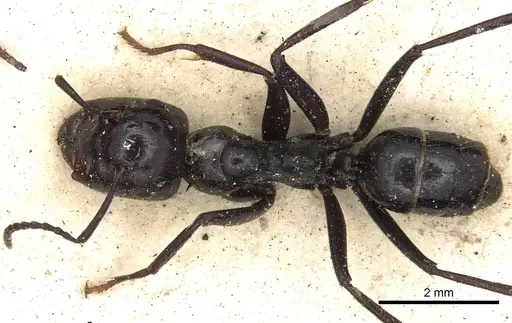
CASENT0905469
View on AntWeb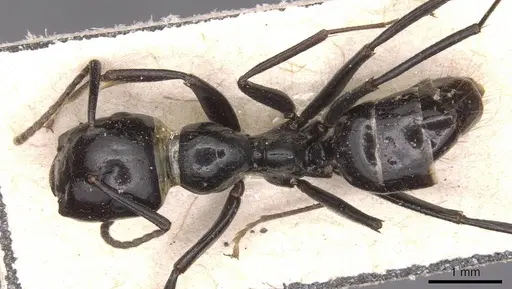
FOCOL0461
View on AntWeb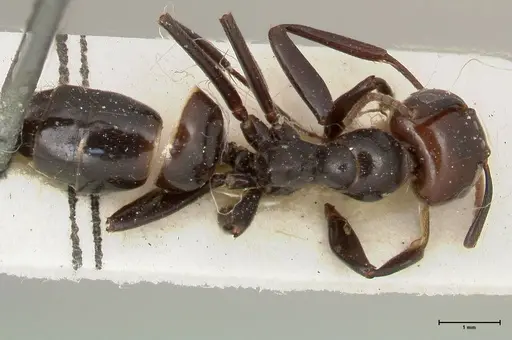
FOCOL0462
View on AntWeb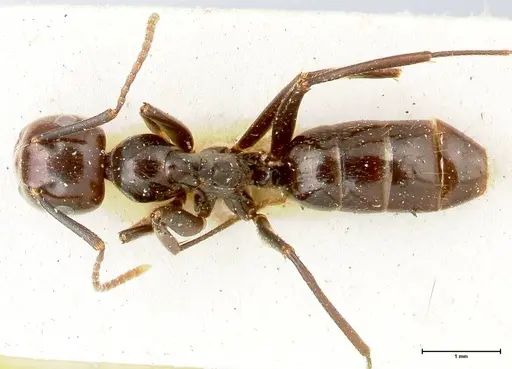
FOCOL0463
View on AntWeb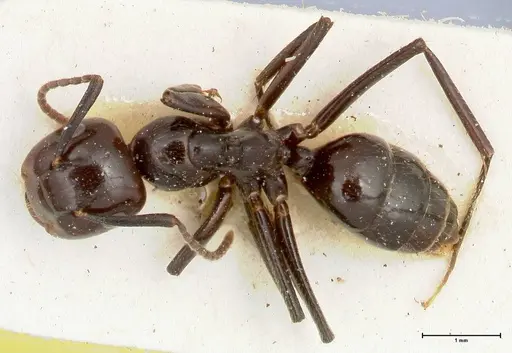
FOCOL0464
View on AntWeb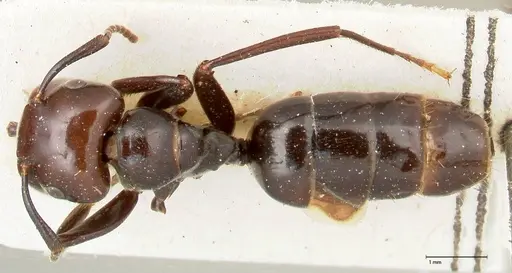
FOCOL2511
View on AntWeb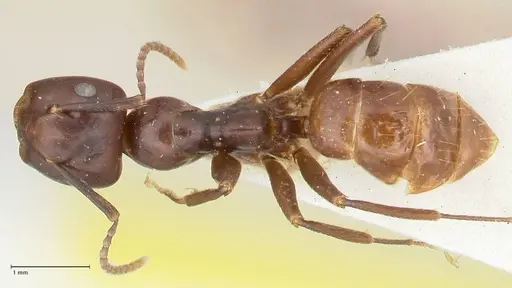
FOCOL2512
View on AntWeb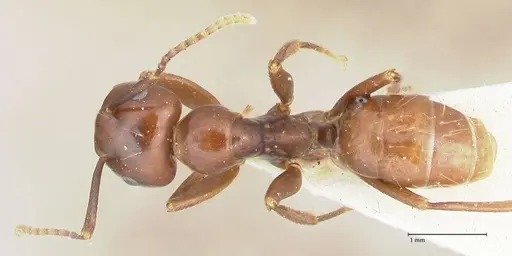
Literature
Loading...Loading products...