

Colobopsis papago
- Scientific Name
- Colobopsis papago
- Tribe
- Camponotini
- Subfamily
- Formicinae
- Author
- Creighton, 1953
- Distribution
- Found in 2 countries
Colobopsis papago Overview
Colobopsis papago is an ant species of the genus Colobopsis. It is primarily documented in 2 countries , including Mexico, United States of America. Detailed taxonomic data and occurrence records can be further explored via authoritative databases such as AntWeb or the Global Biodiversity Information Facility (GBIF).
Colobopsis papago
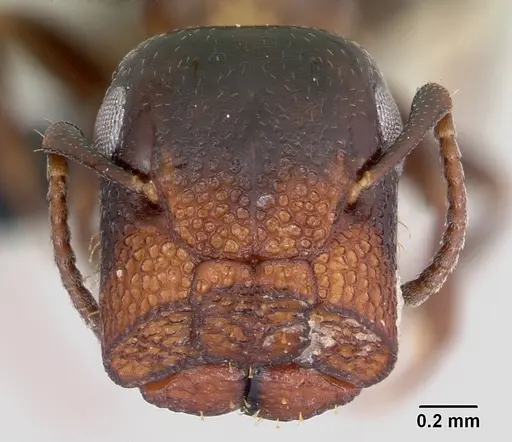
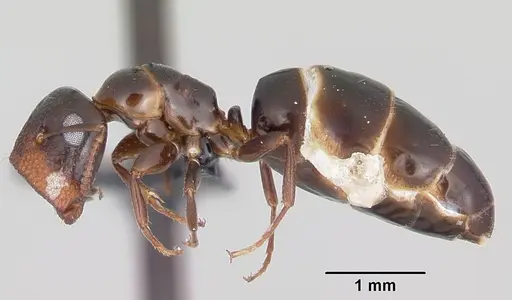
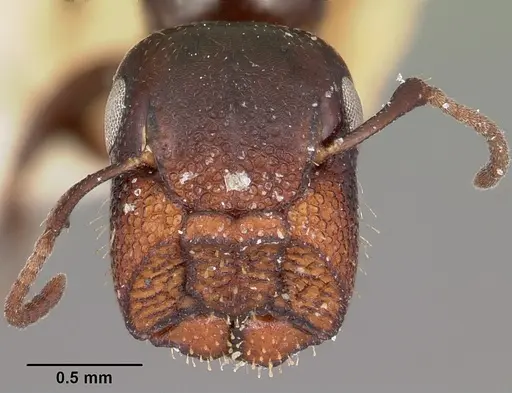
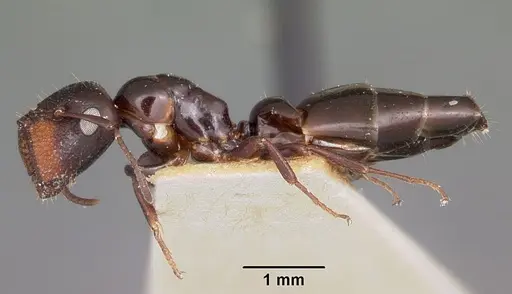
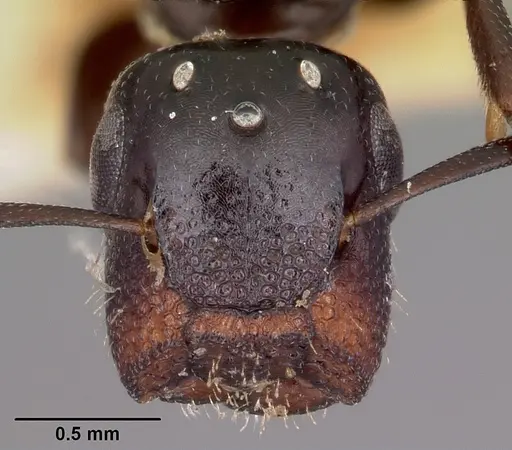
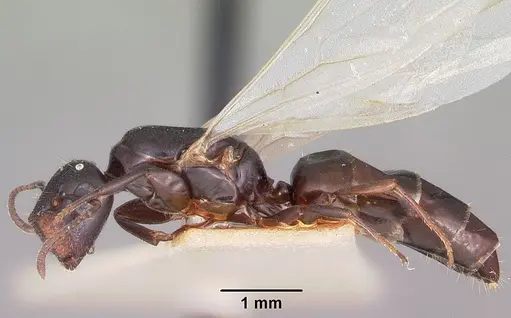
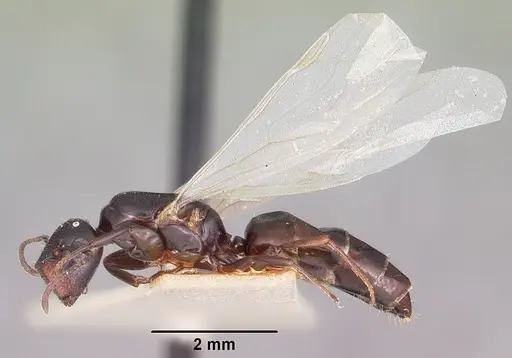
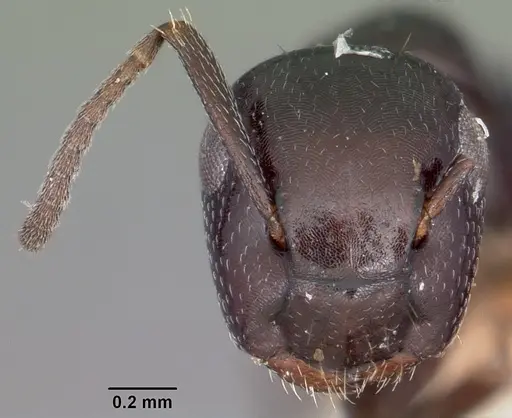
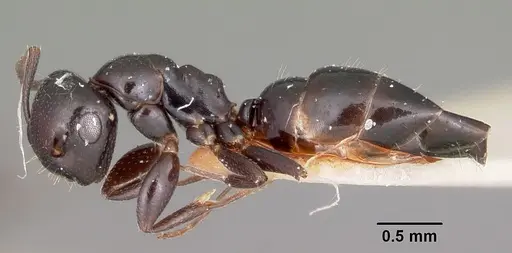
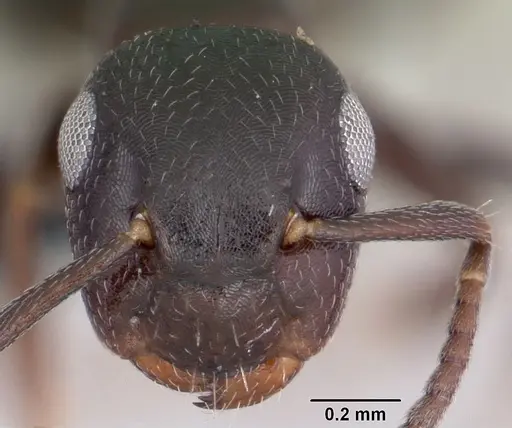
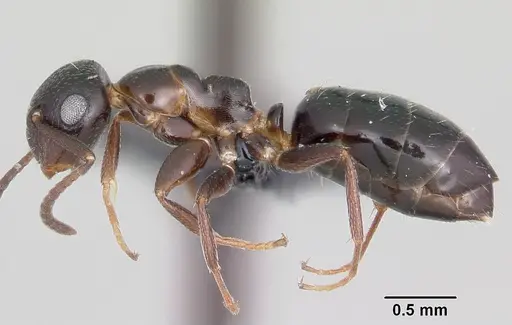
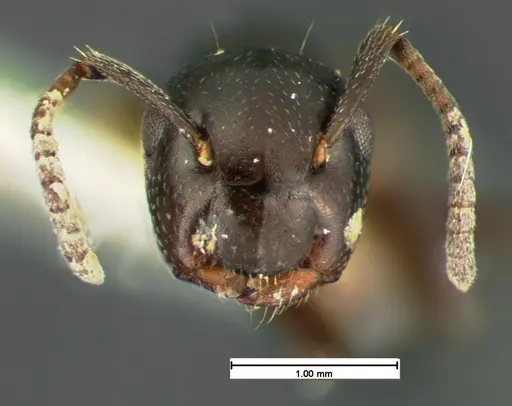
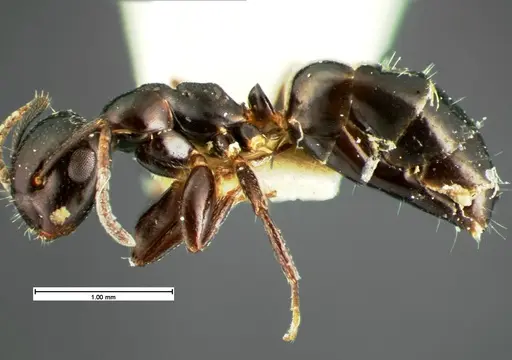
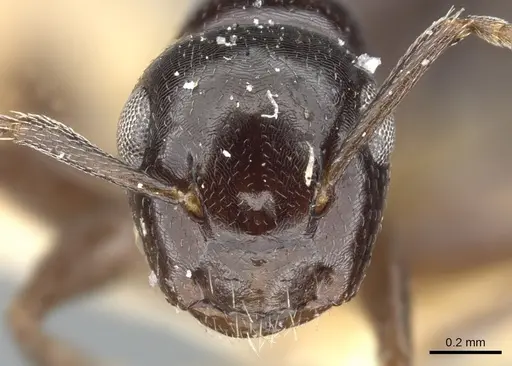
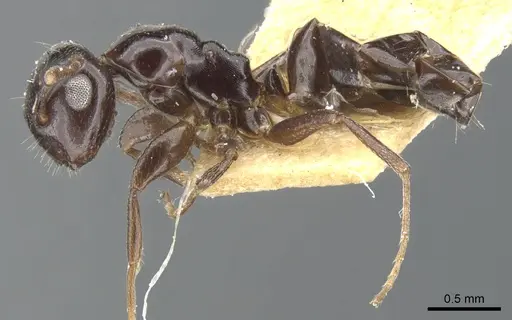
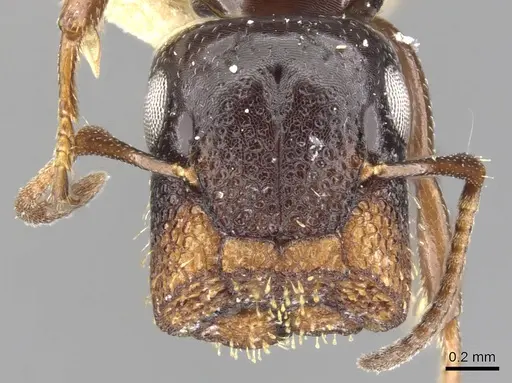
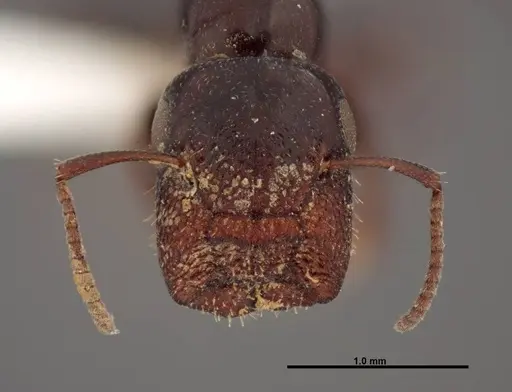
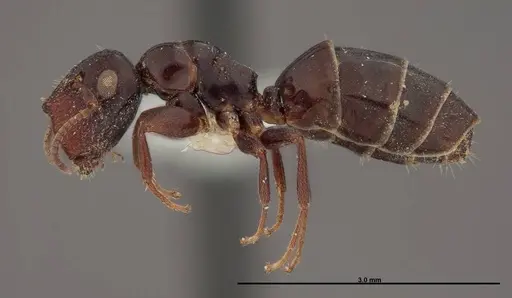
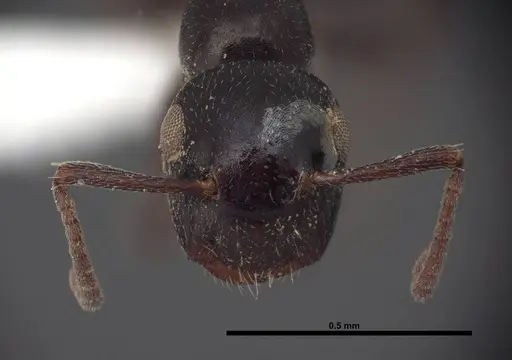
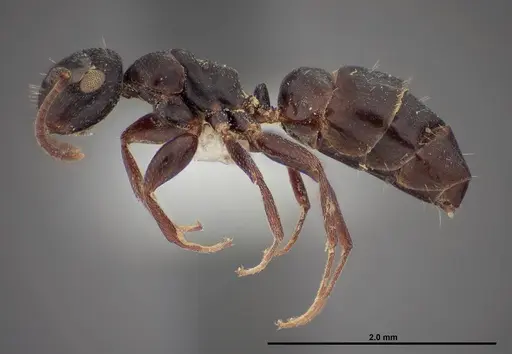
Colobopsis papago is a small ant species native to the American Southwest and northern Mexico. The most striking feature is the major workers' uniquely shaped head, the front is flattened and truncated (cut off), appearing almost like a cork. This isn't just for looks: majors use their odd-shaped heads as living door plugs, blocking nest entrances and moving aside to let smaller workers pass in and out. The head is yellowish-brown while the rest of the body is dark brown to black. Majors are about 4.5mm, minors are smaller at 3.25mm, and queens reach 6mm. These ants nest exclusively in dead branches of oak and mesquite trees, particularly in vertical stubs that catch rainwater. They are found in southern Arizona and northern Mexico, typically in oak-mesquite forests between 3,200 and 5,800 feet elevation.
Quick Summary
- Difficulty: Medium
- Origin & Habitat: Oak and mesquite forests in southern Arizona and northern Mexico (Sonora). Nests in dead branches of Quercus emoryi, Q. oblongifolia, and mesquite, specifically in vertical stubs of broken branches at least 4cm in diameter [1][2].
- Colony Type: Likely single-queen colonies (monogyne) based on typical Colobopsis patterns. No documented polygyny found in research.
- Colony: Monogyne
- Founding: Claustral
- Size & Growth:
- Queen: 6.0mm [1]
- Worker: Major 4.5mm, minor 3.25mm [1]
- Colony: Unknown, likely moderate, similar to related Colobopsis species (estimated 100-500 workers)
- Growth: Moderate, estimated 6-10 weeks from egg to first worker based on typical Camponotini development
- Development: 6-10 weeks (estimated based on genus-level data for Camponotini) (Development time is estimated, no specific study found for this species. Related Camponotus species typically take 6-8 weeks at optimal temperature.)
- Antkeeping:
- Temperature: Keep around 22-26°C. These ants come from the warm deserts of Arizona and northern Mexico, so they prefer temperatures in the low-to-mid 20s°C. A heating cable on one side of the nest creates a comfortable gradient.
- Humidity: Moderate humidity preferred. In the wild they nest in wood that absorbs rainwater from vertical branches. Keep the nest material slightly moist but not waterlogged, think damp wood, not soggy.
- Diapause: Yes, they inhabit Arizona where winters get cold. Expect reduced activity from roughly November through March. Keep them in a cool area (10-15°C) during this period.
- Nesting: These are true wood-nesting ants. In captivity they do well in Y-tong (AAC) nests, wooden formicaria, or acrylic nests with wood chambers. They will not accept test tube setups as they need to plug their nest entrance like they do in nature. The nest entrance must be sized so majors can block it with their heads.
- Behavior: Colobopsis papago is a calm, non-aggressive species. Workers are sluggish, majors move slowly while minors can move at fair speed. They are nocturnal foragers, so you'll see most activity in the evening and night hours. The most fascinating behavior is the 'janitor' system: major workers position themselves at nest entrances and physically block the hole with their truncated head. When minors want to enter or exit, the major moves aside like a living door. When threatened, majors can ooze a sticky gray fluid from their mouth that spreads over their head and dries to a hard crust, this is a defensive mechanism. Escape risk is moderate, they are not particularly flighty but use fine mesh anyway.
- Common Issues: nest entrance sizing is critical, too large and majors cannot plug it, too small and minors cannot pass, nocturnal foraging means you may miss feeding activity if you only check during day, wood-nesting requirement makes them unsuitable for test tube setups, slow-moving majors can be mistaken for dead when they are just resting, wild colonies are difficult to find and collect, require splitting dead wood with an axe
Housing and Nest Setup
Colobopsis papago requires wood-based housing, this is non-negotiable. In the wild they nest exclusively inside dead branches, so Y-tong (AAC) nests or wooden formicaria work best. The key requirement is a properly sized nest entrance. Majors use their uniquely truncated (flattened) heads as living door plugs, blocking the entrance when the colony doesn't need to exit. The entrance hole should be just large enough for minor workers to pass through freely, but small enough that a major can effectively block it with their head. If the entrance is too large, the janitor behavior won't work and the colony may be stressed. Avoid test tube setups entirely, these ants won't thrive in them because they cannot create their natural plugging behavior. Provide some nesting chambers scaled to their size, with the nest material (wood or acrylic with wood-textured chambers) kept slightly moist. [2][1]
Feeding and Diet
Like other members of the ant tribe Camponotini, Colobopsis papago likely has a mixed diet. They tend sap-feeding insects (like aphids) for honeydew in the wild, so offer sugar water or honey regularly. They are also predatory on small insects, so protein in the form of small crickets, mealworms, or other small arthropods should be offered weekly. Based on their small size and the nocturnal foraging behavior, they likely prefer small prey items. Feed them in the evening or at night since that's when they're most active. Remove uneaten prey after 24-48 hours to prevent mold. Sugar water should always be available, you can use a small test tube with a cotton ball soaked in sugar water, replaced every few days. [1]
Temperature and Seasonal Care
Keep your colony at 22-26°C year-round, with a slight gradient if possible. These ants come from the Sonoran Desert region of Arizona and Mexico, where temperatures regularly reach into the 30s°C during summer but can drop to near freezing in winter. During the active season (roughly April through October), room temperature in the low-to-mid 20s°C is ideal. A small heating cable on part of the nest can help if your room runs cool. In winter, they need a diapause period. Reduce temperatures to 10-15°C from roughly November through March, this mimics the cold Arizona winters. Do not feed heavily during diapause and keep the nest slightly drier. The colony will be less active but should not be completely frozen. A cool closet, basement, or unheated room works well for overwintering. [1]
The Janitor System
The most fascinating aspect of keeping Colobopsis papago is observing their unique janitor system. Major workers have a distinctly shaped head, the front is flattened and truncated, almost like a cork. In the wild, these majors position themselves at nest entrances and physically plug the hole with their flat head. When minor workers need to exit or enter, the major moves aside, then returns to block the entrance again. This is both a temperature/humidity regulation mechanism and a defense. In captivity, you'll see this behavior if your nest entrance is properly sized. Watch for majors positioning themselves at the entrance, this is a sign your colony is settled and comfortable. This behavior also means you can sometimes tell if the colony is active just by checking if the entrance is 'open' (minor passing) or 'closed' (major on duty). [2][1]
Defense Mechanisms
When threatened, Colobopsis papago majors have a remarkable defensive trick. They can ooze a sticky, grayish fluid from their mouth (likely from mandibular glands) that spreads over the truncated portion of their head. This fluid dries into a hard crust that is very difficult to remove. In the wild this likely serves as a deterrent to other ants and predators. In captivity, you might see this if you disturb the nest or handle majors roughly. The fluid is not dangerous to humans but can be messy. Avoid poking at majors unnecessarily, let them do their janitor job undisturbed. This defense is one reason why these ants are peaceful to keep: they prefer to deter rather than attack. [1]
Frequently Asked Questions
Can I keep Colobopsis papago in a test tube?
No, test tubes are not suitable. These ants are wood-nesters that naturally block their nest entrance with their uniquely shaped heads. They need a Y-tong, wooden formicarium, or acrylic nest with appropriately sized chambers. The entrance must be small enough that majors can plug it with their heads.
How long does it take for the first workers to emerge?
Based on typical Camponotini development, expect 6-10 weeks from egg to first worker at optimal temperature (around 24°C). No specific study exists for this species, so this is an estimate. The first workers (nanitics) will be smaller than normal workers.
What do Colobopsis papago eat?
They need a mixed diet: sugar sources (honey water or sugar water constantly available) and protein (small insects like crickets, mealworms, or fruit flies offered weekly). They are nocturnal foragers, so offer food in the evening.
Do they need hibernation?
Yes, they need a winter diapause period. In Arizona, winters get cold, so reduce temperatures to 10-15°C from roughly November through March. Keep them in a cool location and reduce feeding during this period.
Are they good for beginners?
They are moderate difficulty. The main challenge is providing proper wood-based housing with a correctly sized entrance. Once established, they are fairly low-maintenance and peaceful. Not the best choice for a first ant, but manageable for someone with some experience.
Why do the majors have weird flat heads?
The truncated (flattened) head is their signature feature. Majors use their flat heads as living door plugs, blocking nest entrances to regulate humidity and temperature, and to defend the nest. When minors need to pass, the major moves aside, this is called the 'janitor' system.
When are they most active?
They are nocturnal. Workers forage at night, so you'll see the most activity in the evening and early morning hours. During the day, the colony will be relatively quiet inside the nest.
How big do colonies get?
Colony size is not well documented for this species. Based on related Colobopsis species, they likely reach several hundred workers at maturity. Growth is moderate, expect several years to reach a large colony.
Can I keep multiple queens together?
Not recommended. There is no documented evidence of polygyny (multiple queens) in this species, and they are likely single-queen (monogyne) colonies. Starting with one queen is the standard approach.
References

This caresheet is licensed under CC BY-SA 4.0 .
CASENT0065778
View on AntWeb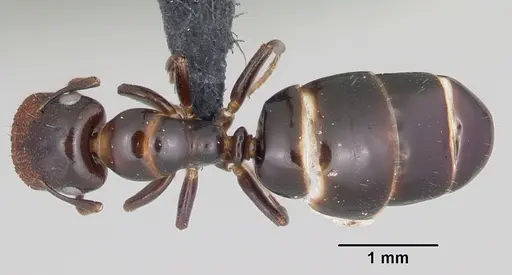
CASENT0104680
View on AntWeb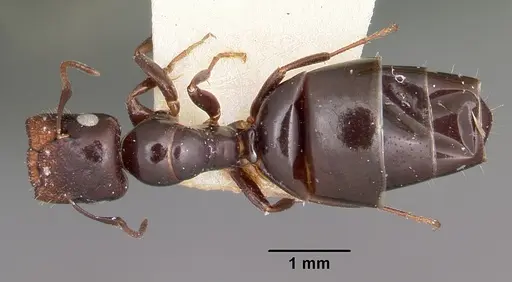
CASENT0104681
View on AntWeb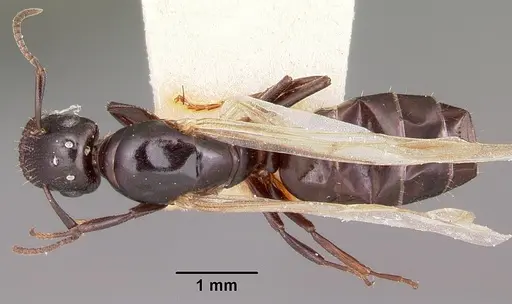
CASENT0104697
View on AntWeb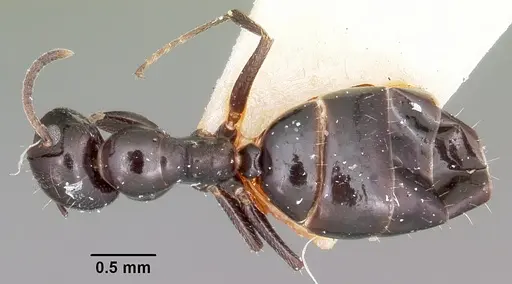
CASENT0104912
View on AntWeb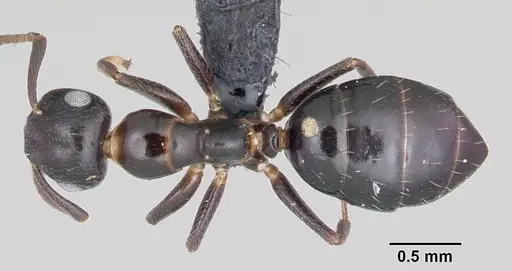
CASENT0105586
View on AntWeb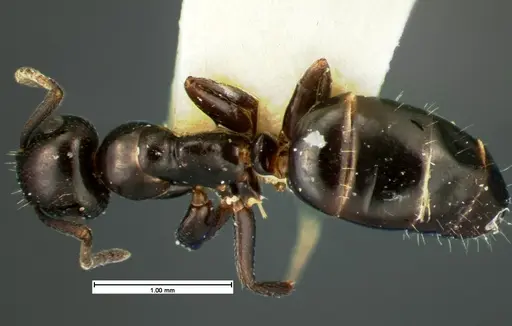
CASENT0903605
View on AntWeb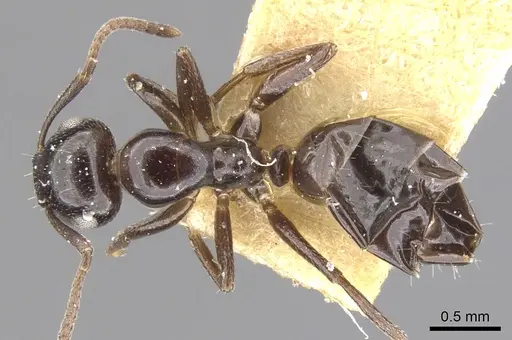
CASENT0903606
View on AntWeb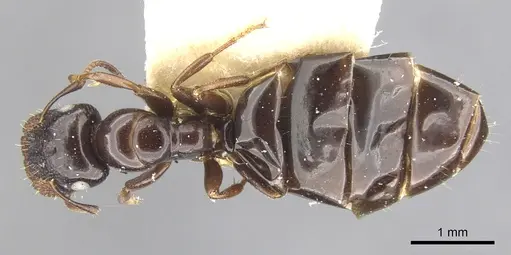
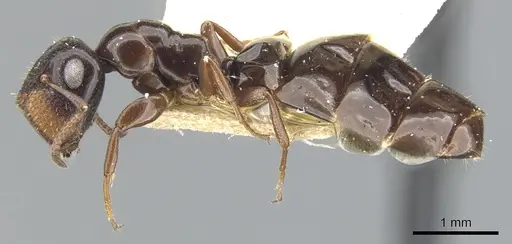
FMNHINS0000083091
View on AntWeb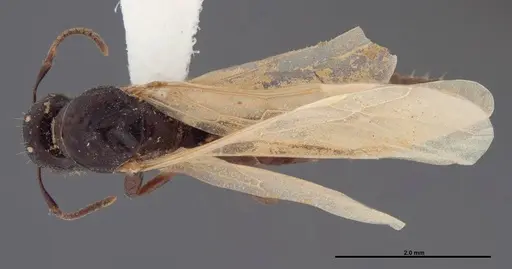
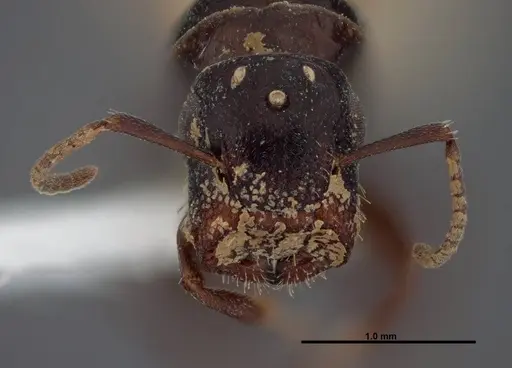
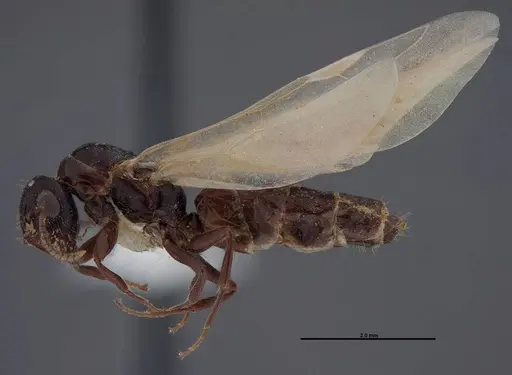
FMNHINS0000083093
View on AntWeb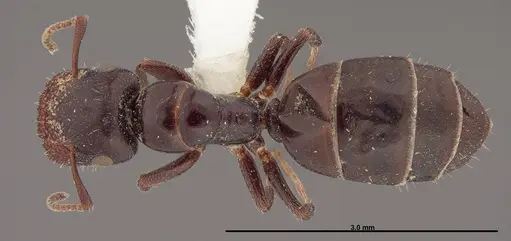
FMNHINS0000083094
View on AntWeb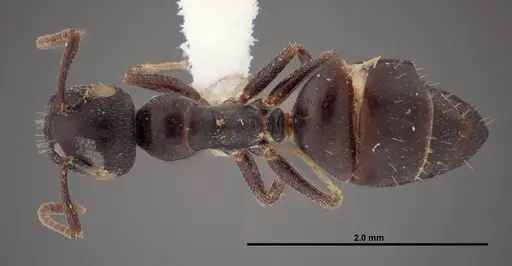
Literature
Loading...Loading products...