Crematogaster corvina - "Acrobat Ant"
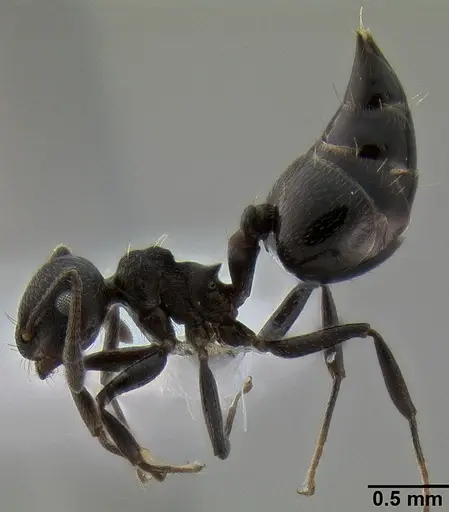
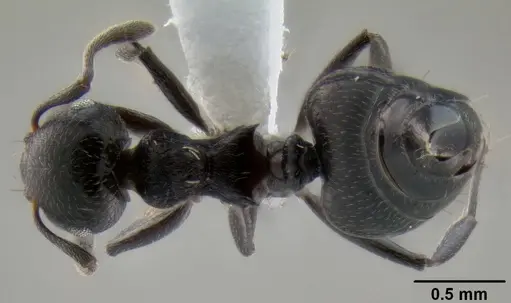
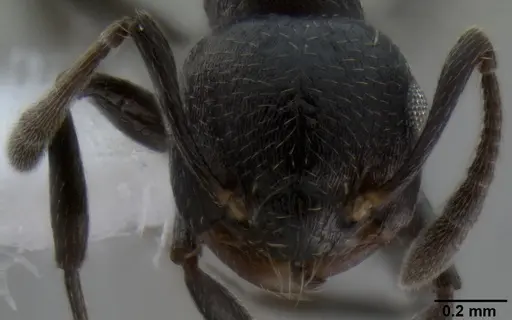
Crematogaster corvina is a species of ant belonging to the genus Crematogaster, often called "Acrobat Ants" due to their distinctive habit of raising their heart-shaped gaster (abdomen) over their head and thorax when disturbed or alarmed. This species is characterized by its dark coloration, with workers being notably punctate (covered in small dots) everywhere except for their shiny gaster. They have an enlarged, bulging mesonotal boss and reduced propodeal spines that curve slightly inward. Worker eyes are round in smaller individuals but oval in larger ones. They are a widespread genus, found globally but most diverse in tropical and subtropical regions.
- Difficulty: Easy
- Origin & Habitat: Mexico, Costa Rica, Nicaragua, and the United States (southern Texas). in Generally found in forest, woodland, and shrubby habitats. Most tropical Crematogaster species are arboreal, nesting in dead wood (hollow stems, branches, trunks), but some temperate species nest in the ground, under leaf litter, or under stones. They can also be found in human-made structures, including homes, often near food sources. In Costa Rica, they are abundant in lowland habitats like mangroves, second-growth vegetation, forest edges, and forest canopies..
- Colony Type: Monogyne, claustral founding.
- Size & Growth:
- Queen: Not specified
- Worker: Not specified
- Colony: Medium (thousands). Medium to Fast. Colonies develop slowly at first but grow rapidly once established, with brood taking up impressive space. growth.
- Antkeeping:
- Temperature: Ideally, keep the nest between 21-25°C. A warm spot of 27-29°C can encourage faster brood development. They are adaptable and can tolerate room temperature, but avoid extremes..
- Humidity: Crematogaster corvina, like other Crematogaster species, prefers lower humidity levels. Aim for 50-60% humidity in the nest. They can increase nest humidity by 'watering' if the climate becomes too dry. For the outworld, 30-50% humidity is suitable..
- Diapause: Required. 2-3 months at 8-15°C.
- Nesting: In the wild, they typically nest in dead wood, such as under bark, in hollow stems, or other tree cavities. They also utilize logs, stumps, leaf litter, and even spaces under stones. For captive setups, cork or wooden nests are preferred, or any low-humidity formicarium. They appreciate setups that allow for climbing and exploration..
- Behavior: Medium (towards other ants and perceived threats to the colony, low towards handler unless provoked) aggressiveness.
- Common Issues: Mold in nest (due to humidity if not managed well), Humidity fluctuations, Queen stress (especially during founding stage from excessive disturbance).
Acrobat Ants, including Crematogaster corvina, are renowned for their unique defensive posture where they raise their gaster (abdomen) over their head, resembling a scorpion. This behavior isn't just for show; they can also apply a droplet of venom from their spatulate sting topically onto an aggressor, rather than injecting it. This defensive mechanism, along with releasing alarm pheromones, allows them to effectively deter threats and protect their colony.
Crematogaster species are highly versatile foragers and are generally omnivorous. In the wild, their diet primarily consists of honeydew from aphids, nectar, and various small insects. They are known to be opportunistic predators, readily recruiting nestmates to new food sources like sugar or protein baits. This adaptable feeding strategy makes them relatively easy to provide for in a captive setting.
Colony founding in many Crematogaster species, including Crematogaster corvina, is typically claustral. This means the queen seals herself in a chamber after her nuptial flight and uses her stored energy reserves to raise her first generation of workers, without needing to forage for food. Once the first workers emerge, the colony will then begin foraging and expanding.
While generally not aggressive towards keepers, Crematogaster ants are known for their territorial and aggressive nature towards other ant species. If another ant colony encroaches on their territory, Crematogaster workers will swarm rapidly and aggressively, utilizing their chemical defenses to fend off intruders. This strong defensive instinct makes them a formidable presence in their natural habitat.
User blogs will be displayed here.