

Colobopsis laminata
- Scientific Name
- Colobopsis laminata
- Tribe
- Camponotini
- Subfamily
- Formicinae
- Author
- Mayr, 1866
- Distribution
- Found in 1 countries
Colobopsis laminata Overview
Colobopsis laminata is an ant species of the genus Colobopsis. It is primarily documented in 1 countries , including Fiji. Detailed taxonomic data and occurrence records can be further explored via authoritative databases such as AntWeb or the Global Biodiversity Information Facility (GBIF).
Colobopsis laminata
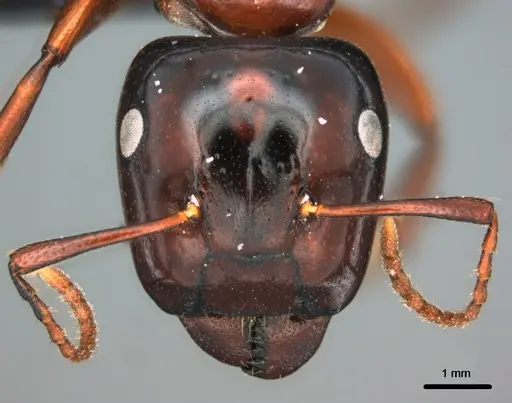
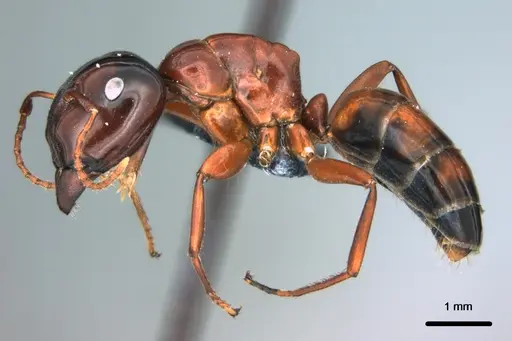
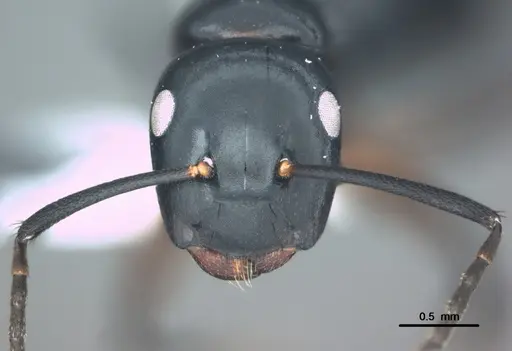
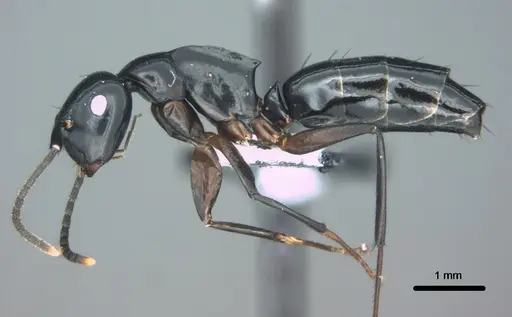
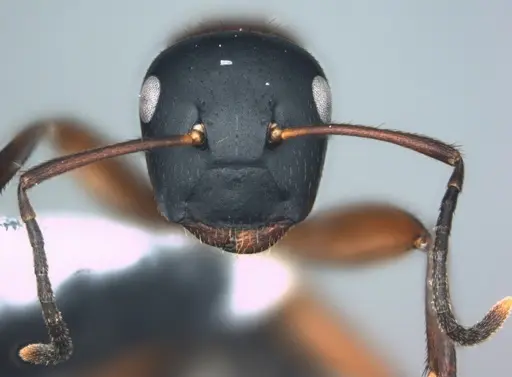
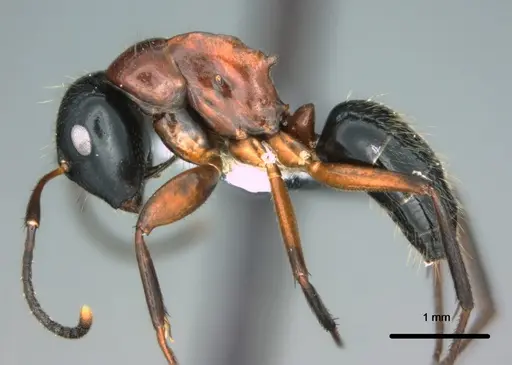
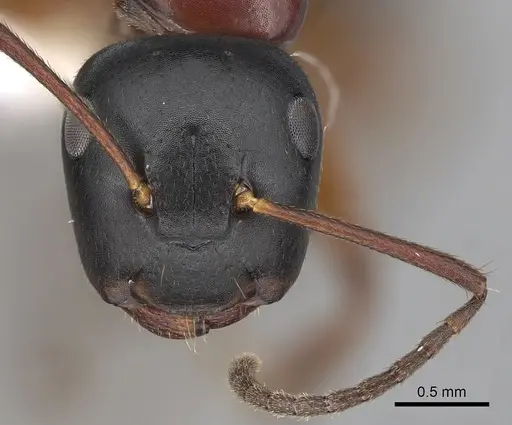
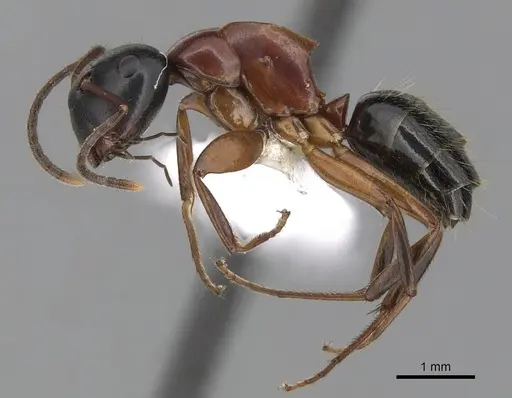
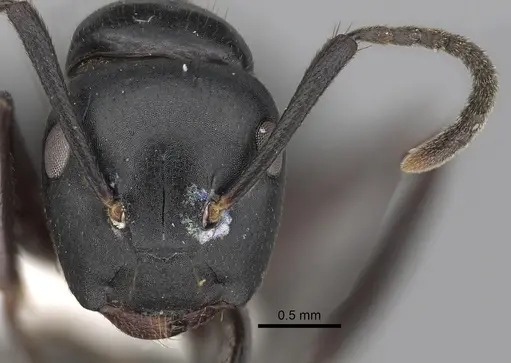
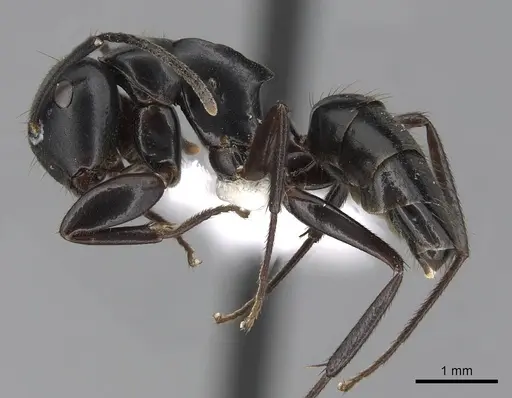
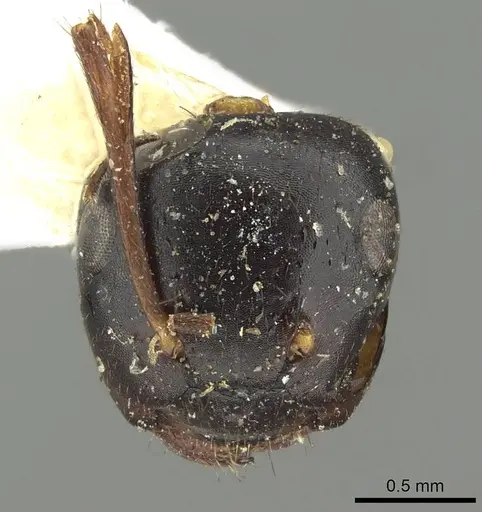
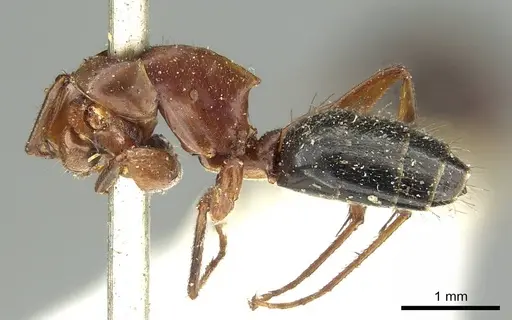
Colobopsis laminata is a medium-sized arboreal ant endemic to the Fiji Islands. Workers measure approximately 6mm and have a distinctive bicolored appearance with a black head and abdomen contrasting against a reddish-brown mesosoma (middle body section). Some populations, particularly on Vanua Levu, show darker overall coloration. This species is one of the most ubiquitous ants in Fiji, frequently encountered foraging on vegetation and occasionally on the ground in forest areas [1][2]. As a member of the Formicinae subfamily, they have a single constriction between the mesosoma and gaster (abdomen) and possess acidic venom delivered through a stinger.
This species is arboreal by nature, living primarily in trees and woody vegetation rather than ground nests. It is closely related to C. levuanus but can be distinguished by the presence of erect hairs on the pronotum and dense light-colored pilosity on the gaster [1]. The species shows considerable variation across different Fijian islands in terms of color, petiole shape, and hair density.
Quick Summary
- Difficulty: Medium
- Origin & Habitat: Endemic to the Fiji Islands, found on Viti Levu, Vanua Levu, Kadavu, Ovalau, Taveuni, Beqa, Gau, Koro, Moala, and Lau group [1][2]. Inhabits tropical rainforest environments as an arboreal species, foraging on vegetation and occasionally on the ground [1].
- Colony Type: Likely monogyne (single queen colony) based on typical Colobopsis patterns. Colony size appears moderate for an arboreal species.
- Colony: Monogyne
- Founding: Claustral
- Size & Growth:
- Queen: Approximately 8-10mm (estimated from related Camponotus species)
- Worker: 6mm [3]
- Colony: Likely several hundred workers based on typical arboreal Colobopsis patterns
- Growth: Moderate
- Development: Estimated 6-8 weeks at optimal tropical temperatures based on related Camponotus species (Development time inferred from genus-level data, specific timing for this species unconfirmed)
- Antkeeping:
- Temperature: Keep at 24-28°C. As a tropical Fijian species, they require warm conditions year-round. A heating cable on one side of the nest can help maintain stable temperatures
- Humidity: Maintain moderate to high humidity (60-80%). As an arboreal species, they prefer humid conditions but not waterlogged nests. Provide a water tube and occasional misting of the outworld
- Diapause: No, being a tropical species from Fiji, they do not require hibernation. Keep them at stable warm temperatures year-round
- Nesting: Arboreal species prefer wood-based nests. Y-tong (AAC) nests or naturalistic setups with wood/branches work well. Provide climbing structures in the outworld as they are arboreal foragers
- Behavior: Generally peaceful and not aggressive toward keepers. Workers are active foragers, searching for food both on vegetation and the ground. They are moderate escape artists, use standard barrier methods but they are not as prone to escaping as tiny species. Workers have a stinger but are not considered dangerous to humans. They are diurnal (daytime) foragers, matching their tropical forest habitat [1].
- Common Issues: tropical temperature requirements mean colonies can struggle in cooler climates without heating, arboreal nature means they need vertical space and climbing structures, keeping them in flat horizontal nests may cause stress, wild-caught colonies from Fiji may carry parasites or diseases that can affect captive colonies, moderate growth rate means colonies take time to establish, patience is required, humidity control is important, too dry and colonies may decline, too wet can cause mold issues
Housing and Nest Setup
Colobopsis laminata is an arboreal species, meaning they naturally live in wood and vegetation rather than underground. In captivity, Y-tong (AAC) nests work well because they provide dark, secure chambers similar to the hollow branches these ants would use in the wild. You can also use naturalistic setups with cork, wood, or bamboo sections. The outworld should include climbing structures like branches, cork bark, or artificial plants since they naturally forage upward. A test tube setup connected to an outworld works well for founding colonies, the queen seals herself in a humid test tube while workers forage in the outworld. Ensure the nest has some humidity but is not saturated, these ants prefer conditions that are damp but with good ventilation to prevent mold.
Feeding and Diet
Like most Colobopsis and Camponotus species, these ants are omnivorous. They will accept sugar sources (honey, sugar water) for energy, and protein sources like small insects (fruit flies, small crickets, mealworms) for colony growth. In the wild, they forage for honeydew from aphids and scale insects, plus small arthropods. Feed them a few times per week, offer protein when you see brood developing, and keep sugar water available constantly. Remove uneaten prey after 24-48 hours to prevent mold. Being a tropical species, they are active year-round and will continue foraging even in winter if kept warm.
Temperature and Heating
As a species endemic to Fiji, Colobopsis laminata requires warm tropical temperatures. Keep the nest area between 24-28°C (75-82°F). Room temperature may be sufficient in warm climates, but in cooler regions you'll need supplemental heating. A heating cable placed on top of the nest (never under it, as this can cause drying) works well to create a gentle warmth. Avoid temperature fluctuations, these ants are accustomed to stable tropical conditions. A small thermometer near the nest helps you monitor conditions. If workers become sluggish and cluster together, the temperature may be too low.
Humidity and Water
Maintain moderate humidity around 60-80%. As an arboreal species, they prefer humid conditions but not standing water. A water tube (test tube with a cotton plug creating a water reservoir) provides drinking water and helps maintain humidity in the nest area. Lightly mist the outworld occasionally, but avoid over-misting which leads to mold. The substrate or nest material should feel damp but not wet. If you see condensation constantly pooling in the nest, that's too wet, improve ventilation. If the nest appears dry and workers are clustering near the water tube, increase humidity.
Colony Development
Colonies start when a claustral queen seals herself in a small chamber. She lays eggs and raises the first workers (called nanitics) entirely on her own, using stored fat reserves. The first workers are typically smaller than mature workers. After the nanitics emerge, the colony grows gradually. Based on related Camponotus species, expect 6-8 weeks from egg to first worker at optimal temperatures. Growth rate is moderate, don't expect rapid expansion. A healthy colony may reach several hundred workers over several years. The queen can live for many years, so colonies are long-lived if properly maintained.
Behavior and Observation
Workers of Colobopsis laminata are active foragers, both on vegetation and occasionally on the ground. They are diurnal, being most active during daylight hours. The species is generally not aggressive, workers may bite if threatened but their stinger is small and not harmful to humans. They communicate using chemical trails, so you may see them establishing paths to food sources. Workers vary in size within the colony (minor and major castes), which is typical for Formicinae. Observe their foraging behavior in the outworld, they will recruit nestmates to good food sources through chemical signaling.
Frequently Asked Questions
How long does it take for Colobopsis laminata to have first workers?
Based on related Camponotus species, expect first workers (nanitics) approximately 6-8 weeks after the queen lays eggs, at optimal tropical temperatures of 24-28°C.
What do Colobopsis laminata ants eat?
They are omnivorous. Offer sugar water or honey for energy, and small insects like fruit flies, small crickets, or mealworms for protein. They will also collect honeydew if you provide aphids.
Do Colobopsis laminata ants need hibernation?
No. As a tropical species from Fiji, they do not require hibernation. Keep them at warm temperatures (24-28°C) year-round.
What is the best nest type for Colobopsis laminata?
Y-tong (AAC) nests work well for this arboreal species. They prefer dark, wood-like chambers. Provide climbing structures in the outworld since they naturally forage upward.
Are Colobopsis laminata ants aggressive?
Generally no. They are peaceful toward keepers and will flee rather than attack. Workers may bite if directly threatened but they are not considered dangerous.
How big do Colobopsis laminata colonies get?
Based on related species, colonies likely reach several hundred workers over several years. They are moderate-sized colonies for an arboreal species.
Can I keep multiple Colobopsis laminata queens together?
This species is likely monogyne (single queen). Combining unrelated queens is not recommended as they will likely fight. Only keep one queen per colony.
What temperature is ideal for Colobopsis laminata?
Keep them at 24-28°C (75-82°F). Use a heating cable if your room temperature is below this range. Stable warmth is important for this tropical species.
Is Colobopsis laminata good for beginners?
This is a medium-difficulty species. They require tropical conditions (warmth and humidity) which may require equipment. Their arboreal nature also means they need appropriate housing with climbing space. Not the easiest choice for beginners, but manageable with proper setup.
References

This caresheet is licensed under CC BY-SA 4.0 .
CASENT0171159
View on AntWeb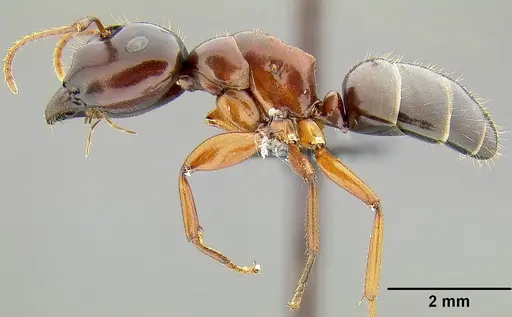
CASENT0180044
View on AntWeb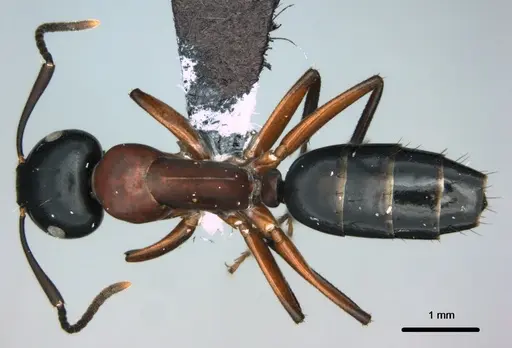
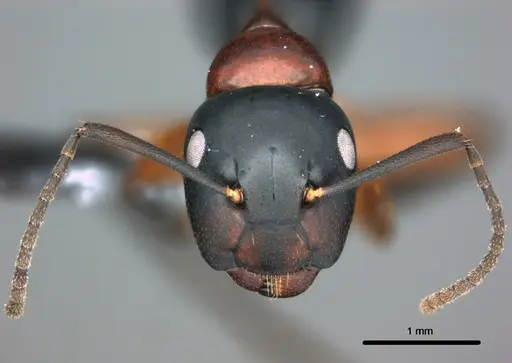
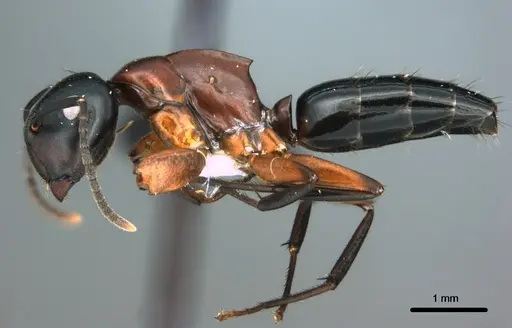
CASENT0180148
View on AntWeb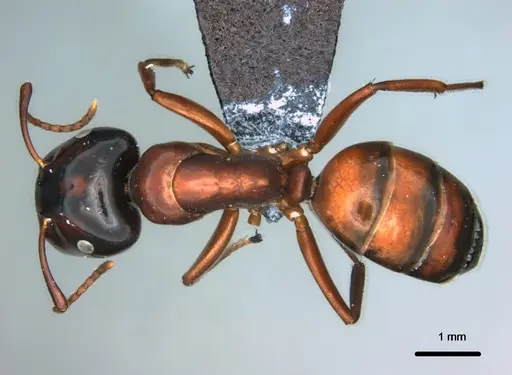
CASENT0180271
View on AntWeb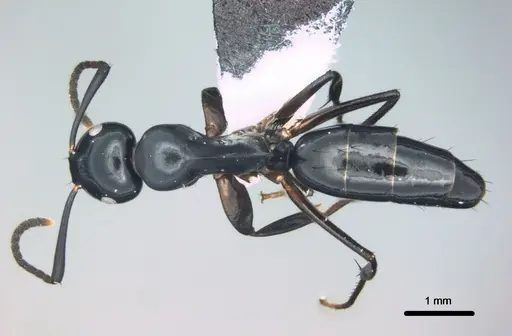
CASENT0180461
View on AntWeb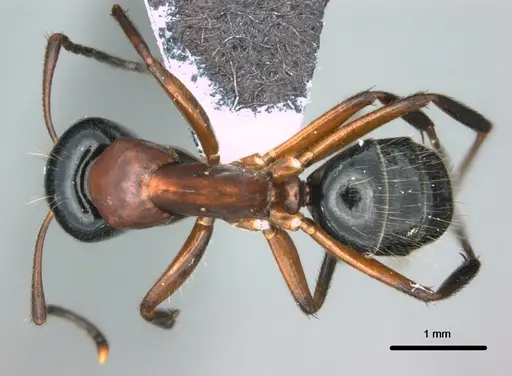
CASENT0280253
View on AntWeb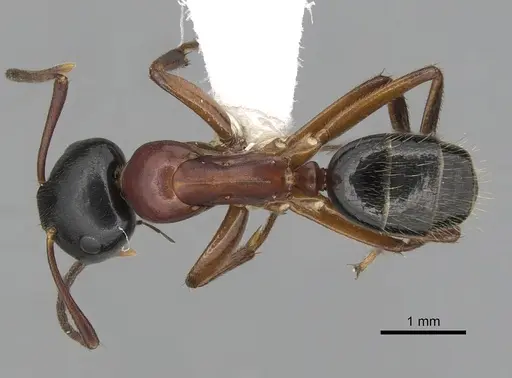
CASENT0280254
View on AntWeb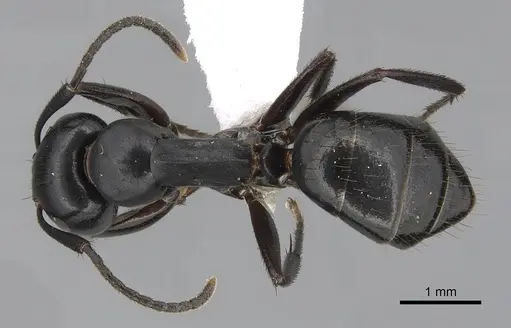
CASENT0915762
View on AntWeb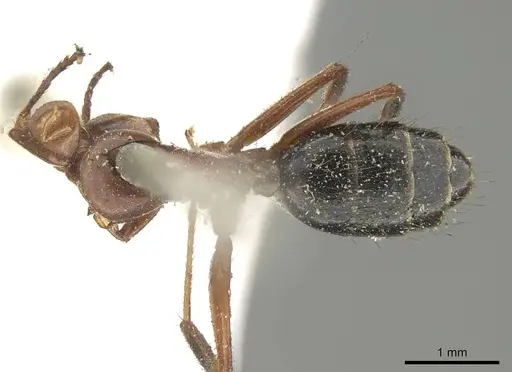
Literature
Loading...Loading products...