
Colobopsis gasseri shows a January to December flight window. Peak activity occurs in January, with nuptial flights distributed across 5 months.
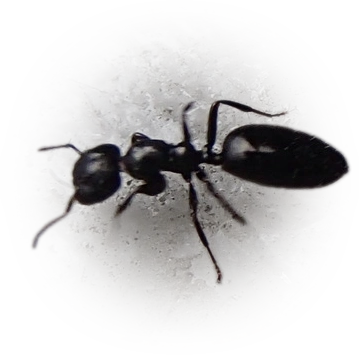
Colobopsis gasseri
- Scientific Name
- Colobopsis gasseri
- Tribe
- Camponotini
- Subfamily
- Formicinae
- Author
- Forel, 1894
- Distribution
- Found in 1 countries
- Nuptial Flight
- from January to December, peaking in January
AI Identifiable
try →
Colobopsis gasseri Overview
Colobopsis gasseri is an ant species of the genus Colobopsis. It is primarily documented in 1 countries , including Australia. Detailed taxonomic data and occurrence records can be further explored via authoritative databases such as AntWeb or the Global Biodiversity Information Facility (GBIF).
The nuptial flight of Colobopsis gasseri is a significant biological event, typically occurring from January to December, peaking in January. During this time, winged queens and males leave the nest to mate and establish new colonies.
Colobopsis gasseri
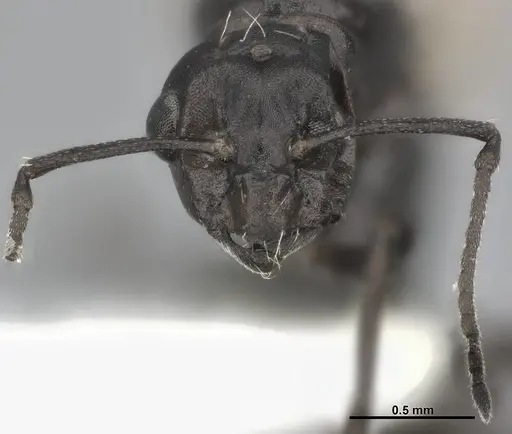
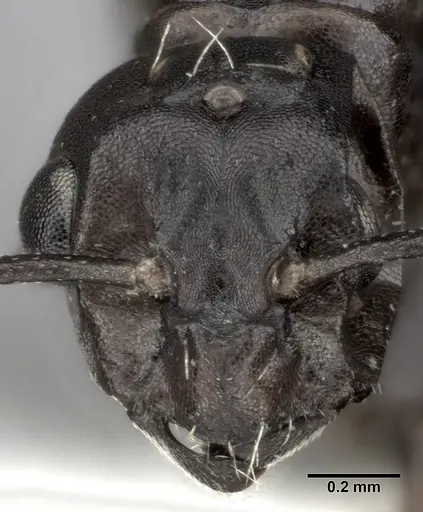
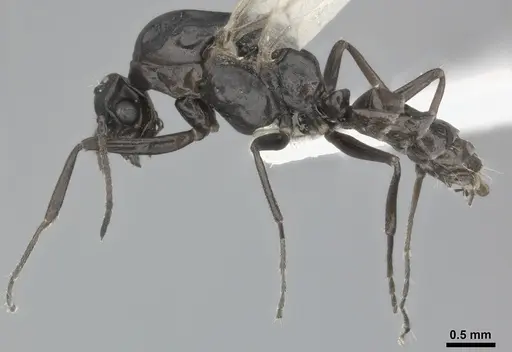
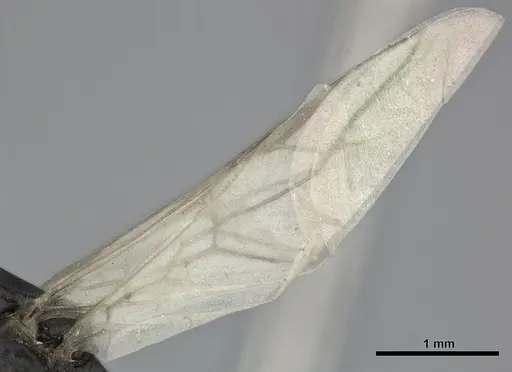
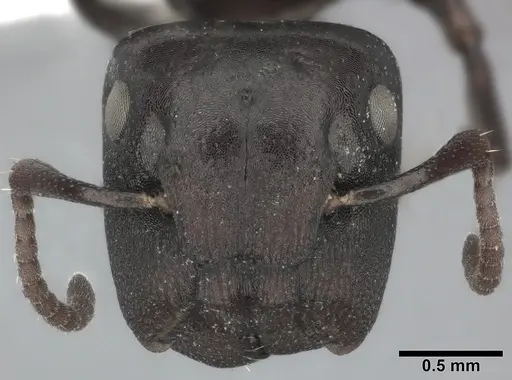
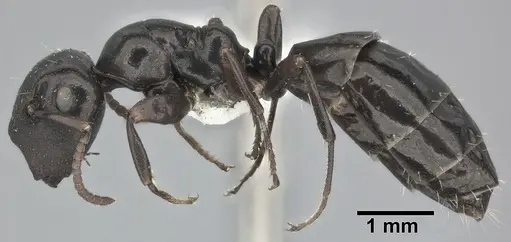
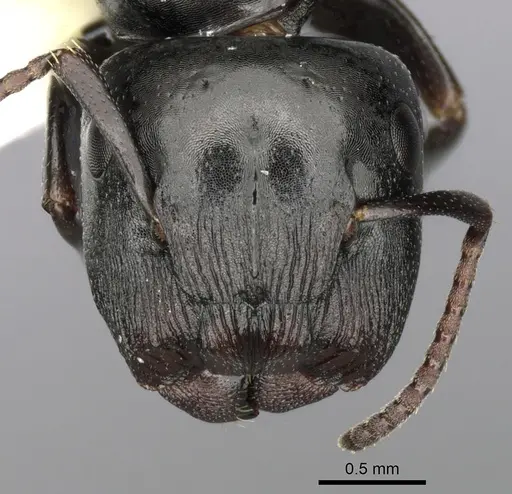
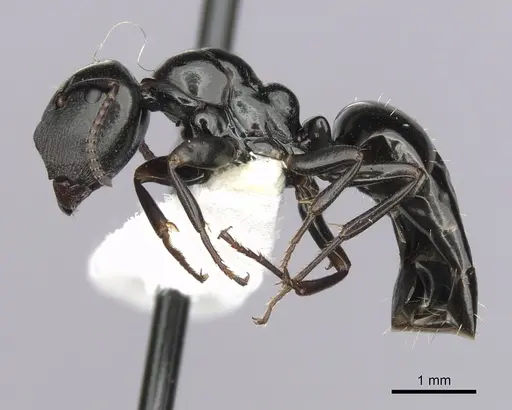
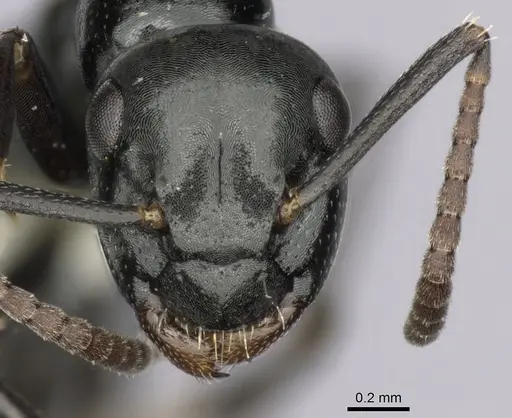
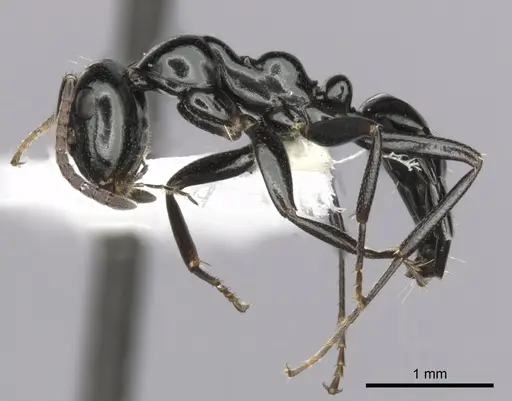
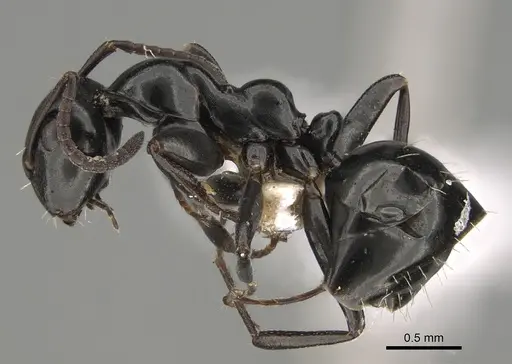
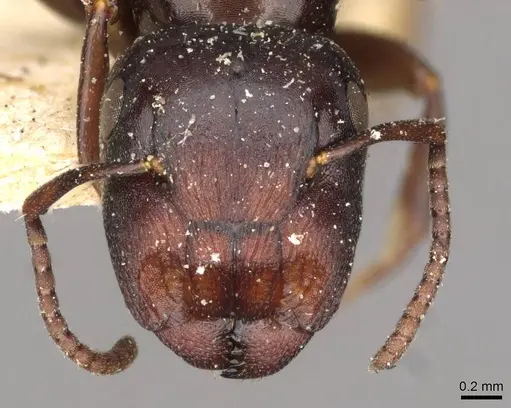
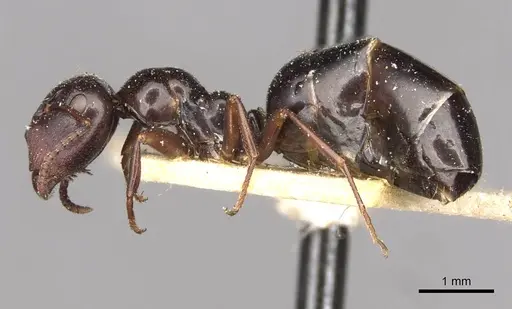
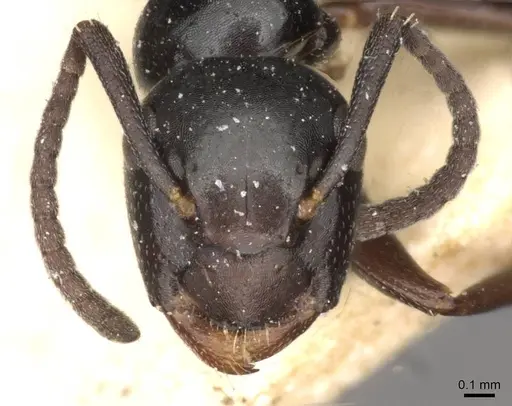
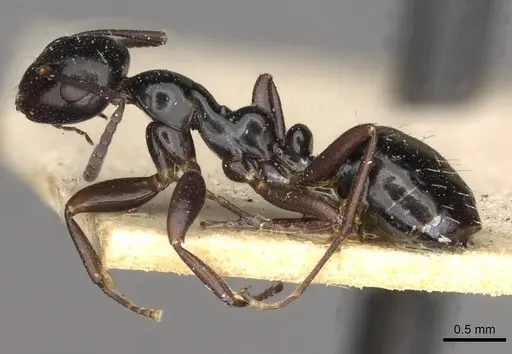
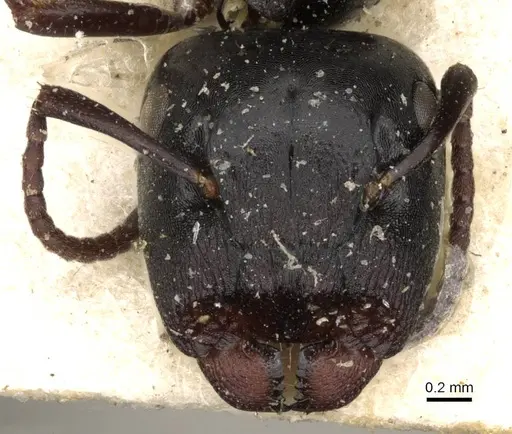
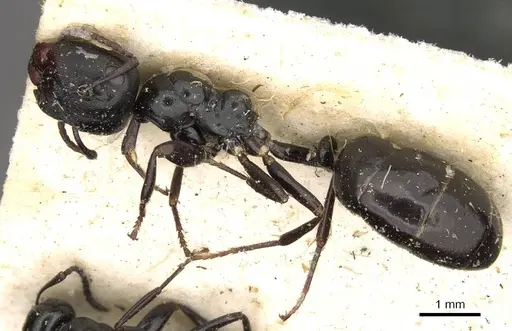
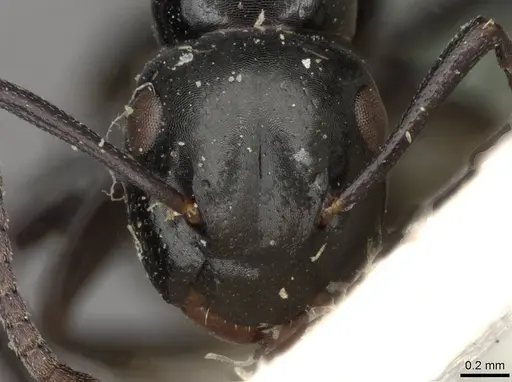
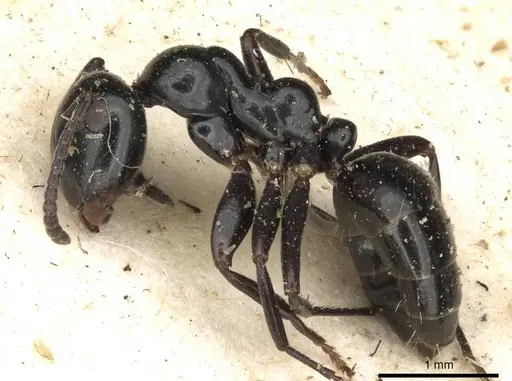
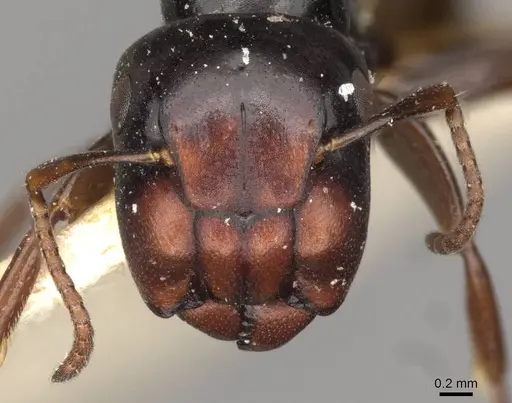
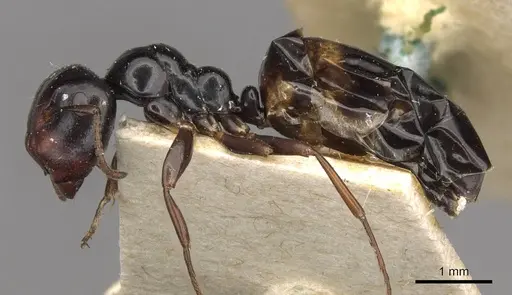
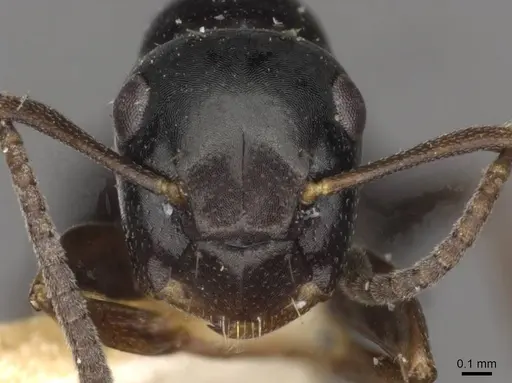
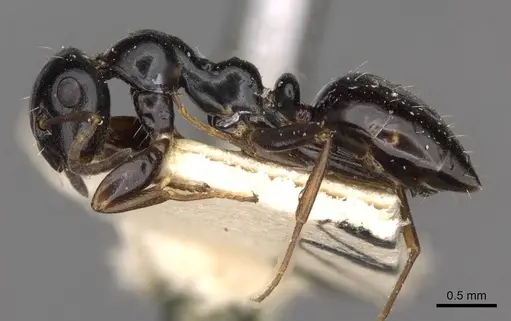
Colobopsis gasseri is an arboreal ant species native to Australia and New Guinea. These ants are easily recognized by their distinctive head structure, major workers have a truncated, heavily sclerotized head that acts as a living plug to seal the nest entrance [1]. Workers range from 3-4mm (minor) to 6.5mm (major), with queens reaching 4.2-7mm [2]. The ants are typically jet black with patches of red or red-brown on the anterior head, though color variation exists across their range. They belong to the Camponotus macrocephalus species group and nest in pre-formed cavities in trees, including tree limbs, trunks, and even house structures. This is the only Colobopsis species confirmed in Western Australia [3].
Quick Summary
- Difficulty: Medium
- Origin & Habitat: Australia (all states except Northern Territory) and New Guinea. These arboreal ants nest in a wide range of tree species including Eucalyptus, Leptospermum, Acacia, and Callitris. They utilize pre-formed cavities in tree trunks and limbs, and will also nest in houses and similar structures [1][2].
- Colony Type: Colony structure appears to be monogyne (single queen), though one documented colony contained three dealate queens along with workers, eggs, larvae, and an alate male, suggesting potential for multiple replacement reproductives [2].
- Colony: Monogyne
- Founding: Claustral
- Size & Growth:
- Queen: 4.2-7mm [2]
- Worker: Minor: 3-4mm, Major: 6.5mm [2]
- Colony: Up to approximately 1142 workers documented in a single colony [2]
- Growth: Moderate, based on typical Camponotus development patterns
- Development: Estimated 6-8 weeks at optimal temperature based on genus-level Camponotus patterns (Development time inferred from related Camponotus species, specific data for this species unavailable)
- Antkeeping:
- Temperature: Keep at room temperature, roughly 20-26°C. As an Australian species from temperate to subtropical regions, they tolerate a range but prefer moderate warmth
- Humidity: Moderate humidity is appropriate for this arboreal species. Provide a water source and keep nesting area moderately humid but not wet
- Diapause: Likely not required, Australian species from relatively mild climates do not typically need formal hibernation, though a slight cool period during winter months may be beneficial
- Nesting: Arboreal species that nests in pre-formed cavities. In captivity, they do well in Y-tong (AAC) nests, plaster nests, or naturalistic setups with wood/branches. They prefer tight-fitting chambers that mimic tree hollows. Avoid test tubes as primary housing, they do better in formicaria designed for arboreal species
- Behavior: These ants are relatively docile and not aggressive. Major workers serve as living plugs, they position themselves at the nest entrance with their truncated head sealing the opening, and nestmates antennate the major's head to request entry [1]. They are arboreal foragers, with minor workers commonly observed foraging on tree trunks. They have a symbiotic relationship with Blochmannia bacteria, which aids in nutrition [4]. Escape risk is moderate, they are not particularly small but are arboreal climbers, so standard barrier methods work well.
- Common Issues: arboreal nature means they need climbing surfaces and vertical space in their outworld, colonies may be slow to establish, patience is required during founding phase, major workers serve as living bungs so ensure nest entrance design accommodates this behavior, wild-caught colonies may contain parasites that can affect captive success, their preference for pre-formed cavities means they may not readily accept open test tube setups
Nuptial Flight Activity Analysis 69 observations
Flight Activity by Hour 69 observations
Colobopsis gasseri nuptial flight activity peaks around 14:00 during the afternoon. Activity is spread across a 16-hour window (08:00–23:00). Times may be influenced by human observation patterns.
Nest Preferences and Housing
Colobopsis gasseri is an arboreal species that naturally nests in pre-formed cavities within trees, particularly in tree trunks and limbs. In the wild, they have been found nesting in heartwood of Eucalyptus trees, with galleries often excavated by termites before the ants take over [2]. One documented nest had a volume of 125ml with a gallery extending about 300mm. The entrance is typically a small, circular hole around 2mm in diameter at the junction of a dead offshoot or branch [2]. In captivity, they do best in Y-tong (AAC) nests, plaster nests, or naturalistic setups that provide wood or bark for them to explore. They are not well-suited to simple test tube setups because they prefer enclosed spaces that mimic tree hollows. Provide climbing structures in the outworld since they are arboreal by nature.
Feeding and Diet
Like other Camponotus species, Colobopsis gasseri is omnivorous. They likely feed on honeydew and nectar in the wild, along with small insects and other protein sources. In captivity, offer sugar water or honey as a constant energy source, and provide protein such as small insects (fruit flies, small crickets, mealworms) regularly. They have a symbiotic relationship with Blochmannia bacteria, which helps them extract nutrients from their food [4]. This internal bacteria is passed to larvae and helps with digestion. Feed them a balanced diet with sugar sources available at all times and protein offered 2-3 times per week.
Temperature and Seasonal Care
As an Australian species found across multiple climate zones from temperate South Australia to Queensland, Colobopsis gasseri is adaptable but prefers moderate temperatures. Keep them at roughly 20-26°C, with room temperature being appropriate for most of the year. They do not require formal hibernation like some temperate species, but may show reduced activity during cooler winter months. A slight reduction in temperature during winter (to around 15-18°C) can be beneficial but is not strictly necessary. Avoid extreme temperatures, keep them away from direct heat sources that could dry out their nest. [2]
Unique Behavior: The Living Bung
One of the most fascinating aspects of Colobopsis gasseri is their use of major workers as living plugs. Major workers have a distinctly truncated and heavily sclerotized head that fits perfectly into the nest entrance [1]. When at rest, a major worker positions itself at the entrance with its head acting as a physical barrier, essentially a living bung. To gain entry, approaching workers antennate (tap with their antennae) the major's head, signaling their identity. The major then moves aside to allow entry [1]. This behavior is unique to Colobopsis and a few related genera. In captivity, you may observe this behavior if your colony develops major workers and has an appropriate nest entrance. It is both entertaining and a sign of a healthy, established colony.
Colony Structure and Growth
Colobopsis gasseri colonies can grow quite large. One documented wild colony contained 1142 workers, three dealate queens, one alate male, and numerous eggs and larvae [2]. The presence of multiple dealate queens suggests they may have ergatoid (wingless) replacement reproductives that can take over if the primary queen dies, similar to many Camponotus species. They are worker caste dimorphic, meaning there are distinct major and minor workers with no intermediate sizes. Major workers develop from larger larvae and serve defensive and entrance-guarding roles. Growth rate is moderate, expect 6-8 months or more to reach significant colony sizes under good conditions.
Frequently Asked Questions
Is Colobopsis gasseri good for beginners?
Colobopsis gasseri is rated as medium difficulty. While not as challenging as some exotic or specialized species, they do have specific needs, particularly their arboreal nature and preference for cavity-style nests. Beginners should ensure they can provide appropriate housing (Y-tong or plaster nest rather than test tubes) before acquiring this species.
How long does it take for the first workers to emerge?
Based on typical Camponotus development patterns, expect first workers (nanitics) approximately 6-8 weeks after the queen lays her first eggs. This timeline is an estimate as specific development data for this species is not available.
Can I keep multiple queens together?
This species appears to be monogyne (single queen) in natural colonies. While one documented colony had three dealate queens, this likely represents replacement reproductives rather than founding queens. Combining unrelated foundress queens is not recommended as polygyny has not been documented for this species.
What size colony do they reach?
Colonies can reach over 1000 workers. One documented wild colony had 1142 workers along with multiple queens [2]. In captivity, with good care, colonies of several hundred workers are achievable.
What do I feed Colobopsis gasseri?
Offer a balanced diet: sugar water or honey constantly available, and protein sources (small insects like fruit flies, pinhead crickets, or mealworms) 2-3 times per week. They will also accept other sweet liquids.
Do they need hibernation?
No formal hibernation is required. As an Australian species from mild climates, they do not need the extended cold period that temperate species require. A slight reduction in temperature during winter months may occur naturally but is not necessary for colony health.
When should I move them to a formicarium?
Move them when the colony reaches around 50-100 workers and the test tube or founding setup becomes cramped. Since they are arboreal and prefer cavity nests, a Y-tong or plaster formicarium with appropriate chambers works well. Ensure the outworld has climbing structures.
Are they escape artists?
Moderate escape risk. They are not tiny ants, but being arboreal climbers, they will explore vertical surfaces. Standard barrier methods (fluon on edges, secure lids) are sufficient. Ensure their outworld has smooth barriers and no climbing opportunities outside the nest area.
References

This caresheet is licensed under CC BY-SA 4.0 .
CASENT0217658
View on AntWeb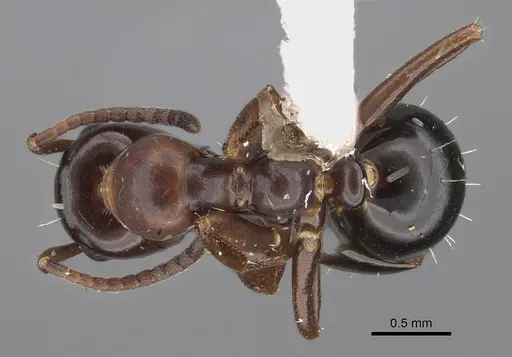
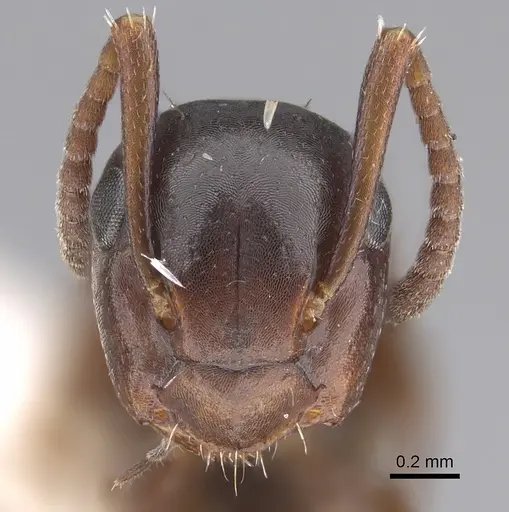
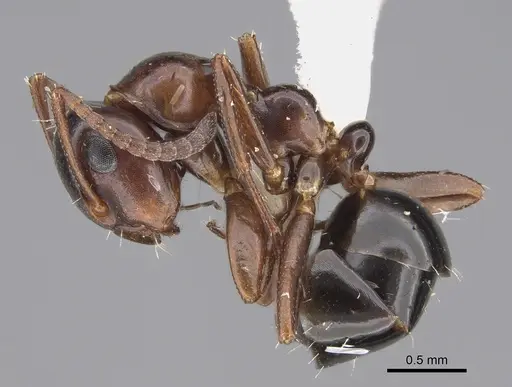
CASENT0246002
View on AntWeb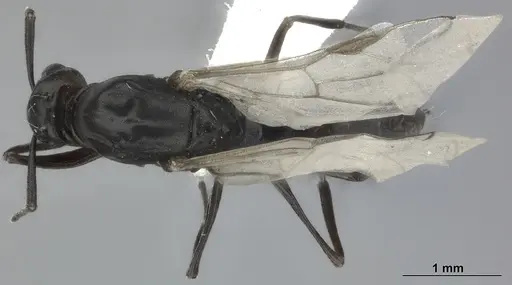
CASENT0246635
View on AntWeb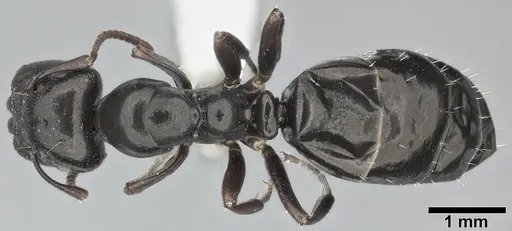
CASENT0280185
View on AntWeb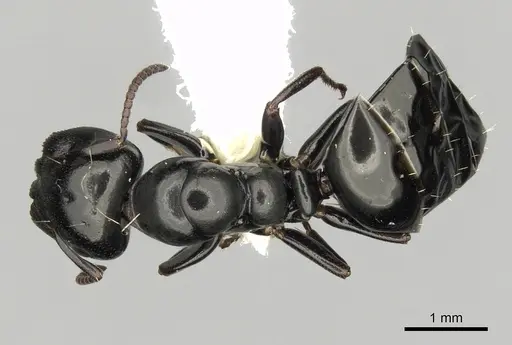
CASENT0280186
View on AntWeb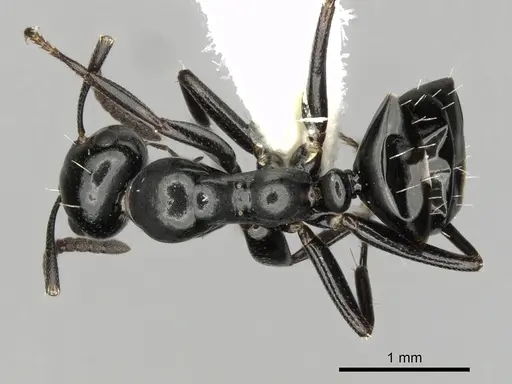
CASENT0887750
View on AntWeb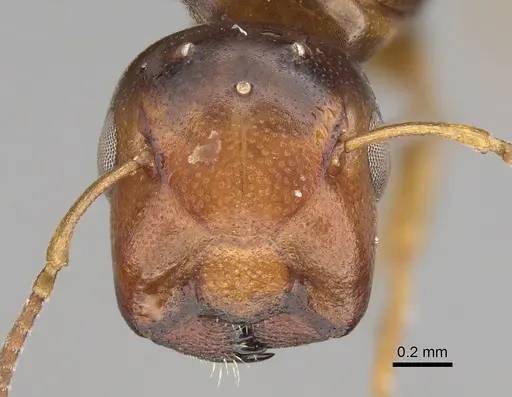
CASENT0910599
View on AntWeb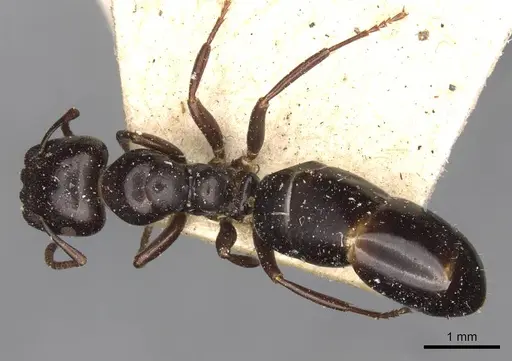
CASENT0910600
View on AntWeb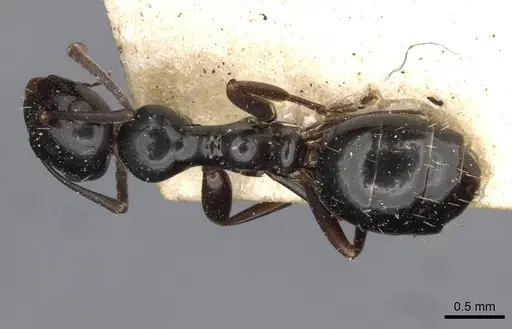
CASENT0910601
View on AntWeb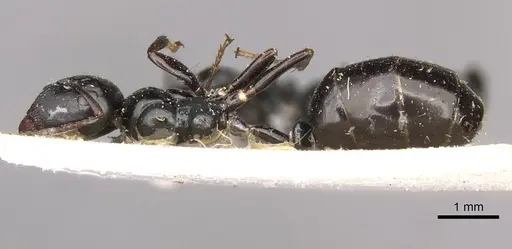
CASENT0910602
View on AntWeb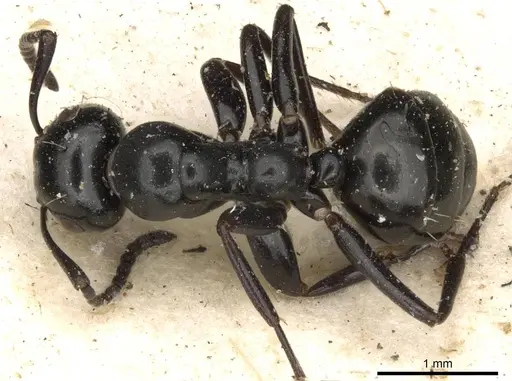
CASENT0910603
View on AntWeb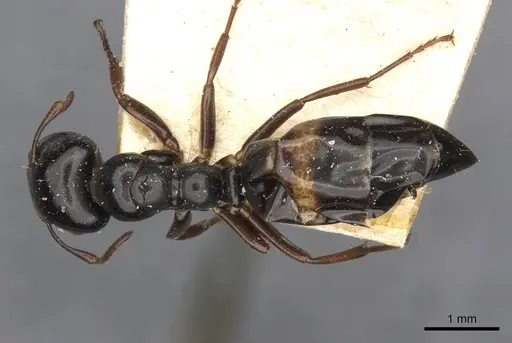
CASENT0910604
View on AntWeb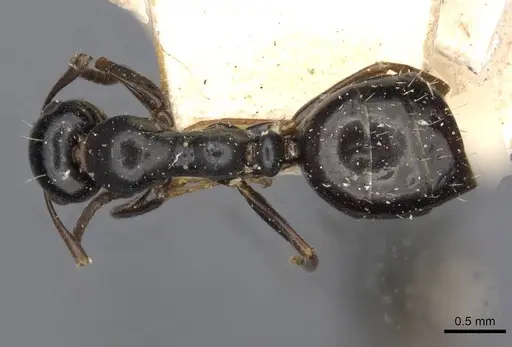
Literature
Loading...Loading products...