

Colobopsis dentata
- Scientific Name
- Colobopsis dentata
- Tribe
- Camponotini
- Subfamily
- Formicinae
- Author
- Mayr, 1866
- Distribution
- Found in 2 countries
Colobopsis dentata Overview
Colobopsis dentata is an ant species of the genus Colobopsis. It is primarily documented in 2 countries , including Fiji, Wallis and Futuna. Detailed taxonomic data and occurrence records can be further explored via authoritative databases such as AntWeb or the Global Biodiversity Information Facility (GBIF).
Colobopsis dentata
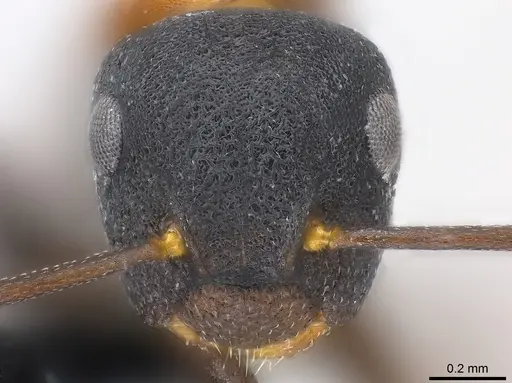
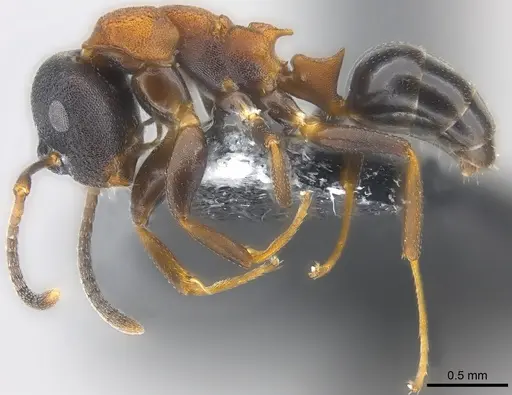
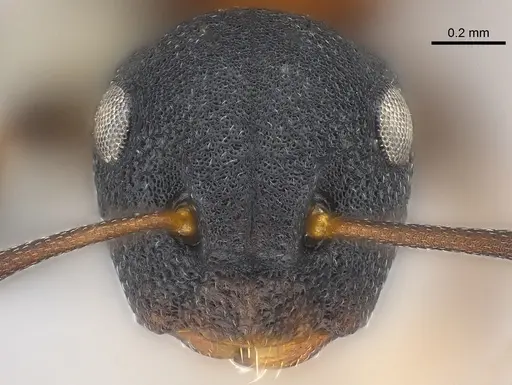
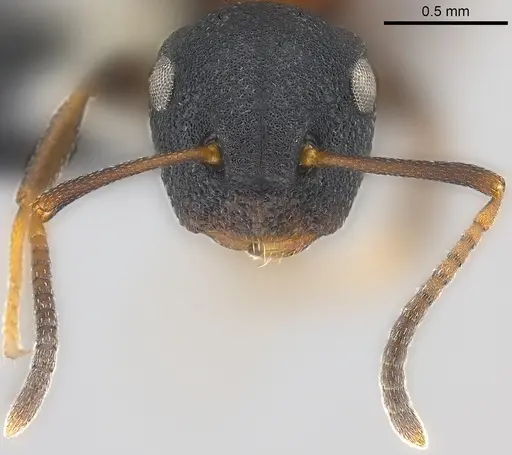
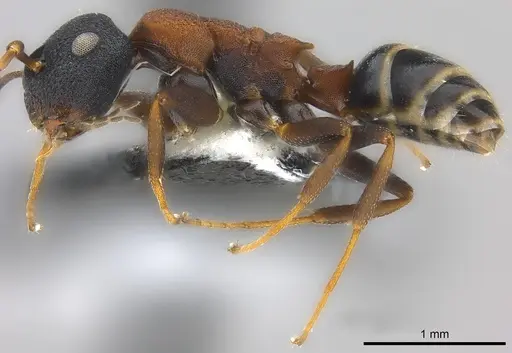
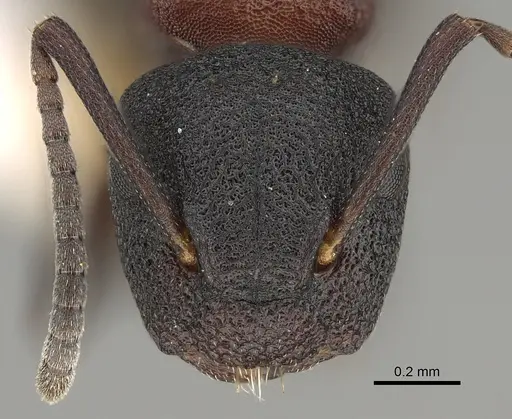
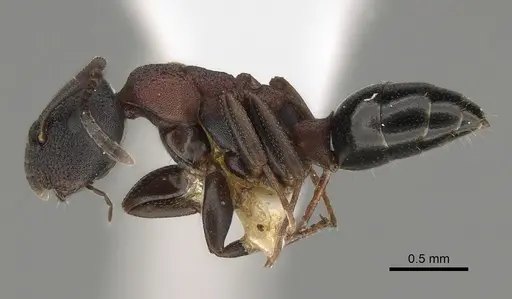
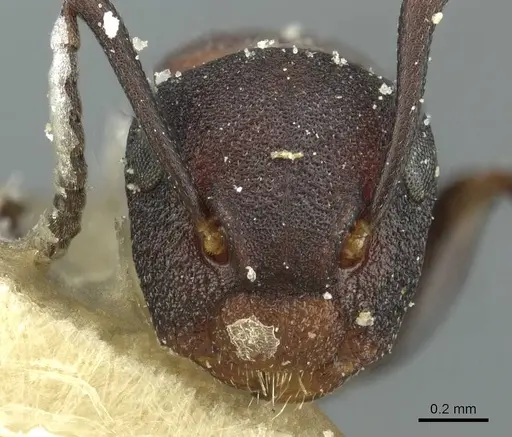
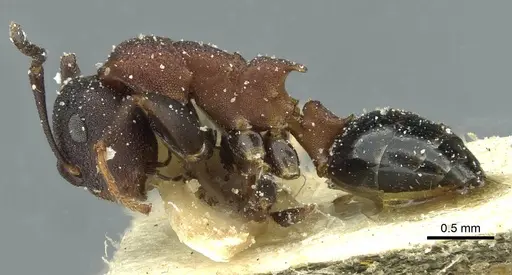
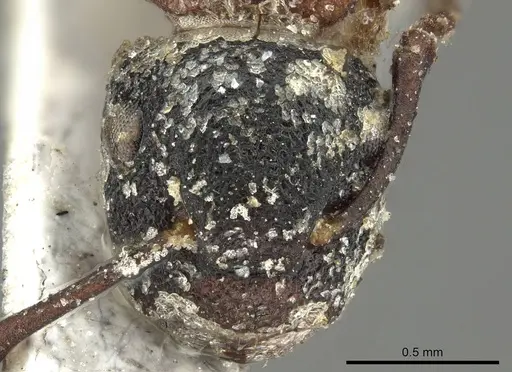
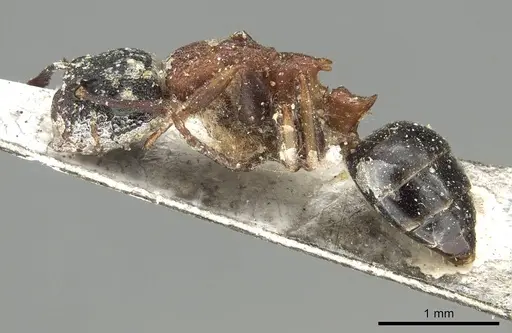
Colobopsis dentata is a small, dark ant endemic to the Fiji Islands. Workers measure 3.5-3.8mm and have a distinctive appearance with a nearly black body, reddish-brown (ferruginous) mandibles, thorax, and petiole, and a notably truncate head shape typical of the genus [1]. The species shows remarkable variation across the Fijian archipelago, particularly in propodeal shape, petiole shape, facial sculpture, and coloration, differences are most striking between populations on different islands [2]. This ant can be found in diverse habitats from coastal scrub and cultivated areas to urban environments, and readily recruits to sugar water baits on the ground [2]. As a tropical island species, these ants are adapted to warm, humid conditions year-round.
Quick Summary
- Difficulty: Medium
- Origin & Habitat: Endemic to the Fiji Islands, found on Viti Levu, Vanua Levu, Kadavu, Taveuni, Ovalau, Gau, and Lakeba [2][3]. In the wild, they inhabit forest margins, coastal scrub, cultivated areas, and urban environments. They are primarily arboreal, occurring on tree trunks and in vegetation, though they will forage on the ground [2].
- Colony Type: Likely monogyne (single queen) based on typical Camponotini patterns. Colony size appears modest, likely under 500 workers given their small size and the fact they weren't heavily represented in survey samples [4].
- Size & Growth:
- Queen: Unconfirmed, estimated 6-8mm based on typical Colobopsis genus patterns
- Worker: 3.5-3.8mm [1]
- Colony: Likely several hundred workers at maturity based on related Camponotus species patterns
- Growth: Moderate, tropical species with year-round development potential
- Development: Estimated 6-8 weeks at optimal tropical temperatures based on typical Formicinae development (Development likely faster than temperate species due to tropical origin. Warm temperatures (24-28°C) will accelerate development.)
- Antkeeping:
- Temperature: Keep at 24-28°C. As a tropical Fiji species, they need warm, stable conditions year-round. A heating cable on one side of the nest creates a suitable gradient
- Humidity: High humidity preferred, aim for 70-80% relative humidity. Keep the nest substrate consistently moist but not waterlogged. Mist occasionally and provide a water tube
- Diapause: No, being a tropical species from a consistent climate, they do not require hibernation or winter rest. Maintain warm temperatures year-round
- Nesting: Arboreal-nesting species in the wild. In captivity, they do well in Y-tong (AAC) nests, plaster nests, or test tube setups with tight chambers. They prefer narrow passages and enclosed spaces. Avoid dry, airy setups, they need humidity retention
- Behavior: Generally peaceful and non-aggressive. As a small species, they are not particularly defensive and rarely sting. Workers are active foragers that readily recruit nestmates to sugar sources. They show typical Formicinae trail-forming behavior when food is discovered. Escape risk is moderate due to their small size, use standard barrier methods but no special escape prevention required beyond standard practices [2].
- Common Issues: tropical species may struggle if temperatures drop below 22°C, keep warm year-round, small colony size means slower development than larger ant species, patience required, high humidity needs can lead to mold if ventilation is poor, balance humidity with airflow, wild-caught colonies from Fiji may carry parasites or diseases that can affect captive colonies, as an endemic island species, established captive colonies are uncommon, limited availability
Housing and Nest Setup
Colobopsis dentata does well in enclosed nest setups that retain humidity. Y-tong (AAC) nests work excellently, the tight chambers and passages match their small size and help maintain the moisture levels they need. Plaster nests are another good option, as they hold humidity well. If using test tubes, provide a second water tube connected to the foraging area to maintain humidity. The nest should have chambers sized appropriately for 3.5mm workers, narrow passages are fine since they're not large ants. Place the nest in a dark area or use a nest with a dark cover, as they prefer dim conditions. The outworld can be simple, a plastic container with a secure lid and standard escape barriers. Because they're arboreal by nature, adding some vertical elements like twigs or fake plants in the outworld gives them natural foraging surfaces.
Feeding and Diet
In the wild, these ants readily recruit to sugar water baits placed on the ground [2], confirming they accept sweet liquids. They likely supplement their diet with honeydew from aphids and small insects, as is typical for Formicinae. In captivity, offer sugar water (1:1 ratio with water) or honey as a constant energy source. For protein, provide small prey items like fruit flies, small mealworms, or other tiny insects. Since workers are only 3.5mm, prey should be appropriately sized, nothing larger than their own body size. Feed protein sources 2-3 times per week, and keep sugar water available at all times. Remove uneaten prey after 24-48 hours to prevent mold.
Temperature and Humidity
Being endemic to the Fiji Islands, these ants require warm, humid conditions. Keep the nest area at 24-28°C, this is ideal for tropical ants and matches their natural climate. A small heating cable placed on one side of the nest creates a gentle temperature gradient while avoiding the drying effects of direct heat. Place the heating cable on top of the nest, not underneath, to prevent evaporation. Humidity should stay around 70-80%. The nest substrate should feel consistently damp but never waterlogged. You can achieve this by connecting a water tube to the nest or using a moist plaster/nest medium. Occasional misting of the outworld helps, but avoid direct misting on the ants. Room temperature below 22°C for extended periods can stress these tropical ants.
Colony Development
Colobopsis dentata colonies likely grow moderately. A claustral founding queen (one who seals herself in and raises the first workers alone on stored body fat) is expected based on typical Camponotini patterns, though this hasn't been directly documented for this species. The first workers, called nanitics, will be smaller than mature workers but should emerge within 6-8 weeks under optimal warm conditions. After the first workers arrive, the colony will gradually grow. Expect slow but steady growth through the worker population, don't expect rapid expansion like some faster-growing species. Mature colonies likely reach several hundred workers. Since they're a tropical species, there's no winter slowdown, development continues year-round as long as temperatures remain warm.
Behavior and Observation
These ants are active and visible foragers. Workers will readily form trails to food sources, making them enjoyable to watch during feeding time. They show typical Formicinae recruitment behavior, when one worker finds food, she returns to alert others, forming a visible trail. Their small size and dark coloration with reddish highlights make them visually distinctive. They are not aggressive toward keepers and rarely attempt to sting. In the nest, you may observe their characteristic truncate head shape, the front of the head is flattened, which in the wild serves as a living door to block nest entrances. This behavior may be observable in captivity as workers position themselves at nest openings.
Frequently Asked Questions
How long does it take for Colobopsis dentata to produce first workers?
Expect first workers (nanitics) in about 6-8 weeks after the queen lays eggs, provided temperatures are kept warm at 24-28°C. This is typical for tropical Formicinae species. Growth will be slower if temperatures dip below optimal range.
What do Colobopsis dentata ants eat?
They accept sugar sources readily, offer sugar water (1:1 with water) or honey constantly. For protein, feed small insects like fruit flies, small mealworms, or pinhead crickets appropriately sized for 3.5mm workers. They readily recruit to sugar baits in the wild.
Do Colobopsis dentata ants need hibernation?
No. Being a tropical species from Fiji, they do not require hibernation or winter rest. Keep them warm year-round at 24-28°C for optimal development.
Are Colobopsis dentata good for beginners?
They are moderate difficulty. While not aggressive and accepting of captive conditions, their need for constant warmth and humidity requires attention. Their small size also means you need to use appropriately sized prey and ensure escape prevention is in place. They are rewarding for intermediate antkeepers comfortable with tropical species.
How big do Colobopsis dentata colonies get?
Based on related species patterns, colonies likely reach several hundred workers at maturity. They are not among the largest ant species, but established colonies can be quite active and impressive.
Can I keep multiple Colobopsis dentata queens together?
This has not been documented. Based on typical Camponotini patterns, single-queen colonies are most likely. Combining unrelated queens is not recommended without evidence they can coexist peacefully.
What temperature is best for Colobopsis dentata?
Keep nest temperatures at 24-28°C. As a tropical Fiji species, they need consistent warmth. A heating cable on one side of the nest creates a suitable gradient. Avoid temperatures below 22°C for extended periods.
Where is Colobopsis dentata found in the wild?
This species is endemic to the Fiji Islands, found only on islands including Viti Levu, Vanua Levu, Kadavu, Taveuni, and Ovalau. They live in forest edges, coastal scrub, cultivated areas, and even urban environments.
When do Colobopsis dentata have nuptial flights?
Nuptial flight timing has not been documented. As a tropical species, they likely have flights year-round or during warmer months. If you keep a mature colony, watch for winged reproductives appearing periodically.
References

This caresheet is licensed under CC BY-SA 4.0 .
CASENT0177557
View on AntWeb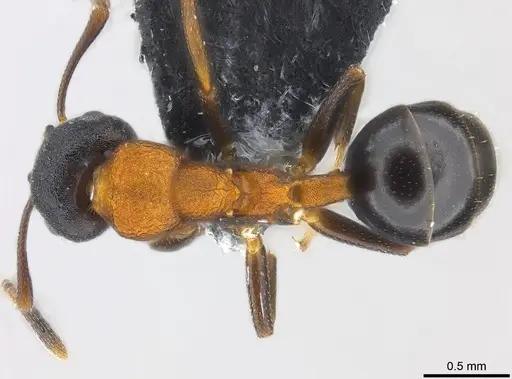
CASENT0177590
View on AntWeb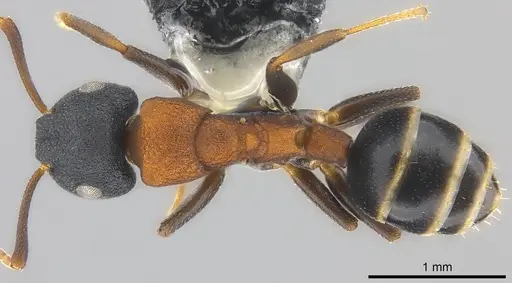
CASENT0887748
View on AntWeb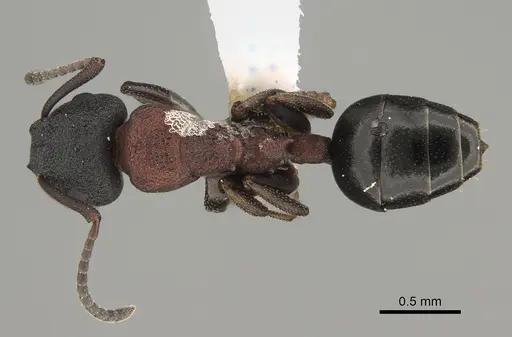
CASENT0911625
View on AntWeb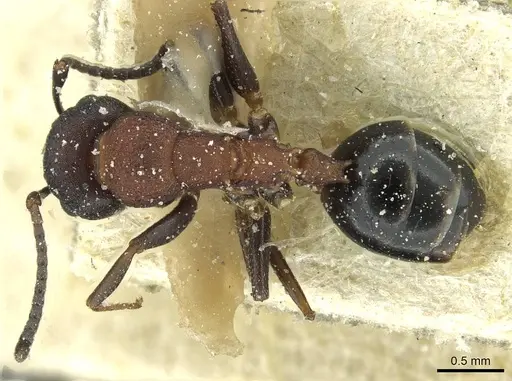
CASENT0915757
View on AntWeb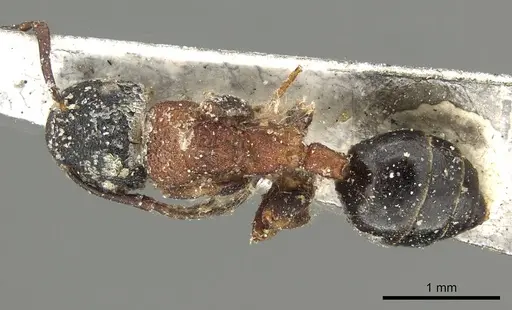
Literature
Loading...Loading products...