

Colobopsis cristata
- Scientific Name
- Colobopsis cristata
- Tribe
- Camponotini
- Subfamily
- Formicinae
- Author
- Mayr, 1866
- Distribution
- Found in 2 countries
Colobopsis cristata Overview
Colobopsis cristata is an ant species of the genus Colobopsis. It is primarily documented in 2 countries , including Fiji, Wallis and Futuna. Detailed taxonomic data and occurrence records can be further explored via authoritative databases such as AntWeb or the Global Biodiversity Information Facility (GBIF).
Colobopsis cristata
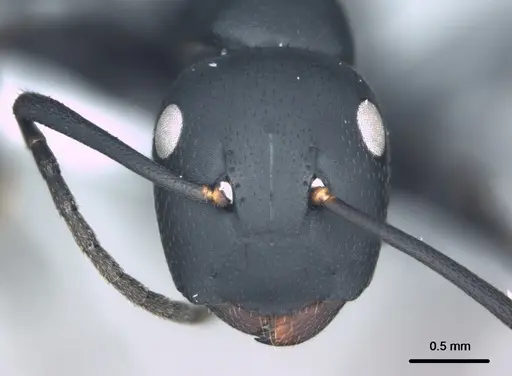
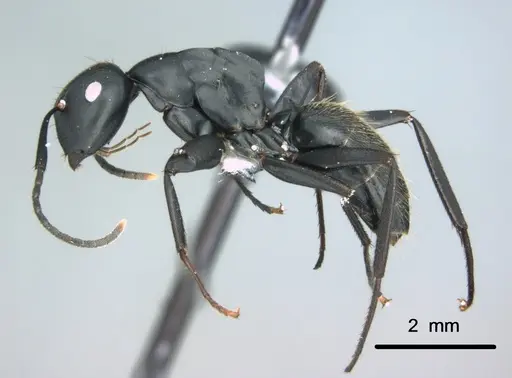
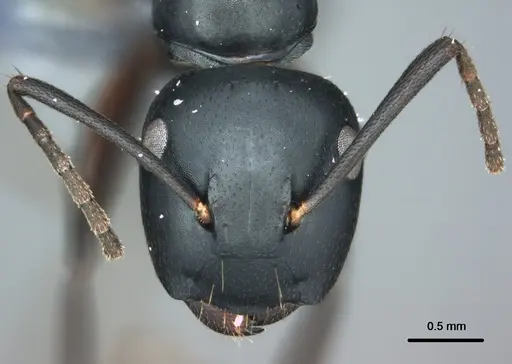
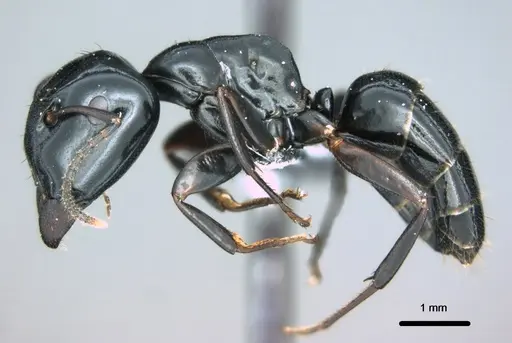
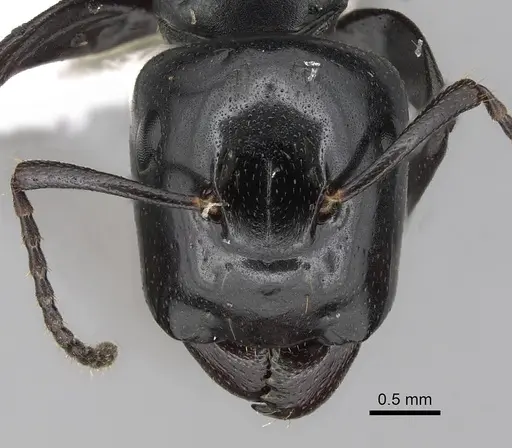
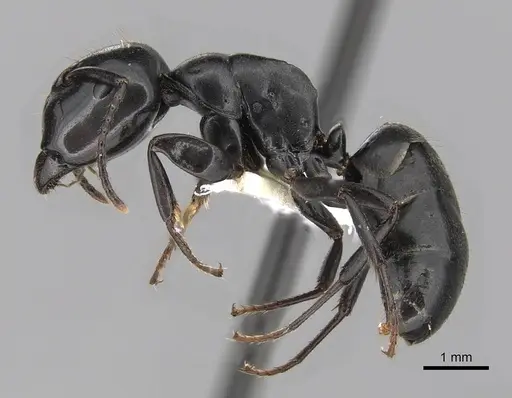
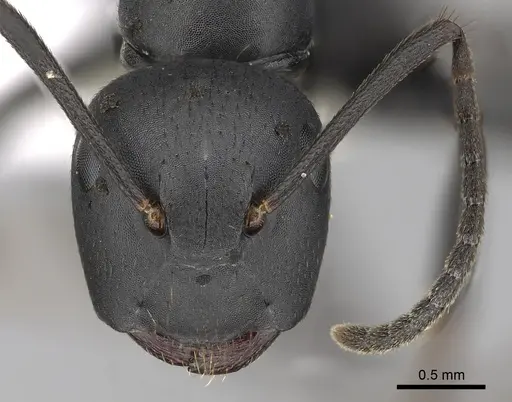
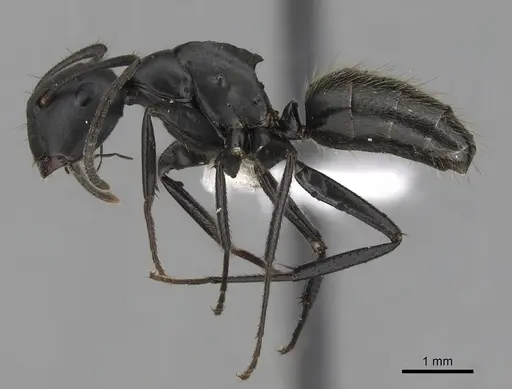
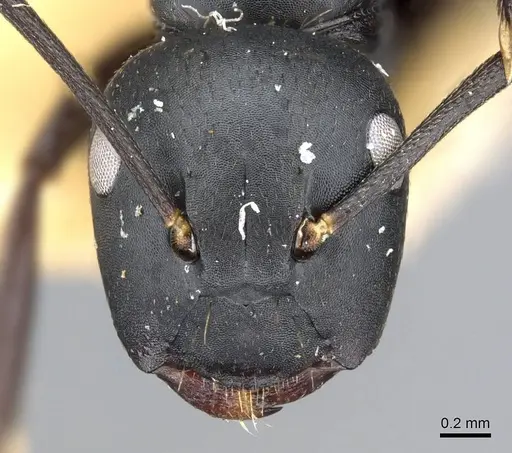
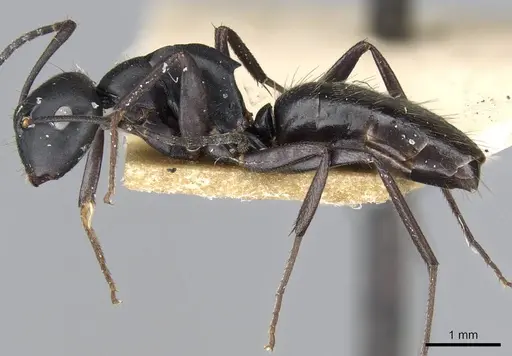
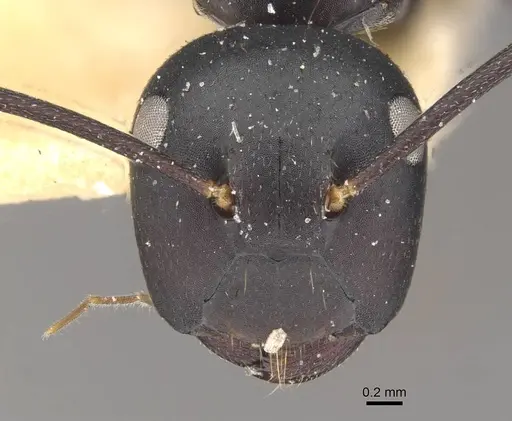
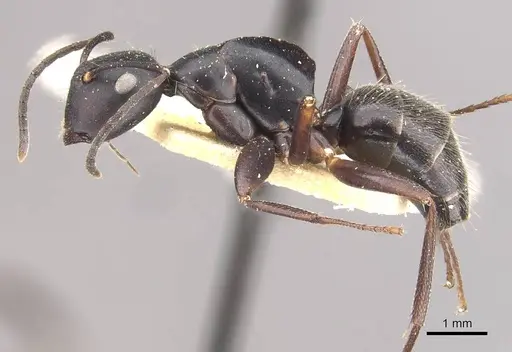
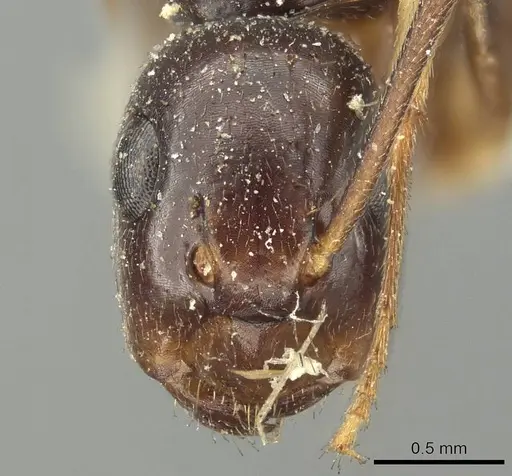
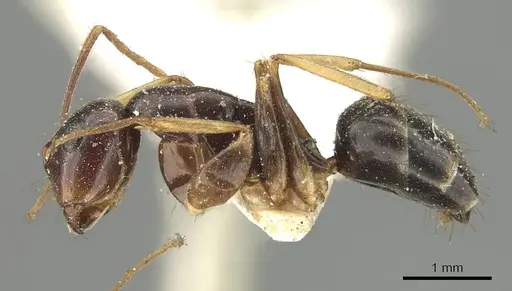
Colobopsis cristata is a medium-sized Formicine ant endemic to the Fiji Islands. Workers measure around 7.5mm and are uniformly black with reddish legs and antennae, giving them a distinctive appearance compared to related species [1][2]. The genus Colobopsis is famous for its 'soldier' caste, workers with specialized plug-shaped heads that can seal nest entrances, though this species' specific head morphology details are not well documented. These ants are found across multiple Fijian islands including Viti Levu, Ovalau, Taveuni, and others in the Lau Group [2][3]. As a tropical island species, they forage across various elevations and microhabitats from ground level to vegetation [2].
Quick Summary
- Difficulty: Medium
- Origin & Habitat: Endemic to the Fiji Islands, found on Viti Levu, Ovalau, Taveuni, Gau, Kadavu, Lakeba, and Vanua Levu [2][3]. In nature they nest in rotting wood, hollow twigs, and plant stems, typical of Colobopsis species. Workers forage on ground, stones, logs, trees, and vegetation [2].
- Colony Type: Colony structure is unconfirmed for this species. Based on genus patterns, likely monogyne (single queen) with a defined soldier caste typical of Colobopsis.
- Founding: Claustral
- Size & Growth:
- Queen: Unknown, not described in available literature
- Worker: 7.5mm [1]
- Colony: Unknown, no colony size data available
- Growth: Moderate, based on typical Camponotini development patterns
- Development: Estimated 6-8 weeks at tropical temperatures (25-28°C) based on related Camponotus and Colobopsis species (Development time is estimated from genus-level data since species-specific timing is unconfirmed)
- Antkeeping:
- Temperature: Keep at 24-28°C. As a tropical Fijian species, they need warm, stable conditions year-round. A heating cable on one side of the nest can create a gentle gradient
- Humidity: Moderate to high, aim for 60-80% humidity. Keep the nest substrate moist but not waterlogged. Mist occasionally and provide a water tube
- Diapause: No, as a tropical species from near the equator, they do not require hibernation. Keep temperatures stable year-round
- Nesting: Y-tong (AAC) nests or plaster nests work well. They prefer nesting in wood-like materials with narrow chambers. Provide a formicarium with multiple chambers connected by small tunnels. Avoid dry, desiccating setups
- Behavior: Workers are active foragers that search for food both on the ground and in vegetation [2]. They are not particularly aggressive but will defend the nest. Like other Formicinae, they may use chemical defenses. Escape risk is moderate, use standard barriers. They are diurnal and actively hunt small prey.
- Common Issues: tropical species requires stable warm conditions, cold stress can kill colonies, nesting in wood means they need appropriate formicarium setup with wood or plaster, poorly studied species means some care aspects are estimates from related species, wild-caught colonies may have parasites specific to their native range, small colony sizes mean slow growth requires patience
Housing and Nest Setup
Colobopsis cristata does well in Y-tong (AAC) nests or plaster formicariums that mimic their natural wood-nesting habits. Provide narrow chambers connected by small tunnels, these ants prefer tight, enclosed spaces similar to their natural hollow twig and rotting wood nests. A test tube setup works for founding colonies, but be prepared to move them to a proper formicarium once the colony reaches 20-30 workers. Include a water reservoir to maintain humidity, but avoid flooding. The outworld should have a small foraging area where you can offer food. Use standard escape prevention like fluon on edges, these workers are not tiny but can still climb smooth surfaces.
Feeding and Diet
Like other Formicinae, Colobopsis cristata is omnivorous. Offer sugar water or honey as a constant energy source, they will readily accept these. For protein, provide small insects like fruit flies, pinhead crickets, or mealworm pieces. In nature, they forage for small arthropods and likely tend aphids or scale insects for honeydew. Feed protein 2-3 times per week, and keep sugar water available at all times. Remove uneaten prey after 24-48 hours to prevent mold.
Temperature and Humidity
As a tropical species from Fiji, these ants need warm conditions. Keep the nest area at 24-28°C consistently. A heating cable placed on one side of the nest creates a temperature gradient they can choose between. Room temperature may be sufficient if your home is already in this range. For humidity, aim for 60-80%, the nest substrate should feel damp but not soggy. Mist the outworld occasionally and check that condensation does not build up excessively. Unlike temperate species, they do not need a cooling period or hibernation, maintain stable temperatures year-round.
Colony Development
Colobopsis cristata is a poorly studied endemic species, so specific development timelines are not documented. Based on related Colobopsis and Camponotus species, expect 6-8 weeks from egg to first worker at optimal temperatures. The founding queen will seal herself in a chamber (claustral founding) and survive on stored fat until her first workers emerge. Initial colonies grow slowly, the first nanitic workers will be smaller than mature workers. Be patient with founding colonies, it may take several months before you see significant growth. Once established, colonies can potentially reach several hundred workers.
Behavior and Temperament
Workers are active foragers that search both on the ground and in vegetation [2]. They are not among the most aggressive ant species but will readily defend their nest if threatened. Like other Formicinae, they may secrete formic acid as a defense. Workers are moderately sized at 7.5mm and can handle moderate prey items. They are diurnal, with most activity during daylight hours. The colony will establish clear foraging routes once they map their territory. Observe their behavior, active, searching workers indicate a healthy, well-adjusted colony.
Frequently Asked Questions
How long does it take for Colobopsis cristata to produce first workers?
Based on related species, expect 6-8 weeks from egg to first worker at optimal tropical temperatures (25-28°C). This is an estimate since this specific species has not been studied in captivity.
What temperature do Colobopsis cristata ants need?
Keep them at 24-28°C year-round. As a tropical Fijian species, they need consistent warmth and do not tolerate cool conditions.
Do Colobopsis cristata ants need hibernation?
No. As a tropical species from near the equator, they do not require hibernation or cooling periods. Maintain stable temperatures year-round.
What do Colobopsis cristata ants eat?
They are omnivorous. Offer constant sugar water or honey for energy, and protein sources like small insects (fruit flies, pinhead crickets, mealworms) 2-3 times per week.
Are Colobopsis cristata good for beginners?
This species is rated Medium difficulty. While not the hardest species, they are a poorly studied tropical species with specific temperature requirements. Beginners may find the year-round heating needs challenging.
How big do Colobopsis cristata colonies get?
Colony size is not documented for this species. Based on related Colobopsis species, colonies likely reach several hundred workers at maturity.
Can I keep multiple Colobopsis cristata queens together?
Colony structure is unconfirmed for this species. Based on genus patterns, they likely form single-queen colonies. Combining unrelated queens is not recommended without specific documentation.
Where is Colobopsis cristata found in the wild?
This species is endemic to the Fiji Islands, found on Viti Levu, Ovalau, Taveuni, and several other islands in the Lau Group [2][3].
References

This caresheet is licensed under CC BY-SA 4.0 .
CASENT0180230
View on AntWeb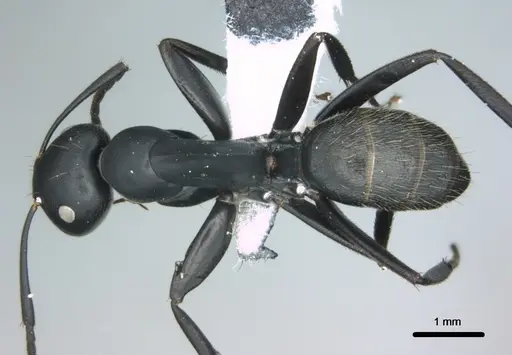
CASENT0180304
View on AntWeb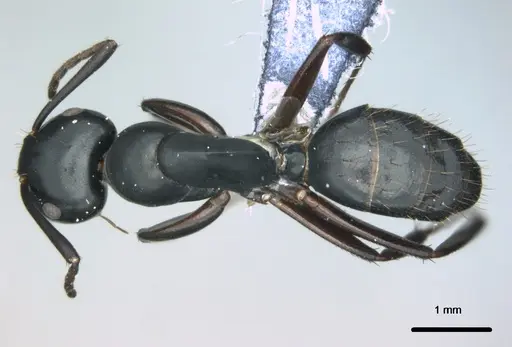
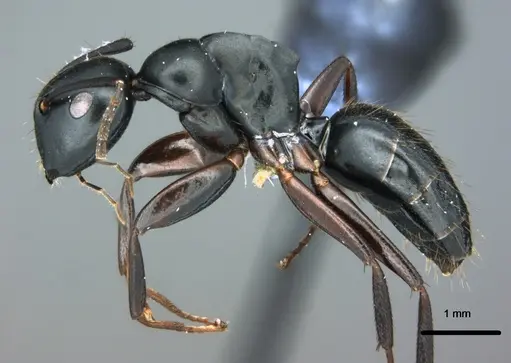
CASENT0180333
View on AntWeb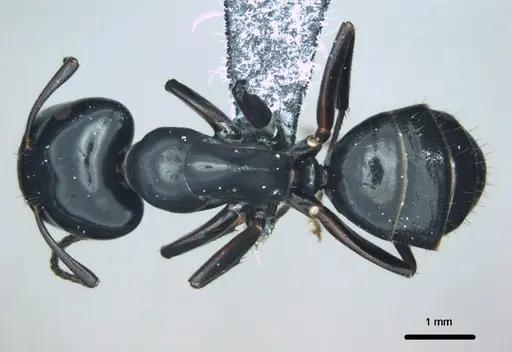
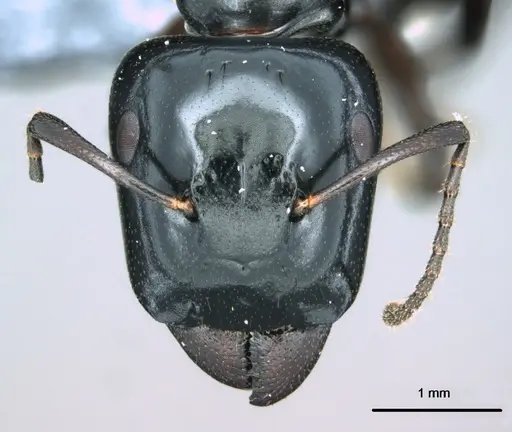
CASENT0280255
View on AntWeb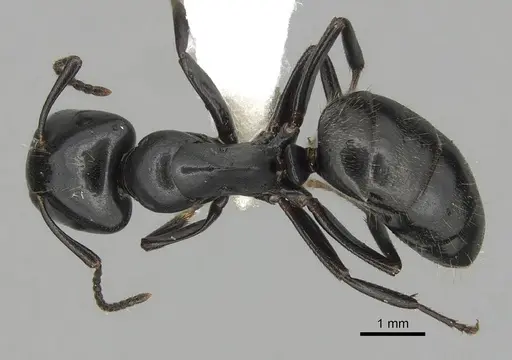
CASENT0280256
View on AntWeb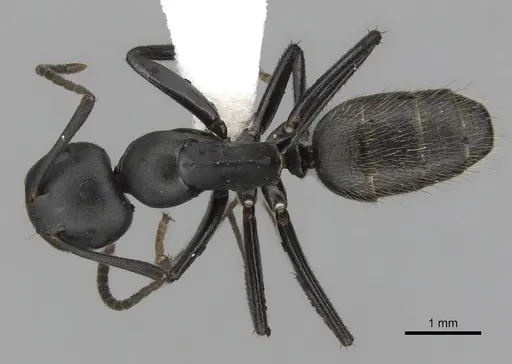
CASENT0905844
View on AntWeb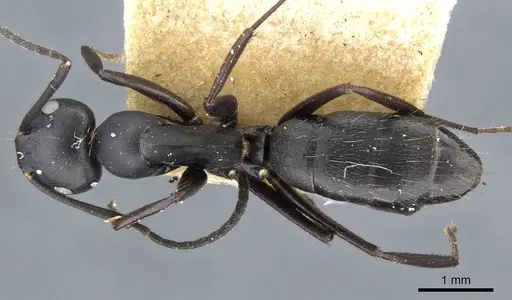
CASENT0910579
View on AntWeb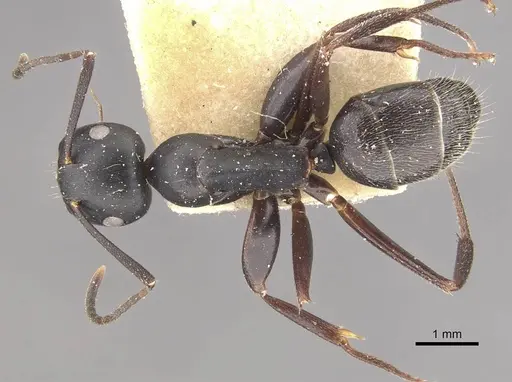
CASENT0915756
View on AntWeb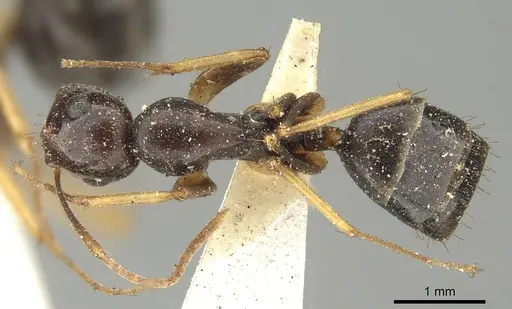
Literature
Loading...Loading products...