

Colobopsis conithorax
- Scientific Name
- Colobopsis conithorax
- Tribe
- Camponotini
- Subfamily
- Formicinae
- Author
- Emery, 1914
- Distribution
- Found in 2 countries
Colobopsis conithorax Overview
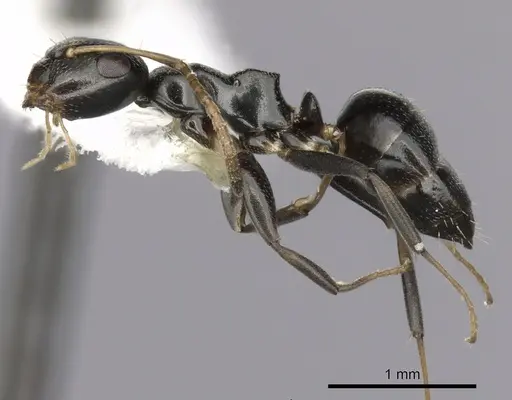
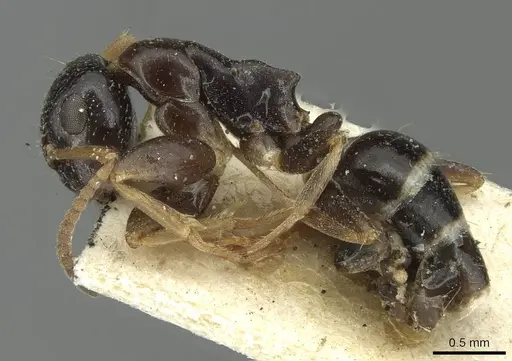
Colobopsis conithorax is an ant species of the genus Colobopsis. It is primarily documented in 2 countries , including Australia, Vanuatu. Detailed taxonomic data and occurrence records can be further explored via authoritative databases such as AntWeb or the Global Biodiversity Information Facility (GBIF).
Colobopsis conithorax
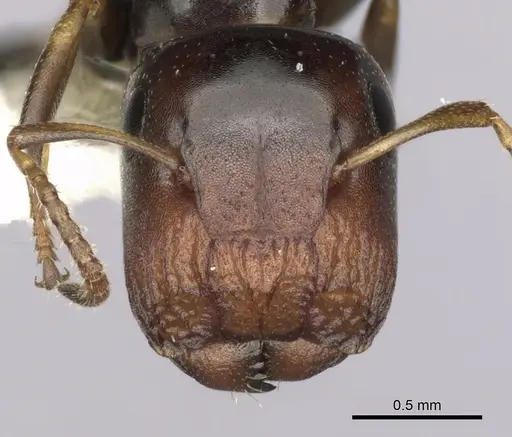
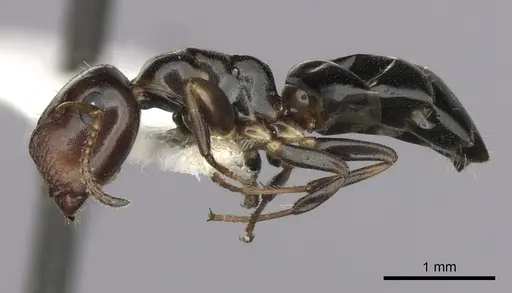
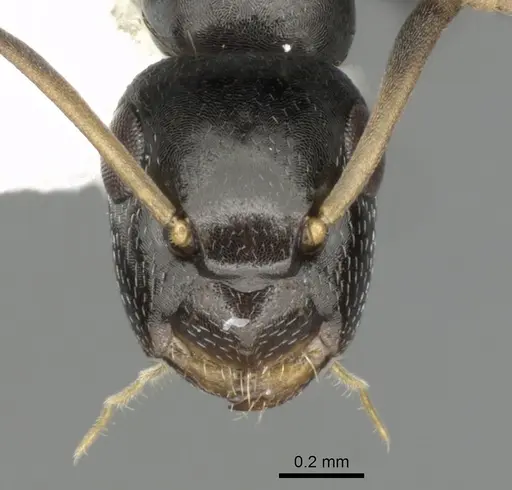
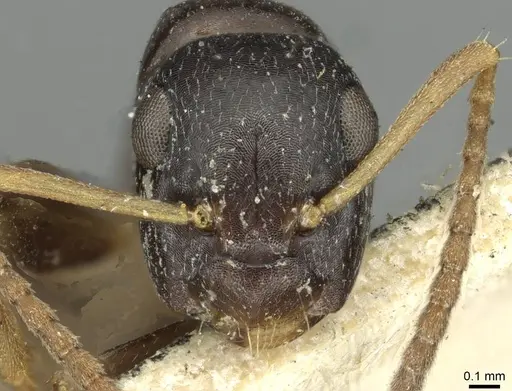
Colobopsis conithorax is a small arboreal ant native to the Australasian region, including Vanuatu, Samoa, and northern Australia. These ants belong to the Camponotus macrocephalus species-group, characterized by their swollen fore femurs and the distinctive phragmotic (truncated, flattened) head shape found in major workers and queens. Workers are dimorphic, with major workers being larger and having the characteristic truncated head, while minor workers have more typical ant morphology. The species nests naturally in hollow twigs and small cavities in trees, particularly in Endospermum species. Colonies are relatively small, with this species showing a preference for lowland tropical habitats at elevations around 200 meters.
Quick Summary
- Difficulty: Medium
- Origin & Habitat: Native to the Australasian region including Vanuatu, Samoa, and northern Queensland, Australia. Found in tropical lowland areas, with specimens collected at elevations around 200m. Nests in hollow twigs of trees, particularly Endospermum species [1].
- Colony Type: Single-queen colonies (monogyne). Colonies are relatively small based on the limited nest abundance data available.
- Colony: Monogyne
- Founding: Claustral
- Size & Growth:
- Queen: Unconfirmed measurements, estimated 6-8mm based on related Colobopsis species
- Worker: Minor workers: 1.6-1.9mm total length, head width 1.5-2.1mm [1]
- Colony: Estimated 100-300 workers based on typical Colobopsis colony sizes and limited field data
- Growth: Moderate, inferred from related Camponotus species
- Development: Estimated 6-8 weeks at optimal tropical temperatures based on genus-level patterns for Camponotini [2] (Development time is estimated from related species, direct measurements for this specific species are not available)
- Antkeeping:
- Temperature: Keep at 24-28°C. This is a tropical lowland species that prefers warm conditions. A gentle temperature gradient allows workers to regulate their preferred spot.
- Humidity: Moderate to high humidity (60-80%). Their natural habitat in tropical regions is humid, but since they nest in tree cavities, they need good ventilation to prevent mold. Mist the outworld occasionally but ensure the nest area has some dry areas available.
- Diapause: No true diapause required. As a tropical species, they do not need hibernation. However, a slight reduction in temperature during cooler months may slow activity naturally.
- Nesting: Arboreal nester, they naturally nest in hollow twigs and small cavities. In captivity, they do well in Y-tong (AAC) nests, small acrylic formicaria, or test tube setups with twig-shaped formicarium inserts. Provide small-diameter chambers that match their natural twig-nesting behavior.
- Behavior: Generally peaceful and non-aggressive. Like most Colobopsis species, they are shy and prefer to avoid confrontation. Major workers use their phragmotic (truncated) head as a living door to block nest entrances, this is a unique defensive behavior where they seal the colony inside by plugging the entrance with their specially shaped head. Workers are active foragers but not particularly aggressive. Escape prevention should be excellent due to their small size, they can squeeze through tiny gaps. They are arboreal and will readily climb vertical surfaces.
- Common Issues: escape prevention is critical due to their very small worker size, use fine mesh barriers and tight-fitting lids, colonies are small and slow-growing, which may frustrate keepers expecting rapid development, humidity control is important, too wet causes mold, too dry causes desiccation, wild-caught colonies may carry parasites that can devastate captive colonies, their arboreal nature means they need climbing structures and may escape from open-top setups
Housing and Nest Setup
Colobopsis conithorax is an arboreal species that naturally nests in hollow twigs and small plant cavities. In captivity, they do best in nests that mimic these conditions. Y-tong (AAC) nests work very well because the narrow chambers simulate their natural twig-nesting habitat. Small acrylic formicaria with appropriately sized chambers are also suitable. Test tube setups can work for founding colonies, but consider moving them to a more naturalistic setup once the colony grows. Because they are small, ensure all connections and tubes are appropriately sized, standard tubing may be too large and allow escapes. Add small twigs, cork, or other climbing structures in the outworld since they naturally forage in tree canopy areas. They are excellent climbers and will explore vertical surfaces, so escape prevention must be thorough. [1]
Feeding and Diet
Like other members of the Camponotini tribe, Colobopsis conithorax likely has a varied diet. They probably consume honeydew from sap-sucking insects (they have a known nutritional symbiosis with Blochmannia bacteria that helps them process nitrogen from their diet [3]) and will accept sugar water or honey. For protein, offer small insects like fruit flies, small mealworms, oraphids. Given their small size, prey items should be appropriately sized. They are not aggressive predators but will collect small arthropods. Feed them a few times per week, removing uneaten prey after 24 hours to prevent mold. Sugar water should be available constantly, changed every few days.
Temperature and Seasonal Care
This is a tropical lowland species native to regions like Vanuatu, Samoa, and northern Queensland. They prefer warm conditions around 24-28°C. In the wild, they are found at low elevations (around 200m) in tropical environments, suggesting they do not tolerate cool temperatures. Keep them warm year-round, room temperature may be sufficient if your home stays in the low-to-mid 70s°F (around 24°C), but a small heating cable on one side of the nest can create a beneficial gradient. Unlike temperate species, they do not require a winter diapause or hibernation period. Their activity may naturally slow slightly during cooler months, but this is not a true hibernation. Avoid temperatures below 20°C for extended periods.
Unique Behaviors and Defense
One of the most fascinating aspects of Colobopsis ants is their phragmotic head structure. Major workers and queens have a distinctly truncated (flattened) front to their head. This is not just for identification, they actually use this as a living door! Major workers will position themselves at nest entrances and plug the hole with their specially shaped head, effectively sealing the colony inside. This is a passive defense mechanism that requires no aggression from the ant. When you see a major worker with its head pressed against an entrance, do not disturb it, the ant is performing its natural defensive role. Minor workers handle most foraging and brood care, while major workers primarily serve as defenders and doorkeepers. [1]
Colony Growth and Development
Colobopsis conithorax colonies appear to remain relatively small compared to some other Formicinae species. Based on limited field data showing around 10 nests at 200m elevation, colonies are likely modest in size, probably reaching a few hundred workers at maturity. Growth is likely moderate, not as fast as some tropical pest ants but not particularly slow either. Founding queens are claustral, sealing themselves in a chamber and raising the first brood alone without foraging. The first workers (nanitics) will be smaller than normal workers. Major workers develop later in the colony cycle. Be patient with founding colonies, it can take several months before the first workers emerge, and several more months before you see significant growth. [2]
Frequently Asked Questions
How long does it take for Colobopsis conithorax to raise first workers?
Estimated 6-8 weeks from egg to first worker at optimal tropical temperatures (around 26°C). This is based on related Camponotus species patterns since specific development data for C. conithorax is not available. Founding colonies may take longer as the queen raises her first brood alone.
Can I keep multiple Colobopsis conithorax queens together?
No. This species is monogyne, meaning colonies naturally have a single queen. Combining unrelated queens is not recommended and will likely result in fighting. If you catch a founding queen, house her alone until she establishes her colony.
What size colony does Colobopsis conithorax reach?
Colonies are relatively small, estimated at 100-300 workers at maturity. This is typical for Colobopsis species which do not form the large supercolonies seen in some other Formicinae.
Are Colobopsis conithorax good for beginners?
They are intermediate in difficulty. While not as challenging as some exotic species, they do require attention to humidity, temperature, and escape prevention due to their small size. Their slow growth and small colony size may test beginner patience.
What do Colobopsis conithorax eat?
They likely accept a typical ant diet: sugar sources (honey water, sugar water) and small protein prey (fruit flies, small mealworms, aphids). Their small size means prey should be appropriately sized.
Do they need hibernation or winter cooling?
No. As a tropical lowland species from Vanuatu, Samoa, and northern Australia, they do not require hibernation. Keep them warm year-round at 24-28°C.
When should I move them to a formicarium?
Keep founding queens in a simple test tube setup until the colony reaches at least 20-30 workers. Once they have major workers and the colony is active, you can move them to a Y-tong or small acrylic nest. They prefer small chambers that mimic their natural twig-nesting habitat.
Why is my major worker plugging the nest entrance?
This is completely normal behavior! Colobopsis species have phragmotic (truncated) heads that they use as living doors. Major workers will position themselves at entrances and block the colony inside as a passive defense. Do not force them to move, this is their natural role.
How do I prevent escapes with such small ants?
Excellent escape prevention is essential. Use fine mesh (at least 0.5mm) on all ventilation holes. Check all tube connections and ensure lids fit tightly. These ants are tiny (workers 1.6-1.9mm) and can squeeze through remarkably small gaps. Review your setup regularly for any potential escape routes.
References

This caresheet is licensed under CC BY-SA 4.0 .
CASENT0106008
View on AntWeb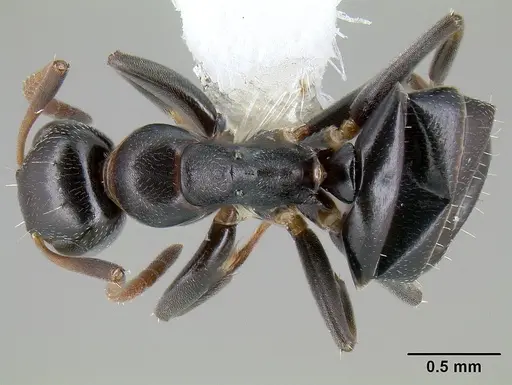
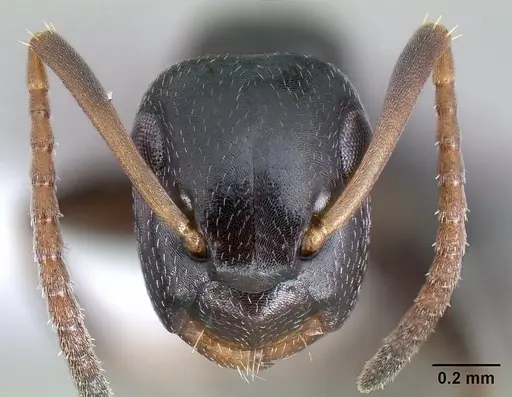
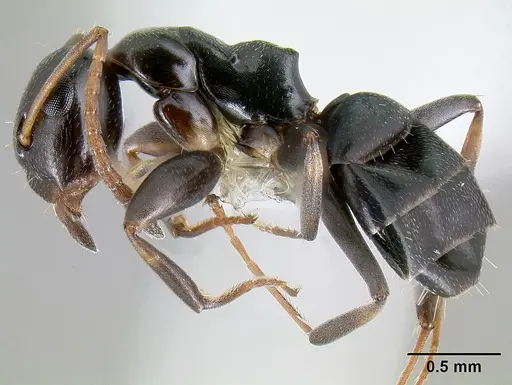
CASENT0280183
View on AntWeb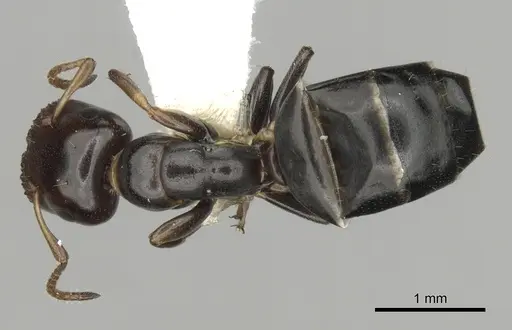
CASENT0280184
View on AntWeb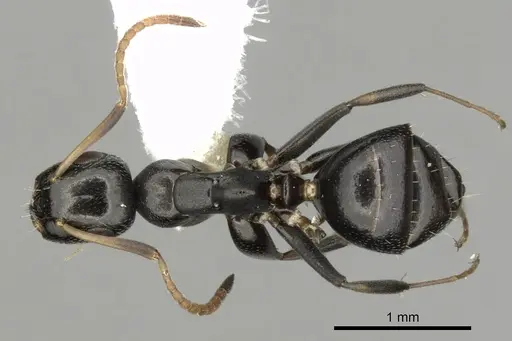
CASENT0913713
View on AntWeb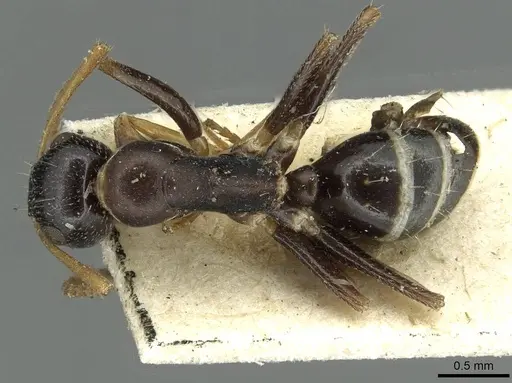
Literature
Loading...Loading products...