

Colobopsis clerodendri
- Scientific Name
- Colobopsis clerodendri
- Tribe
- Camponotini
- Subfamily
- Formicinae
- Author
- Emery, 1887
- Distribution
- Found in 1 countries
Colobopsis clerodendri Overview
Colobopsis clerodendri is an ant species of the genus Colobopsis. It is primarily documented in 1 countries , including Malaysia. Detailed taxonomic data and occurrence records can be further explored via authoritative databases such as AntWeb or the Global Biodiversity Information Facility (GBIF).
Colobopsis clerodendri
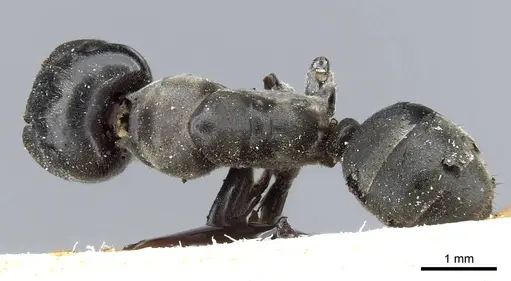
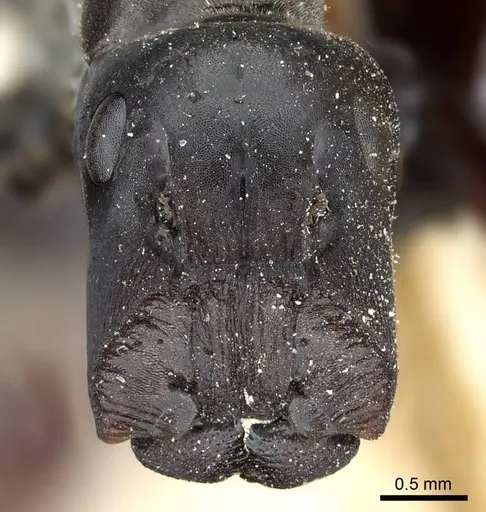
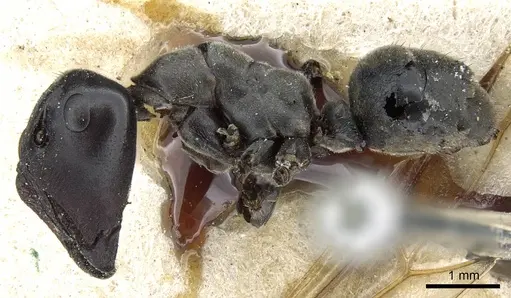
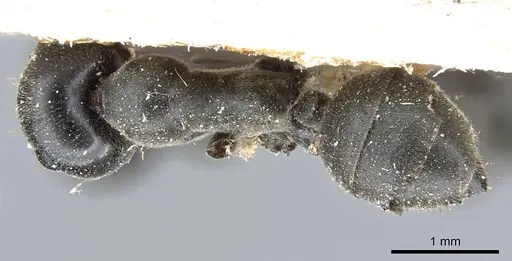
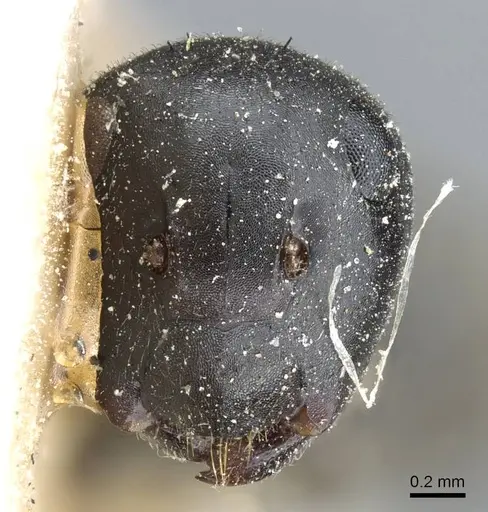
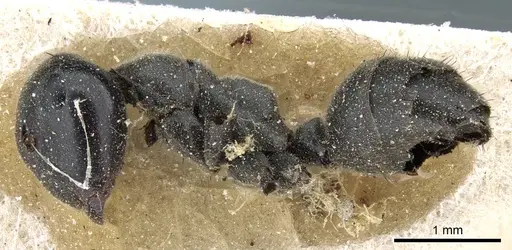
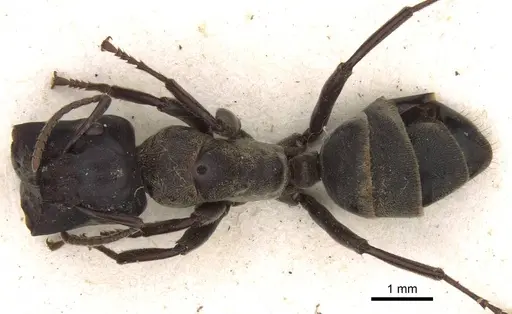
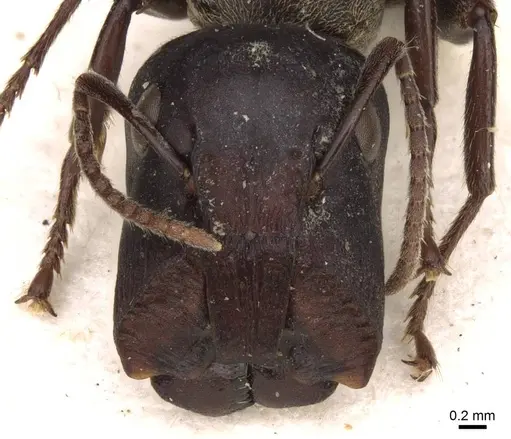
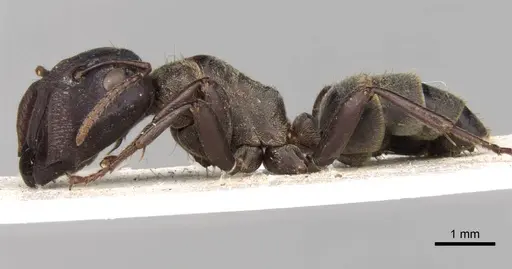
Colobopsis clerodendri is a tropical ant species native to Borneo and surrounding regions in the Indomalaya area. Workers are relatively small, typically measuring 4-6mm, with the characteristic Colobopsis head shape, the majors have an enlarged, somewhat flattened head that serves as a living door to seal nest entrances. The genus Colobopsis is famous for its 'exploding ant' defense mechanism, where workers can rupture their own abdomens to release toxic glandular secretions against predators [1]. These ants inhabit the lowland tropical rainforests of Borneo and Malaysia, nesting in rotting wood, dead branches, and tree hollows in the canopy.
Quick Summary
- Difficulty: Medium
- Origin & Habitat: Native to Borneo and surrounding Indonesian/Malaysian islands in the Indomalaya region. Inhabits lowland tropical rainforest canopies where they nest in rotting wood and dead branches [2][3].
- Colony Type: Likely single-queen (monogyne) colonies based on typical Colobopsis and Camponotus patterns. Colony size reaches up to several hundred workers in mature colonies.
- Colony: Monogyne
- Founding: Claustral
- Size & Growth:
- Queen: Approximately 8-10mm, estimated based on related Camponotus species [3]
- Worker: 4-6mm for minor workers, majors slightly larger with distinctive head shape [3]
- Colony: Several hundred workers in mature colonies, estimated from related species
- Growth: Moderate, typical for tropical Formicinae
- Development: 6-8 weeks at tropical temperatures (25-28°C), inferred from related Camponotus species (Development is faster in warm, humid conditions typical of their tropical rainforest habitat)
- Antkeeping:
- Temperature: Keep at 24-28°C. These are tropical ants requiring warm, stable temperatures. A heating cable on one side of the nest creates a suitable gradient. Avoid temperatures below 22°C as this can slow or halt development [3].
- Humidity: High humidity of 70-85% is essential. Their natural habitat is the humid rainforest canopy. Keep nest substrate consistently moist but not waterlogged. Provide a water tube for drinking water.
- Diapause: No, as a tropical species, they do not require hibernation. Maintain warm conditions year-round.
- Nesting: Colobopsis naturally nest in rotting wood, dead branches, and tree cavities. In captivity, they do well in Y-tong (AAC) nests, wooden formicaria, or plaster nests with wood inclusions. They prefer dark, enclosed spaces and will readily accept test tube setups with added wood or cork as founding chambers.
- Behavior: Workers are generally non-aggressive and shy, preferring to flee rather than fight when disturbed. However, they possess a remarkable defensive mechanism, when threatened, workers can rupture their abdominal membrane to release toxic secretions from their hypertrophied mandibular glands [1]. This 'exploding' behavior is a last-resort defense that sacrifices the individual but protects the colony. Workers are active foragers, primarily collecting honeydew from aphids and scale insects, plus small insects. They are moderate escape artists, use standard barrier methods but they are not particularly small or agile.
- Common Issues: tropical temperature requirements mean colonies can fail if kept too cool, monitor temperatures closely, high humidity needs can lead to mold problems if ventilation is poor, balance humidity with airflow, the exploding defense mechanism means stressed workers may self-destruct, handle colonies gently and minimize disturbances, slow founding phase, claustral queens seal themselves in and may take months before first workers emerge, patience is essential, wild-caught colonies may carry parasites or diseases that can decimate captive colonies, quarantine and observe new colonies
The Exploding Ant Defense Mechanism
Colobopsis clerodendri belongs to a remarkable group of ants known as 'exploding ants.' Workers possess hypertrophied (enlarged) mandibular glands that extend from the head through the thorax all the way to the end of the gaster [1]. When threatened by predators or disturbed, these workers can rupture the membrane between their abdominal segments, releasing the contents of these glands as a defensive spray. This is a suicidal defense, the worker dies, but the toxic secretions deter attackers and protect the colony. The secretions contain various compounds including phenolics and terpenoids that can irritate or harm predators. In captivity, you may occasionally observe this behavior if the colony is severely stressed or handled roughly. Minimize disturbances to avoid triggering this defensive response.
Housing and Nest Setup
These ants do well in several nest types. Y-tong (acrylic) nests work excellently as they allow you to observe the colony while providing the dark, enclosed environment they prefer. Wooden formicaria or plaster nests with wood inclusions also mimic their natural nesting in rotting wood. For founding colonies, a simple test tube setup with a small piece of wood or cork inside works well, the queen will seal herself into a chamber. Ensure the nest area stays humid (70-85%) but provide some dry areas for the ants to regulate moisture themselves. A water tube connected to the nest helps maintain humidity and provides drinking water. Place the nest in a warm area (24-28°C) or use a heating cable on one side to create a temperature gradient. [3]
Feeding and Nutrition
Colobopsis clerodendri is omnivorous like most Formicinae ants. They primarily feed on honeydew collected from aphids and scale insects in nature. In captivity, offer sugar water (1:3 ratio) or honey as a constant carbohydrate source. For protein, provide small insects such as fruit flies, small crickets, mealworms, or other appropriately-sized prey. Feed protein sources 2-3 times per week, removing any uneaten prey after 24 hours. Fresh fruit can also be offered occasionally. The colony will adjust its consumption based on the number of larvae and workers present, feed more frequently when you see plenty of larvae developing. [3]
Colony Development and Growth
A newly mated queen will seal herself into a claustral chamber and lay her first batch of eggs without eating, living entirely on her stored fat reserves. This founding phase typically takes 4-8 weeks before the first workers (nanitics) emerge. These first workers are smaller than normal workers but will begin foraging to feed the queen and subsequent brood. Growth is moderate, a healthy colony will reach 50-100 workers within the first year under ideal conditions. Mature colonies may contain several hundred workers. The development time from egg to worker is approximately 6-8 weeks at optimal tropical temperatures (25-28°C). Development slows significantly at temperatures below 22°C, so maintaining warmth is crucial for colony growth. [3]
Seasonal Care and Temperature Management
As a tropical species from Borneo's rainforests, Colobopsis clerodendri does not undergo diapause or hibernation. They require warm, stable temperatures year-round. Keep the nest area at 24-28°C continuously. A slight temperature gradient (warm side around 28°C, cooler side around 24°C) allows the ants to regulate their own temperature. During cooler months or in air-conditioned rooms, you may need to use a heating cable or mat to maintain appropriate temperatures. Avoid sudden temperature drops or drafts. High humidity is equally important, target 70-85% relative humidity in the nest area. A water tube connected to the formicarium helps maintain humidity through evaporation. [3]
Frequently Asked Questions
How long does it take for Colobopsis clerodendri to have first workers?
Expect first workers (nanitics) to emerge 4-8 weeks after the queen seals herself in, at optimal temperatures of 25-28°C. This is the claustral founding phase where the queen lives on stored fat reserves and tends her first brood.
What temperature do Colobopsis clerodendri need?
Keep them at 24-28°C. These are tropical rainforest ants requiring warm, stable temperatures year-round. A heating cable on one side of the nest creates a suitable gradient. Temperatures below 22°C can slow or stop development.
Are Colobopsis clerodendri good for beginners?
They are rated as medium difficulty. While not the easiest species, they are manageable for intermediate antkeepers. The main challenges are maintaining high humidity and tropical temperatures. Their exploding defense mechanism is fascinating but means you should handle colonies gently to avoid stressing workers.
What do Colobopsis clerodendri eat?
They are omnivorous. Offer sugar water or honey as a constant carbohydrate source. For protein, feed small insects like fruit flies, small crickets, or mealworms 2-3 times per week. They will also collect honeydew from any aphids present and may accept small amounts of fruit.
Do Colobopsis clerodendri need hibernation?
No. As a tropical species from Borneo, they do not require hibernation or winter rest. Maintain warm temperatures (24-28°C) and high humidity year-round.
How big do Colobopsis clerodendri colonies get?
Mature colonies reach several hundred workers. This is moderate compared to some Camponotus species that can have thousands of workers. Growth is steady but not extremely fast, expect a well-established colony after 1-2 years under good conditions.
Can I keep multiple Colobopsis clerodendri queens together?
This species is likely monogyne (single queen). Combining unrelated queens is not recommended as they will likely fight. In nature, only one queen typically heads each colony. If you acquire a wild colony, it will likely have just one functional queen.
What type of nest is best for Colobopsis clerodendri?
Y-tong (AAC) nests, wooden formicaria, or plaster nests with wood inclusions work well. They naturally nest in rotting wood, so providing wood or cork in the nest mimics their natural habitat. Test tube setups with wood inclusions work for founding colonies.
Why do my Colobopsis workers keep dying?
Possible causes include: temperatures too low (below 22°C), humidity too low or too high (aim for 70-85%), stress from excessive handling or disturbance (triggers exploding defense), parasites from wild-caught colonies, or mold from poor ventilation. Check all environmental parameters and minimize disturbances.
References

This caresheet is licensed under CC BY-SA 4.0 .
Literature
Loading...Loading products...