

Colobopsis cerberula
- Scientific Name
- Colobopsis cerberula
- Tribe
- Camponotini
- Subfamily
- Formicinae
- Author
- Emery, 1920
- Distribution
- Found in 1 countries
Colobopsis cerberula Overview
Colobopsis cerberula is an ant species of the genus Colobopsis. It is primarily documented in 1 countries , including Mexico. Detailed taxonomic data and occurrence records can be further explored via authoritative databases such as AntWeb or the Global Biodiversity Information Facility (GBIF).
Colobopsis cerberula
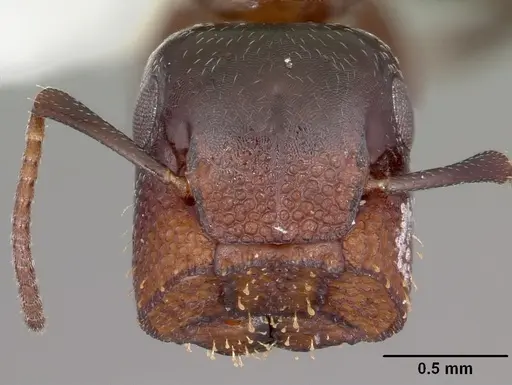
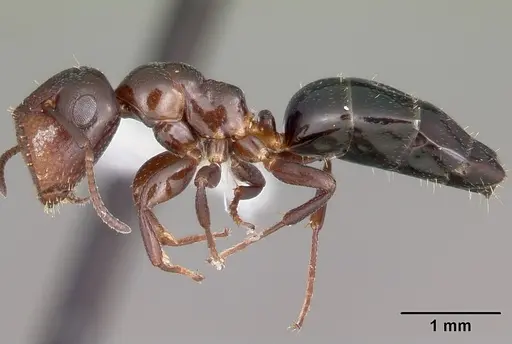
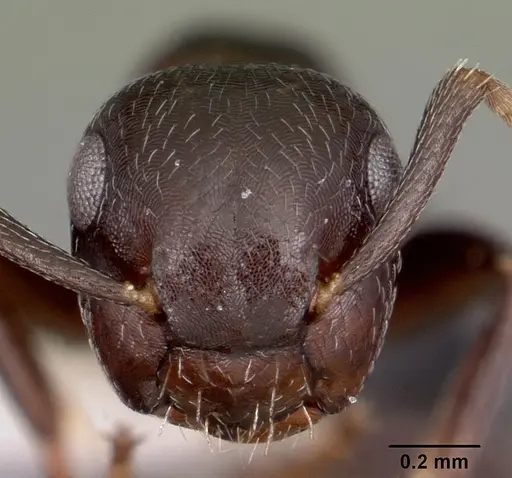
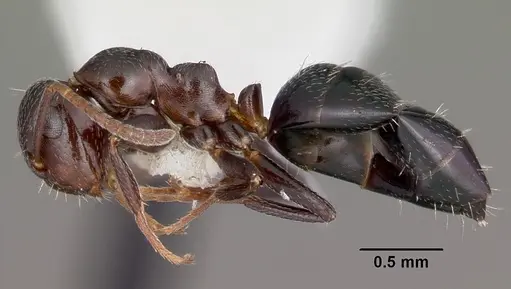
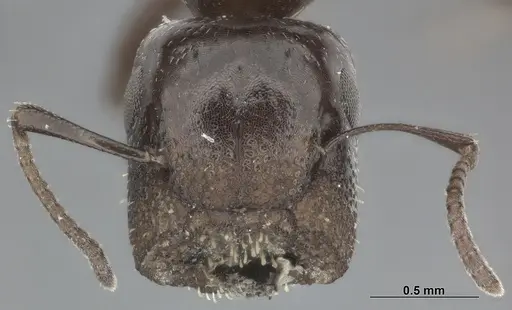
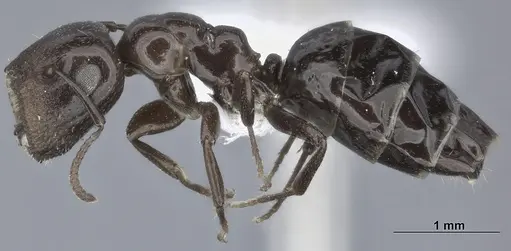
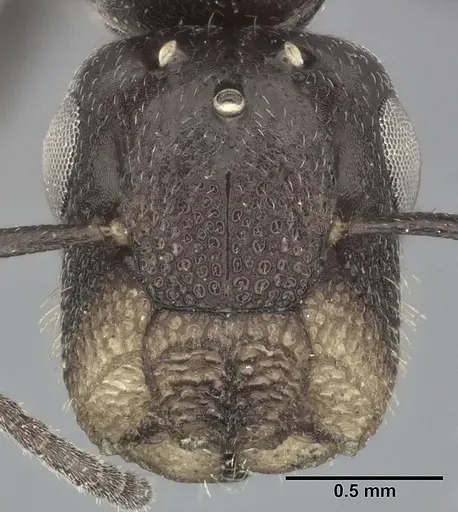
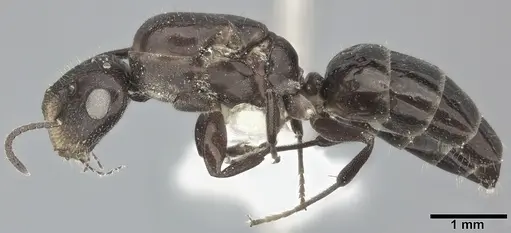
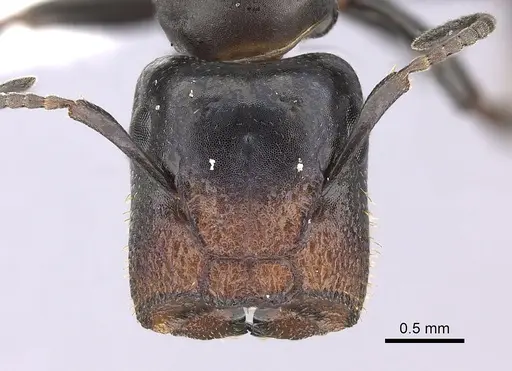
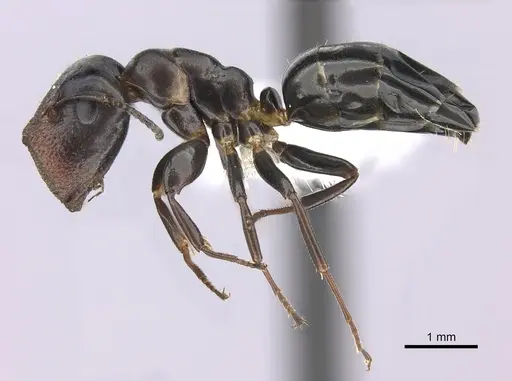
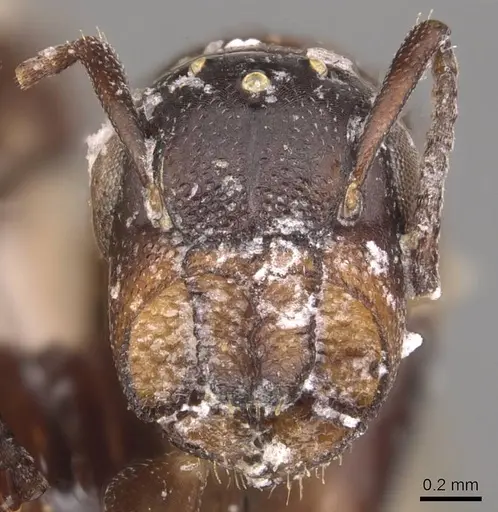
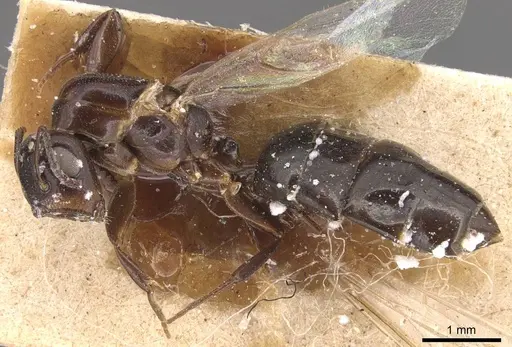
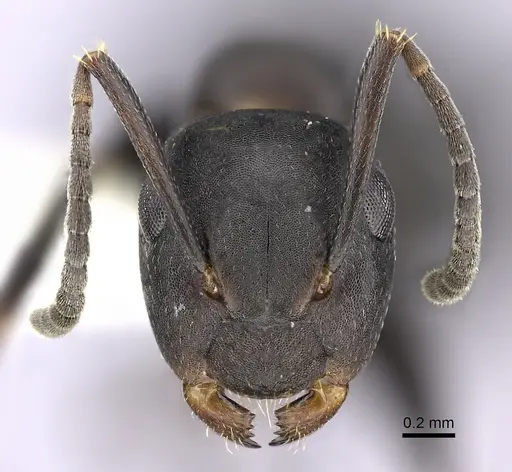
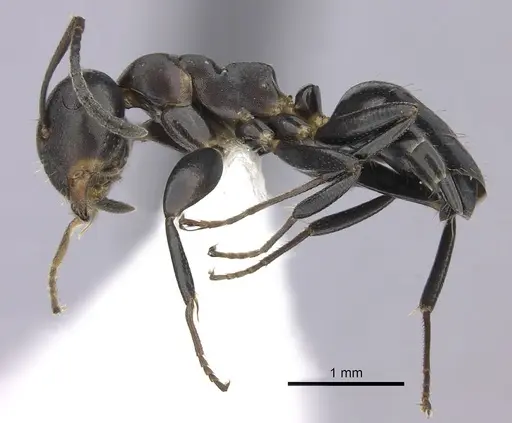
Colobopsis cerberula is a small to medium-sized ant known for its distinctive 'cork-headed' majors. The major workers have a uniquely shaped head, the front portion is yellowish and wedge-shaped, designed to plug the nest entrance like a cork. This gives the genus its common name. Majors measure around 5mm with their characteristic brown body and yellow head front, while minor workers are smaller at 3mm and entirely black. The species ranges from Mexico through Belize, Guatemala, and Nicaragua into the southwestern United States [1].
These ants have an unusual nesting habit, they've been found living inside the pseudobulbs (swollen stems) of orchids in Guatemala, making them a fascinating choice for keepers interested in naturalistic setups. The genus is known for its complex social structure where majors specialize as door-guards using their cork-like heads [1].
Quick Summary
- Difficulty: Medium
- Origin & Habitat: Native to Mexico, Central America, and the southwestern United States (Arizona). Found in dry tropical forests and subtropical habitats. In the wild, they nest in plant cavities, particularly the pseudobulbs of orchids like Cattleya [1].
- Colony Type: Single-queen colonies (monogyne) based on typical Colobopsis patterns. Colonies contain distinct major and minor worker castes, with majors specialized for nest defense and entrance guarding.
- Colony: Monogyne
- Founding: Claustral
- Size & Growth:
- Queen: 5-6mm (measured: HL 1.16-1.22mm, WL 2.06mm) [1]
- Worker: Majors: ~5mm (HL 1.26mm), Minors: ~3mm (HL 0.82-0.86mm) [1]
- Colony: Unknown, estimated moderate (similar to related Camponotus species, likely 100-500 workers)
- Growth: Moderate, inferred from related Formicinae patterns
- Development: Estimated 6-8 weeks at warm temperatures based on typical Camponotini development (Development time is estimated, not directly studied for this species. Warm temperatures (24-28°C) will speed development.)
- Antkeeping:
- Temperature: Keep at 24-28°C. Being a tropical/subtropical species, they prefer warm conditions. A heating cable on one side of the nest creates a temperature gradient allowing the ants to self-regulate
- Humidity: Moderate to high, they naturally nest in plant bulbs which maintain some moisture. Keep the nest substrate lightly moist but allow some drying between waterings. Aim for 50-70% humidity in the outworld.
- Diapause: Likely minimal or no true diapause, being tropical/subtropical, they probably slow down in winter but don't require cold hibernation. Keep at room temperature (18-22°C) during winter months.
- Nesting: Best kept in naturalistic setups that mimic their natural plant-cavity nesting. Cork bark, Y-tong nests with narrow chambers, or acrylic nests with plant material work well. They need tight-fitting chambers scaled to their size.
- Behavior: Generally peaceful and non-aggressive. Like other Colobopsis, major workers will use their specialized cork-shaped heads to block the nest entrance when threatened. They are not known to sting and pose no danger to keepers. Foraging activity is moderate, they scavenge and tend honeydew. Escape risk is moderate due to their small size, use standard barriers but fine mesh isn't typically required for this species.
- Common Issues: colonies grow slowly, beginners may lose patience and overfeed, causing mold problems, nesting in plant material can be tricky to maintain in captivity, monitor for decay, wild-caught colonies may have parasites that cause colony failure, queens can be difficult to locate as they nest in concealed plant cavities, humidity control is important, too wet causes mold, too dry causes desiccation
Housing and Nest Setup
Colobopsis cerberula naturally nests in plant cavities, particularly the pseudobulbs of orchids. For captivity, you have several good options. A Y-tong (acrylic) nest with narrow chambers works well, the tight spaces mimic their natural plant cavities. Alternatively, a naturalistic setup with cork bark or hollow twigs provides a more authentic environment. If using a formicarium, choose one with chambers sized appropriately for their small size, too large and they may feel exposed. Always provide an outworld for foraging with easy access to the nest area. Use a water tube for humidity and ensure the nest can be kept at appropriate moisture levels. [1]
Feeding and Diet
Like other Formicinae, Colobopsis cerberula is an omnivore. They do well on a standard ant diet: sugar water or honey as an energy source, and protein-rich foods like mealworms, small crickets, or other insects. In the wild, they likely tend honeydew from aphids and scavenge small insects. Feed sugar water constantly (via a cotton ball or feeder) and offer protein prey 2-3 times per week. Remove uneaten prey after 24 hours to prevent mold. Fresh fruit can occasionally be offered but is not required.
Temperature and Seasonal Care
Being a tropical to subtropical species from Mexico and Central America, these ants prefer warm conditions. Keep the nest at 24-28°C for optimal brood development. A small heating cable placed on one end of the nest creates a gradient, the ants will move to their preferred temperature zone. During winter, they can be kept at normal room temperature (18-22°C), no special cooling or hibernation is required. They may reduce activity during cooler months but should remain healthy. Avoid temperatures below 15°C for extended periods. [1]
The Cork-Head Specialization
One of the most fascinating aspects of Colobopsis cerberula is their specialized major workers. The majors have a uniquely modified head, the front portion is wedge-shaped and lighter in color (yellowish), while the back is darker. This shape allows them to literally plug the nest entrance like a cork when the colony is threatened. In your colony, you may observe major workers positioned at the nest entrance, especially if the colony is disturbed. This is a natural defense behavior, do not force them away from the entrance as this is their intended role. The presence of these 'door-keeper' majors is one of the defining characteristics that makes keeping this species rewarding. [1]
Colony Growth and Development
Colonies start slowly during the claustral founding period, the queen seals herself in and raises the first brood alone on her stored fat reserves. This phase typically lasts 4-8 weeks depending on temperature. Once the first nanitic (first) workers emerge, the colony enters a growth phase. Expect moderate growth through the first year, with colonies potentially reaching 50-100 workers by the end of year one. Growth rate depends heavily on feeding and temperature, well-fed colonies at warm temperatures develop faster. Majors typically appear after the colony reaches 20-30 workers.
Frequently Asked Questions
How long does it take for Colobopsis cerberula to produce first workers?
Expect first workers (nanitics) to emerge 6-8 weeks after the queen lays eggs, assuming temperatures around 24-28°C. This is typical for Formicinae species. The exact timing depends on temperature, warmer conditions speed development.
Can I keep multiple Colobopsis cerberula queens together?
No, this species is monogyne (single-queen). Combining unrelated queens will result in fighting. Only keep one queen per colony. If you find a wild colony, it will typically have just one reproductive queen.
What should I feed my Colobopsis cerberula colony?
Feed them sugar water or honey constantly for energy, plus protein-rich foods like small mealworms, crickets, or other insects 2-3 times per week. Remove uneaten prey after 24 hours to prevent mold. This is a standard diet that works well for this species.
Do Colobopsis cerberula need hibernation?
No, being a tropical/subtropical species from Mexico and Central America, they do not require cold hibernation. Simply keep them at normal room temperature (18-22°C) during winter months. They may reduce activity but should remain healthy.
How big do Colobopsis cerberula colonies get?
Colony size is not well documented but based on related species, expect moderate colonies of 100-500 workers at maturity. They have distinct major and minor castes, with majors appearing once the colony reaches moderate size.
Are Colobopsis cerberula good for beginners?
They are intermediate in difficulty. They are not as hardy as some Lasius or Camponotus species, but not as demanding as tropical rainforest ants. Their main challenges are slower growth and specific nesting preferences. Experienced beginners should do well with this species.
Why does my colony have majors with weird heads?
This is completely normal! The major workers (also called soldiers or cork-heads) have a specially shaped head, the front is wedge-shaped and yellowish. They use this to plug the nest entrance like a cork. This is a defining characteristic of the genus Colobopsis and one of the things that makes this species interesting to keep.
When should I move my colony to a formicarium?
Wait until the colony has at least 30-50 workers before moving to a larger formicarium. Before that, a test tube setup works fine. When moving, use a gentle transition, connect the formicarium to the test tube and let them explore and move on their own. Forcing a move can stress the colony.
References

This caresheet is licensed under CC BY-SA 4.0 .
CASENT0104765
View on AntWeb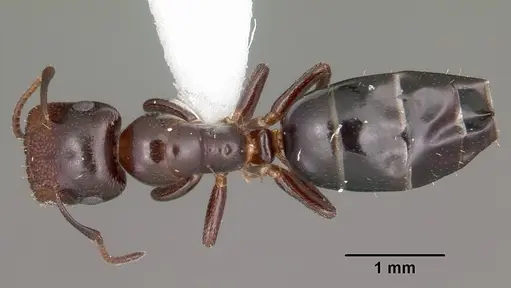
CASENT0104948
View on AntWeb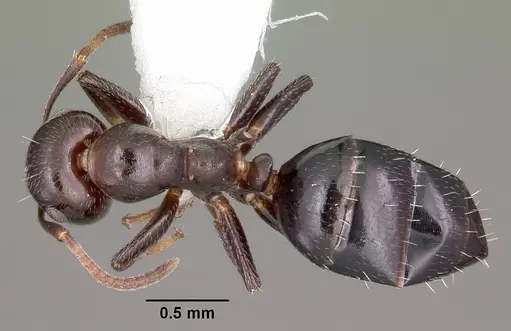
CASENT0246000
View on AntWeb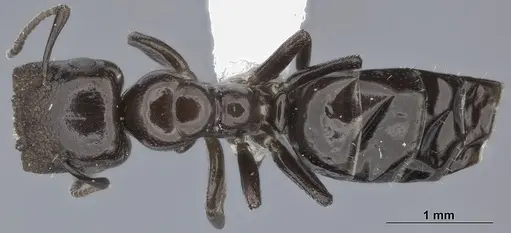
CASENT0246634
View on AntWeb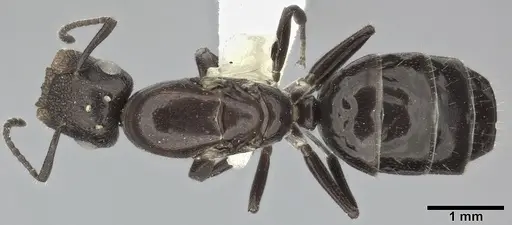
CASENT0619262
View on AntWeb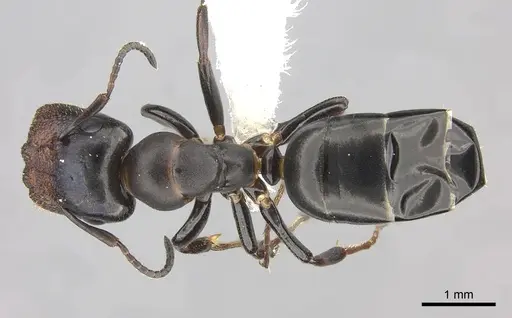
CASENT0905472
View on AntWeb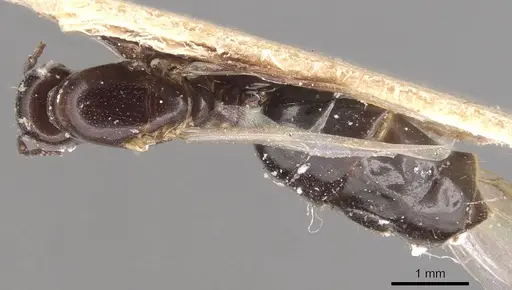
JTLC000010266
View on AntWeb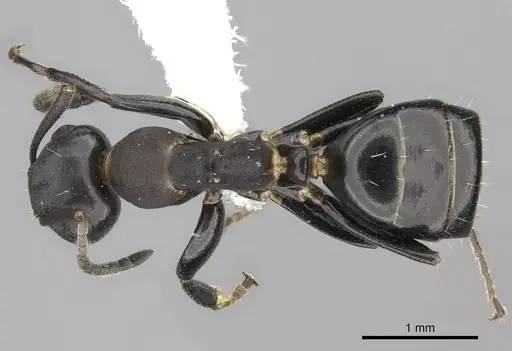
Literature
Loading...Loading products...