

Colobopsis bryani
- Scientific Name
- Colobopsis bryani
- Tribe
- Camponotini
- Subfamily
- Formicinae
- Author
- Santschi, 1928
- Distribution
- Found in 1 countries
Colobopsis bryani Overview
Colobopsis bryani is an ant species of the genus Colobopsis. It is primarily documented in 1 countries , including Fiji. Detailed taxonomic data and occurrence records can be further explored via authoritative databases such as AntWeb or the Global Biodiversity Information Facility (GBIF).
Colobopsis bryani
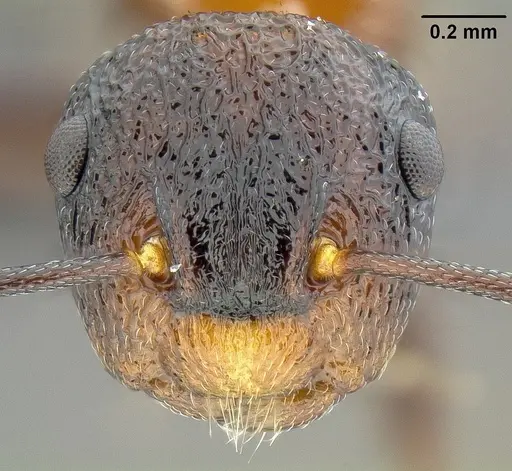
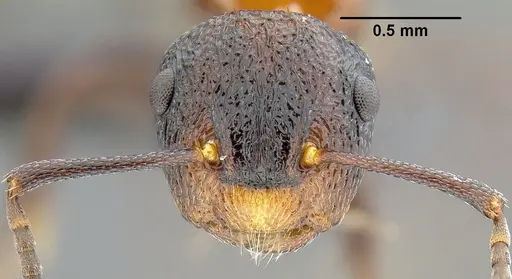
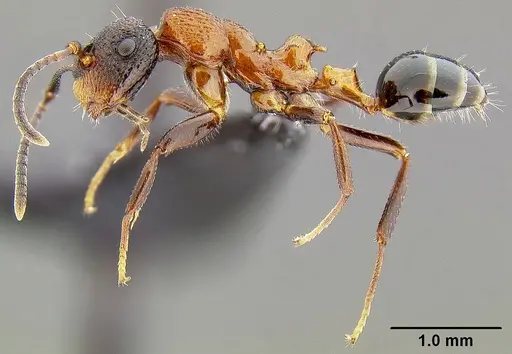
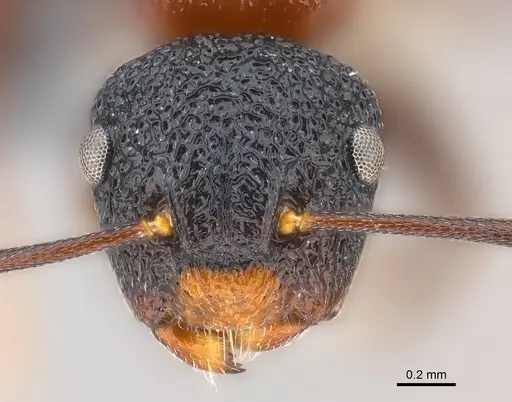
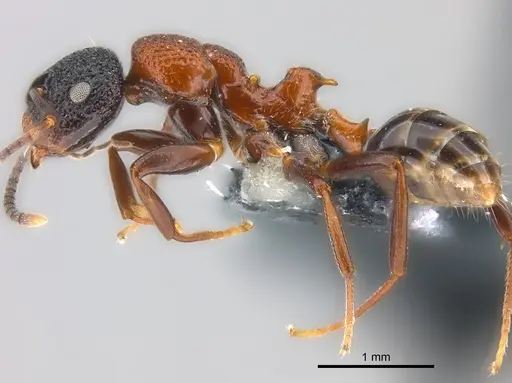
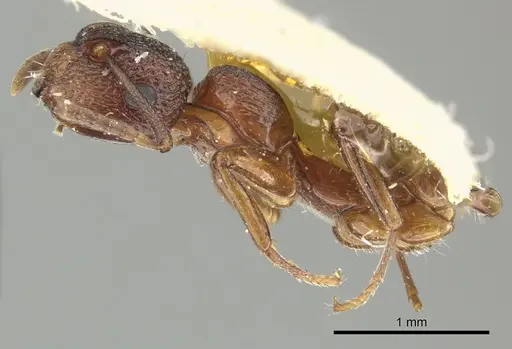
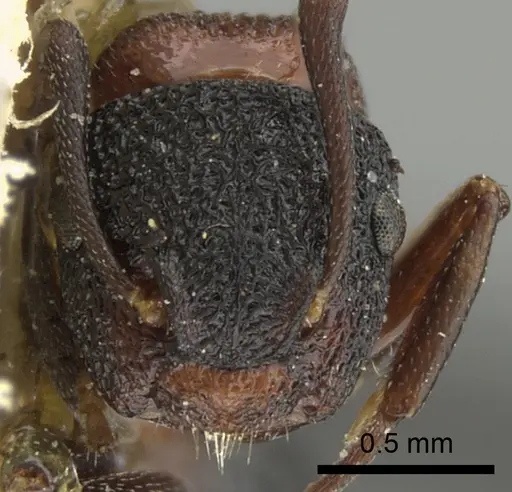
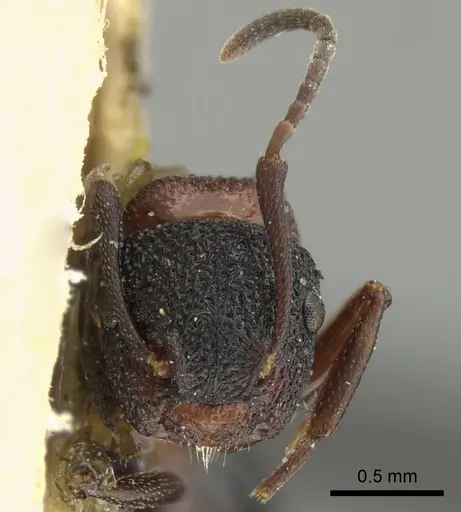
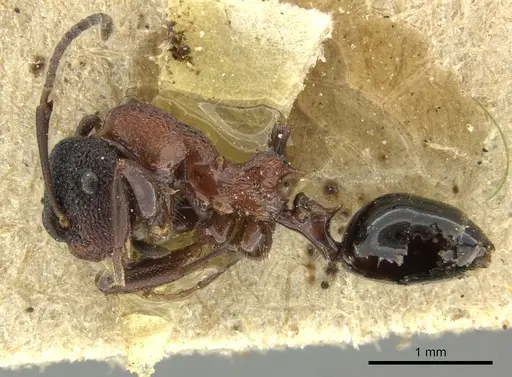
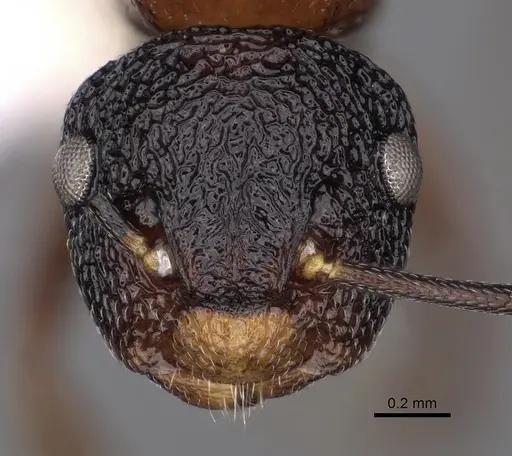
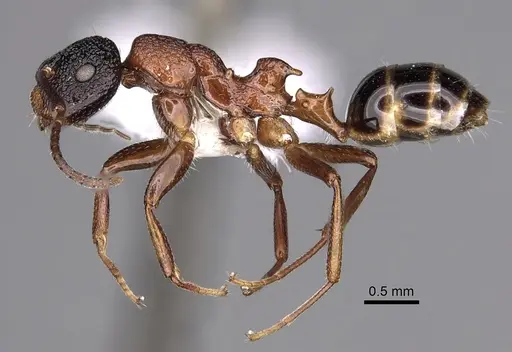
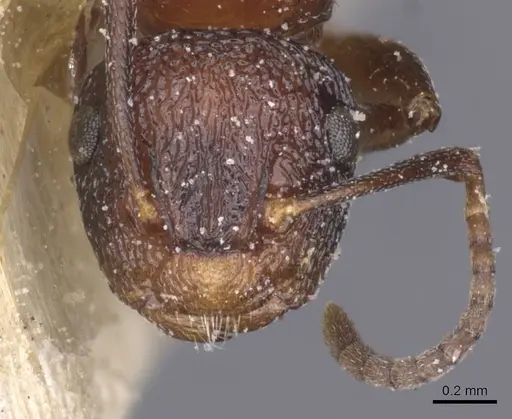
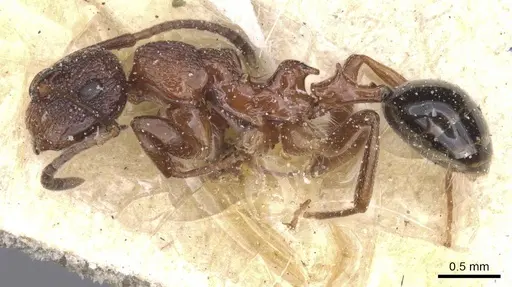
Colobopsis bryani is a small, bicolored ant endemic to the mountains surrounding Suva on the island of Viti Levu, Fiji [1]. Workers are distinguished by their long, narrow, low, and smooth petiole, along with smooth and shiny metapleuron and sides of the propodeum, features that set them apart from similar Fijian species [1]. This species belongs to the bryani group within Colobopsis, characterized by reduced phragmosis, meaning they have less developed head-plugging soldiers compared to other Colobopsis species [2]. As a tropical island endemic with very limited distribution, this species represents a unique addition for antkeepers interested in rare Pacific fauna.
Quick Summary
- Difficulty: Unknown, limited data available
- Origin & Habitat: Endemic to Fiji, specifically found only on Viti Levu island in the mountains surrounding Suva [1][3]. The natural habitat consists of tropical forest environments in the Pacific islands.
- Colony Type: Colony structure is unconfirmed. Based on genus-level patterns for Colobopsis, likely single-queen (monogyne) colonies with typical caste system including minor workers, major workers (soldiers with specialized heads), and reproductive queens.
- Founding: Claustral
- Size & Growth:
- Queen: Estimated 8-10mm based on genus Colobopsis patterns
- Worker: Estimated 4-7mm based on related Fijian Colobopsis species
- Colony: Unknown, likely moderate colony size typical of Colobopsis genus
- Growth: Unknown, estimated moderate based on tropical Camponotini patterns
- Development: Estimated 6-8 weeks at tropical temperatures based on genus-level Camponotini patterns (This estimate is based on related genus patterns, not direct species observation. Tropical species typically develop faster than temperate ones.)
- Antkeeping:
- Temperature: Keep at 24-28°C, these are tropical ants from Fiji and need warm conditions. A heating cable on one side of the nest creates a suitable gradient.
- Humidity: Keep moderately humid, around 60-80%. These ants likely prefer conditions similar to Fiji's tropical climate with regular rainfall.
- Diapause: No, as a tropical species from near the equator, they do not require hibernation or winter rest.
- Nesting: Based on typical Colobopsis behavior, they likely nest in rotting wood, hollow stems, or pre-existing cavities. In captivity, a Y-tong (AAC) nest or wooden formicarium works well. They may use cork soldiers to plug entrances, so provide appropriately sized nest chambers.
- Behavior: Colobopsis species are known for their 'cork' soldiers, major workers with specialized, plug-shaped heads that can block nest entrances to defend the colony [2]. This species has reduced phragmosis compared to other Colobopsis, so the head-plugging behavior may be less pronounced. They are generally non-aggressive and more defensive of their nest. Workers are likely medium-sized and capable foragers. Escape prevention should be moderate, they are not extremely small but can still escape through small gaps.
- Common Issues: limited availability, this is a rare endemic species rarely available in the antkeeping hobby, lack of species-specific care data means keepers must rely on genus-level estimates, tropical temperature requirements may be challenging in cooler climates without heating, wild-caught colonies may have parasites or diseases from their limited native range
Natural History and Distribution
Colobopsis bryani is one of the rarest ant species in the antkeeping hobby, being endemic to only the island of Viti Levu in Fiji [3]. First described by Santschi in 1928 from specimens collected during the Whitney South Seas Expedition, this species has only been found in the mountains surrounding Suva on eastern Viti Levu [1]. During recent surveys, very few specimens have been collected through hand collection and litter sifting, indicating this species is either rare in the wild or difficult to find [1]. Its closest relative is C. dentatus, and it can be distinguished by its bicolored appearance and the smooth, shiny texture of its metapleuron and propodeum sides [1]. The bryani group is characterized by reduced phragmosis, the specialized head-plugging behavior that many Colobopsis species use for colony defense [2].
Housing and Nest Preferences
While specific nesting behavior for C. bryani has not been documented, Colobopsis species typically nest in rotting wood, hollow stems, or pre-existing cavities in tropical forests. In captivity, a Y-tong (AAC) nest or wooden formicarium provides appropriate housing. These nests allow for the dark, humid conditions these ants prefer. Because Colobopsis may use cork soldiers to block nest entrances, ensure nest chambers have appropriately sized openings. Test tube setups can work for founding colonies, but transfer to a more permanent nest once the colony reaches 20-30 workers. Provide a water tube for humidity and ensure the nest substrate stays moist but not waterlogged.
Temperature and Climate Requirements
As a tropical species from Fiji (located at approximately 18°S latitude), C. bryani requires warm temperatures year-round. Keep the nest area at 24-28°C for optimal colony health and brood development. A heating cable placed on one side of the nest creates a temperature gradient allowing workers to regulate their own temperature. Room temperature may be sufficient in warm, tropical climates but will likely need supplementation in temperate regions. Unlike temperate species, these ants do not require hibernation or winter cooling, maintaining consistent tropical temperatures year-round is essential. Avoid temperature drops below 22°C for extended periods.
Feeding and Diet
Based on typical Colobopsis and Camponotini feeding patterns, these ants are omnivorous with a preference for protein-rich foods. Offer protein sources such as small insects (fruit flies, small crickets, mealworms), and provide sugar water or honey as an energy source. In the wild, they likely forage for honeydew from aphids and scale insects, plus small arthropods. Feed small prey items 2-3 times per week for growing colonies, and provide sugar water constantly. Remove uneaten prey after 24-48 hours to prevent mold. Colonies with fewer than 10 workers may need only tiny prey items or honey droplets.
Colony Development
The exact development timeline for C. bryani has not been documented. Based on typical Camponotini patterns at tropical temperatures, expect 6-8 weeks from egg to first worker (nanitic). Nanitic workers are typically smaller than normal workers and help the colony establish before larger workers emerge. Colony growth will likely be moderate, faster than many slow-growing Camponotus species but not as rapid as some tropical ants. Maximum colony size is unknown but likely reaches several hundred workers based on related species. The colony will develop castes over time, with major workers (soldiers) appearing as the colony grows larger.
Behavior and Defense
Colobopsis species are named for their distinctive 'cork' soldiers, major workers with specialized, bottle-shaped heads that can plug nest entrances like corks [2]. This defense strategy allows the colony to protect the nest interior while workers come and go around the 'cork'. The bryani group has reduced phragmosis compared to other Colobopsis, meaning this head-plugging behavior may be less pronounced in C. bryani [2]. Workers are likely moderately aggressive when defending the nest but not particularly aggressive toward foraging in the outworld. They probably use chemical trails to recruit nestmates to food sources, similar to other Formicinae ants.
Frequently Asked Questions
How long does it take for Colobopsis bryani to produce first workers?
The exact timeline is unknown, but based on related Camponotini patterns at tropical temperatures (24-28°C), expect approximately 6-8 weeks from egg to first nanitic worker.
What temperature do Colobopsis bryani ants need?
Keep them at 24-28°C. These are tropical ants from Fiji and need warm, stable temperatures year-round. A heating cable on one side of the nest creates a suitable gradient.
Do Colobopsis bryani ants need hibernation?
No. As a tropical species from near the equator in Fiji, they do not require hibernation or winter rest. Maintain warm temperatures year-round.
What do Colobopsis bryani ants eat?
Based on typical Colobopsis feeding patterns, they are omnivorous. Offer small insects (fruit flies, small crickets, mealworms) as protein and provide sugar water or honey as an energy source.
How big do Colobopsis bryani colonies get?
The maximum colony size is unknown for this species. Based on related Colobopsis species, colonies likely reach several hundred workers over time.
Are Colobopsis bryani good for beginners?
This species is not recommended for beginners due to limited availability and the lack of species-specific care data. Keepers should have experience with tropical ant species before attempting this rare endemic.
Do Colobopsis bryani ants have soldiers?
Yes. Colobopsis species typically have major workers (soldiers) with specialized heads that can plug nest entrances. However, C. bryani belongs to the bryani group which has reduced phragmosis, so the head-plugging behavior may be less developed than in other Colobopsis species.
Where is Colobopsis bryani found in the wild?
This species is endemic to Fiji, specifically found only on Viti Levu island in the mountains surrounding Suva. It is one of the rarest ant species in the world with a very limited distribution.
Can I keep multiple Colobopsis bryani queens together?
The colony structure is unconfirmed for this species. Based on typical Colobopsis patterns, they likely form single-queen colonies. Combining unrelated queens is not recommended without documented evidence of polygyny.
What size nest do Colobopsis bryani need?
Based on typical Colobopsis nesting behavior, they likely nest in wood or pre-existing cavities. A Y-tong (AAC) nest or wooden formicarium works well. Start with a test tube setup for founding colonies and transfer to a larger nest as the colony grows.
References

This caresheet is licensed under CC BY-SA 4.0 .
CASENT0171158
View on AntWeb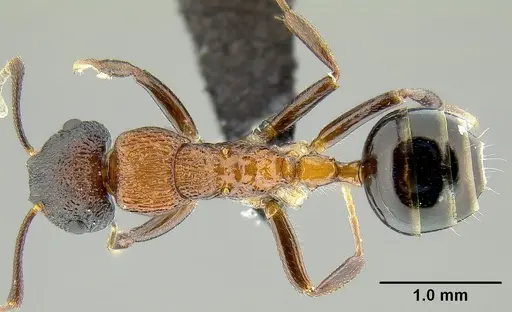
CASENT0177653
View on AntWeb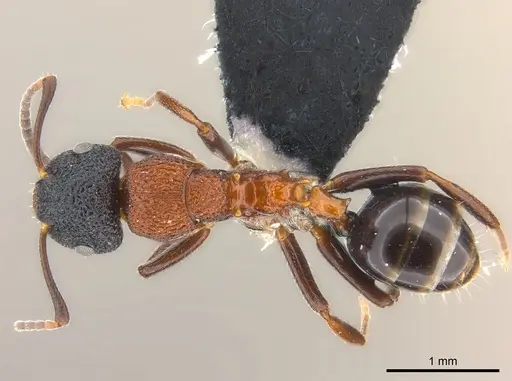
CASENT0249095
View on AntWeb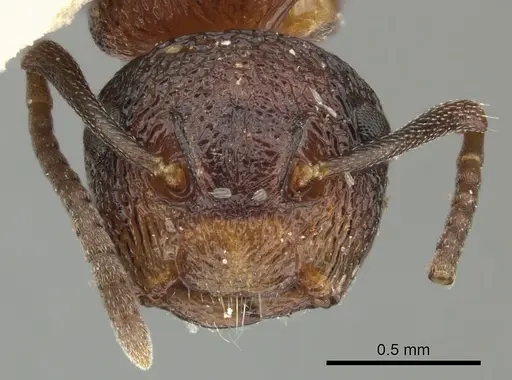
CASENT0249096
View on AntWeb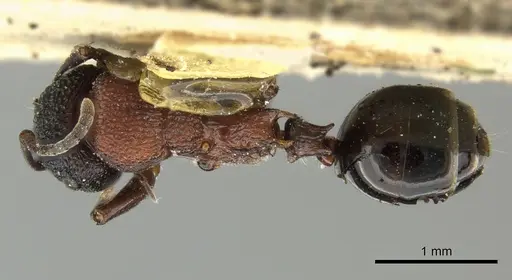
CASENT0280258
View on AntWeb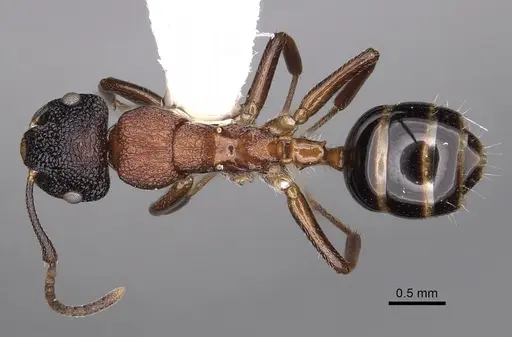
CASENT0911624
View on AntWeb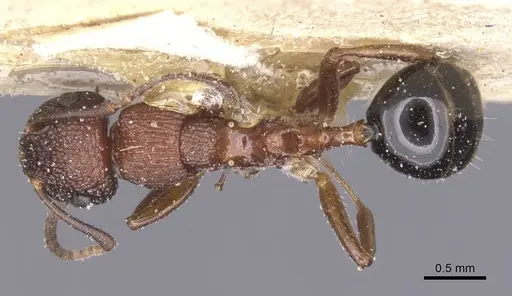
Literature
Loading...Loading products...