

Colobopsis abdita
- Scientific Name
- Colobopsis abdita
- Tribe
- Camponotini
- Subfamily
- Formicinae
- Author
- Forel, 1899
- Distribution
- Found in 3 countries
Colobopsis abdita Overview
Colobopsis abdita is an ant species of the genus Colobopsis. It is primarily documented in 3 countries , including Guatemala, Mexico, United States of America. Detailed taxonomic data and occurrence records can be further explored via authoritative databases such as AntWeb or the Global Biodiversity Information Facility (GBIF).
Colobopsis abdita
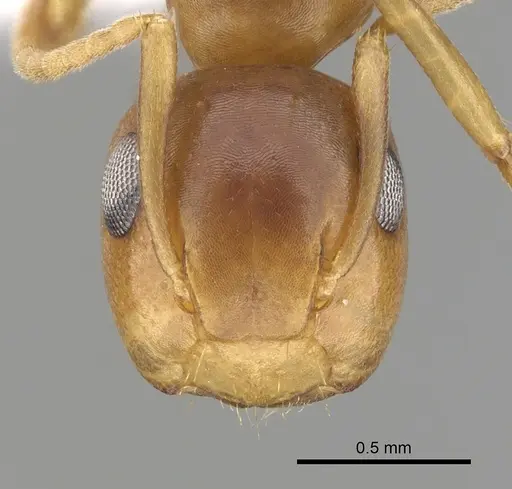
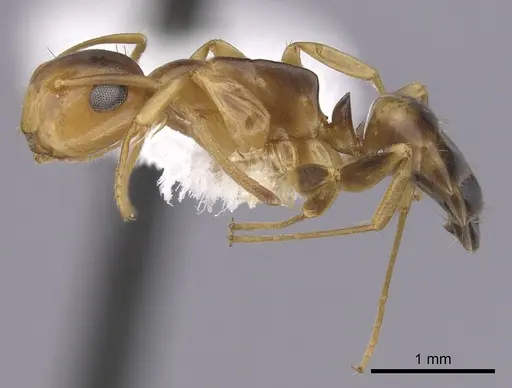
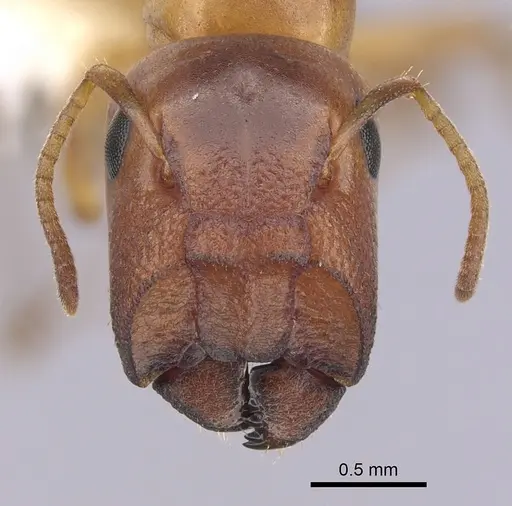
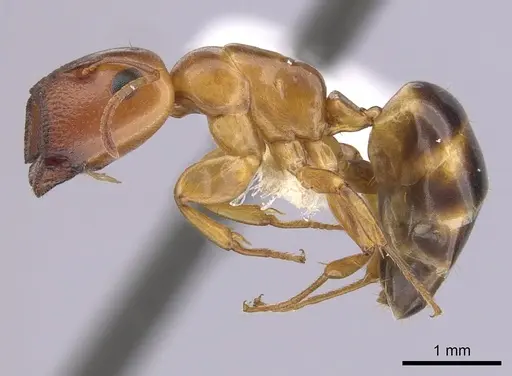
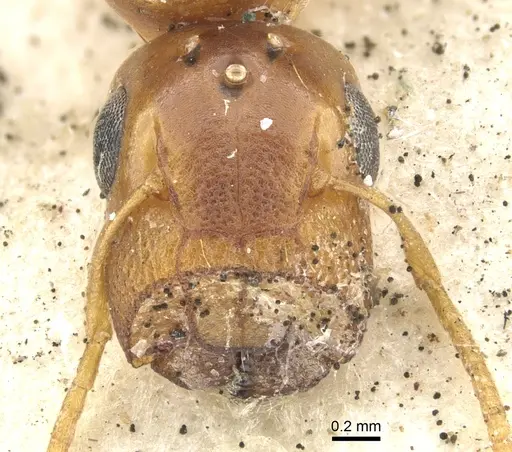
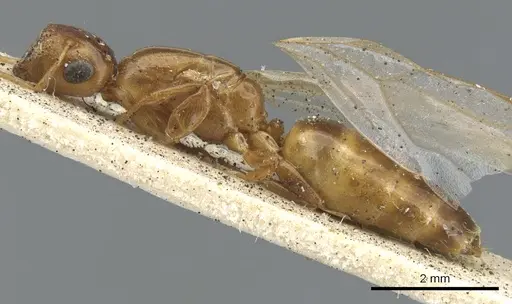
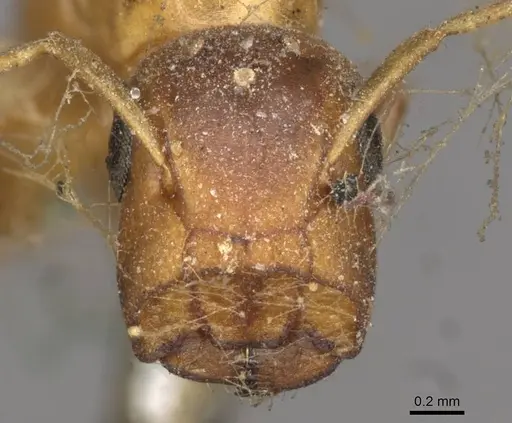
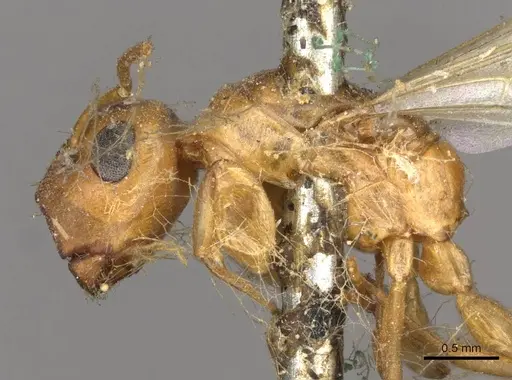
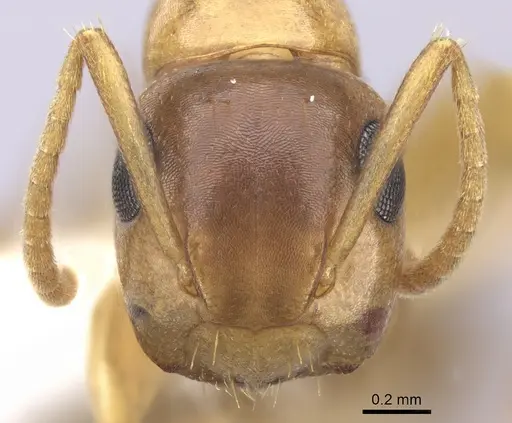
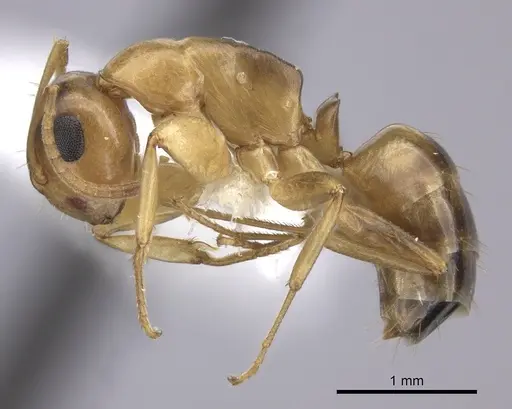
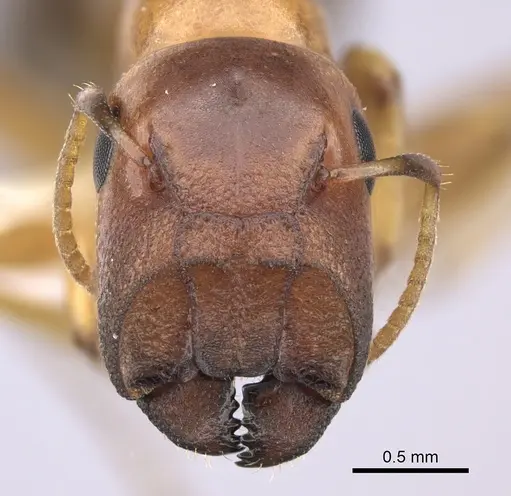
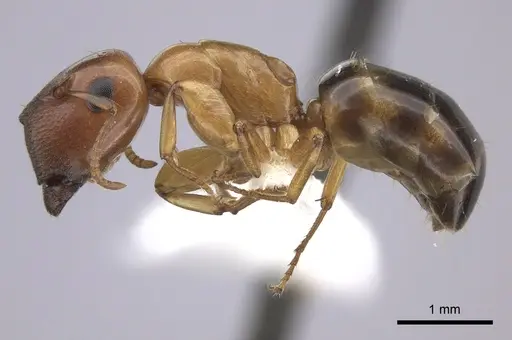
Colobopsis abdita is a small Neotropical ant known for its distinctive truncated head shape. Workers measure 3.5-4mm (minors) and 5-6mm (majors), with queens reaching 7.5mm. The species has a dark reddish-brown head, medium brown body, and dark brown gaster. This ant gets its common name from the major workers' unique ability to block nest entrances with their specially shaped truncated heads, essentially using their own heads as living corks. Found throughout Guatemala and Mexico, these ants nest exclusively in hollow plant stems, twigs, and old galls at elevations between 850-1300m. They are considered rare in their native range and are twig-nesting specialists.
Quick Summary
- Difficulty: Medium
- Origin & Habitat: Neotropical species from Guatemala and Mexico (Hidalgo, Nuevo León, Querétaro, San Luis Potosí, Tamaulipas, Veracruz), possibly southern Texas. Nests in hollow stems and twigs of plants like Acacia pennatula, Heliocarpus appendiculatus, and Conostegia xalapensis at 850-1300m elevation [1][2][3].
- Colony Type: Likely single-queen colonies (monogyne), typical of the genus. No documented polygyny found in research.
- Colony: Monogyne
- Founding: Claustral
- Size & Growth:
- Queen: 7.5mm [4]
- Worker: Minors 3.5-4mm, majors/soldiers 5-6mm [1]
- Colony: Unknown, likely moderate sized colonies typical of twig-nesting ants (hundreds of workers)
- Growth: Moderate, estimated based on related Camponotus species
- Development: Estimated 6-8 weeks at optimal temperature based on typical Camponotini development (Development time inferred from genus patterns, direct measurements not available for this species)
- Antkeeping:
- Temperature: Keep at 22-27°C (warm Neotropical conditions). Room temperature in most homes should work well. Avoid temperatures below 20°C.
- Humidity: Moderate to high, these ants naturally live in humid forest environments inside plant stems. Keep the nest substrate slightly moist but not waterlogged.
- Diapause: Unlikely, as a Neotropical species, they probably do not require true hibernation. May show reduced activity in cooler months.
- Nesting: Twig-nesting specialist. Provide narrow test tubes, Y-tong nests, or acrylic nests with small chambers. The key is tight spaces that mimic their natural hollow stem habitat. Major workers need enough room to comfortably block the entrance with their heads.
- Behavior: Generally calm and non-aggressive. The most fascinating behavior is the major workers using their truncated heads as living plugs to seal nest entrances, a unique defensive adaptation. They are shy and prefer to hide rather than engage. Foraging happens primarily at night. Escape risk is moderate due to their small size, standard barrier methods work well.
- Common Issues: escape prevention is important, their small size means they can slip through small gaps, colonies may be slow to establish, be patient during founding phase, wild-caught colonies may carry parasites that can devastate captive colonies, too much humidity can cause mold problems in test tube setups, major workers may block the nest entrance frequently, this is normal behavior, not an issue
Nest Preferences and Housing
Colobopsis abdita is a twig-nesting specialist, meaning they naturally live inside hollow plant stems and twigs. In captivity, test tubes work well as they mimic the narrow cavity of a natural twig. The test tube should have a small diameter, these ants don't need wide spaces. If using a Y-tong or acrylic nest, choose setups with small, tight chambers rather than large open areas. The major workers (soldiers) need enough room at the entrance to position themselves to block it with their truncated heads. Some keepers successfullly use cork-style setups where the major can seal the entrance. Avoid overly large nests, these ants feel secure in tight spaces. [1][3]
Feeding and Diet
Like most ants in the Camponotini tribe, Colobopsis abdita is omnivorous. They likely feed on honeydew (the sugary liquid secreted by aphids and scale insects) in the wild, along with small insects and nectar. In captivity, offer sugar water or honey as a constant energy source. For protein, provide small insects like fruit flies, pinhead crickets, or mealworm pieces. They are small ants, so prey items should be appropriately sized. Feed protein 2-3 times per week and keep a sugar source available at all times. Remove uneaten prey after 24-48 hours to prevent mold.
Temperature and Seasonal Care
As a Neotropical species from Guatemala and Mexico, Colobopsis abdita prefers warm conditions. Keep the nest area at 22-27°C. Room temperature in most homes (20-24°C) should be suitable. They come from elevations of 850-1300m in mountain coffee regions, so they can tolerate slightly cooler conditions than pure lowland tropical ants. Avoid cold drafts and temperatures below 18°C. No true hibernation is required, but you may notice reduced activity during winter months if your home gets cooler. A heating cable or mat on one side of the nest can create a temperature gradient if your room runs cool. [1]
The Cork-Head Defense Mechanism
The most distinctive feature of Colobopsis abdita is the major workers' truncated (flattened) head shape. This is not a defect, it's a specialized adaptation. Major workers use their uniquely shaped heads as living plugs to block the nest entrance. When a threat approaches, a major worker positions itself at the entrance and literally corks the hole with its head. This behavior is fascinating to watch and is one of the reasons antkeepers enjoy keeping this species. Don't be alarmed if you see majors frequently stationed at the nest entrance, this is normal defensive behavior. The truncated surface is smooth and fits snugly into the nest opening. [1]
Colony Founding
Like other members of the Camponotini tribe, Colobopsis abdita likely uses claustral founding. The queen seals herself inside a small chamber (in a hollow twig or test tube) and survives entirely on her stored fat reserves while raising the first brood. She does not leave to forage during this time. The first workers (nanitics) are typically smaller than normal workers but will begin foraging once they emerge. Founding colonies need complete darkness and quiet, avoid disturbing them. Expect 4-8 weeks for the first workers to emerge, depending on temperature. The queen will remain in the nest and continue laying eggs once workers arrive.
Behavior and Temperament
Colobopsis abdita is a calm, non-aggressive species. They prefer to avoid confrontation rather than engage in battle. When threatened, their primary defense is the head-corking behavior rather than biting or stinging. Workers are relatively active foragers and will search for food, particularly at night. They are arboreal by nature, so they spend more time in elevated spaces than ground-nesting ants. The colony is likely monogyne (single queen), which means you should only keep one queen per setup. Majors are larger and conspicuous, making up roughly 10-20% of the worker population. This species is considered rare in the wild, making captive colonies particularly valuable. [3]
Growth and Development
Colobopsis abdita colonies grow at a moderate pace. The queen lays eggs after mating, and these eggs develop through larval and pupal stages before emerging as workers. Based on typical Camponotini development, expect 6-8 weeks from egg to first worker at optimal temperature (around 25°C). The first workers (nanitics) are usually smaller than subsequent workers. As the colony grows, more majors will be produced. The colony will remain relatively small compared to ground-nesting species, a mature colony likely reaches several hundred workers rather than thousands. Growth is slower in the first year but accelerates as the colony establishes.
Frequently Asked Questions
How long does it take for Colobopsis abdita to have first workers?
Expect 6-8 weeks from egg to first worker at optimal temperature (around 25°C). This is based on typical Camponotini development patterns since specific timing for this species hasn't been documented. Be patient during founding, the queen needs time to raise her first brood alone.
What do Colobopsis abdita ants eat?
They are omnivores. Offer sugar water or honey constantly for energy, and protein sources like small insects (fruit flies, pinhead crickets, mealworm pieces) 2-3 times per week. Remove uneaten prey after a day or two.
Can I keep multiple Colobopsis abdita queens together?
No, this species is likely monogyne (single queen). Only keep one queen per colony setup. Multiple unrelated queens will fight.
What is the best nest type for Colobopsis abdita?
Test tubes work well for founding colonies. For established colonies, Y-tong nests or acrylic nests with small, tight chambers mimic their natural twig-nesting habitat. Avoid large, open spaces.
Are Colobopsis abdita good for beginners?
They are intermediate in difficulty. Their small size and specific nesting requirements (tight spaces) require some experience. The fascinating head-corking behavior makes them rewarding for patient keepers.
Do Colobopsis abdita need hibernation?
No, as a Neotropical species, they do not require true hibernation. They may show reduced activity in cooler months, but no special winter treatment is needed.
How big do Colobopsis abdita colonies get?
Colony size is not well documented, but based on typical twig-nesting ant patterns, they likely reach several hundred workers. They are considered rare in the wild.
What temperature do Colobopsis abdita need?
Keep them warm at 22-27°C. Room temperature in most homes is suitable. They can tolerate slightly cooler conditions given their mountain habitat (850-1300m elevation), but avoid temperatures below 18°C.
Where is Colobopsis abdita found in the wild?
They live in Guatemala and Mexico (Hidalgo, Nuevo León, Querétaro, San Luis Potosí, Tamaulipas, Veracruz), possibly southern Texas. They nest in hollow stems and twigs of plants like Acacia and Heliocarpus at elevations between 850-1300m.
Why is my colony growing slowly?
This is normal for Colobopsis abdita. They are naturally slow-growing compared to many ant species. Also ensure the queen is still alive and laying eggs. Check that temperature (22-27°C) and humidity are appropriate. Avoid disturbing the colony too often.
References

This caresheet is licensed under CC BY-SA 4.0 .
CASENT0249378
View on AntWeb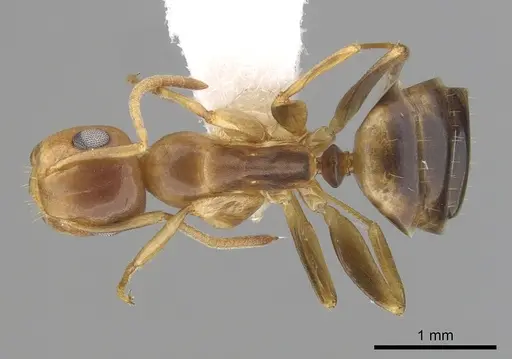
CASENT0249379
View on AntWeb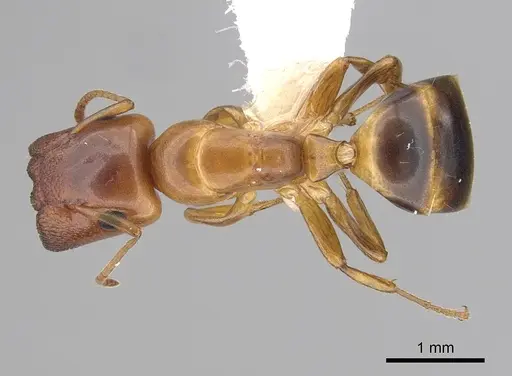
CASENT0903649
View on AntWeb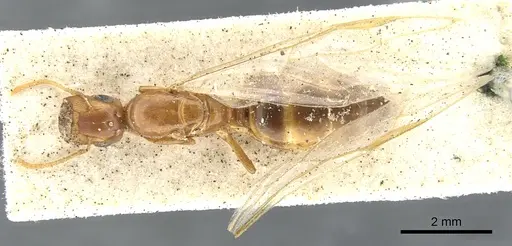
CASENT0910593
View on AntWeb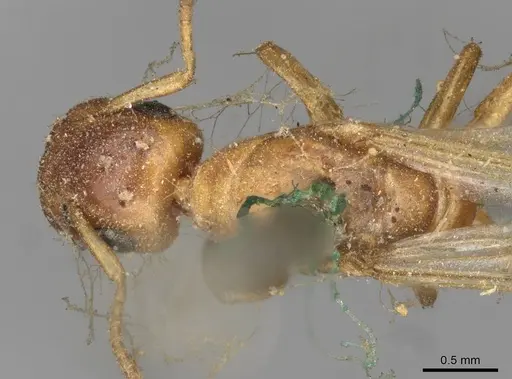
JTLC000007275
View on AntWeb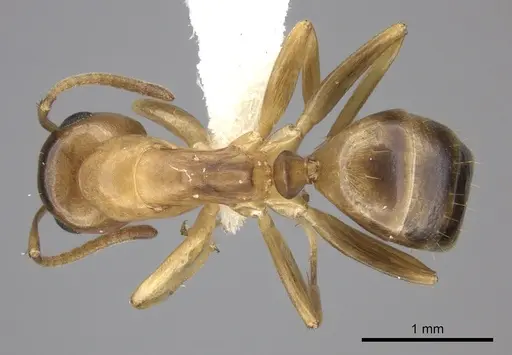
JTLC000007276
View on AntWeb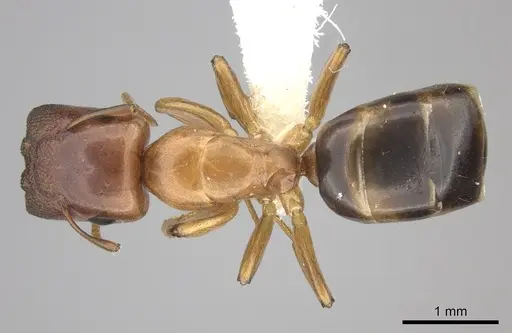
Literature
Loading...Loading products...