

Cladomyrma yongi
- Scientific Name
- Cladomyrma yongi
- Tribe
- Lasiini
- Subfamily
- Formicinae
- Author
- Agosti <i>et al.</i>, 1999
- Distribution
- Found in 1 countries
Cladomyrma yongi Overview
Cladomyrma yongi is an ant species of the genus Cladomyrma. It is primarily documented in 1 countries , including Malaysia. Detailed taxonomic data and occurrence records can be further explored via authoritative databases such as AntWeb or the Global Biodiversity Information Facility (GBIF).
Cladomyrma yongi
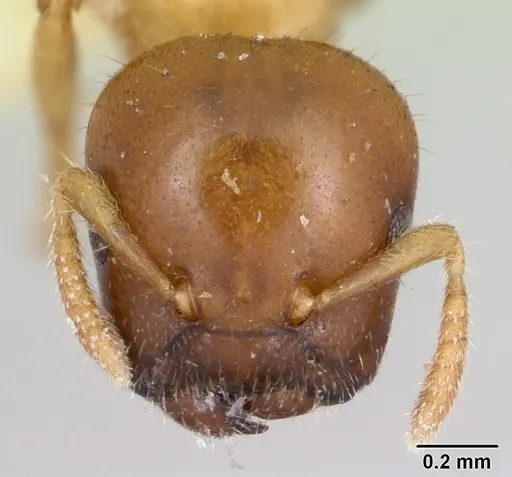
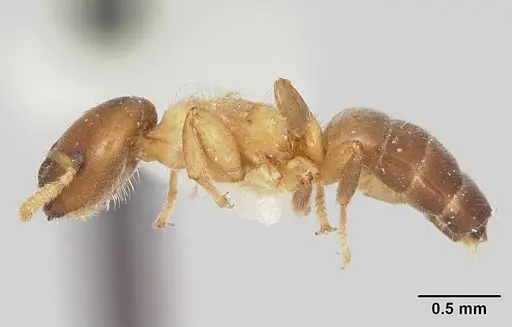
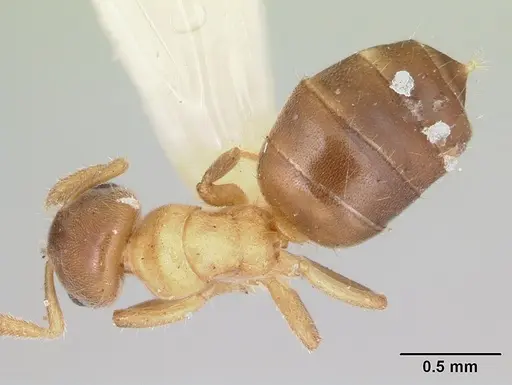
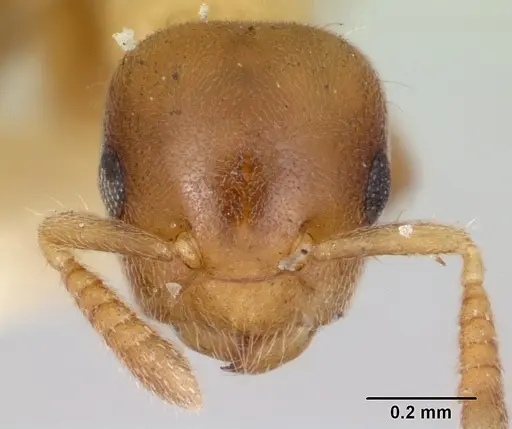
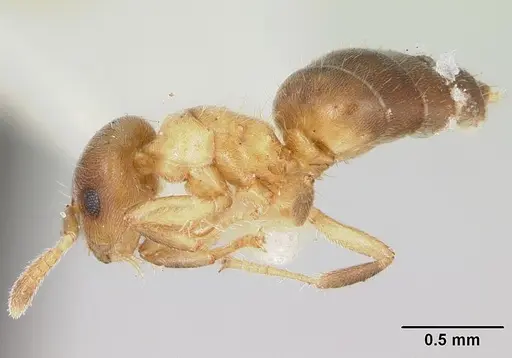
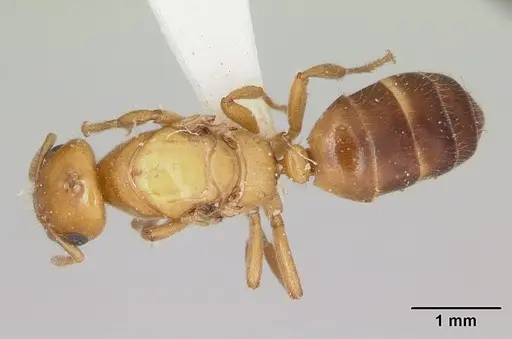
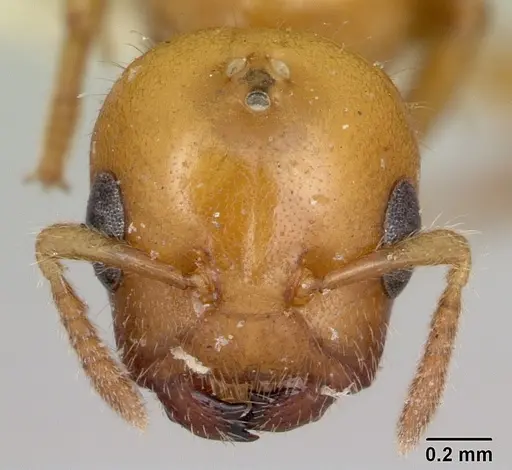
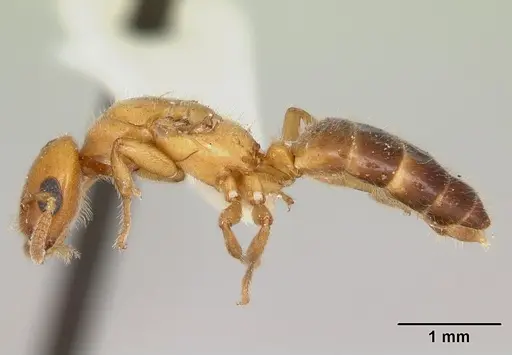
Cladomyrma yongi is a tiny plant-ant species native to Borneo, found exclusively in the host plant Drypetes longifolia in Sabah and Sarawak. Workers are remarkably small, major workers reach just 0.88-0.92mm in alitrunk length, while minor workers are even tinier at 0.66-0.70mm. Queens measure 1.80-2.06mm. The species has a distinctive bicolored appearance: the head and gaster are noticeably darker than the yellowish-brown alitrunk, and the body is covered in long erect hairs. This ant belongs to the 'depressed petiole group' based on the queen's low, rounded petiole shape. What makes C. yongi particularly interesting is its plant-protecting behavior, in pruning experiments, workers aggressively attacked and destroyed soft young twigs of climbing plants that touched their host plant, demonstrating active herbivore defense.
Quick Summary
- Difficulty: Expert
- Origin & Habitat: Borneo (Sabah and Sarawak, East Malaysia), found only in Drypetes longifolia trees [1][2]
- Colony Type: Colony structure is unconfirmed. As a plant-ant species living in host plant domatia, they likely maintain single-queen colonies within the plant structure.
- Size & Growth:
- Queen: 1.80-2.06 mm [1]
- Worker: Major: 0.88-0.92 mm, Minor: 0.66-0.70 mm [1]
- Colony: Unknown, only known from small colony samples [1]
- Growth: Unknown
- Development: Unknown, no development data exists for this species (Development timeline has not been studied. Related plant-ant species in Formicinae typically develop in 4-8 weeks at tropical temperatures.)
- Antkeeping:
- Temperature: Tropical species, keep at 24-28°C. Borneo temperatures are warm year-round, so maintain consistent warmth without cooling periods.
- Humidity: High humidity required, think humid tropical forest understory. Keep nest substrate consistently moist but not waterlogged. Plant-ants expect near-constant moisture inside their host plant domatia.
- Diapause: No, this is a tropical species from Borneo with no seasonal temperature variation. They do not require hibernation.
- Nesting: This is a plant-ant that naturally lives inside hollow stems or domatia of Drypetes longifolia. In captivity, they need a naturalistic setup with living host plant material or artificial domatia (hollow twigs, bamboo sections). A test tube setup with moist cotton can work as a temporary solution, but a plant-based setup is ideal for long-term success.
- Behavior: These ants are defensive of their host plant, they actively prune and attack encroaching vegetation. Workers are very small but aggressive in defending their territory. They likely use chemical alarm signals given their specialized metapleural glands. Escape prevention is critical due to their tiny size, even small gaps in setup will allow escape. Foraging style is likely tendril-feeding (collecting honeydew from plant surfaces) with occasional small prey capture.
- Common Issues: tiny size means escapes are likely without fine mesh barriers, use tight-fitting lids and very fine mesh, no captive breeding data exists, wild colonies are the only source, making this species extremely difficult to keep, requires host plant or domatia, standard test tube setups may not satisfy their nesting needs long-term, pruning behavior may damage or kill any live plants in their enclosure if they feel threatened, virtually no information on captive diet, we don't know what they accept in captivity
Understanding Cladomyrma yongi as a Plant-Ant
Cladomyrma yongi belongs to a specialized group of ants called plant-ants (or myrmecophytes) that have evolved mutualistic relationships with specific host plants. In the wild, these ants live exclusively inside Drypetes longifolia, a tropical tree species that provides hollow structures called domatia for the ants to nest in. The plant benefits from the ants' aggressive defense, in pruning experiments, C. yongi workers attacked and destroyed soft young twigs from other plants that touched their host tree. This protective behavior helps the host plant compete by removing competing vegetation. This is a truly specialized relationship, the ants have never been found anywhere except inside this specific plant species. This means keeping them successfully requires either providing a living host plant or creating artificial domatia that mimics their natural nesting cavities. [1][2]
Housing and Nest Setup
Housing C. yongi presents significant challenges due to their strict association with host plants. The ideal setup would include a living Drypetes longifolia or related plant with hollow stems, but this is rarely practical. As an alternative, you can create artificial domatia using bamboo sections or hollow plant stems packed with moist substrate. A test tube setup with a water reservoir can serve as a temporary holding container, but long-term success requires a more naturalistic approach. The enclosure should include live plant material if possible, even non-host plants can provide foraging surfaces and humidity regulation. Because they are so tiny, escape prevention must be excellent. Use fluon on container rims and fine mesh (at least 0.5mm or smaller) on any ventilation openings. The nesting area should remain consistently humid but not wet, these ants come from the humid understory of Bornean rainforests where conditions are stable year-round. [1]
Temperature and Humidity Requirements
As a tropical species from Borneo, C. yongi requires warm and humid conditions. Maintain temperatures between 24-28°C, this matches the stable tropical climate of their native range in Sabah and Sarawak. Temperature drops below 22°C may cause reduced activity and potential health issues. Humidity should be high, ideally 70-85% relative humidity. In their natural habitat within tree hollows, conditions are consistently moist. Use a moisture-retaining substrate in the nest area and mist the enclosure regularly, but avoid standing water which can drown these tiny ants. A small water dish with a cotton wick can provide drinking water without drowning risk. Avoid any cooling or drying periods, this species has no evolutionary adaptation to seasonal changes. [1]
Feeding and Diet
The natural diet of C. yongi is not documented in scientific literature, but plant-ants typically feed on honeydew collected from their host plant's extrafloral nectaries, nectar from flowers, and small insects. In captivity, you should offer sugar water or honey diluted with water (placed on cotton to prevent drowning) as a constant energy source. For protein, offer tiny live prey such as springtails, fruit fly larvae, or other small insects. Given their minute size, standard ant feeders may be too large, prey items should be appropriately sized. The pruning behavior observed in experiments suggests they are active hunters of plant material and small invertebrates. Start with very small portions and observe what they accept. Sugar sources should always be available, with protein offered 2-3 times per week. [1]
Behavior and Colony Dynamics
C. yongi workers are small but notably aggressive in defending their territory, the pruning experiments showed they readily attack and destroy foreign plant material. This defensive behavior extends to protecting their host plant from herbivores and competing plants. Workers have large metapleural gland orifices, which likely produce chemical defenses and alarm pheromones. The species has not been studied in captivity, so specific behaviors like foraging patterns, colony communication, and reproduction are unknown. Based on related plant-ant species, they likely maintain permanent colonies within their host plant with the queen remaining in the domatia. The presence of multiple alate queens in type specimens suggests colonial reproduction involves nuptial flights from the host plant. Their tiny size means they can be easily overlooked but should be handled with extreme care, they can squeeze through remarkably small gaps. [1]
Legal and Ethical Considerations
Cladomyrma yongi is native to Borneo (Malaysia and Indonesia). Before acquiring any colony, verify that collection and possession is legal in your jurisdiction. This species has never been documented in the antkeeping hobby and no captive breeding programs exist. Wild-caught colonies are the only source, which raises ethical concerns about removing rare species from their limited habitat. Additionally, because they are specialized plant-ants requiring specific host plants, captive success without a proper setup is extremely unlikely. Consider whether you can provide appropriate care before attempting to keep this species. If you do obtain a colony, never release it in non-native regions, even if the species could survive, it could disrupt local ecosystems as an introduced species. [1][2]
Frequently Asked Questions
Can I keep Cladomyrma yongi in a test tube?
A test tube can work as a temporary holding container, but this is not ideal for long-term housing. C. yongi is a plant-ant that naturally lives inside hollow plant stems. For successful long-term keeping, you need to provide either a living host plant with domatia or artificial nesting cavities (bamboo sections, hollow twigs) connected to a naturalistic enclosure.
What do Cladomyrma yongi ants eat?
Their exact diet in captivity is unknown. Based on related plant-ant species, they likely accept sugar sources (honey water, sugar water on cotton) and small live prey (springtails, fruit fly larvae). Offer sugar constantly and small protein prey 2-3 times weekly. Start with tiny portions and observe what they accept.
How long does it take for Cladomyrma yongi to develop from egg to worker?
This has not been documented. Related Formicinae species in tropical conditions typically develop in 4-8 weeks. Without specific data for this species, we cannot provide a reliable timeline.
Are Cladomyrma yongi good for beginners?
No. This is an expert-level species with virtually no captive care information. They require specific host plant associations, very small prey sizes, and specialized conditions that are extremely difficult to replicate. They are not available in the antkeeping hobby and have never been captive-bred.
Do Cladomyrma yongi need hibernation?
No. This is a tropical species from Borneo with no seasonal temperature variation. They do not require cooling or hibernation periods. Keep them warm year-round at 24-28°C.
How big do Cladomyrma yongi colonies get?
Unknown. Only small colony fragments have been collected from the wild. The maximum colony size in their natural habitat has not been studied.
Can I keep multiple Cladomyrma yongi queens together?
Not documented. As a plant-ant, they likely maintain colonies within the host plant structure. The colony structure (monogyne vs polygyne) has not been studied. Without this information, combining queens is not recommended.
Where does Cladomyrma yongi live in the wild?
Only in Drypetes longifolia trees in Sabah and Sarawak (Borneo, East Malaysia). They have never been found in any other location or plant species. This makes them one of the most specialized plant-ant relationships known.
Why is Cladomyrma yongi so hard to find in the antkeeping hobby?
This species has an extremely limited geographic range (only two localities in Borneo) and strict host plant requirements. They have never been documented in captivity and no captive breeding exists. Their entire known distribution is inside a specific tree species that is not common.
References

This caresheet is licensed under CC BY-SA 4.0 .

Literature
Loading...Loading products...