

Cladomyrma petalae
- Scientific Name
- Cladomyrma petalae
- Tribe
- Lasiini
- Subfamily
- Formicinae
- Author
- Agosti, 1991
- Distribution
- Found in 1 countries
Cladomyrma petalae Overview
Cladomyrma petalae is an ant species of the genus Cladomyrma. It is primarily documented in 1 countries , including Malaysia. Detailed taxonomic data and occurrence records can be further explored via authoritative databases such as AntWeb or the Global Biodiversity Information Facility (GBIF).
Cladomyrma petalae
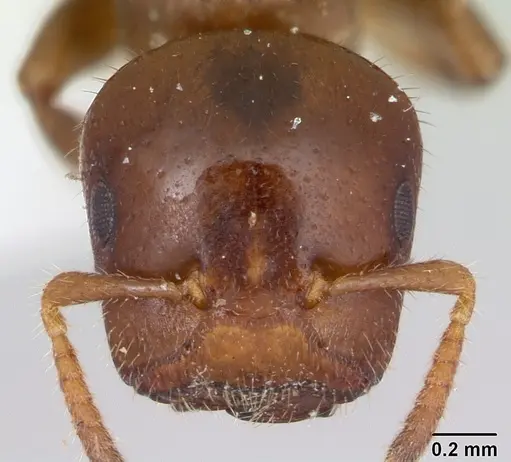
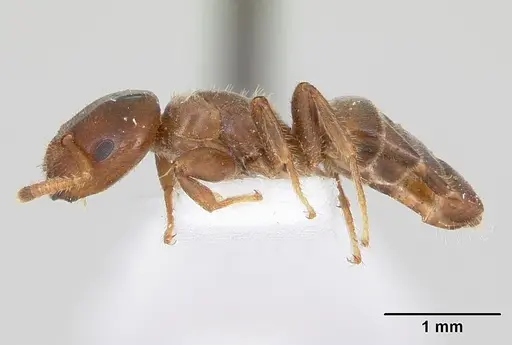
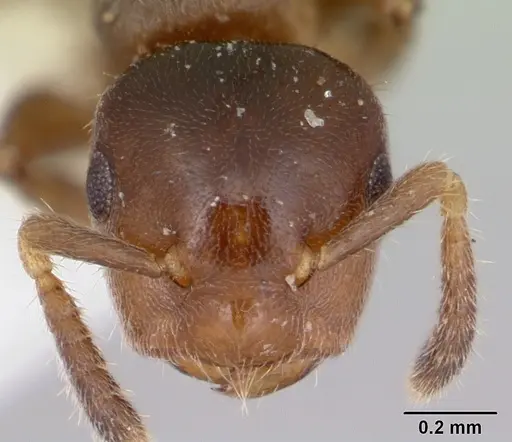
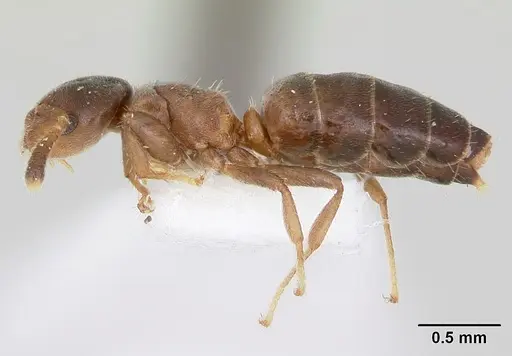
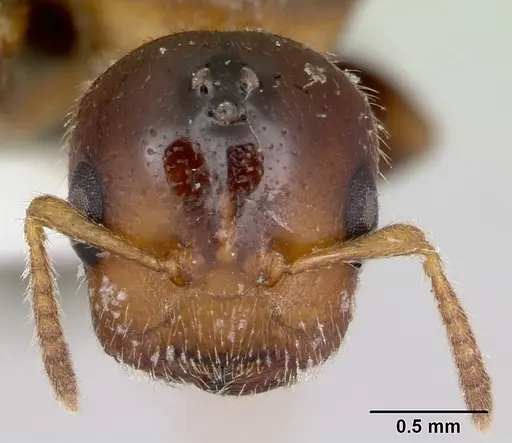
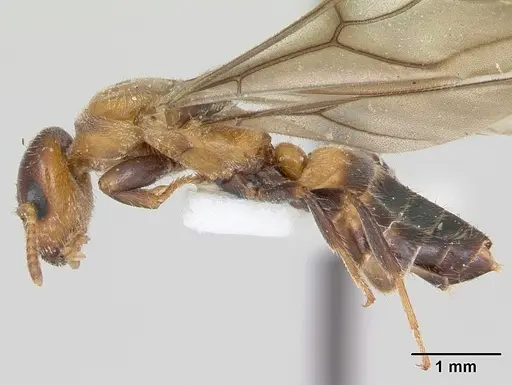
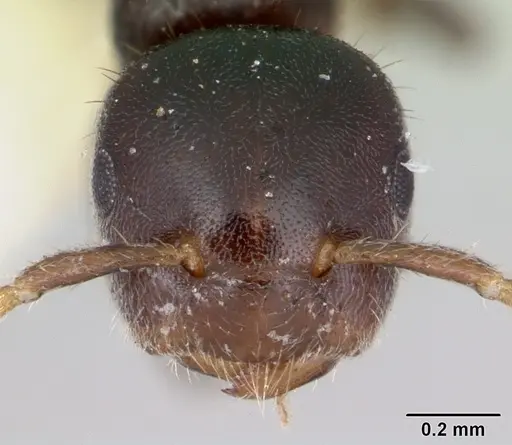
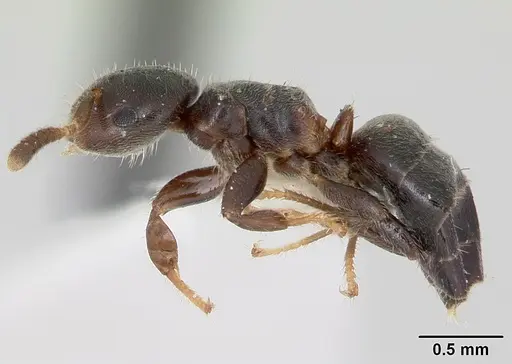
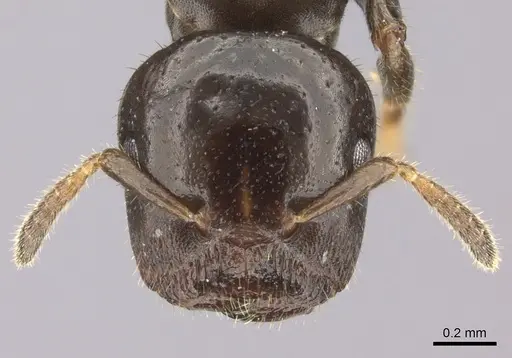
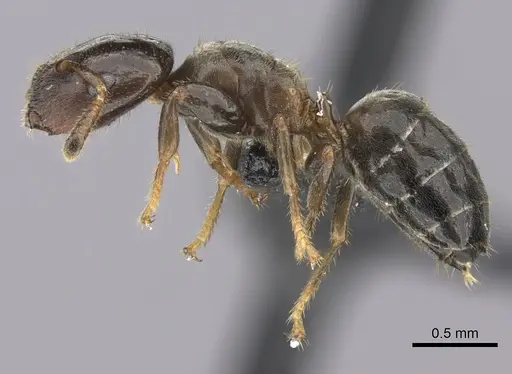
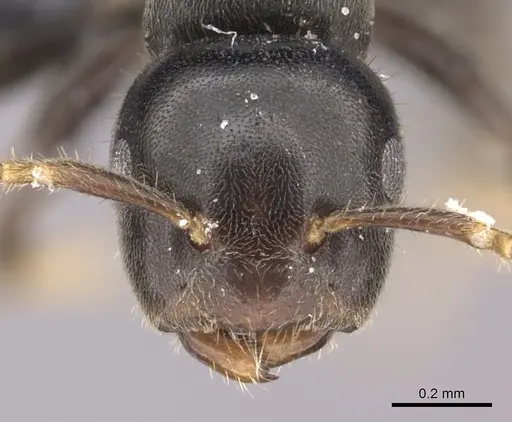
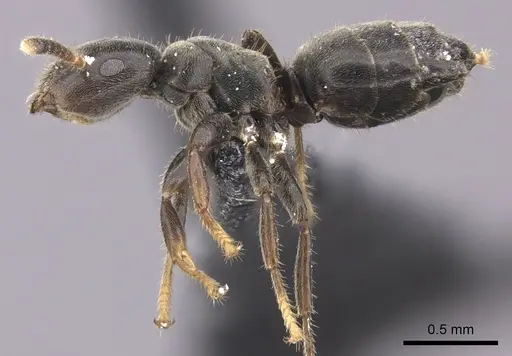
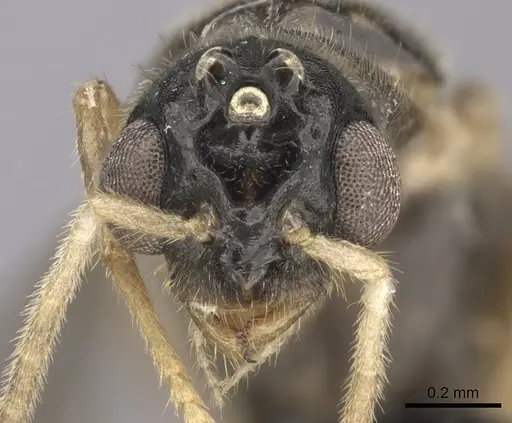
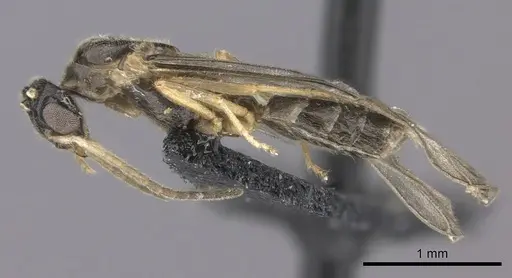
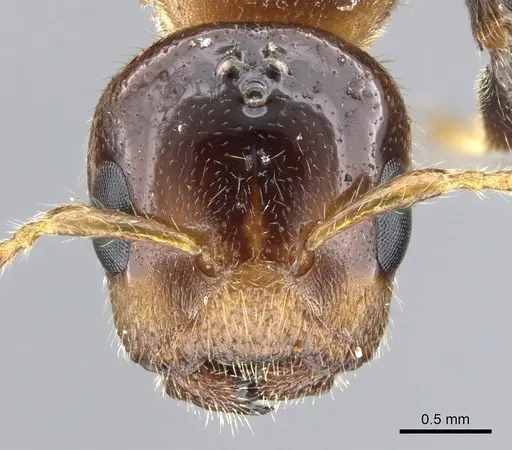
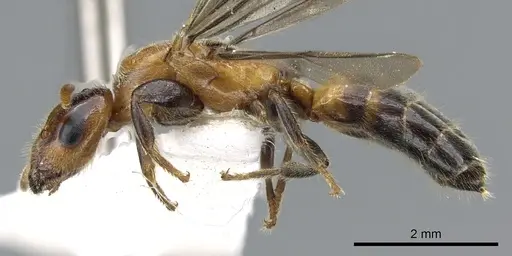
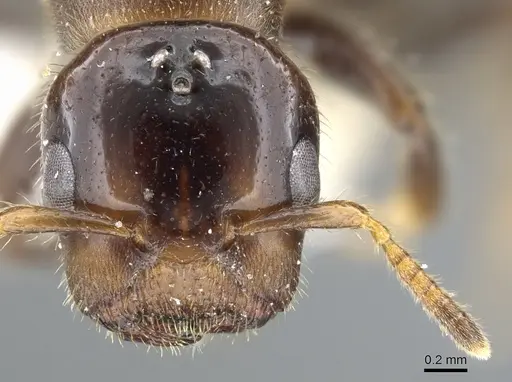
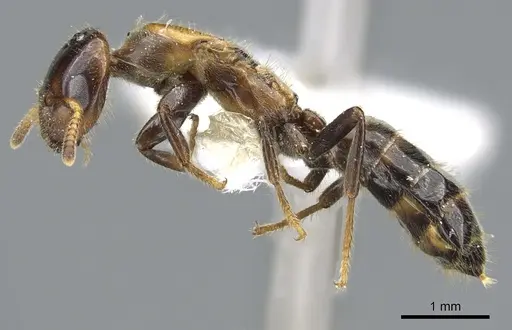
Cladomyrma petalae is a small arboreal ant native to the rainforests of Borneo, Indonesia, Malaysia, and Thailand. Workers are tiny, measuring just 0.6-1.4mm depending on whether they are minor or major workers, while queens reach 2.3-2.6mm. These ants are striking for their variable coloration, some colonies appear uniform yellowish with darker abdominal segments, while others are completely dark brown, even within the same nest [1]. Unlike most ground-nesting ants, C. petalae lives exclusively inside living plant stems and branches, making them a true plant-ant that has evolved a close relationship with specific host trees and vines.
Quick Summary
- Difficulty: Expert
- Origin & Habitat: Tropical rainforests of the Malay Peninsula, Borneo, Indonesia, and Malaysia. These ants live inside the stems and branches of understory trees and woody climbers, including Saraca thaipingensis, Drypetes longifolia, Ryparosa fasciculata, and various vines like Spatholobus bracteolatus [1][2].
- Colony Type: Monogyne, single-queen colonies. Queens found new colonies by chewing entry holes into plant internodes, and established colonies eventually become monopolized by a single queen who rules a colony of 85-2200 workers, sometimes reaching 3000-5000 in larger host plants [2][1].
- Colony: Monogyne
- Size & Growth:
- Queen: 2.26-2.56 mm [1]
- Worker: Minor: 0.60-0.98 mm, Major: 0.86-1.42 mm [1]
- Colony: 85-2200 workers recorded, up to 3000-5000 in mature host plants [1][2]
- Growth: Moderate
- Development: Unknown (Development timeline has not been documented in scientific literature. Estimates based on related Formicinae species suggest several months, but this is unconfirmed.)
- Antkeeping:
- Temperature: Keep at 24-28°C. These are tropical ants from warm, humid rainforests, so they need consistently warm conditions without temperature drops [1].
- Humidity: High humidity is essential. As plant-ants from tropical rainforests, they need 70-85% humidity. The nest should be kept moist but not waterlogged, with good ventilation to prevent mold while maintaining humidity [1].
- Diapause: No, these are tropical ants that do not hibernate. Keep them at warm temperatures year-round [1].
- Nesting: This is the most challenging aspect. C. petalae is an obligate plant-ant that requires living plant stems or artificial domatia that mimic hollow branches. They need narrow, enclosed spaces (hollowed-out pith canal diameter 2.0-3.9mm) with lateral entry points. A naturalistic setup with bamboo sections or acrylic nests with narrow chambers can work, but they need tight spaces scaled to their tiny size [2][1].
- Behavior: These ants are defensive but not aggressive toward their host plants. Workers actively patrol young foliage, cleaning leaf surfaces and protecting against herbivores and butterfly eggs. They exhibit a fascinating water-bailing behavior where workers ingest flooded water and regurgitate it outside to keep the nest dry. Workers are small but active, with moderate escape risk due to their tiny size, excellent escape prevention is essential [1][2].
- Common Issues: escape prevention is critical, their tiny size means they can squeeze through standard barriers, nesting is extremely difficult, they require narrow, enclosed plant-stem-like spaces, humidity must be consistently high or colonies will stress and decline, they are strictly arboreal and will not thrive in ground-based nests, wild-caught colonies may have specialized symbiotic coccoids that are difficult to maintain in captivity
Housing and Nest Setup
This is the most critical and challenging aspect of keeping C. petalae. These are obligate plant-ants that evolved to live inside living plant stems, so standard test tubes and formicaria will not work. You need to create a setup that mimics their natural hollow stem environment. The best approach is a naturalistic terrarium setup with bamboo sections or acrylic nests designed with narrow chambers (2-4mm diameter channels) that replicate the hollowed-out pith canals they naturally inhabit. The nest entrances must be lateral, as this is how they prevent water from entering in the wild. The entire setup should be vertically oriented to simulate their arboreal lifestyle. Some keepers have success with custom acrylic nests that have very tight, narrow tunnels scaled to their tiny worker size. Whatever you choose, the chambers must be small and enclosed, these ants do not do well in large, open spaces [2][1].
Feeding and Diet
In the wild, C. petalae tends hemipteran trophobionts (scale insects and mealybugs) inside their host plant stems. These coccoids provide honeydew as a primary food source. Workers also feed on sugar sources and likely hunt small arthropods. In captivity, you should offer sugar water or honey regularly, along with small live prey like fruit flies, springtails, or other micro-arthropods. They may also accept mealworm pieces, but their tiny size means prey should be appropriately small. The key insight from research is that they have a mutualistic relationship with coccoids, maintaining this symbiosis in captivity is challenging but important for long-term colony health. Without access to honeydew-producing insects, sugar sources become more critical [2][1].
Temperature and Humidity
As tropical rainforest ants, C. petalae requires warm, humid conditions year-round. Keep temperatures in the range of 24-28°C, avoiding any drops below 22°C. A small heating mat on one side of the setup can help maintain warmth, but be careful not to dry out the nest. Humidity should be maintained at 70-85%, which can be achieved by keeping the nest substrate moist and having a water reservoir. However, ventilation is crucial, stagnant, overly wet conditions lead to mold that can kill the colony. The water-bailing behavior they exhibit in the wild shows they are adapted to dealing with water in their nests, but they actively remove it, your setup should prevent flooding rather than rely on this behavior. A gentle misting system or regular light misting can help maintain humidity without causing standing water [1].
Behavior and Colony Dynamics
C. petalae colonies are fascinating to observe. Workers actively patrol young leaves and stems, cleaning surfaces and protecting against herbivores. They significantly reduce herbivore damage to young leaves, this is one of the benefits the host plant receives in exchange for providing shelter. These ants also preclude oviposition by female lycaenid butterflies and will attack or kill any butterfly larvae placed on their host plant. Colony founding involves a single queen chewing her own entry hole into a plant internode. Multiple founding queens may initially colonize a plant, but eventually one queen monopolizes the entire host plant. Workers enlarge the founding chamber into neighboring internodes, creating an interconnected tunnel system throughout the plant. In larger host plants, colonies can reach 3000-5000 workers [2][1].
Unique Adaptations
One of the most remarkable behaviors of C. petalae is their water-bailing response to flooding. In the wild tropical forests, heavy rains can flood their nest chambers. Workers respond by ingesting the water and regurgitating it outside, repeating this until no standing water remains. This behavior, combined with their laterally oriented nest entrances (which prevent rain from directly entering), helps them survive in the wet rainforest environment. Their relationship with host plants is also specific, they colonize at least six different plant species across different families, but do not accept congeneric host plant species. Interestingly, colony-founding queens sometimes accept alternative host species in experiments, but the mechanisms behind this host plant recognition are not yet understood [1][2].
Frequently Asked Questions
Can I keep Cladomyrma petalae in a test tube setup?
No, test tubes will not work. This is an obligate plant-ant that requires narrow, enclosed spaces that mimic hollow plant stems. Standard test tubes are too large and wrong in structure. You need a naturalistic setup with bamboo sections or custom acrylic nests with very narrow chambers (2-4mm diameter) [2][1].
What do Cladomyrma petalae eat?
They feed on honeydew from tended scale insects (cooccoids), sugar sources, and small live prey. Offer sugar water or honey regularly, along with tiny live prey like fruit flies or springtails. Maintaining a symbiotic relationship with mealybugs or scale insects can provide a natural honeydew source [2].
How long does it take for first workers to appear?
The development timeline is unconfirmed and has not been documented in scientific literature. Based on related Formicinae species, expect several months, but this is only an estimate [1].
Are Cladomyrma petalae good for beginners?
No, this species is rated Expert difficulty. Their obligate plant-ant lifestyle requires specialized housing that mimics hollow plant stems, and they have specific humidity and temperature needs that are challenging to maintain. They are not recommended for beginners [1].
Do Cladomyrma petalae need hibernation?
No, these are tropical ants that do not hibernate. Keep them at warm temperatures (24-28°C) year-round. They are adapted to consistent tropical conditions and will decline if temperatures drop [1].
How big do Cladomyrma petalae colonies get?
Colonies typically reach 85-2200 workers, but in mature host plants they can grow to 3000-5000 workers. The colony size is directly related to the size of their host plant [1][2].
Can I keep multiple queens together?
No, C. petalae is monogyne (single-queen). While multiple founding queens may initially colonize a plant, eventually one queen monopolizes the entire host plant. Combining unrelated queens is not recommended [2][1].
Why are my Cladomyrma petalae dying?
Common causes include: incorrect housing (too large chambers, wrong orientation), low humidity (below 70%), temperatures below 22°C, poor ventilation causing mold, or escape due to inadequate barriers. Their tiny size makes escape prevention critical, they can squeeze through standard barriers [1].
When should I move them to a formicarium?
They should go directly into a naturalistic or custom setup that mimics plant stems, there is no test tube to formicarium transition with this species. The setup should be prepared before acquiring the colony. They do not thrive in standard formicaria [2][1].
References

This caresheet is licensed under CC BY-SA 4.0 .
CASENT0173894
View on AntWeb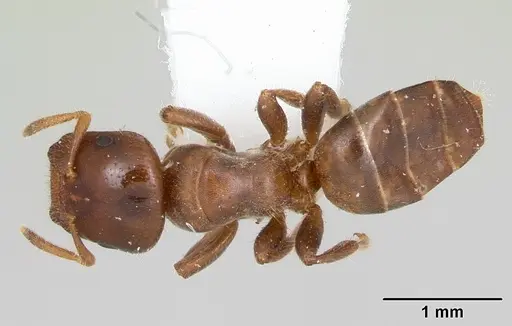
CASENT0173895
View on AntWeb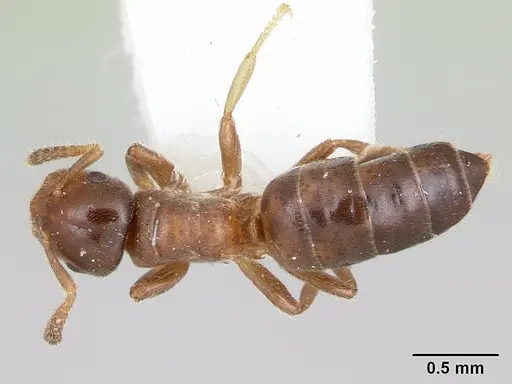
CASENT0173896
View on AntWeb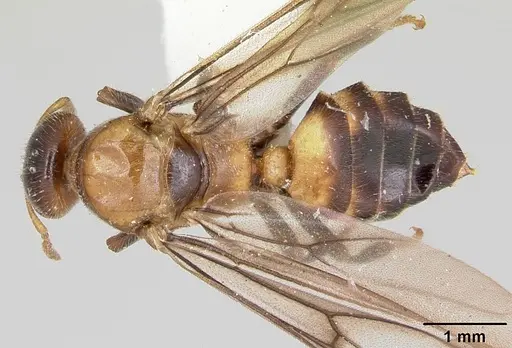
CASENT0173897
View on AntWeb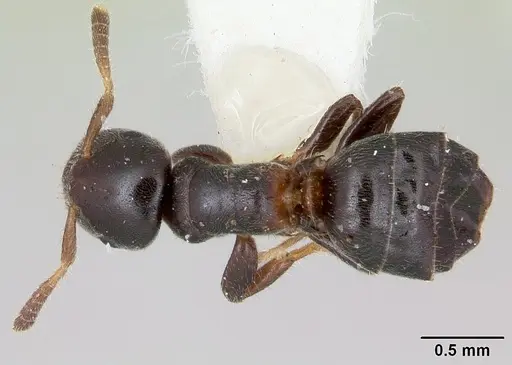
CASENT0235222
View on AntWeb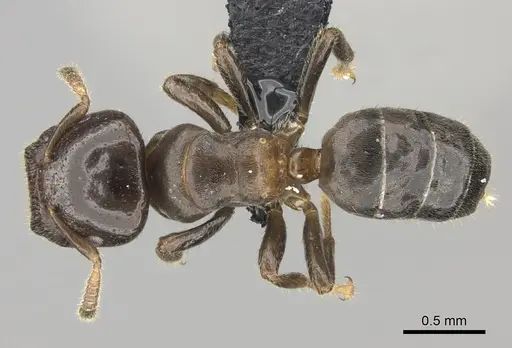
CASENT0235257
View on AntWeb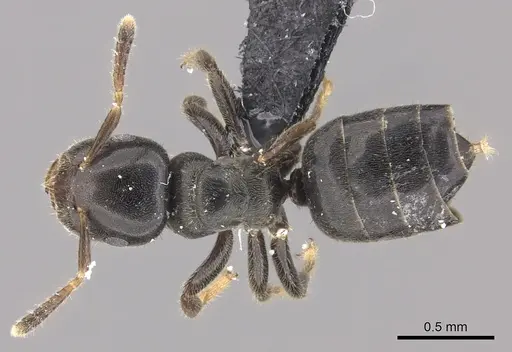
CASENT0235266
View on AntWeb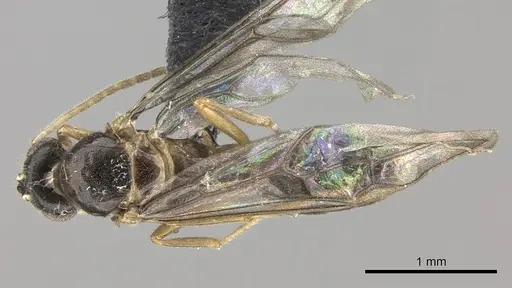
CASENT0903188
View on AntWeb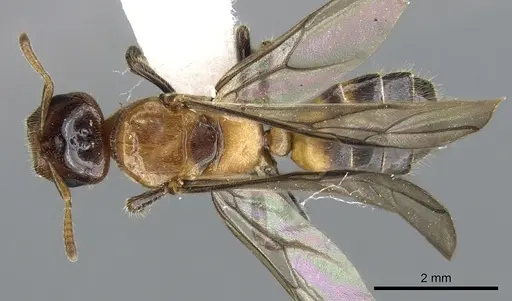
CASENT0903189
View on AntWeb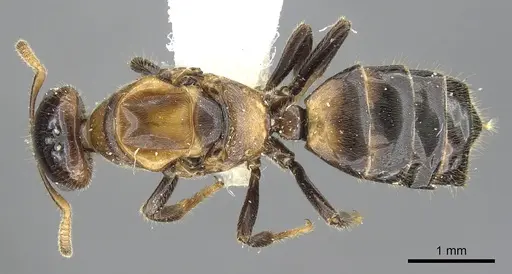
Literature
Loading...Loading products...