

Cladomyrma maryatiae
- Scientific Name
- Cladomyrma maryatiae
- Tribe
- Lasiini
- Subfamily
- Formicinae
- Author
- Agosti <i>et al.</i>, 1999
- Distribution
- Found in 1 countries
Cladomyrma maryatiae Overview
Cladomyrma maryatiae is an ant species of the genus Cladomyrma. It is primarily documented in 1 countries , including Malaysia. Detailed taxonomic data and occurrence records can be further explored via authoritative databases such as AntWeb or the Global Biodiversity Information Facility (GBIF).
Cladomyrma maryatiae
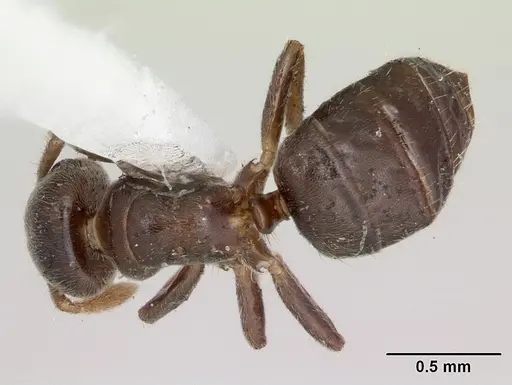
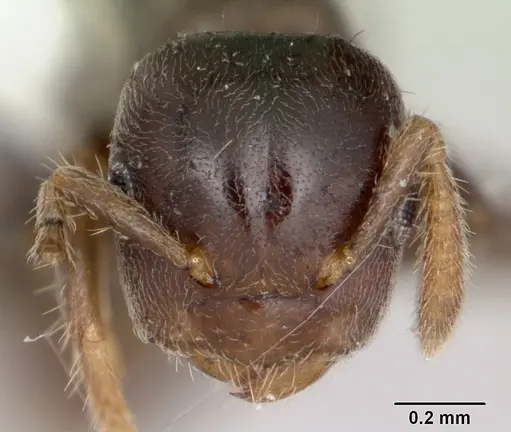
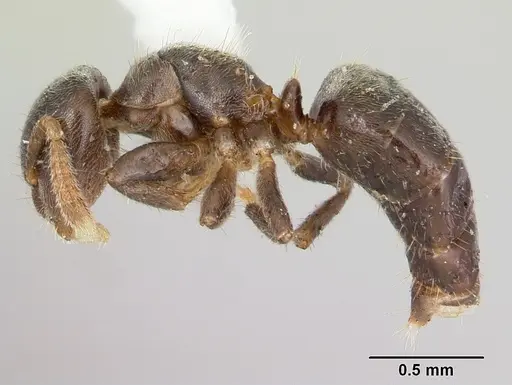
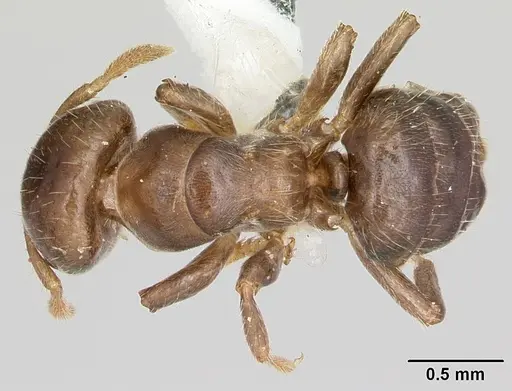
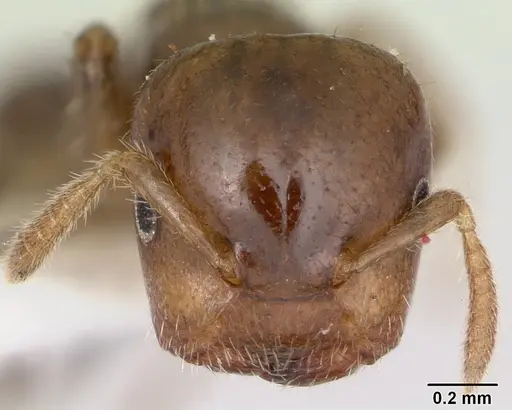
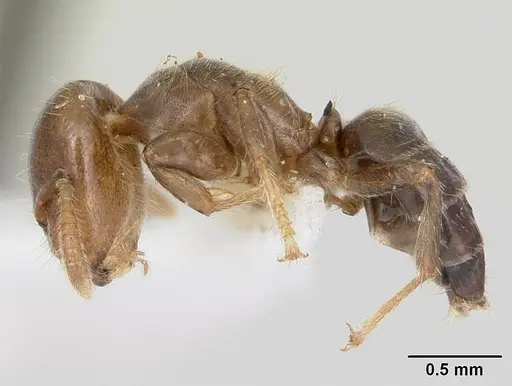
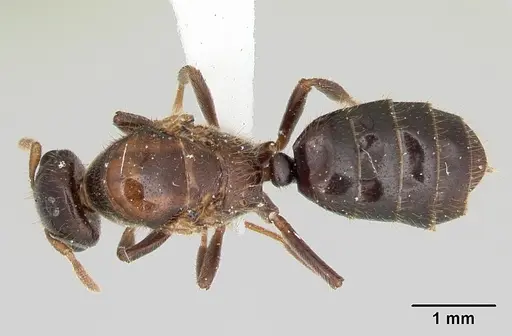
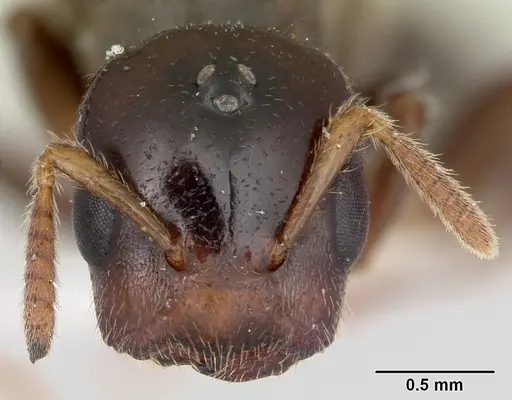
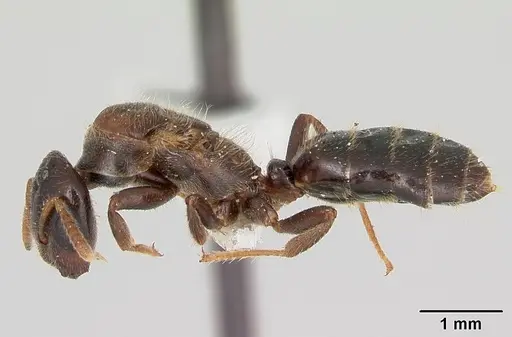
Cladomyrma maryatiae is a small plant-ant species native to Borneo (Sabah and Sarawak). Workers are tiny at just 0.7-1.2mm in length, with queens reaching 2.1-2.3mm [1]. They have a distinctive reddish-brown to dark brown coloration and are covered in long golden hairs [1]. This species belongs to the plant-ant group, they live in symbiosis with Neonauclea trees, nesting in hollow stems and branches [1]. The colony in the type series had approximately 760 workers, making them a relatively small species [1].
What makes C. maryatiae stand out is their aggressive temperament, they are known to defend their host plant vigorously, a trait shared with most Cladomyrma species [1]. They have a raised petiole (the narrow waist segment) and a large metapleural gland opening, which they likely use for chemical defense [1]. These ants are not commonly kept in captivity and represent an unusual choice for antkeepers interested in studying plant-ant mutualism.
Quick Summary
- Difficulty: Expert
- Origin & Habitat: Borneo (Sabah and Sarawak) in Malaysia. This is a tropical rainforest species that lives in symbiosis with Neonauclea trees at elevations around 600-700m [1]. They nest inside hollow stems and branches of their host plants.
- Colony Type: Colony structure is unconfirmed, likely monogyne (single queen) based on typical Cladomyrma patterns, but this has not been directly studied. Wild colonies reach approximately 760 workers [1].
- Size & Growth:
- Queen: 2.1-2.3 mm [1]
- Worker: 0.7-1.2 mm [1]
- Colony: Up to ~760 workers in mature colonies [1]
- Growth: Unknown, likely moderate based on small colony sizes
- Development: Unknown, no development data exists for this species. Related Formicine ants typically take 6-10 weeks at optimal temperature. (Development timeline has not been studied. Estimates based on related species suggest several months from egg to worker.)
- Antkeeping:
- Temperature: Keep warm at 24-28°C. As a tropical Borneo species, they need consistently warm conditions without temperature drops [2].
- Humidity: High humidity (70-85%) is essential. Plant-ants naturally live in humid stem cavities. Keep the nest substrate consistently moist but not waterlogged [2].
- Diapause: No, being a tropical species, they do not require hibernation. Maintain warm conditions year-round [2].
- Nesting: This is the most critical aspect. C. maryatiae is a plant-ant that requires live plant material or artificial stem setups. They will not thrive in standard soil nests. Provide hollow bamboo, plant stems, or a naturalistic setup with live host plants (Neonauclea or similar). The nest should have tight chambers scaled to their tiny size [1].
- Behavior: These ants are aggressive and will defend their territory vigorously. They are active foragers and likely tend to honeydew-producing insects on their host plants. Their small size means they can escape through tiny gaps, excellent escape prevention is essential. They are diurnal and likely maintain larger territories around their host plant [1].
- Common Issues: plant-ant requirements make them extremely difficult to keep, they need live plant stems or complex naturalistic setups, escape prevention is critical due to their tiny 1mm size, no captive breeding data exists, wild-caught colonies are the only option, aggressive behavior makes them prone to attacking and escaping when disturbed, high humidity requirements can lead to mold problems if ventilation is poor
Housing and Nesting Requirements
This is the most challenging aspect of keeping C. maryatiae. As a plant-ant, they require access to hollow plant stems or branches. In the wild, they live exclusively in Neonauclea trees, nesting inside hollow twigs and branches [1]. Standard test tubes and formicaria will not work, they need a naturalistic setup with plant material.
Your best options include: (1) A naturalistic terrarium with live Neonauclea or similar plants, (2) Hollow bamboo sections or artificial plant stems, or (3) A custom acrylic stem setup with chambers scaled to their tiny 1mm size. The nest chambers should be very small, these are among the smallest ants you can keep. Provide multiple chambers connected by narrow tunnels. Include some dry areas within the setup so ants can regulate their humidity preferences.
Temperature and Humidity
Being from tropical Borneo, C. maryatiae needs warm and humid conditions year-round. Maintain temperatures between 24-28°C, avoid any drops below 22°C. A heating mat on one side of the enclosure can create a gentle gradient. Room temperature may be sufficient if your home stays in this range.
Humidity should be high at 70-85%. These ants naturally live in humid plant stems in the rainforest understory. Use a moisture reservoir or mist regularly, but ensure adequate ventilation to prevent mold. The substrate (if using any) should feel damp to the touch. A hygrometer helps monitor conditions. Poor humidity leads to colony decline and death. [2]
Feeding and Diet
Plant-ants typically feed on honeydew from sap-sucking insects (aphids, scale insects, mealybugs) that live on their host plants, plus they hunt small prey. In captivity, provide a constant sugar source like honey water or sugar water (changed every 2-3 days). For protein, offer tiny prey items like fruit flies, pinhead crickets, or other small insects. They will likely accept most small arthropods.
Because they live in plant stems, consider including small scale insects or aphids on a plant fragment within their enclosure. This mimics their natural honeydew source. Feed protein 2-3 times per week, and keep sugar water available at all times. Remove uneaten prey after 24 hours to prevent mold. [2]
Behavior and Temperament
C. maryatiae is notably aggressive, specimen labels specifically document aggressive behavior, and this trait is shared with most Cladomyrma species [1]. They will readily attack threats and defend their nest vigorously. This means you should expect active defense behavior when working with them.
Their small size (under 1.2mm for workers) makes them excellent escape artists. Use fine mesh barriers and ensure all openings are sealed. They are diurnal and likely maintain larger territories around their host plant in the wild. Workers are fast-moving for their size. Expect them to be more active during daylight hours.
Frequently Asked Questions
Can I keep Cladomyrma maryatiae in a test tube?
No. This is a plant-ant that requires access to hollow plant stems or complex naturalistic setups. Standard test tubes and formicaria will not work. They need live plant material or artificial stem systems to thrive.
How long does it take for first workers to appear?
The development timeline is unknown for this species. Based on related Formicine ants, expect 6-10 weeks from egg to first worker at optimal temperature (around 26°C). No specific development data exists for C. maryatiae.
Are Cladomyrma maryatiae good for beginners?
No. This is an expert-level species due to their specialized plant-ant requirements, need for live plant stems or complex naturalistic housing, high humidity needs, and aggressive temperament. They are not recommended for anyone without experience keeping tropical plant-ants.
What do Cladomyrma maryatiae eat?
They likely feed on honeydew from sap-sucking insects plus small prey. In captivity, provide constant sugar water or honey water, plus tiny protein sources like fruit flies, springtails, or small crickets. They probably accept a varied diet similar to other plant-ants.
Do they need hibernation?
No. As a tropical species from Borneo, they do not require hibernation. Keep them warm year-round at 24-28°C. Temperature drops can stress and kill the colony.
How big do colonies get?
Wild colonies reach approximately 760 workers in mature colonies [1]. This is relatively small compared to many ant species. Expect similar sizes in captivity.
Why are my ants dying?
Common causes include: wrong housing (they need plant stems, not test tubes), low humidity (below 70%), temperatures below 22°C, poor escape prevention, or stress from disturbance. They are extremely difficult to keep and require specific conditions.
Can I keep multiple queens together?
This has not been studied. Based on typical Cladomyrma patterns, they likely have single-queen colonies. Do not attempt combining unrelated queens, this has not been documented and queens would likely fight.
When should I move them to a formicarium?
They should go directly into a naturalistic plant-stem setup from the start. Standard formicaria are not appropriate for this species. If you must use temporary housing, use a small test tube setup only until you can transfer them to their permanent plant-based housing.
References

This caresheet is licensed under CC BY-SA 4.0 .
Literature
Loading...Loading products...