

Cladomyrma andrei
- Scientific Name
- Cladomyrma andrei
- Tribe
- Lasiini
- Subfamily
- Formicinae
- Author
- Emery, 1894
- Distribution
- Found in 2 countries
Cladomyrma andrei Overview
Cladomyrma andrei is an ant species of the genus Cladomyrma. It is primarily documented in 2 countries , including Indonesia, Malaysia. Detailed taxonomic data and occurrence records can be further explored via authoritative databases such as AntWeb or the Global Biodiversity Information Facility (GBIF).
Cladomyrma andrei
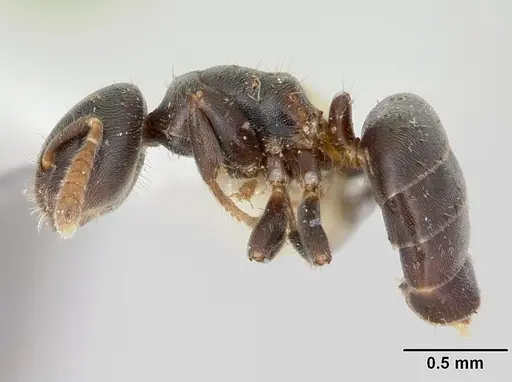
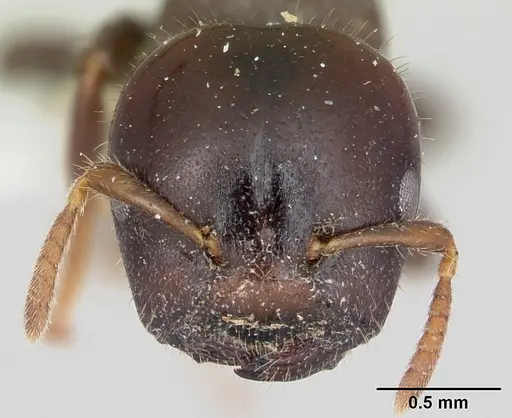
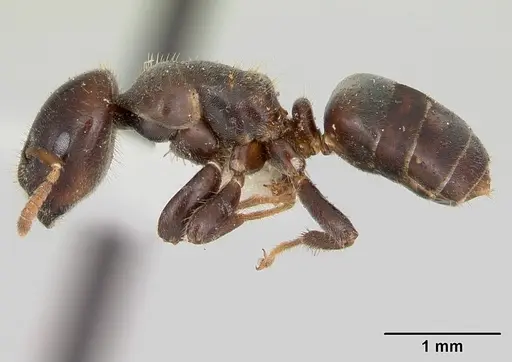
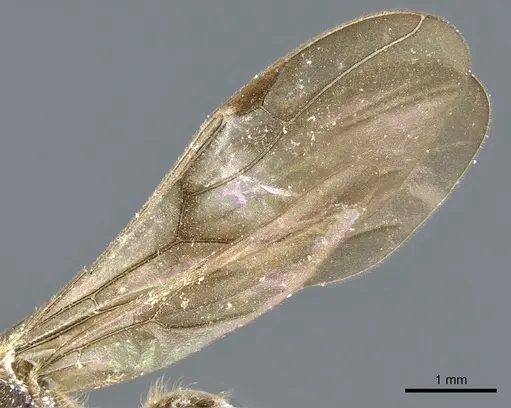
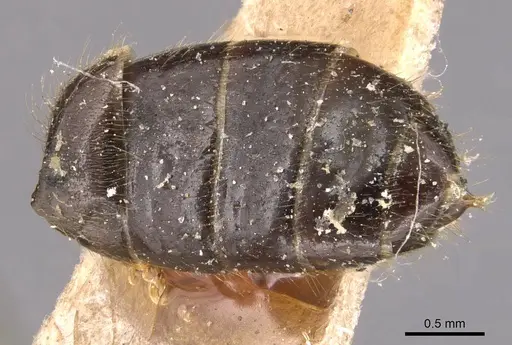
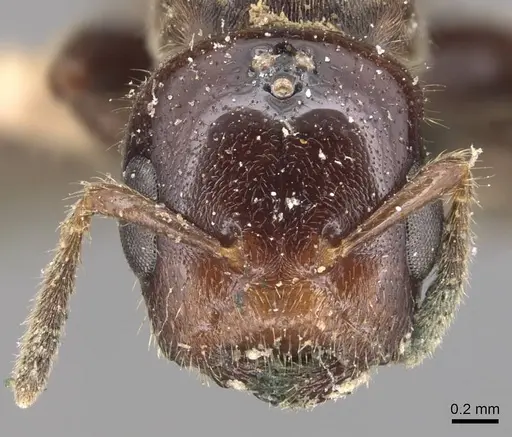
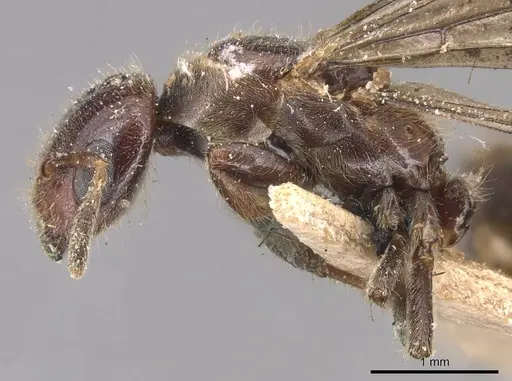
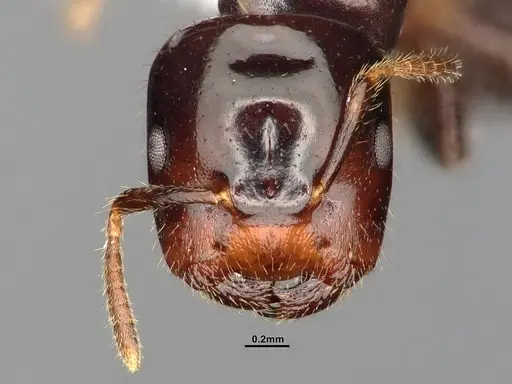
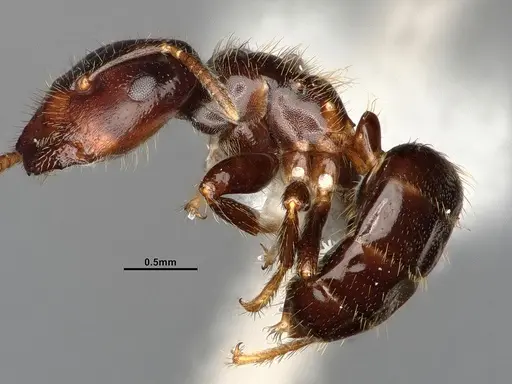
Cladomyrma andrei is a small plant-ant native to Borneo, known for its unusual nesting habits in lianas and woody climbers. Workers are 0.64-1.64mm depending on caste (major or minor), while queens are relatively large at 2.08-2.56mm [1]. The species shows considerable color variation, typically appearing dark brown to black with a distinctly bicolored head, the cheeks and clypeus are lighter than the rest of the head capsule [1]. Queens and workers have distinctive long erect hairs scattered across the gaster, and the petiole is low and dorsally truncate, placing this species in the 'depressed petiole' group within Cladomyrma [1]. This is a specialized ant that lives in mutualistic relationship with host plants, colonizing enlarged stem sections (domatia) in lianas like Callerya and Spatholobus [1].
Quick Summary
- Difficulty: Expert
- Origin & Habitat: Borneo (Sabah, Sarawak, South Kalimantan) in tropical rainforest canopies. This species lives high in the forest canopy, nesting in the enlarged stems of lianas (woody climbing plants) that provide specialized hollow chambers called domatia [1].
- Colony Type: Colony structure is not well documented in scientific literature. Known mature colonies contain approximately 200 workers [1]. Further research needed to confirm queen number.
- Size & Growth:
- Queen: 2.08-2.56mm [1]
- Worker: Major workers: 0.84-1.64mm, Minor workers: 0.64-1.00mm [1]
- Colony: Approximately 200 workers in mature colonies [1]
- Growth: Unknown, no development data available
- Development: Unknown, development has not been studied (No data available on egg-to-worker timeline. Based on related Formicinae and tropical species, expect 4-8 weeks at optimal temperature, but this is an estimate only.)
- Antkeeping:
- Temperature: As a tropical Borneo species, keep warm at 24-28°C. This is an estimate based on their natural habitat in tropical rainforests.
- Humidity: High humidity required, these ants live in rainforest canopy environments. Keep nest substrate consistently moist but not waterlogged.
- Diapause: No, this is a tropical species that does not experience cold winters. No hibernation period needed.
- Nesting: In nature, they nest inside enlarged stem sections (domatia) of lianas like Callerya and Spatholobus. In captivity, a naturalistic setup with narrow chambers or a Y-tong/plaster nest with small passages would be most appropriate. The key is providing enclosed spaces that mimic the hollow stem domatia they naturally inhabit.
- Behavior: This is a specialized plant-ant with a mutualistic relationship to specific host plants. They are arboreal (tree-dwelling), living high in the forest canopy. Workers are small and may be capable of escaping through very small gaps. Their behavior in captivity is not well documented, they are rarely kept and considered an expert-level species. They likely have moderate escape risk due to their small worker size.
- Common Issues: this species is extremely rare in the antkeeping hobby and may not survive transfer from wild to captive conditions, escape prevention is critical due to their tiny worker size, use fine mesh barriers, specialized diet may be difficult to replicate, they are adapted to specific plant relationships, high humidity requirements can lead to mold issues if ventilation is poor, lack of available care information makes troubleshooting difficult
Natural History and Host Plant Relationship
Cladomyrma andrei is one of the more unusual ant species because it has evolved to live inside living plants. This is a plant-ant, meaning it forms mutualistic relationships with specific host plants that provide shelter (domatia) in exchange for protection against herbivores. The species has been found colonizing three main host plants: Callerya nieuwenhuisii and Spatholobus oblongifolius (both in the Papilionaceae family), and Neonauclea (in the Rubiaceae family) [1]. More recently, a population was discovered living in Drypetes longifolia (Euphorbiaceae), which is unusual because this is the only known population of C. andrei living in a tree rather than a liana [1]. The lianas they typically inhabit have saplings with stem internodes that expand into enlarged chambers, these are the ant domatia that allow foundress queens to establish colonies. In the Poring Hot Springs area of Sabah, colonies have been found in lianas growing 40 meters above ground on a canopy walkway [1]. This arboreal lifestyle means they are adapted to canopy-level conditions: high humidity, stable temperatures, and access to plant-derived food sources.
Nest Preferences and Housing
In the wild, C. andrei does not nest in soil or rotting wood like many other ants. Instead, they live exclusively inside the hollow stems of their host lianas and trees. The stems provide natural chambers (domatia) that the ants modify and use for their colony. These chambers are typically enclosed spaces with small entrance holes that the ants can defend. For captive care, you would need to replicate these conditions. A naturalistic setup with narrow, enclosed chambers would be most appropriate, think small acrylic or plaster nests with tight passages that mimic the stem interiors. Y-tong (AAC) nests with small chambers can work, but the key is providing enclosed spaces rather than open foraging areas. These ants are arboreal, so they do not need deep soil substrates. The nest should be kept humid since their natural canopy environment is humid. Avoid test tube setups as they do not mimic the enclosed stem chambers these ants naturally inhabit.
Feeding and Diet
The diet of Cladomyrma andrei in the wild is not well documented, but as a Formicinae ant, they likely have a varied diet typical of the subfamily. Plant-ants often supplement their diet with honeydew from scale insects or aphids that may live in the host plant, and they may also feed on extrafloral nectaries of their host plants. In captivity, you should offer a standard ant diet: sugar water or honey as an energy source, and protein sources like small insects (fruit flies, pinhead crickets, mealworms). Given their small worker size, prey items should be appropriately small. The exact dietary preferences of this species are unknown, this is an area where keeper experimentation would be needed. Start with offering sugar water constantly and protein prey 2-3 times per week, adjusting based on colony acceptance.
Temperature and Humidity Requirements
As a tropical species from Borneo, C. andrei requires warm and humid conditions. Borneo has a consistent tropical climate with temperatures typically ranging from 24-32°C year-round and high humidity due to frequent rainfall. You should aim to keep the nest at 24-28°C, a heating cable on one side of the nest can create a gentle gradient if your room temperature is below this range. Place the heating on top of the nest, not underneath, to avoid evaporating moisture too quickly. Humidity is critical, these ants live in the rainforest canopy where conditions are consistently moist. Keep the nest substrate consistently damp but not waterlogged. Allow some variation so the ants can choose their preferred microclimate. Good ventilation is important to prevent mold while maintaining humidity, stagnant air can cause fungal problems.
Behavior and Temperament
The behavior of Cladomyrma andrei in captivity has not been well documented because the species is extremely rare in the antkeeping hobby. What we know comes from field observations: they are arboreal ants that live high in the forest canopy, they nest in plant stems, and they likely defend their host plant from herbivores, this is the classic plant-ant mutualism. Workers are small (under 2mm) and would be considered moderate escape risks due to their size. They likely have some defensive capabilities through their metapleural gland (the large orifice visible on the mesosoma), which produces antimicrobial secretions common in Formicinae. However, they are not known to be particularly aggressive. The species is considered an expert-level choice precisely because so little is known about their captive care requirements and they are difficult to acquire, they are not commercially available and would require field collection in Borneo. [1]
Frequently Asked Questions
Is Cladomyrma andrei a good species for beginners?
No. This is an expert-level species that is extremely rare in the antkeeping hobby. There is very little documented care information, and they require specialized conditions that are difficult to replicate. They are not commercially available and would require field collection in Borneo.
What do Cladomyrma andrei ants eat?
Their exact diet in captivity is not well documented. Based on their biology as plant-ants, they likely accept sugar sources (honey water) and small protein prey. Offer sugar water constantly and small insects 2-3 times per week.
How big do Cladomyrma andrei colonies get?
Known mature colonies contain approximately 200 workers [1]. This is relatively small compared to many other ant species.
What temperature do Cladomyrma andrei ants need?
As a tropical Borneo species, keep them warm at 24-28°C. This is an estimate based on their natural habitat in tropical rainforests.
Do Cladomyrma andrei ants need hibernation?
No. This is a tropical species from Borneo where temperatures remain warm year-round. No diapause or hibernation period is needed.
What kind of nest should I use for Cladomyrma andrei?
In nature, they nest inside hollow plant stems (domatia). In captivity, use a naturalistic setup with small enclosed chambers, a Y-tong or plaster nest with narrow passages works best. They are arboreal and do not need soil substrates.
Where does Cladomyrma andrei live in the wild?
This species is found only on Borneo (Indonesia and Malaysia). They live in the rainforest canopy, nesting inside the enlarged stems of lianas and occasionally trees at various heights, including specimens found 40 meters above ground [1].
How long does it take for Cladomyrma andrei to develop from egg to worker?
The development timeline has not been studied. Based on related Formicinae and tropical species, expect approximately 4-8 weeks at optimal temperature, but this is only an estimate.
Can I keep multiple Cladomyrma andrei queens together?
The colony structure of this species is not well documented. Without specific research on queen number, it is not possible to recommend combining unrelated queens. Do not attempt to house multiple foundress queens together without documented evidence that this is safe.
References

This caresheet is licensed under CC BY-SA 4.0 .
CASENT0010855
View on AntWeb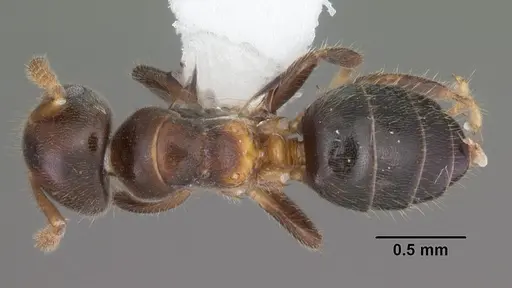
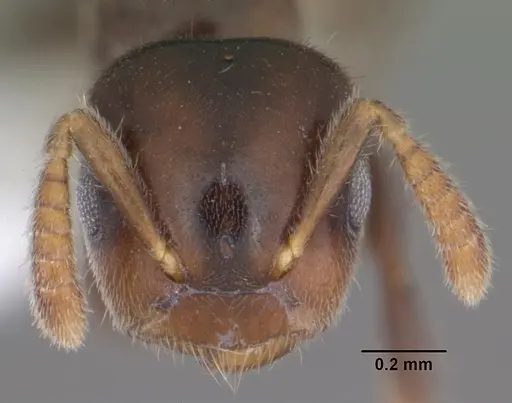
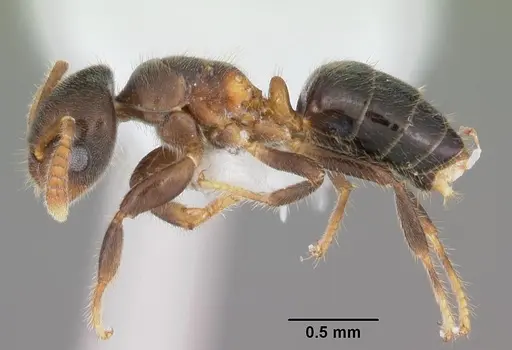
CASENT0010936
View on AntWeb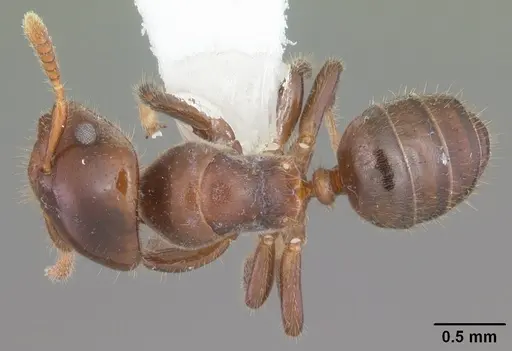
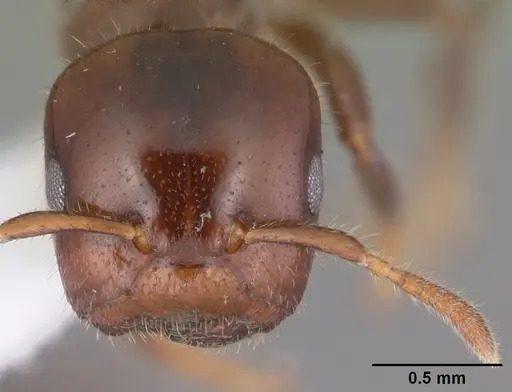
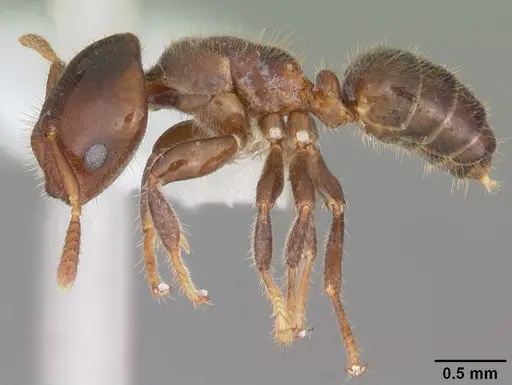
CASENT0173912
View on AntWeb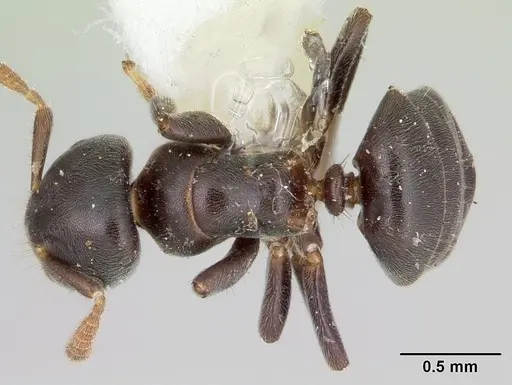
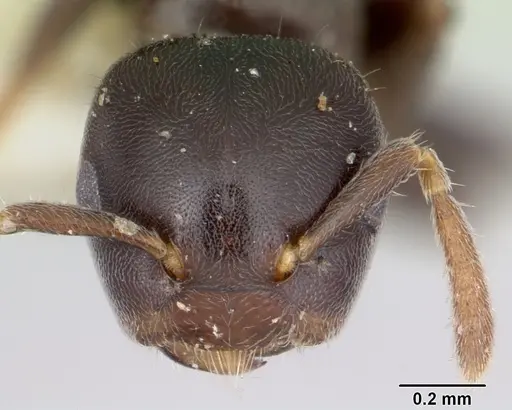
CASENT0173913
View on AntWeb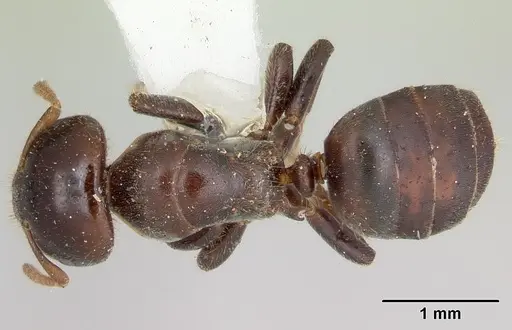
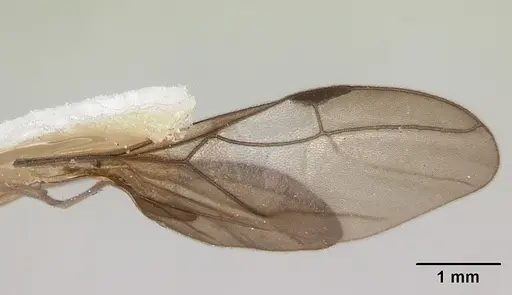
CASENT0903186
View on AntWeb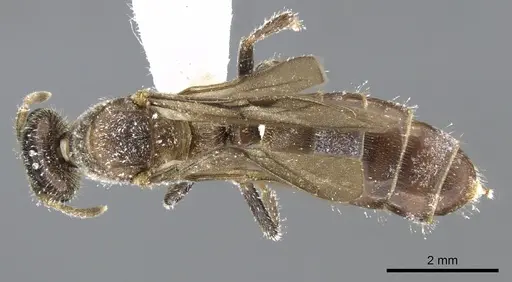
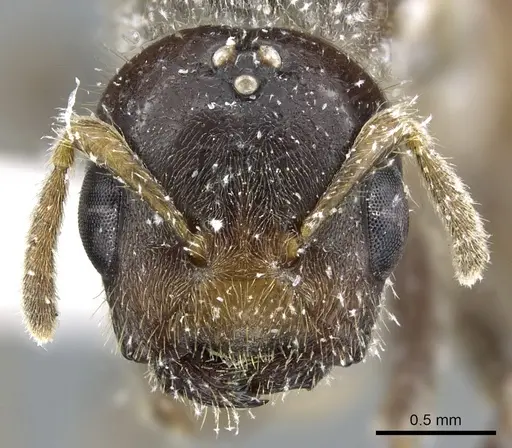
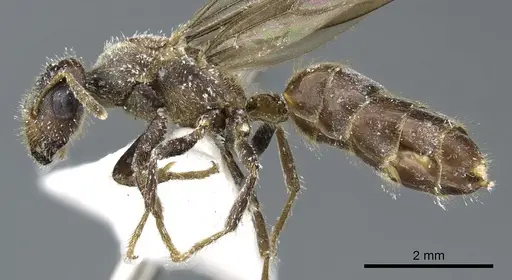
CASENT0905172
View on AntWeb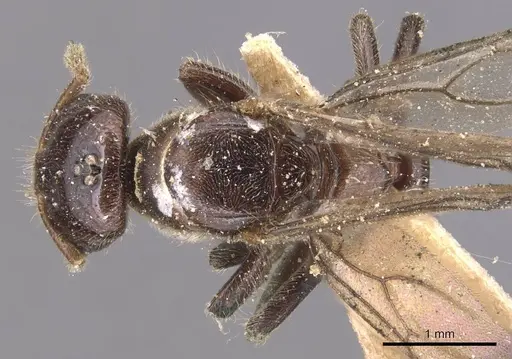
CASENT4031892
View on AntWeb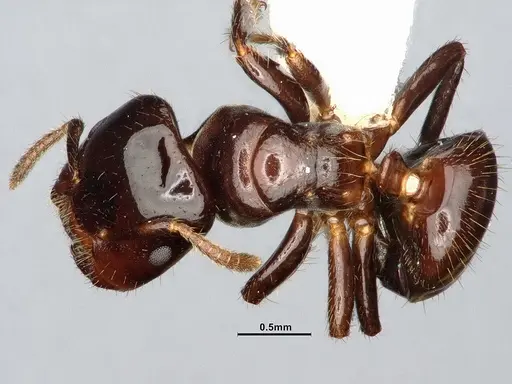
Literature
Loading...Loading products...