

Chrysapace jacobsoni
- Scientific Name
- Chrysapace jacobsoni
- Subfamily
- Dorylinae
- Author
- Crawley, 1924
- Distribution
- Found in 0 countries
Chrysapace jacobsoni Overview
Chrysapace jacobsoni is an ant species of the genus Chrysapace. It is primarily documented in 0 countries . Detailed taxonomic data and occurrence records can be further explored via authoritative databases such as AntWeb or the Global Biodiversity Information Facility (GBIF).
Chrysapace jacobsoni
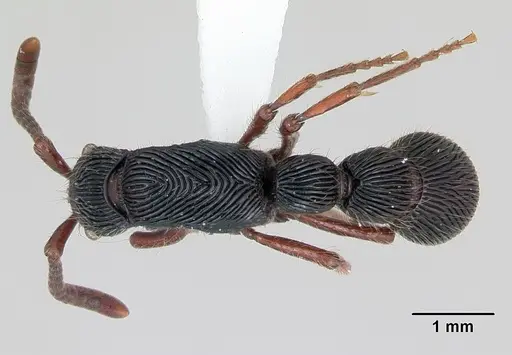
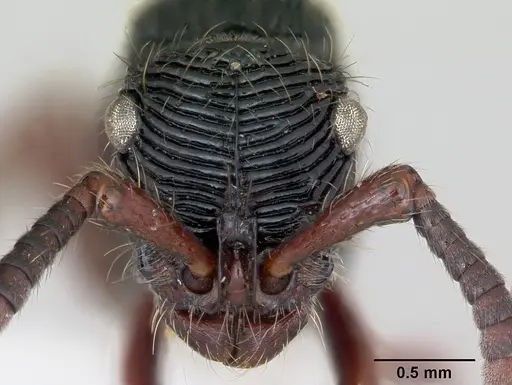
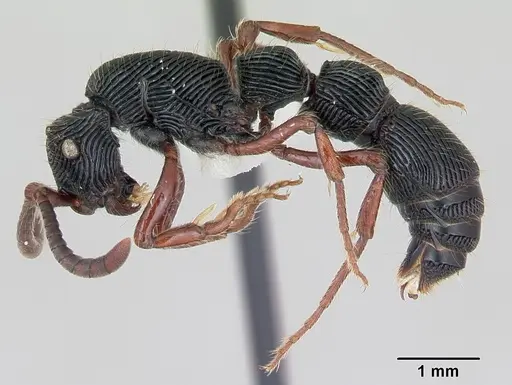
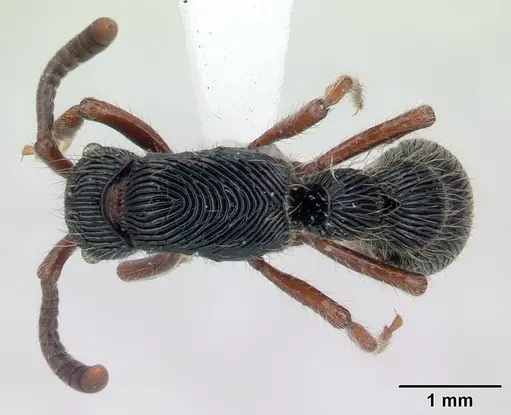
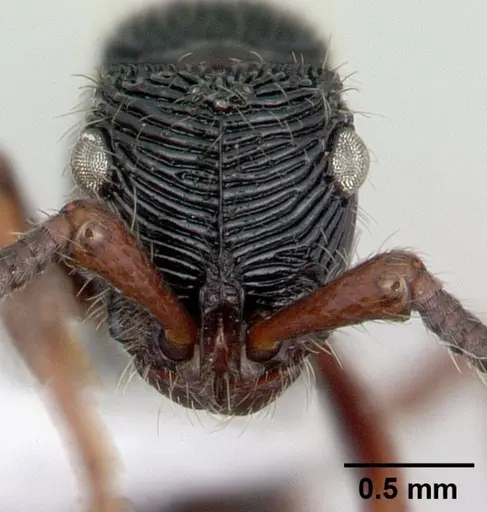
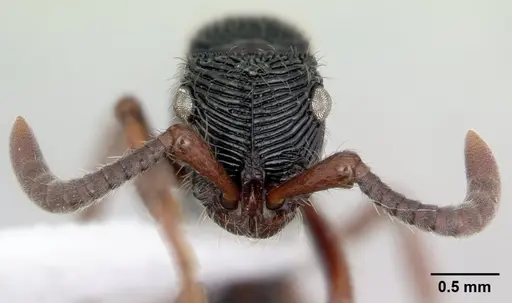
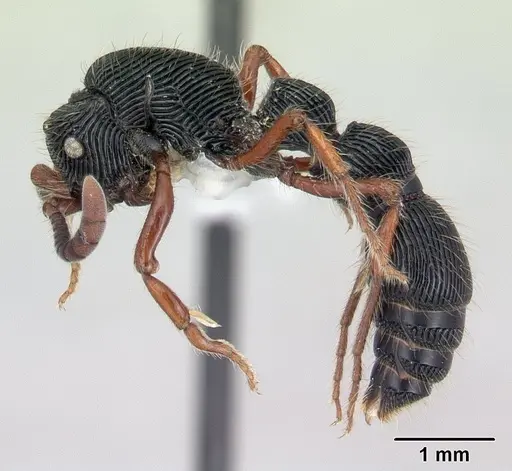
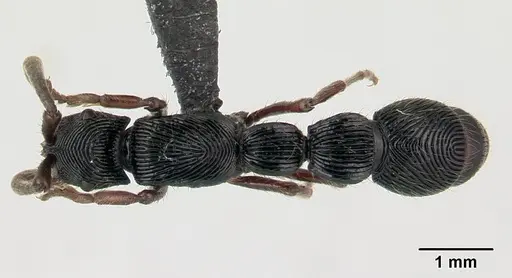
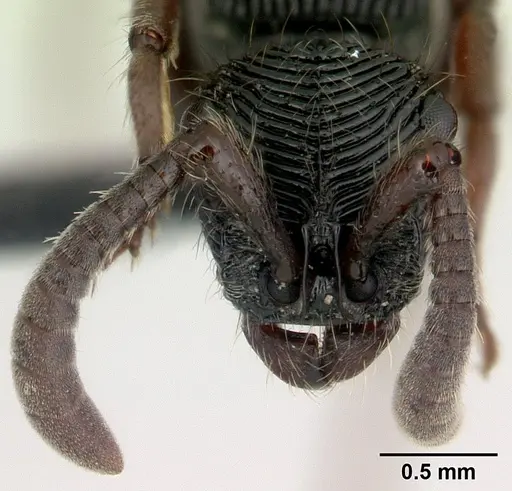
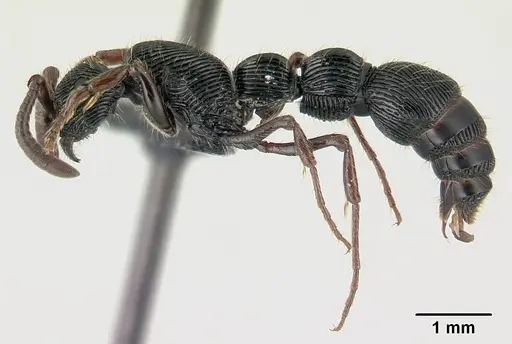
Chrysapace jacobsoni is a rare army ant species belonging to the subfamily Dorylinae. Workers are small and slender, with the genus characterized by a constricted petiole and compact body form. This species is known only from primary rainforest habitats in Southeast Asia, specifically recorded from Sumatra, Sarawak, Borneo, and the Philippines. The few specimens collected have come from leaf litter and Malaise traps in lowland rainforest environments, suggesting they are highly cryptic and rarely observed above ground. The original type specimen was incorrectly identified as a queen but later examination revealed it to be a worker, highlighting just how rarely these ants are encountered and studied.
Quick Summary
- Difficulty: Expert
- Origin & Habitat: Primary rainforest habitats in the Indomalaya region, specifically documented from Sumatra (Indonesia), Sarawak (Malaysia), Borneo, and the Philippines (Negros, Mindanao). Collections have come from lowland primary rainforest with alluvial closed canopy conditions, extremely humid, shaded, and stable environments [AntWiki].
- Colony Type: Colony structure is unconfirmed. Based on related Dorylinae patterns, likely forms small colonies typical of cryptic army ant species.
- Size & Growth:
- Queen:{.size-link} Unconfirmed, the original type specimen was incorrectly identified as a queen but is actually a worker. True queen measurements are not documented [AntWiki].
- Worker:{.size-link} Size data unavailable, the genus is described as small and slender but no specific measurements exist [AntWiki].
- Colony: Unknown, no colony size data exists in scientific literature.
- Growth: Unknown, no development data exists for this species.
- Development: Unconfirmed, no direct observations of colony development exist. (Development timeline is entirely unstudied.)
- Antkeeping:
- Temperature: Keep at room temperature in the low-to-mid 20s°C range (22-26°C). This species comes from stable tropical rainforest conditions with minimal temperature variation.
- Humidity: High humidity is essential, keep substrate consistently moist but not waterlogged. The closed canopy rainforest habitat indicates they need stable, humid conditions.
- Diapause: Unknown, no data on overwintering requirements. As a tropical species from stable rainforest habitats, they likely do not require a diapause period.
- Nesting: No captive nesting data exists. In the wild, they are collected from leaf litter, suggesting they nest in decaying organic material within the forest floor layer. A naturalistic setup with moist substrate and multiple hiding spots would be the most appropriate starting point.
- Behavior: Behavior is largely unstudied. Like other Dorylinae, they are likely predatory on other small invertebrates. Their small size and cryptic nature suggest they are not aggressive toward humans. Escape risk is moderate given their small size. Based on collection methods (Malaise traps, pitfall traps, leaf litter extraction), they appear to be nocturnal or crepuscular foragers that remain hidden during the day.
- Common Issues: no biological data exists, this is one of the least-studied ant species in the hobby, so all care is experimental, humidity management is critical, rainforest species decline rapidly in dry conditions, prey acceptance is unknown, must experiment with small live prey items, colonies likely remain very small, which may frustrate keepers expecting visible growth, risk of colony failure without visible cause due to unknown requirements
Rarity and Collection History
Chrysapace jacobsoni represents one of the rarest ant species in the Dorylinae subfamily, with only a handful of specimens ever collected. The species was originally described by Crawley in 1924 from Sumatra, with additional records from Sarawak, Borneo, and the Philippines. Notably, the original type specimen was incorrectly identified as a queen, later examination revealed it to be a worker [AntWiki]. This misidentification highlights just how rarely these ants are encountered and studied. The few specimens that do exist were collected using specialized methods like Malaise traps and pitfall traps in primary rainforest, suggesting they are extremely cryptic and avoid above-ground activity during daylight hours. The 2021 collection from Mt. Pantaron in the Philippines using Winkler extraction from leaf litter represents one of the most recent documented finds [1].
Habitat and Natural Conditions
All available collection data points to primary rainforest habitats with specific characteristics. The species has been collected from 'primary rainforest, Alluvial closed canopy' environments, this means old-growth forest with a complete tree canopy that blocks direct sunlight, creating stable, humid conditions underneath. Collections from leaf litter using Winkler extraction confirm they live in the forest floor layer, among decaying organic material [1]. The alluvial component indicates they are found near water bodies or in areas with rich soil deposition. These conditions are vastly different from the controlled environments most antkeepers maintain, making this species particularly challenging.
Diet and Feeding
As a member of the Dorylinae subfamily, Chrysapace jacobsoni is almost certainly predatory on small invertebrates. Other Dorylinae species are known for their coordinated hunting behavior, though this species' small colony size likely means they hunt individually or in small groups rather than conducting large raids. The leaf litter habitat suggests their prey consists of other micro-arthropods found in decaying material, springtails, mites, small beetles, and similar organisms. For captive care, you should start with small live prey items. Offer tiny prey like springtails, fruit fly larvae, and other small insects. Sugar sources are unlikely to be accepted, Dorylinae are typically strict predators. Feed conservatively and remove uneaten prey to prevent mold issues in the humid setup they require.
Housing and Nest Setup
No established captive husbandry methods exist for this species, so all recommendations are inferential. Based on their leaf litter habitat and rainforest origin, you should create a naturalistic setup that mimics the forest floor environment. Use a moist substrate mix that holds humidity well, a blend of soil, sand, and decaying leaf material works well. Provide multiple hiding spots through cork bark, flat stones, or other decor items. Because they are cryptic and likely nocturnal, ensure the setup has dark areas where they can retreat. A shallow depth is preferable since they live in the top layers of leaf litter. Test tube setups may work for founding colonies, but a naturalistic terrarium-style enclosure will better support their long-term needs. Maintain high humidity consistently, the substrate should feel damp but never waterlogged.
Experimental Care Approach
Given the complete lack of biological data for this species, keeping Chrysapace jacobsoni successfully requires an experimental approach. Document everything: what prey items are accepted, humidity preferences, temperature preferences, and activity patterns. Start with conditions that match their natural habitat, high humidity, stable temperatures in the low-mid 20s°C, and access to small live prey. Be prepared to adjust based on colony behavior. The biggest risk is colony failure without clear cause, as their requirements remain unknown. Only experienced antkeepers should attempt this species, and wild-caught colonies may carry parasites or have already been stressed by collection and transport. Success with this species would be a significant contribution to antkeeping knowledge.
Frequently Asked Questions
How difficult is Chrysapace jacobsoni to keep?
This is an expert-level species. Almost no biological data exists for this ant, making all care experimental. Only experienced antkeepers who can adapt to unknown requirements should attempt it.
What do Chrysapace jacobsoni ants eat?
They are predatory like other Dorylinae. Offer small live prey, springtails, tiny fruit flies, and other micro-arthropods. Sugar sources are unlikely to be accepted.
What temperature and humidity do Chrysapace jacobsoni need?
Keep them at 22-26°C with high humidity. Their natural habitat is primary rainforest with stable, humid conditions. The substrate should stay consistently moist.
How big do Chrysapace jacobsoni colonies get?
Colony size is unknown, no scientific data exists on maximum colony size.
Where is Chrysapace jacobsoni found?
They are known from Sumatra (Indonesia), Sarawak (Malaysia), Borneo, and the Philippines (Negros, Mindanao). All records come from primary lowland rainforest.
Can beginners keep Chrysapace jacobsoni?
No. This species is not suitable for beginners due to completely unknown care requirements. The lack of any biological data means keeping them alive requires extensive experimentation.
How long does it take for Chrysapace jacobsoni to produce workers?
The egg-to-worker timeline is unconfirmed, no development data exists for this species.
Do Chrysapace jacobsoni need hibernation?
Unknown, but unlikely. As a tropical rainforest species, they probably do not require diapause. However, this has never been studied.
What is the best nest type for Chrysapace jacobsoni?
A naturalistic setup with moist substrate is recommended. They live in leaf litter in the wild, so a terrarium-style enclosure with damp substrate, decaying leaves, and hiding spots works better than artificial nests.

This caresheet is licensed under CC BY-SA 4.0 .
Literature
Loading...Loading products...