

Cheliomyrmex morosus
- Scientific Name
- Cheliomyrmex morosus
- Subfamily
- Dorylinae
- Author
- Smith, 1859
- Distribution
- Found in 5 countries
Cheliomyrmex morosus Overview
Cheliomyrmex morosus is an ant species of the genus Cheliomyrmex. It is primarily documented in 5 countries , including Colombia, Ecuador, Guatemala. Detailed taxonomic data and occurrence records can be further explored via authoritative databases such as AntWeb or the Global Biodiversity Information Facility (GBIF).
Cheliomyrmex morosus
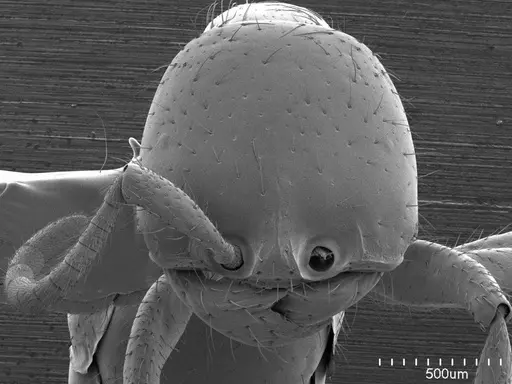
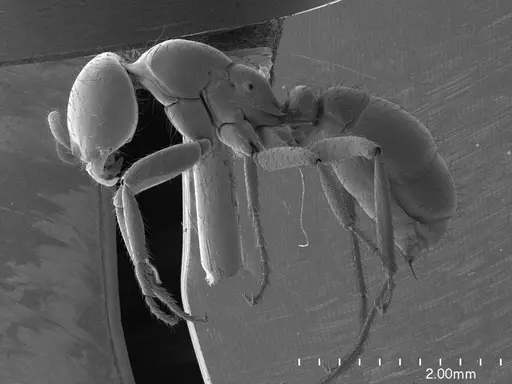
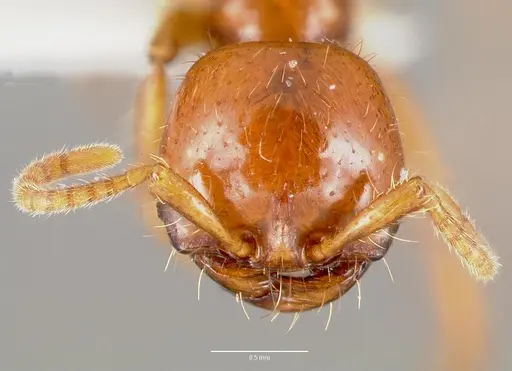
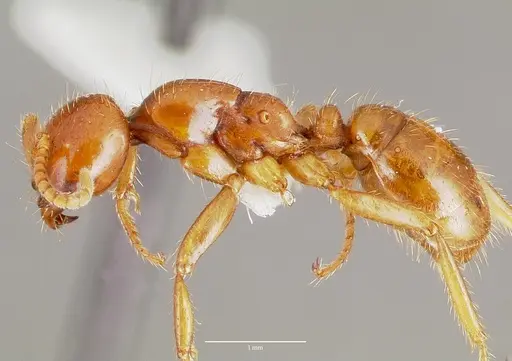
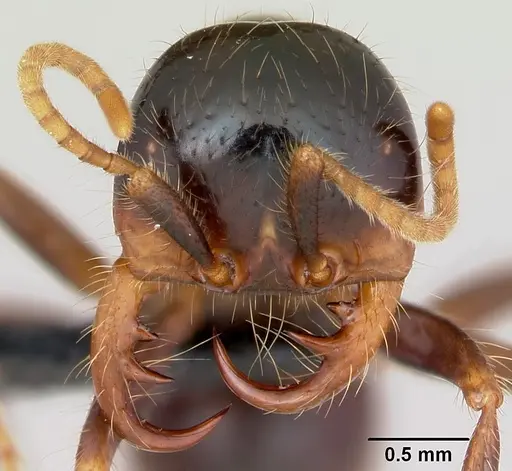
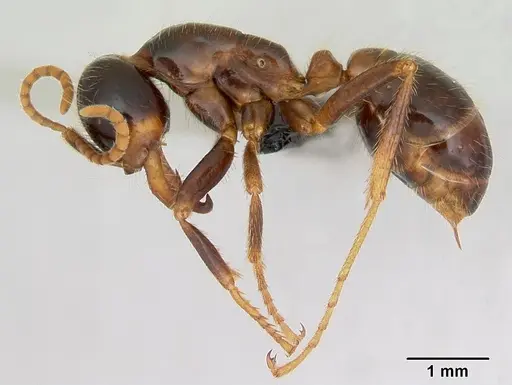
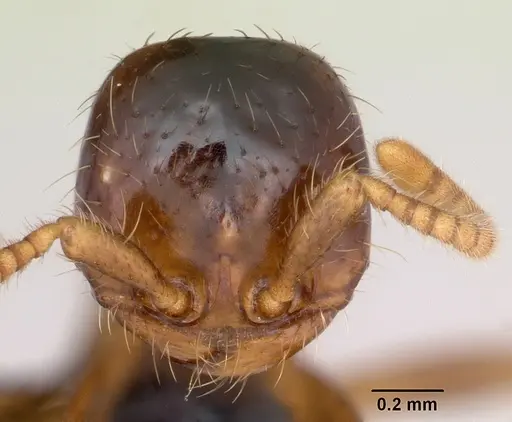
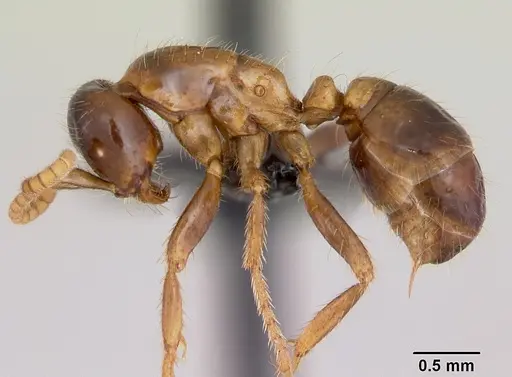
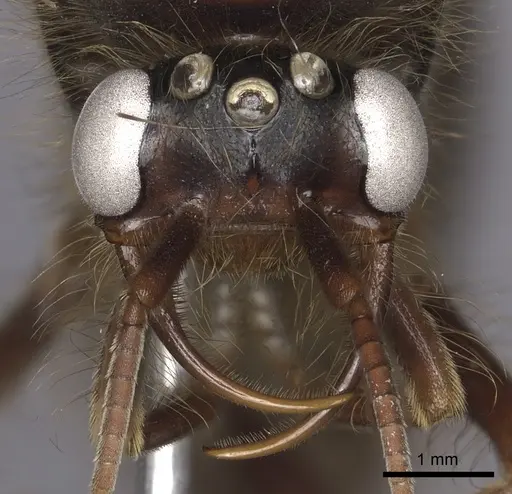
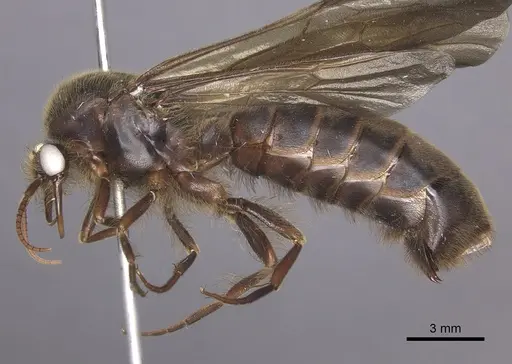
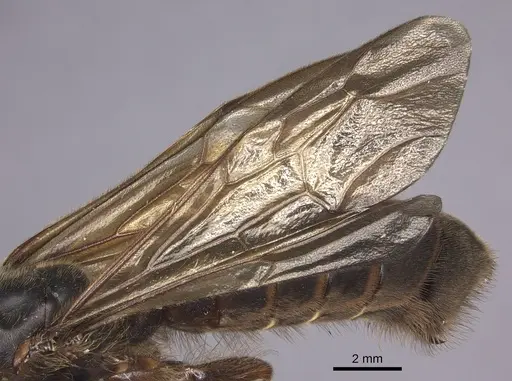
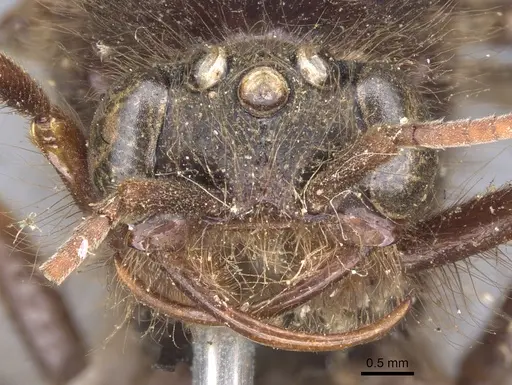
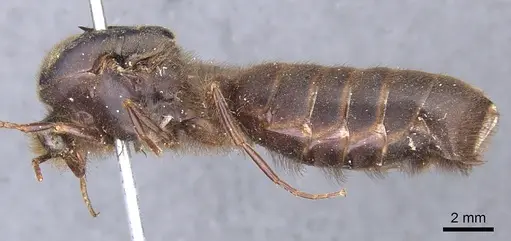
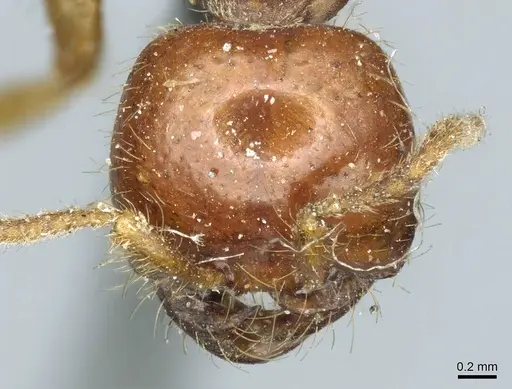
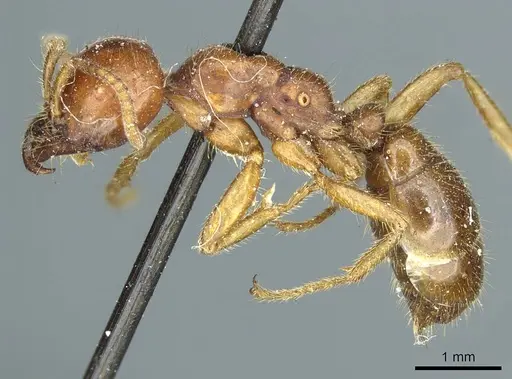
Cheliomyrmex morosus is a rare and primitive army ant species found throughout Central America and into northern South America. Workers are about 7mm long with a distinctive reddish-ferruginous body, smooth and shiny head and mesosoma, and a uniquely single-segmented petiole that sets them apart from all other New World army ants which have two segments [1][2]. They are completely eyeless, with large sharp teeth on their mandibles, and they forage underground in large columns [3][4]. This species is considered one of the most primitive army ants, retaining ancestral characteristics that have been lost in more derived genera like Eciton [5][6]. Their subterranean lifestyle makes them rarely encountered even in their native range.
Quick Summary
- Difficulty: Expert
- Origin & Habitat: Tropical rainforests of Central America (Mexico through Panama) and into northern South America. This is a hypogaeic species, it lives and forages underground in the soil, typically in the upper 15cm layer [7][8]. Found in lowland tropical forests from sea level to moderate elevations.
- Colony Type: Colony structure is not well documented. As an army ant, they likely form large colonies with a single queen, but this requires confirmation. The genus Cheliomyrmex is considered phylogenetically primitive among army ants.
- Size & Growth:
- Queen: Not documented in available research
- Worker: 7mm [1]
- Colony: Likely large (thousands) typical of army ants, but exact numbers unconfirmed
- Growth: Unknown, no development data available
- Development: Unknown, no direct studies on development timeline (No research available on egg-to-worker development. Based on typical army ant patterns, expect several weeks to months at tropical temperatures.)
- Antkeeping:
- Temperature: Keep at tropical temperatures around 24-28°C. This species is adapted to warm, humid lowland rainforests [9].
- Humidity: High humidity is essential, think damp forest floor conditions. Keep nest substrate consistently moist but not waterlogged.
- Diapause: No diapause expected, being a tropical species, they likely remain active year-round in stable conditions.
- Nesting: This is a subterranean species that naturally nests and forages in soil. They require a naturalistic setup with deep, moist substrate (at least 10-15cm) to allow their natural underground foraging behavior. Standard test tubes or shallow formicaria are NOT suitable.
- Behavior: Extremely cryptic and rarely observed. Workers forage in large columns underground, rarely emerging to the surface [4][8]. They are predatory like other army ants, but their underground lifestyle means they hunt soil-dwelling invertebrates rather than surface prey. They are not aggressive toward keepers but their specialized requirements make them challenging to keep. Escape risk is moderate, workers are 7mm so standard barriers work, but their subterranean nature means they will attempt to dig through any gaps.
- Common Issues: subterranean lifestyle makes them extremely difficult to observe and study in captivity, no available information on captive diet acceptance, unknown what they will eat, their underground foraging means standard feeding methods may fail, parasites (mermithid endoparasites) have been observed in wild colonies and could be present in wild-caught colonies [8], rare genus means no established husbandry knowledge in the antkeeping hobby
Understanding Cheliomyrmex morosus
Cheliomyrmex morosus is one of the rarest army ants in the world to encounter, despite its relatively wide distribution from Mexico to Panama [8]. What makes this species extraordinary is its primitive morphology, it has only one petiole segment (the 'waist' between the thorax and abdomen), while all other New World army ants have two segments [3][4]. Workers are completely eyeless, navigating their underground world through touch and chemical signals, and they possess large, sharp teeth on their mandibles for capturing prey [3]. The genus Cheliomyrmex is the sister taxon to all other New World army ant genera, meaning it represents an ancient lineage that split off early in army ant evolution [8]. Their subterranean (hypogaeic) lifestyle is believed to be the ancestral condition for army ants, with the surface-raiding behavior of genera like Eciton evolving later [8]. This makes C. morosus a living window into how army ants might have lived over 100 million years ago.
Natural History and Foraging Behavior
In the wild, Cheliomyrmex morosus lives almost entirely underground. They forage in large numbers forming columns through the soil, typically in the upper 15 centimeters where they hunt for soil-dwelling invertebrates [7][4]. Unlike their famous relatives like Eciton (the army ants most people know), they do not conduct dramatic surface raids. Instead, they move through the soil itself, emerging only occasionally. The only observed emigration (colony movement) in Panama showed workers carrying larvae beneath their bodies as they moved through a underground trail that broke through the soil surface [8]. The absence of prey items in this trail confirmed it was a colony migration, not a raid. Their diet consists of soil-dwelling invertebrates including other ants, but specific prey items have not been documented. The species has been collected using Winkler extractors from leaf litter and soil samples, indicating they sometimes forage in the leaf litter layer [4].
Housing and Nesting Requirements
This species is NOT suitable for standard ant keeping setups. They require a naturalistic setup with deep, moist substrate, at least 10-15cm deep to allow their natural underground foraging behavior [7]. A large terrarium-type enclosure with soil as the primary substrate is essential. The substrate should be kept consistently moist but never waterlogged, mimicking damp tropical forest floor conditions. Because they are eyeless and live underground, they do not need light, but normal room lighting is fine. Temperature should be maintained at 24-28°C using a heating mat if necessary. Ventilation must be adequate to prevent mold while maintaining humidity. Standard test tubes, acrylic nests, and Y-tong setups are completely unsuitable for this species, they cannot function in such shallow, artificial conditions. Only experienced antkeepers with naturalistic setups should attempt this species.
Feeding and Diet
The diet of Cheliomyrmex morosus in captivity is essentially unknown, no research or keeper observations exist. As an army ant, they are predatory and likely hunt soil-dwelling invertebrates including other ants, springtails, and small soil arthropods [4]. In captivity, you should offer a variety of small live prey items appropriate for subterranean ants: small live crickets, mealworms, other small insects, and possibly other ant colonies as prey. Given their underground lifestyle, they may be reluctant to take prey in open spaces, prey should be buried in the substrate to encourage natural hunting behavior. Sugar sources are unlikely to be accepted, army ants are primarily predatory. Feed conservatively and observe carefully, as this species has never been kept in captivity before. Success with feeding would be a significant contribution to antkeeping knowledge.
Challenges and Expert-Level Care
Cheliomyrmex morosus is an expert-only species that should only be attempted by very experienced antkeepers. The primary challenges are: (1) We have no captive husbandry information, everything would be experimental. (2) Their completely subterranean lifestyle makes them nearly impossible to observe in a standard setup. (3) They require deep, naturalistic enclosures that are difficult to maintain. (4) Their diet in captivity is completely unknown. (5) Wild-caught colonies may carry mermithid endoparasites that can kill colonies [8]. If you do acquire this species, document everything carefully, your observations would be valuable contributions to our knowledge. Do not expect to see your ants frequently, they will spend most of their time underground. This species is best appreciated as a scientific curiosity rather than a display ant. Given how rarely this species is encountered in the wild, even finding a colony to acquire would be extremely difficult.
Frequently Asked Questions
Can I keep Cheliomyrmex morosus in a test tube?
No. This species is completely unsuitable for test tubes or standard formicaria. They are subterranean army ants that require deep, moist naturalistic substrate (at least 10-15cm) to exhibit their natural underground foraging behavior. Standard setups will result in colony failure.
What do Cheliomyrmex morosus eat?
Their diet in captivity is completely unknown. As army ants, they are predatory on soil-dwelling invertebrates. Offer small live prey items buried in the substrate, small crickets, mealworms, other insects, and possibly other ant colonies. They are unlikely to accept sugar. This is entirely experimental.
How long does it take for Cheliomyrmex morosus to develop from egg to worker?
This has never been studied. No data exists on their development timeline. Based on typical army ant patterns at tropical temperatures (24-28°C), expect several weeks to months, but this is purely an estimate.
Are Cheliomyrmex morosus dangerous?
They have large sharp mandibles but being subterranean and rarely encountered, they pose minimal threat to keepers. They are not known to sting. However, as with any ant, they may bite if handled roughly.
Do Cheliomyrmex morosus need hibernation?
No. Being a tropical species from Central American rainforests, they do not require hibernation. Keep them at warm tropical temperatures (24-28°C) year-round.
Why are Cheliomyrmex morosus so rarely seen?
They are hypogaeic, they live and forage almost entirely underground in the soil, typically in the upper 15cm layer. They rarely come to the surface, making them extremely difficult to find even in their native range [7][8].
How big do Cheliomyrmex morosus colonies get?
Exact colony sizes are not documented, but as army ants, they likely form large colonies of thousands of workers. The only observed emigration showed hundreds of workers moving together [8].
Can beginners keep Cheliomyrmex morosus?
Absolutely not. This is an expert-only species. There is no captive husbandry information available, they require specialized naturalistic setups, their diet is unknown, and they are nearly impossible to observe. Only very experienced antkeepers with naturalistic setup capabilities should consider this species.
Where does Cheliomyrmex morosus live?
From Mexico through Panama, with records in Belize, Guatemala, Honduras, and into Colombia and French Guiana. They inhabit lowland tropical rainforests where they live and forage underground in the soil [10][11][8].
References

This caresheet is licensed under CC BY-SA 4.0 .
ANTWEB1008512
View on AntWeb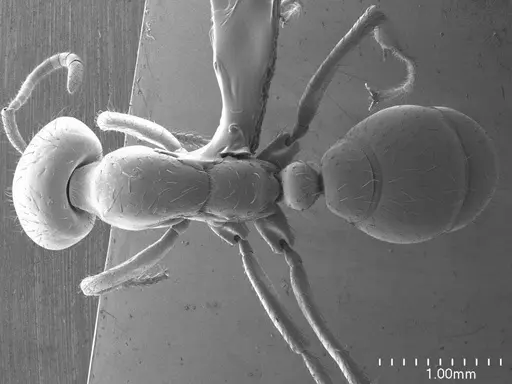
CASENT0003202
View on AntWeb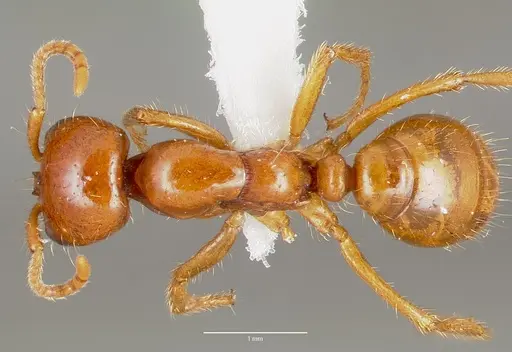
CASENT0007006
View on AntWeb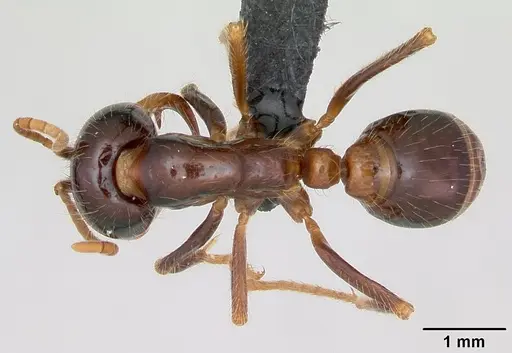
CASENT0103324
View on AntWeb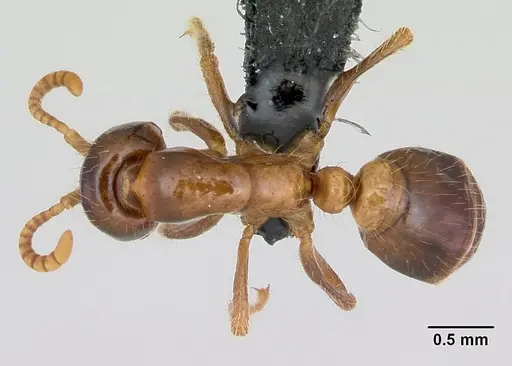
CASENT0609915
View on AntWeb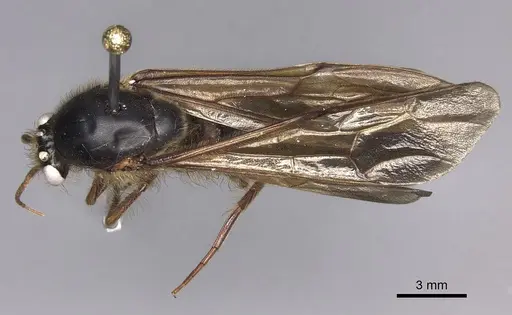
CASENT0902669
View on AntWeb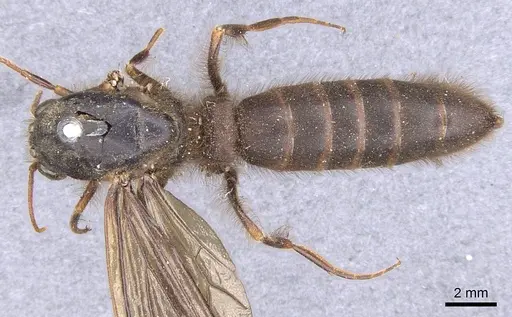
CASENT0915867
View on AntWeb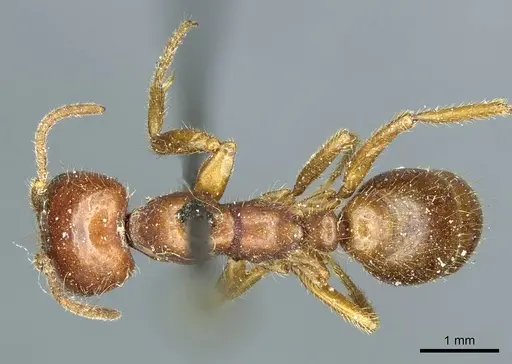
Literature
Loading...Loading products...