

Chelaner striatifrons
- Scientific Name
- Chelaner striatifrons
- Tribe
- Solenopsidini
- Subfamily
- Myrmicinae
- Author
- Heterick, 2001
- Distribution
- Found in 1 countries
Chelaner striatifrons Overview
Chelaner striatifrons is an ant species of the genus Chelaner. It is primarily documented in 1 countries , including Australia. Detailed taxonomic data and occurrence records can be further explored via authoritative databases such as AntWeb or the Global Biodiversity Information Facility (GBIF).
Chelaner striatifrons
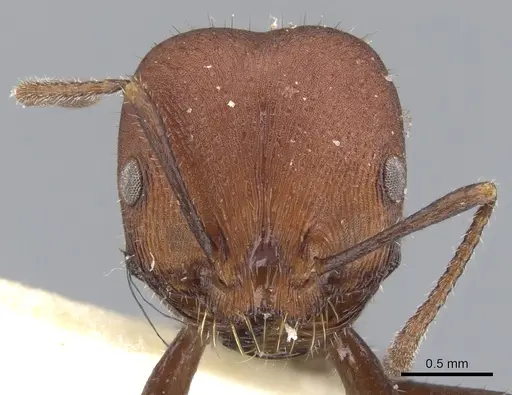
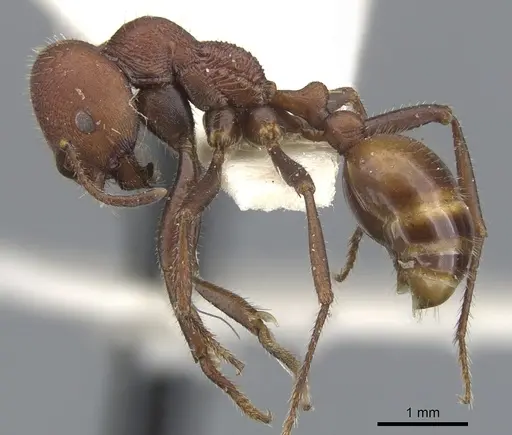
Chelaner striatifrons is a distinctive red to reddish-orange ant species native to the arid and semi-arid regions of Australia, particularly Western Australia, the Northern Territory, and South Australia. Workers are monomorphic (all the same size) and measure 4.3-5.2mm, making them a medium-sized ant in the Myrmicinae subfamily. The species gets its name from the Latin 'striatifrons' meaning 'striated forehead', a reference to the distinctive horizontal striations on its head. Queens are notably larger at 4.6-5.2mm and come in two forms: fully winged alates and brachypterous (short-winged) individuals. This species belongs to the bicorne species group and was formerly classified as Chelaner striatifrons before being transferred to the genus Chelaner in 2019.
Quick Summary
- Difficulty: Medium
- Origin & Habitat: Arid and semi-arid regions of Australia (NT, SA, WA), particularly the Eremaean region. Nests are found in soil in mallee habitats at low elevations (around 400ft). The species prefers dry, open habitats typical of inland Australia.
- Colony Type: Queen dimorphic species, colonies can have either fully winged alate queens or brachypterous (short-winged) queens. Workers are monomorphic. The presence of brachypterous queens suggests potential for colony reproduction without full nuptial flights.
- Colony: Monogyne
- Founding: Claustral
- Size & Growth:
- Queen: 4.6-5.2mm [1]
- Worker: 4.3-5.2mm [1]
- Colony: Unknown, likely moderate sized based on related species
- Growth: Moderate
- Development: Unknown, estimate 6-10 weeks based on related Monomorium species (Development time not directly studied, estimates based on genus-level data for similar Australian desert ants)
- Antkeeping:
- Temperature: Keep at 24-30°C, with a warm gradient. This species comes from arid Australian regions and prefers warmer conditions. A heating cable on one side of the nest creates appropriate temperature variation.
- Humidity: Low to moderate, dry to semi-arid conditions. Allow the nest to dry out between water additions. Avoid constant dampness.
- Diapause: Likely, Australian desert species typically require a brief winter rest period (6-8 weeks at 15-18°C).
- Nesting: Y-tong or plaster nests work well. Provide a dry to semi-dry nest environment. A small, simple nesting chamber mimics their natural soil nests.
- Behavior: Generally peaceful and non-aggressive. Workers are active foragers that search for food both on the ground and may climb. They are moderate escape risks due to their medium size, standard barrier methods (Fluon, talcum powder) work well. Workers likely show typical Myrmicinae behavior with moderate activity levels.
- Common Issues: colonies may fail if kept too humid, this is a desert species that prefers dry conditions, brachypterous queens may have difficulty dispersing, potentially leading to inbreeding in closed colonies, slow growth compared to tropical species may frustrate beginners expecting rapid development, wild-caught colonies may harbor parasites specific to Australian ants, test tube setups must be kept dry, excess moisture kills this species
Housing and Nest Preferences
Chelaner striatifrons does well in Y-tong (acrylic) nests or plaster nests that can maintain dry to semi-dry conditions. This is a desert-adapted species that does NOT tolerate constant moisture, keep the nest noticeably dry rather than damp. A small nesting chamber mimics their natural soil nests in the Australian outback. The species has been collected from mallee habitats with simple nest entrances, so avoid elaborate multi-chamber setups. For the outworld, a simple foraging area works fine. Escape prevention should include standard barriers like Fluon or talcum powder on smooth surfaces, these ants are medium-sized and can climb but are not exceptional escape artists. [1]
Feeding and Diet
Like other Chelaner and Monomorium species, these ants are omnivorous and will accept both protein and sugar sources. Offer sugar water, honey, or diluted nectar regularly as a carbohydrate source. For protein, provide small insects like fruit flies, small crickets, or mealworms. In the wild, they likely forage for small invertebrates and tend aphids for honeydew. Feed protein sources 2-3 times per week, and keep sugar water available at all times. Remove uneaten prey after 24-48 hours to prevent mold in the dry nest environment. [1]
Temperature and Seasonal Care
This species comes from the arid interior of Australia and prefers warm conditions. Maintain nest temperatures between 24-30°C, with a gentle gradient allowing workers to choose their preferred warmth. A heating cable placed on part of the nest works well, be sure to place it on top of the nest rather than underneath to avoid evaporating moisture too quickly. During winter (if your room temperature drops), provide a 6-8 week diapause period at 15-18°C to simulate Australian winter conditions. This species is adapted to extreme temperature variations between seasons in the desert, so they handle temperature swings better than many tropical species. [1]
Colony Structure and Queen Types
One of the most interesting aspects of Chelaner striatifrons is its queen dimorphism, colonies can have either fully winged alate queens or brachypterous (short-winged) queens. Brachypterous queens have reduced wings and cannot fly, which means they likely found new colonies locally rather than dispersing far. This is significant for antkeepers because it may allow for easier colony establishment and potentially less aggressive nuptial flight behaviors. Workers are monomorphic, meaning all workers are the same size, there are no major or minor worker castes. Expect colonies to grow moderately, reaching perhaps several hundred to a couple thousand workers at maturity.
Behavior and Temperament
Chelaner striatifrons workers are generally calm and not particularly aggressive. They go about their foraging activities methodically rather than rushing. Workers are active foragers that will search both the ground and vertical surfaces for food. While not as defensive as some Myrmicinae, they will defend their colony if threatened. Their medium size makes them manageable, they can be contained with standard barriers and won't squeeze through the tiny gaps that plague keepers of smaller species. The species shows typical ant behaviors: workers tend brood, forage for food, and maintain the nest. [1]
Frequently Asked Questions
How long does it take for Chelaner striatifrons to produce first workers?
Exact timing is unknown, but based on related Monomorium species, expect 6-10 weeks from founding to first workers (nanitics). This is a moderate growth rate, not as fast as tropical species but faster than some slow-growing desert ants.
Can I keep multiple queens together?
This species is queen dimorphic with both alate and brachypterous queens, but it appears to be primarily monogyne (single queen per colony). Combining unrelated queens is not recommended as it has not been documented and could lead to fighting.
What temperature should I keep Chelaner striatifrons at?
Keep nest temperatures between 24-30°C. They prefer warm, arid conditions similar to their Australian desert habitat. A heating cable on part of the nest creates a gradient they can choose from.
Do they need hibernation or diapause?
Yes, this Australian desert species likely requires a winter rest period. Provide 6-8 weeks at 15-18°C during winter months to simulate natural seasonal cycles.
How big do Chelaner striatifrons colonies get?
Colony size is not well documented, but based on related species, expect moderate colonies of several hundred to perhaps 1000-2000 workers at full maturity.
What do Chelaner striatifrons eat?
They are omnivorous. Offer sugar water or honey regularly, and protein sources like small insects (fruit flies, small mealworms) 2-3 times per week.
Are Chelaner striatifrons good for beginners?
They are rated as medium difficulty. They are more forgiving of temperature variations than tropical species but require attention to humidity, keep them dry, not damp. Their moderate size makes them easier to house than tiny species.
When should I move them to a formicarium?
Move from test tube to a proper nest (Y-tong or plaster) once the colony reaches 20-30 workers and the test tube is becoming crowded. Ensure the new nest can maintain dry conditions.
Why are my Chelaner striatifrons dying?
The most common cause is excessive humidity, this is a desert species that dies in damp conditions. Ensure the nest is dry, not misted frequently. Also check temperature is in the 24-30°C range.
References

This caresheet is licensed under CC BY-SA 4.0 .
CASENT0902325
View on AntWeb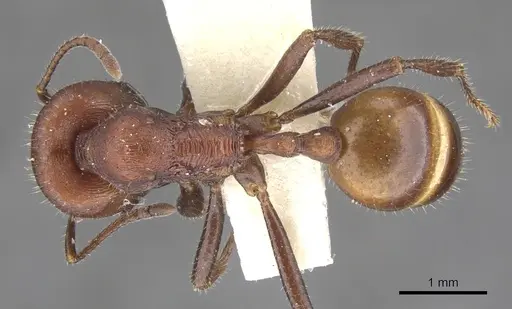
Literature
Loading...Loading products...