

Chelaner smithii
- Scientific Name
- Chelaner smithii
- Tribe
- Solenopsidini
- Subfamily
- Myrmicinae
- Author
- Forel, 1892
- Distribution
- Found in 1 countries
Chelaner smithii Overview
Chelaner smithii is an ant species of the genus Chelaner. It is primarily documented in 1 countries , including New Zealand. Detailed taxonomic data and occurrence records can be further explored via authoritative databases such as AntWeb or the Global Biodiversity Information Facility (GBIF).
Chelaner smithii
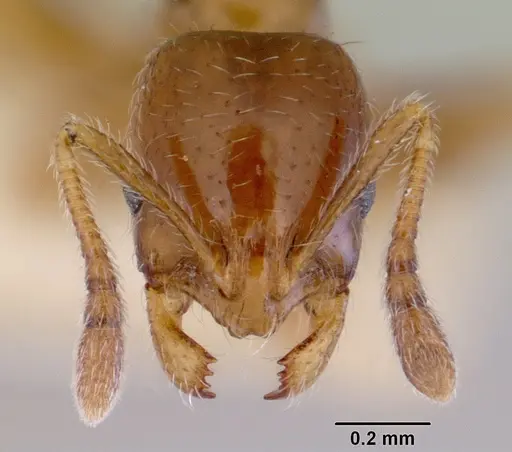
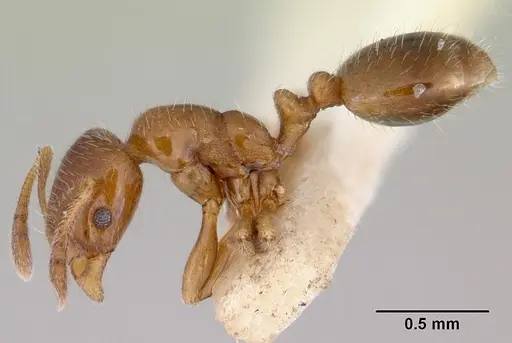
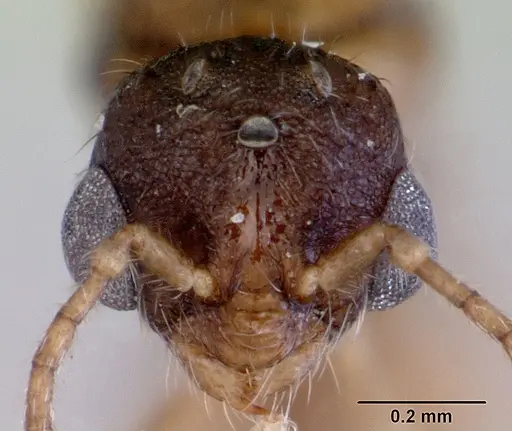
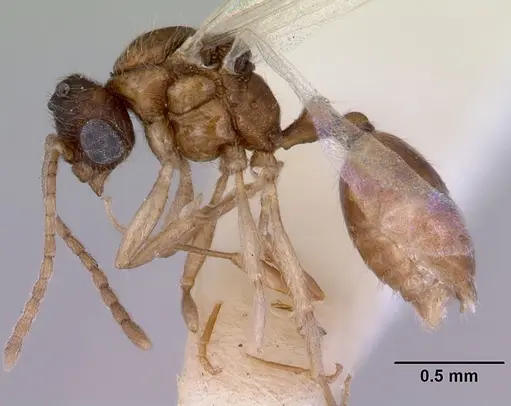
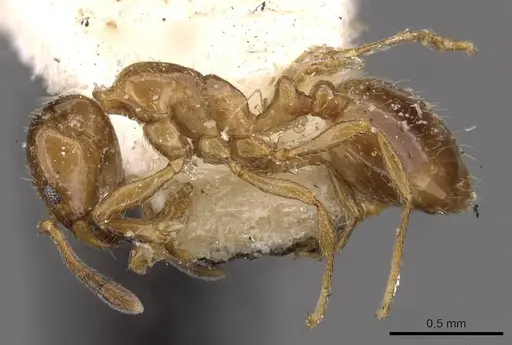
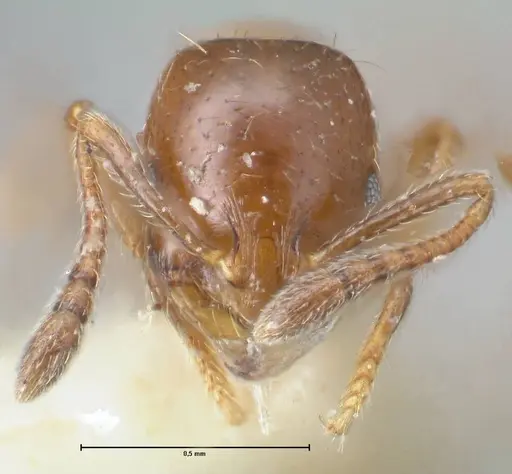
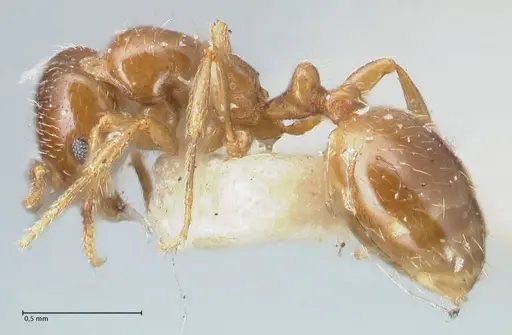
Chelaner smithii is a small, dark ant species endemic to New Zealand. Workers are typically 3-5mm in length with a dark brown to black coloration. The species was originally described as Chelaner smithii in 1892 by Forel and was recently reclassified into the genus Chelaner based on genetic analysis [1]. This ant belongs to the Myrmicinae subfamily and is closely related to Chelaner antarcticus [2]. As a New Zealand endemic, this species has evolved in isolation and represents part of the unique ant fauna of the region.
Quick Summary
- Difficulty: Medium
- Origin & Habitat: New Zealand, specifically found in the Ashburton region of New Zealand's South Island [3]. As a temperate Southern Hemisphere species, it likely inhabits forest floor and grassland environments, though specific habitat preferences are poorly documented.
- Colony Type: Likely single-queen colonies (monogyne) based on typical Monomorium patterns, though colony structure has not been directly studied.
- Colony: Monogyne
- Founding: Claustral
- Size & Growth:
- Queen: Estimated 5-7mm based on related Monomorium species [3]
- Worker: 3-5mm [3]
- Colony: Likely small to moderate colonies of several hundred workers based on genus patterns
- Growth: Moderate, estimated based on related species
- Development: Estimated 6-10 weeks at optimal temperature based on related Monomorium species (Development time is estimated from related species, specific data for C. smithii is unavailable)
- Antkeeping:
- Temperature: Keep at room temperature around 18-24°C. As a New Zealand temperate species, they can tolerate cooler conditions than tropical ants. A slight temperature gradient allows workers to regulate their own conditions.
- Humidity: Moderate humidity around 50-70%. These ants likely prefer moderately damp nest conditions typical of forest floor species. Keep the nest substrate moist but not waterlogged.
- Diapause: Yes, as a New Zealand temperate species, they likely require a winter rest period during the colder months (roughly May-August in the Southern Hemisphere). Reduce temperatures to around 10-15°C during this period.
- Nesting: Ground-nesting species that likely prefers soil-based nests. In captivity, a test tube setup works well for founding colonies, transitioning to a Y-tong or plaster nest as the colony grows. They do well with a moisture source connected to the nest.
- Behavior: Workers are active foragers that likely search for food both on the ground and on low vegetation. Based on related species, they are not particularly aggressive but will defend their nest. They have a stinger but due to their small size, it rarely penetrates human skin. Escape prevention is important as they are small enough to fit through standard mesh, use fine mesh or fluon barriers.
- Common Issues: limited biological data means care is largely estimated from related species, small size requires fine mesh barriers to prevent escapes, winter diapause is required but specific timing is uncertain for captive colonies, wild-caught colonies may carry parasites not well-documented for this species, slow growth can lead to keeper impatience and overfeeding
Origin and Distribution
Chelaner smithii is endemic to New Zealand, meaning it is found nowhere else in the world. The type locality is Ashburton on New Zealand's South Island [3]. This species represents part of New Zealand's unique invertebrate fauna, which evolved in isolation due to the country's geographic isolation. The species was originally described as Chelaner smithii in 1892 and was reclassified into the genus Chelaner in 2019 following genetic analysis that clarified its evolutionary relationships [1]. It has a close evolutionary relationship with Chelaner antarcticus, another New Zealand endemic species [2].
Housing and Nesting
For founding colonies, a standard test tube setup works well. Fill the test tube with water and plug the open end with cotton wool, this provides humidity while giving the queen a secure chamber. Place the test tube in a dark, quiet location and avoid disturbing the queen during the founding stage. Once the first workers (nanitics) emerge, you can begin offering small amounts of food in an outworld area. As the colony grows to 20-30 workers, consider moving to a proper formicarium. A Y-tong (acrylic) nest or plaster nest with a water reservoir works well for this species. The nest should have chambers scaled to their small size, tight spaces help them feel secure. Include a connection to an outworld area for foraging.
Feeding and Diet
Like most Myrmicinae ants, Chelaner smithii is likely omnivorous. Offer a varied diet including protein sources (small insects like fruit flies, pinhead crickets, or mealworms) and carbohydrates (sugar water, honey, or diluted honey). In the wild, they likely forage for honeydew from aphids and small invertebrates. Feed protein roughly twice weekly, removing any uneaten prey after 24 hours. Keep a constant supply of sugar water or honey available. Fresh water should always be accessible. Adjust feeding frequency based on colony size and consumption rates, smaller colonies need less food.
Temperature and Seasonal Care
As a temperate species from New Zealand's South Island, Chelaner smithii prefers cooler temperatures than many tropical ant species. Keep the nest area at room temperature, ideally between 18-24°C. They can tolerate brief temperature fluctuations and cooler conditions better than overheating. A heating cable on one side of the nest can create a temperature gradient, allowing workers to move between warmer and cooler areas as needed. During the Southern Hemisphere winter (roughly May to August), the colony will benefit from a cooler period with temperatures around 10-15°C. This winter rest period mimics their natural seasonal cycle and helps maintain colony health long-term.
Colony Development
The queen lays eggs after mating, and these eggs develop through larval and pupal stages before emerging as workers. Based on related Monomorium species, expect the first workers (nanitics) to emerge approximately 6-10 weeks after the eggs are laid, depending on temperature. Nanitics are typically smaller than mature workers and are produced solely to help the queen establish the colony. Once workers emerge, the queen stops caring for brood directly, workers take over all colony maintenance, foraging, and brood care. Colony growth is initially slow but accelerates as the worker population increases. A mature colony may contain several hundred workers. The exact colony size and development timeline for this specific species has not been documented in scientific literature.
Behavior and Temperament
Workers are active foragers that search for food in the surrounding environment. They are not particularly aggressive toward humans but will defend their nest if threatened. Like most small Myrmicinae, they possess a stinger, though due to their tiny size it rarely penetrates human skin and the sting is mild if anything. Workers communicate using chemical trails and will recruit nestmates to good food sources. This species is not known for any particularly unusual behaviors, they follow typical ant patterns of foraging, brood care, and colony defense. Their small size means they can squeeze through small gaps, so escape prevention is important. Use fine mesh (at least 0.5mm) or apply fluon to the edges of any opening to keep them contained.
Frequently Asked Questions
How long does it take for Chelaner smithii to produce first workers?
Based on related Monomorium species, expect 6-10 weeks from egg to first worker at room temperature. This is an estimate as specific development data for this species is not available.
Do Chelaner smithii ants need hibernation?
Yes, as a New Zealand temperate species, they likely require a winter rest period. Reduce temperatures to around 10-15°C for several months during winter (May-August in the Southern Hemisphere).
What do Chelaner smithii ants eat?
They are omnivorous. Offer small insects (fruit flies, pinhead crickets, mealworms) for protein and sugar water or honey for carbohydrates. Keep fresh water available at all times.
Are Chelaner smithii good for beginners?
They are moderate difficulty. The main challenge is that biological data is limited, so care is largely based on related species. They are forgiving of temperature variations but require proper escape prevention due to their small size.
How big do Chelaner smithii colonies get?
Based on related species, colonies likely reach several hundred workers. The exact maximum size is not documented in scientific literature.
Do Chelaner smithii ants sting?
They have a stinger but due to their small size (3-5mm), it rarely penetrates human skin. Any sting would be mild.
Can I keep multiple Chelaner smithii queens together?
This has not been studied for this species. Based on typical Monomorium patterns, they likely form single-queen colonies. It is not recommended to combine unrelated queens.
What temperature is best for Chelaner smithii?
Keep them at room temperature, ideally 18-24°C. They prefer cooler conditions than many tropical ants and can tolerate temperatures down to around 10°C during winter rest.
When should I move Chelaner smithii to a formicarium?
Move them once the colony reaches 20-30 workers. A test tube is fine for founding and early growth, but a proper nest with chambers and an outworld is needed as the colony expands.
Is Chelaner smithii invasive anywhere?
No. This species is endemic to New Zealand, meaning it is naturally found only there and is not considered invasive.
References

This caresheet is licensed under CC BY-SA 4.0 .
CASENT0172357
View on AntWeb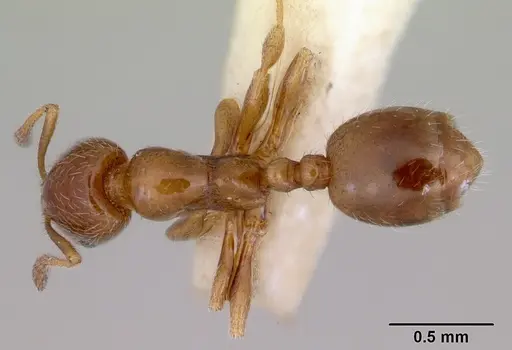
CASENT0172358
View on AntWeb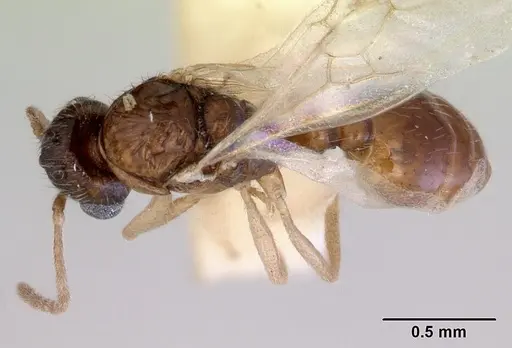
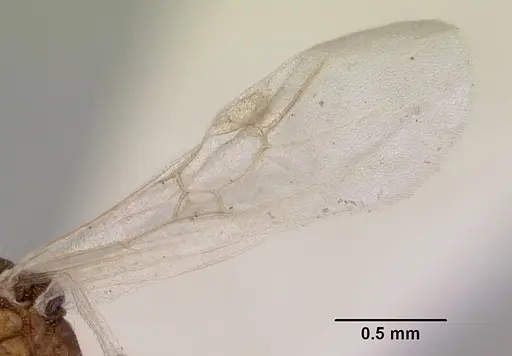
CASENT0902275
View on AntWeb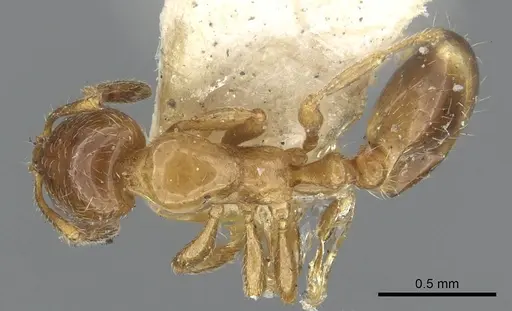
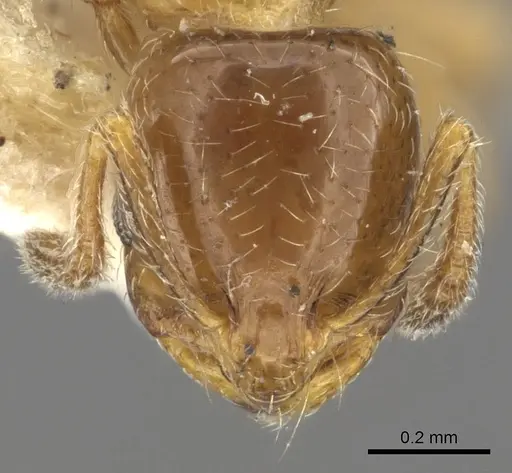
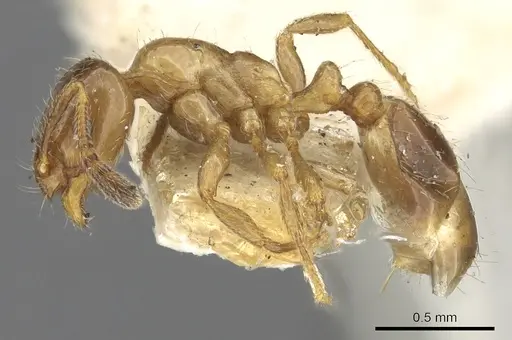
CASENT0908681
View on AntWeb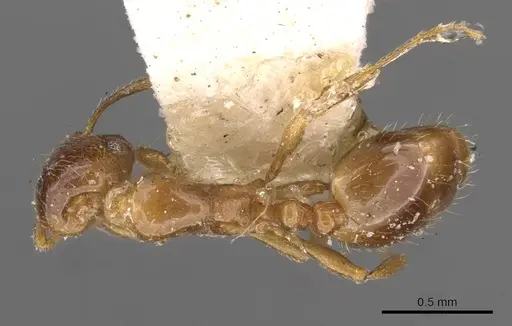
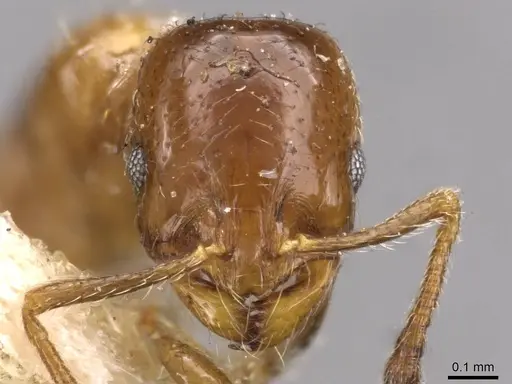
FOCOL1707-1
View on AntWeb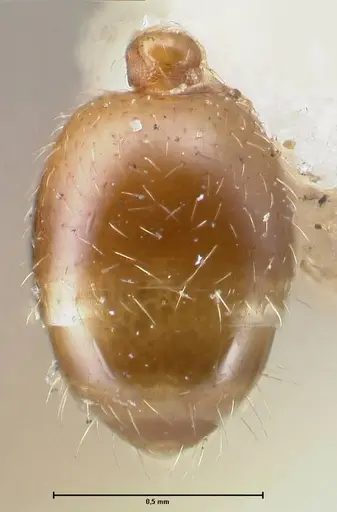
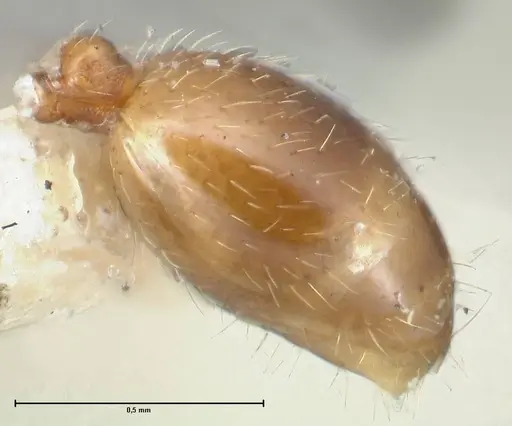
FOCOL1707-2
View on AntWeb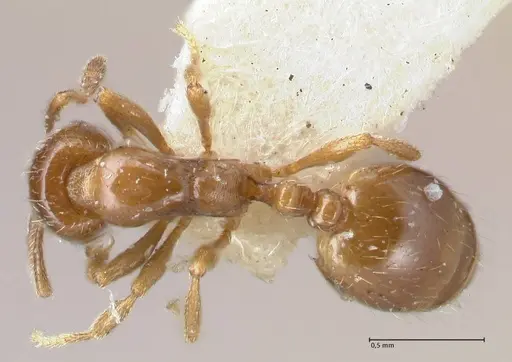
Literature
Loading...Loading products...