

Chelaner shattucki
- Scientific Name
- Chelaner shattucki
- Tribe
- Solenopsidini
- Subfamily
- Myrmicinae
- Author
- Heterick, 2001
- Distribution
- Found in 1 countries
Chelaner shattucki Overview
Chelaner shattucki is an ant species of the genus Chelaner. It is primarily documented in 1 countries , including Australia. Detailed taxonomic data and occurrence records can be further explored via authoritative databases such as AntWeb or the Global Biodiversity Information Facility (GBIF).
Chelaner shattucki
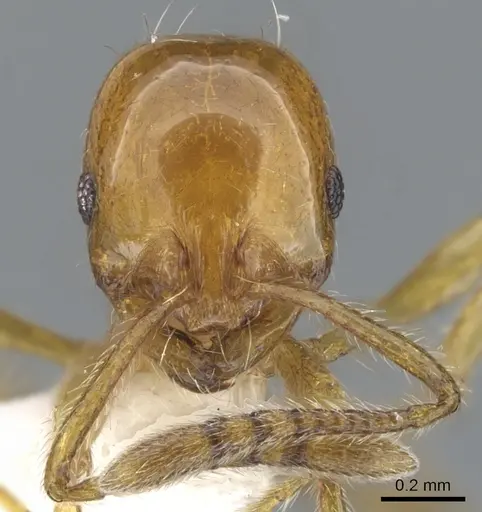
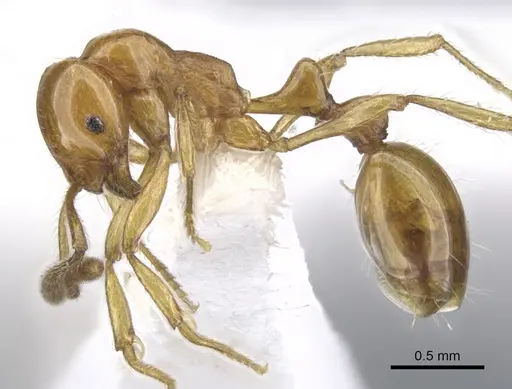
Chelaner shattucki is a small ant species native to Australia, originally described as Chelaner shattucki before being transferred to the resurrected genus Chelaner in 2019 [1]. Workers are typical of the genus, small, with 12-segmented antennae and a palpal formula of 2,2,placing them among the smaller Australian ants [1]. The species shows strong morphological similarities to Chelaner kiliani, another Australian species in this group [1]. As a recently reclassified species, captive care information is limited, but it can be approached using general Monomorium and Chelaner husbandry practices.
Quick Summary
- Difficulty: Medium
- Origin & Habitat: Australia, specific distribution within Australia is not well-documented in available research [1][2]
- Colony Type: Single-queen (monogyne) colonies are typical for this genus group. Chelaner species generally follow Monomorium patterns with one queen per colony.
- Colony: Monogyne
- Founding: Claustral
- Size & Growth:
- Queen: Estimated 5-7mm based on related Monomorium species in Australia
- Worker: Estimated 2-4mm based on genus typical size range
- Colony: Likely several hundred workers based on related species patterns
- Growth: Moderate, typical for small Myrmicinae ants
- Development: Estimated 6-10 weeks at optimal temperature based on Monomorium genus patterns (Development time inferred from related Australian Monomorium species. Temperature around 22-26°C likely optimal.)
- Antkeeping:
- Temperature: Keep at 22-26°C. Australian species generally tolerate moderate temperatures. A slight gradient allows workers to self-regulate.
- Humidity: Moderate humidity preferred. Keep nest substrate lightly moist but not waterlogged. Allow some drying between waterings.
- Diapause: Unknown for this specific species. Many Australian ants reduce activity in cooler months but true hibernation is uncommon in their range.
- Nesting: Likely soil-nesting or under stones like related Monomorium. A test tube setup works well for founding colonies, mature colonies can be kept in Y-tong or plaster nests with compact chambers.
- Behavior: Likely generalist foragers, similar to other Monomorium species. They probably scavenge and collect honeydew from aphids, plus small insects. Workers are small but active. Escape prevention should be taken seriously due to their tiny size, fine mesh barriers are essential. Temperament is likely docile, not aggressive toward keepers.
- Common Issues: tiny size makes escape likely without fine mesh barriers, limited species-specific care information requires careful observation, slow founding phase may lead to overhandling by impatient keepers, wild-caught colonies may carry parasites
Species Background and Taxonomy
Chelaner shattucki was originally described as Chelaner shattucki in 2001 before being transferred to the genus Chelaner in 2019 when a phylogenetic study reorganized Australian Monomorium species [1]. The genus Chelaner was originally described by Emery in 1914 but fell out of use before being resurrected. The species name shattucki is an eponym, meaning it was named after a person named Shattuck [2]. This ant bears strong morphological similarities to Chelaner kiliani, another Australian species in this group [1]. The genus Chelaner is now recognized as distinct from Monomorium based on genetic analysis.
Housing and Nest Setup
For founding colonies, a simple test tube setup works well. Fill the tube one-third with water and plug the open end with cotton, this creates a humid chamber that queens can seal themselves into. The claustral founding method means the queen will not leave to forage, so she needs no food during this phase. Once workers emerge (nanitics will be small), you can transition to a small formicarium. For mature colonies, Y-tong nests or plaster nests with appropriately scaled chambers work well. The chambers should be compact, these are small ants that prefer tight spaces. Include a water tube for humidity and a small outworld for foraging.
Feeding and Diet
Like related Monomorium species, Chelaner shattucki is likely an omnivore. Offer sugar water or honey as an energy source, this should be available constantly once workers emerge. For protein, small insects like fruit flies, pinhead crickets, or mealworm pieces work well. They likely also collect honeydew from aphids in the wild, so offering a sugar source mimics this. Feed protein every few days, removing uneaten prey to prevent mold. Young colonies should receive smaller prey items they can manage.
Temperature and Seasonal Care
Maintain temperatures around 22-26°C. Australian ants are generally adaptable to moderate warmth. A heating cable on one side of the nest creates a temperature gradient, allowing workers to move between warmer and cooler areas as needed. Room temperature in the low-to-mid 20s°C is often suitable. Regarding diapause or winter rest, specific data is not available for this species. Many Australian ants reduce activity during cooler months but do not require true hibernation. If your room temperature drops significantly in winter, you may see reduced activity, but do not force cold hibernation unless you observe clear dormancy patterns.
Colony Development and Growth
The queen will seal herself into a chamber and remain there while laying eggs and raising the first brood. This claustral founding relies on her stored fat reserves, do not offer food during this phase. First workers (nanitics) will be smaller than mature workers. Growth rate is moderate, expect 6-10 weeks from egg to first worker based on related Monomorium species. After workers emerge, the colony will grow steadily as more brood develops. Small Myrmicinae colonies often grow slowly at first, then accelerate once the worker force reaches 20-30 individuals. Be patient during founding, disturbing the queen or moving the nest during this critical period often leads to colony failure.
Frequently Asked Questions
How long does it take for Chelaner shattucki to produce first workers?
Expect 6-10 weeks from egg to first worker at room temperature (22-26°C). This is estimated from related Monomorium species patterns since specific development data is not available for this species.
What do Chelaner shattucki ants eat?
They are omnivores like their Monomorium relatives. Offer sugar water or honey constantly for energy, and protein sources like small insects (fruit flies, pinhead crickets, mealworm pieces) several times per week.
Can I keep multiple Chelaner shattucki queens together?
This species is likely monogyne (single queen per colony) based on genus patterns. Combining unrelated queens is not recommended and likely results in fighting. Only keep one queen per colony.
What temperature do Chelaner shattucki ants need?
Keep them at 22-26°C. A simple approach is room temperature if your home is in this range. A heating cable on part of the nest can create a gradient if needed.
Are Chelaner shattucki good for beginners?
They are rated Medium difficulty. The main challenges are their small size (escape prevention is critical) and limited species-specific care information. If you have experience with other small Myrmicinae like Monomorium or Solenopsis, this species should be manageable.
How big do Chelaner shattucki colonies get?
Based on related species, colonies likely reach several hundred workers. They are not among the largest ants, but a healthy colony should be visually impressive.
Do Chelaner shattucki need hibernation?
Diapause requirements are unknown for this specific species. Australian ants generally do not require true hibernation. If kept at normal room temperature year-round, they should continue activity through winter.
When should I move Chelaner shattucki from a test tube to a formicarium?
Move them once the colony reaches 20-30 workers and the test tube shows signs of stress (condensation buildup, mold, or workers avoiding the humid end). A small Y-tong or plaster nest works well for the transition.
Why are my Chelaner shattucki dying during founding?
Founding colonies are sensitive to disturbance. Common causes include: moving the nest too often, too much vibration, inadequate humidity (but not waterlogging), or attempting to feed the queen before workers emerge. Ensure the queen has sealed herself in a quiet, dark location and is not disturbed.
References

This caresheet is licensed under CC BY-SA 4.0 .
CASENT0902322
View on AntWeb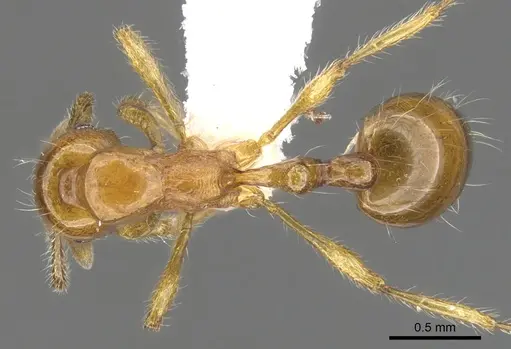
Literature
Loading...Loading products...