

Chelaner sculpturatus
- Scientific Name
- Chelaner sculpturatus
- Tribe
- Solenopsidini
- Subfamily
- Myrmicinae
- Author
- Clark, 1934
- Distribution
- Found in 1 countries
Chelaner sculpturatus Overview
Chelaner sculpturatus is an ant species of the genus Chelaner. It is primarily documented in 1 countries , including Australia. Detailed taxonomic data and occurrence records can be further explored via authoritative databases such as AntWeb or the Global Biodiversity Information Facility (GBIF).
Chelaner sculpturatus
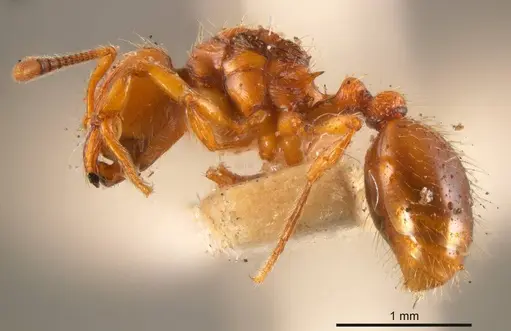
Chelaner sculpturatus is a small to medium-sized ant native to the moist forests along Australia's east coast, ranging from the Armidale plateau in New South Wales down to Tasmania. Workers measure 1.83-2.30mm and have an amber to russet coloration, while queens are larger at 2.43-2.79mm and appear orange with lighter appendages. The species is easily recognized by its distinctive long propodeal spines, which set it apart from other Australian Chelaner species. These ants are cryptic foragers, typically found foraging in moss, leaf litter, and within rotten logs where they hunt small prey. As a member of the rubriceps species group, this ant is part of the C. leae species-complex and shows interesting morphological variation including the presence of ergatoid (wingless) queen intercastes.
Quick Summary
- Difficulty: Medium
- Origin & Habitat: Moist forests along the east coast of Australia, from the Armidale plateau in New South Wales to Tasmania. They are cryptic foragers found in moss, leaf litter, and rotten logs [1][2].
- Colony Type: Colony structure is not fully documented. Ergatoid (wingless) queen intercastes have been observed, which may serve as replacement reproductives. The related Monomorium sp. AZ-02 shows queen dimorphism with both alate queens and ergatoid/worker-queen intercastes [3].
- Size & Growth:
- Queen: 2.43-2.79mm [1]
- Worker: 1.83-2.30mm [1]
- Colony: Unknown, not documented in available research
- Growth: Unknown, no development data available
- Development: Unknown, no direct measurements. Based on typical Myrmicinae patterns from related species, estimate 6-10 weeks at optimal temperature. (Development timeline has not been directly studied. Related Monomorium species suggest moderate growth rates.)
- Antkeeping:
- Temperature: Keep around 20-24°C. As a forest-dwelling species from temperate Australia (including Tasmania), they likely prefer cooler conditions than tropical ants. A gentle gradient allowing them to choose their preferred temperature works best.
- Humidity: High humidity is essential, these ants live in moist forest floor microhabitats. Keep the nest substrate consistently damp but not waterlogged. Provide a moisture gradient so workers can self-regulate.
- Diapause: Likely yes. Being from Tasmania and the cooler regions of southeastern Australia, they almost certainly require a winter rest period. Reduce temperature to around 10-15°C for 2-3 months during winter.
- Nesting: These ants naturally nest in rotting wood, moss, and leaf litter. In captivity, they do well in Y-tong nests, plaster nests with moisture reservoirs, or naturalistic setups with damp substrate. Tight chambers scaled to their small size are preferred.
- Behavior: These are shy, cryptic ants that prefer to forage in hidden spaces rather than out in the open. They are predatory on small arthropods and likely accept sugar sources. Workers are small (under 3mm) so escape prevention must be excellent, they can easily slip through standard gaps. They are not aggressive and will flee rather than engage threats. Their small size and cryptic nature make them fascinating to observe but require careful setup to thrive.
- Common Issues: escape prevention is critical due to their tiny size, use fine mesh and tight-fitting lids, high humidity requirements can lead to mold problems if ventilation is poor, slow growth may cause keepers to overfeed or disturb the colony unnecessarily, winter diapause is essential but improper cooling can kill colonies, wild-caught colonies may contain parasites that affect survival in captivity
Natural History and Distribution
Chelaner sculpturatus inhabits the moist forests along Australia's east coast, from the Armidale plateau in New South Wales down to Tasmania. This distribution includes some of the cooler temperate regions of Australia, which influences their temperature and seasonal requirements. They are cryptic foragers, meaning they prefer to stay hidden within their environment rather than foraging openly. In the wild, you will find them in moss, leaf litter, and within rotting logs, essentially the moist microhabitats found in forest understories. The species was originally described as Chelaner sculpturatus by Clark in 1934,but was later transferred to the genus Chelaner. The specific name was corrected from sculpturatum to sculpturatus in 2025 due to mandatory gender agreement when combining with the masculine genus name Chelaner [4][1].
Identification and Morphology
This species is distinctive within the Australian Chelaner genus due to its unusually long propodeal spines, these are the pointed processes extending from the rear of the ant's body. Workers measure 1.83-2.30mm in total length and have an amber to russet coloration on the head, alitrunk, petiole, postpetiole, and gaster, with tawny yellow legs and mandibles. Queens are larger at 2.43-2.79mm and appear orange with lighter appendages. The worker caste is monomorphic, meaning all workers are the same size and form. An interesting morphological feature is the presence of ergatoid (wingless) queen intercastes, these are individuals that are intermediate between workers and queens and may serve as replacement reproductives if the primary queen dies [3][1].
Housing and Nest Setup
Because these ants naturally live in rotting wood and moist leaf litter, they do best in setups that replicate these conditions. A Y-tong (acrylic) nest with moisture chambers works well, as does a plaster nest with a built-in water reservoir. naturalistic setups with damp soil substrate and pieces of rotting wood can also work, though they make observation more difficult. The nest should have chambers scaled appropriately for their small size, workers are under 2.5mm so tight, narrow passages are appropriate. Maintain high humidity within the nest while providing good ventilation to prevent mold. A moisture gradient allows the colony to self-regulate their conditions. The outworld can be a standard foraging area, but ensure any gaps are sealed with fine mesh since their tiny size makes them excellent escape artists.
Feeding and Diet
As predatory ants that hunt small arthropods in nature, they should be fed small live prey such as fruit flies, springtails, or tiny crickets. Protein-rich foods like small mealworms or bloodworms can also be offered. While their exact sugar preferences are not documented, most Myrmicinae ants will accept sugar water or honey occasionally. Feed them small prey items 2-3 times per week, removing any uneaten food after 24 hours. A constant sugar water or honey water source can be provided but is not strictly required if they are getting enough protein. Observe your colony's preferences and adjust feeding accordingly, if they ignore certain foods, try alternatives.
Temperature and Seasonal Care
Being from the cooler temperate forests of southeastern Australia (including Tasmania), these ants prefer temperatures in the range of 20-24°C. Avoid overheating them, they are not tropical ants and excessive heat can be harmful. Room temperature within this range is often suitable. During winter, they require a diapause period of 2-3 months with reduced temperatures around 10-15°C. This simulates their natural seasonal cycle in Tasmania and the southern parts of their range. Gradually reduce temperatures in autumn to prepare them for winter rest. Do not feed them during diapause and keep disturbance to a minimum. Come spring, slowly warm them back to their active temperature range.
Frequently Asked Questions
How long does it take for Chelaner sculpturatus to produce first workers?
The exact development timeline has not been documented for this species. Based on typical Myrmicinae patterns from related species, expect around 6-10 weeks from egg to first worker at optimal temperature (around 22°C). Patience is key as this species appears to grow at a moderate rate.
Can I keep multiple queens together?
The colony structure of this species has not been directly studied. The presence of ergatoid queen intercastes suggests they may have replacement reproductives, but this is different from multiple founding queens. Until more is known, it is best to start with a single queen colony.
What size colony does Chelaner sculpturatus reach?
Colony size data is not available in the scientific literature. Based on their small worker size and cryptic lifestyle, colonies are likely modest, probably under a few hundred workers at maturity.
Do Chelaner sculpturatus need hibernation?
Yes, almost certainly. Being found in Tasmania and the cooler regions of southeastern Australia, they require a winter rest period. Reduce temperatures to around 10-15°C for 2-3 months during winter. This is essential for their long-term health and seasonal cycle.
Are Chelaner sculpturatus good for beginners?
This species is rated as medium difficulty. While not the most challenging ant to keep, their specific humidity requirements, need for winter diapause, and small size make them better suited for keepers who already have some experience with ant keeping. Their cryptic nature also means you won't see as much activity as with larger, more visible species.
What should I feed Chelaner sculpturatus?
Feed them small live prey such as fruit flies, springtails, or tiny crickets. Small mealworms and bloodworms are also accepted. They are predatory by nature, so protein is essential. Occasional sugar water or honey can be offered but is not strictly required.
When should I move Chelaner sculpturatus to a formicarium?
You can keep them in a test tube setup for the founding stage. Once the colony reaches 20-30 workers and you see they are active and healthy, you can move them to a proper nest. However, given their small size and moisture requirements, they may do better in a Y-tong or plaster nest from the start if you can maintain proper humidity.
Why are my Chelaner sculpturatus escaping?
Their tiny size (workers under 2.5mm) means they can squeeze through incredibly small gaps. Use fine mesh (at least 0.5mm) on all openings, ensure lids fit tightly, and check for any tiny gaps around tubing connections. Escape prevention must be excellent for this species.
What is the best humidity level for Chelaner sculpturatus?
Keep the nest substrate consistently moist but not waterlogged. These ants naturally live in damp forest floor environments. The substrate should feel damp to the touch. Provide a moisture gradient so workers can choose their preferred humidity level. Good ventilation is also important to prevent mold.
References

This caresheet is licensed under CC BY-SA 4.0 .
ANTWEB1008206
View on AntWeb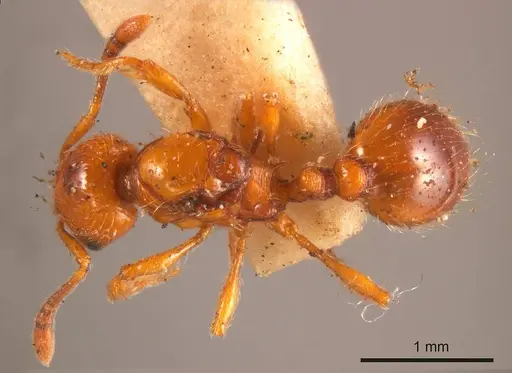
Literature
Loading...Loading products...