

Chelaner rubriceps
- Scientific Name
- Chelaner rubriceps
- Tribe
- Solenopsidini
- Subfamily
- Myrmicinae
- Author
- Mayr, 1876
- Distribution
- Found in 2 countries
Chelaner rubriceps Overview
Chelaner rubriceps is an ant species of the genus Chelaner. It is primarily documented in 2 countries , including Australia, Norfolk Island. Detailed taxonomic data and occurrence records can be further explored via authoritative databases such as AntWeb or the Global Biodiversity Information Facility (GBIF).
Chelaner rubriceps
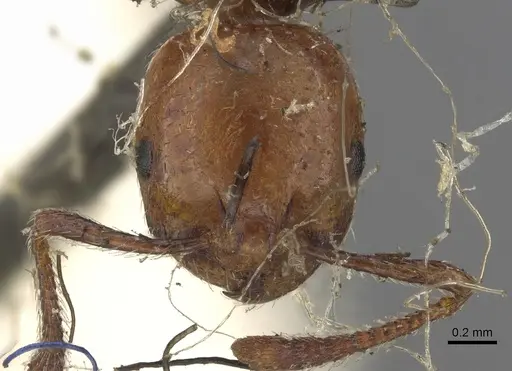
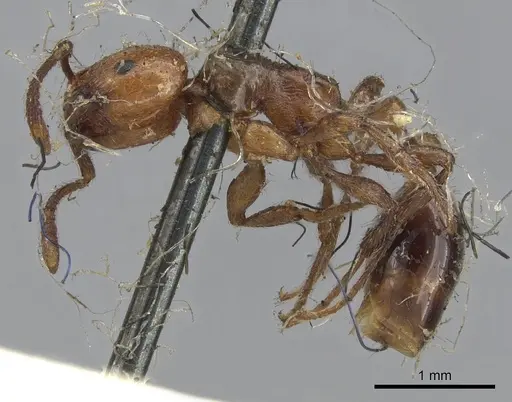
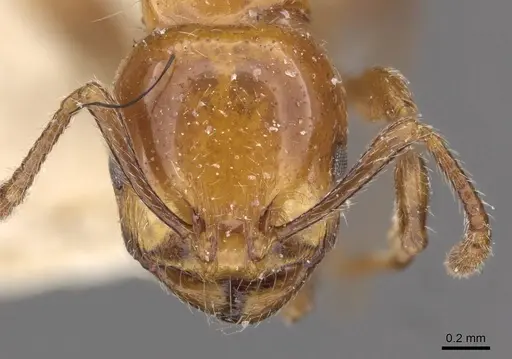
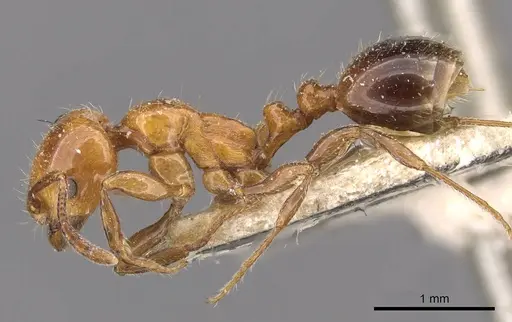
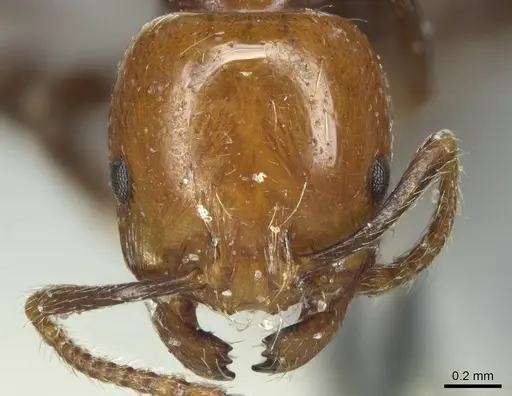
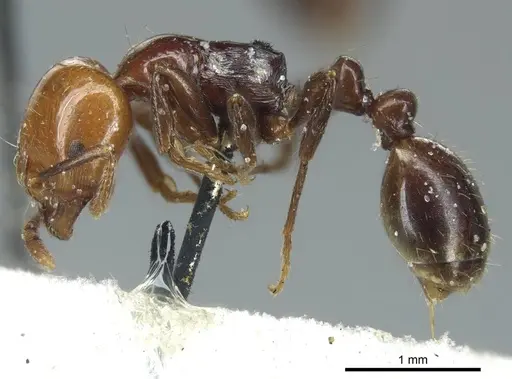
Chelaner rubriceps is a small, highly variable ant native to the humid east coast of Australia and Norfolk Island. Workers measure 2.72-3.81mm with a distinctive reddish-orange to dark brown coloration that can vary dramatically even within the same colony, some ants have bright orange heads and alitrunks with yellow bands on the gaster, while others are nearly uniform chocolate brown [1]. Queens are larger at 4.29-5.38mm and come in two forms: winged alates and smaller wingless ergatoid queens that can serve as replacement reproductives if the primary queen dies [2]. This species is remarkably adaptable, nesting either in the ground or in vegetation, including hollow twigs and under loose eucalyptus bark [1].
Quick Summary
- Difficulty: Easy
- Origin & Habitat: Eastern Australia (humid coast from South Australia to Queensland) and Norfolk Island. Found in diverse habitats from coastal areas to the Great Dividing Range, nesting in soil, under bark, and in hollow twigs [1].
- Colony Type: Single-queen colonies with ergatoid (wingless) replacement queens. Field colonies from NSW always had one egg-laying ergatoid queen. If the primary queen dies, colonies can rear alate (winged) queens from remaining larvae.
- Colony: Monogyne
- Founding: Claustral
- Size & Growth:
- Queen: 4.29-5.38mm [1]
- Worker: 2.72-3.81mm [1]
- Colony: Unknown maximum, likely moderate (similar to related Monomorium species)
- Growth: Moderate
- Development: Estimated 6-8 weeks based on related Monomorium species at warm temperatures (Development time inferred from genus patterns, direct measurements not available for this species)
- Antkeeping:
- Temperature: Keep at 22-26°C. Being an Australian east coast species, they prefer warm conditions but can tolerate room temperature. A heating cable on one side of the nest creates a gradient for them to choose their preferred spot.
- Humidity: Moderate humidity around 50-60%. They nest in varied locations from soil to dry vegetation, so avoid both extremes, keep substrate slightly moist but allow drying between waterings.
- Diapause: Likely a mild winter slowdown period (3-4 weeks at 15-18°C) based on temperate Australian distribution, though not extensively studied.
- Nesting: Highly adaptable. Will accept test tubes, Y-tong nests, or naturalistic setups with soil. They nest in both ground cavities and vegetation, so provide options. A small chamber test tube works well for founding colonies.
- Behavior: Generally peaceful and non-aggressive. Workers are active foragers that search for seeds and small insects. They are not known for stinging and pose no danger to keepers. Their small size (under 4mm) means escape prevention is important, use fine mesh and tight-fitting lids. They are moderate escape risks due to their tiny workers.
- Common Issues: colonies may fail if kept too dry, monitor substrate moisture, tiny workers can escape through standard test tube barriers, use cotton plugs properly and consider fine mesh, wild-caught colonies may have parasites, quarantine and observe new colonies, variable coloration can be confusing, this is normal for the species, slow founding phase, claustral queens need patience during the first few months
Housing and Nest Setup
Chelaner rubriceps is adaptable and will thrive in various setups. For founding colonies, a standard test tube setup works well, fill it one-third with water, plug with cotton, and place the queen in the dry portion. The queen will seal herself into a chamber at the end. Once workers arrive (after 4-8 weeks), you can keep them in the test tube or move to a small formicarium. Y-tong nests with narrow chambers suit their small size well. naturalistic setups with soil and decorative elements also work since they naturally nest in both ground cavities and vegetation. Avoid tall, open spaces, these tiny ants feel safer in tight, enclosed spaces. [1]
Feeding and Diet
In the wild, C. rubriceps has been observed harvesting seeds and likely supplements this with small insects and honeydew. In captivity, offer a varied diet: protein sources like small mealworms, fruit flies, or other tiny insects twice weekly, plus a constant sugar source like honey water or sugar water. Seeds may be accepted since they're natural seed harvesters. Remove uneaten prey after 24-48 hours to prevent mold. A varied diet keeps colonies healthy and encourages growth. [1]
Temperature and Seasonal Care
These Australian ants prefer warm conditions. Keep the nest area at 22-26°C for optimal brood development. A heating cable on one side of the nest creates a temperature gradient so workers can regulate their own exposure. During Australian winter (roughly June-August), expect reduced activity. A mild hibernation period at 15-18°C for 3-4 weeks mimics their natural cycle, though they don't require harsh cold. Room temperature (around 20-22°C) is acceptable if your home stays in this range. [1]
Colony Structure and Queen Types
This species shows fascinating queen polymorphism. Wild colonies contain one egg-laying ergatoid queen, a wingless queen that looks like a large worker. If she dies, the colony can rear alate (winged) queens from existing larvae. In laboratory colonies, only workers, ergatoid queens (called 'intermorphs'), and males are produced after the original ergatoid queen dies. This means your colony will likely have a single dominant queen (the ergatoid type) that lays all the eggs. The presence of replacement reproductives makes colonies more resilient, if something happens to the queen, the colony has a chance to recover. [2]
Behavior and Temperament
Workers are active foragers that search both the ground and vegetation for food. They're not aggressive and don't have a painful sting, making them safe for beginners. The main concern for keepers is their small size, workers are under 4mm and can squeeze through tiny gaps. Always use excellent escape prevention: tight-fitting lids, proper cotton plugging for test tubes, and fine mesh on any ventilation. They're moderate foragers rather than erratic climbers, so standard barriers usually work well if applied carefully. [1]
Frequently Asked Questions
How long does it take for Chelaner rubriceps to have first workers?
Expect first workers (nanitics) in about 6-8 weeks after the queen lays eggs, assuming warm temperatures around 24-26°C. This is typical for Monomorium species. The claustral queen seals herself in and raises the first brood alone without leaving to forage.
What do Chelaner rubriceps ants eat?
They're omnivores that accept small insects (protein) and sugar sources. In the wild they harvest seeds, so you can offer tiny seeds too. Feed small insects like fruit flies or mealworm pieces twice weekly, plus a constant supply of honey water or sugar water.
What temperature do Chelaner rubriceps need?
Keep them warm at 22-26°C. A heating cable on part of the nest creates a gradient. They can tolerate room temperature (around 20°C) but grow slower. Australian origin means they prefer warmth.
Can I keep multiple Chelaner rubriceps queens together?
No, this is a monogyne species with a single queen per colony. Unlike some ants, they don't form multi-queen colonies. If you find multiple queens, they're likely from different colonies that have been brought together.
How big do Chelaner rubriceps colonies get?
Exact maximum is unknown, but based on related Monomorium species, colonies likely reach several hundred workers. They're not among the largest ant species.
Do Chelaner rubriceps need hibernation?
They benefit from a mild winter rest period (3-4 weeks at 15-18°C) to mimic Australian seasonal conditions, but this isn't strictly required for survival. Activity will naturally slow in cooler temperatures.
Why are my Chelaner rubriceps dying?
Common causes include: too dry substrate (keep it slightly moist), poor escape prevention (check for tiny gaps), mold from overfeeding or poor ventilation, or stress from disturbing the queen during founding. Review each element and adjust accordingly.
What size are Chelaner rubriceps workers?
Workers are tiny at 2.72-3.81mm. Queens are larger at 4.29-5.38mm. This small size is important for escape prevention, they can squeeze through gaps that larger ants cannot.
Are Chelaner rubriceps good for beginners?
Yes, they're considered easy to keep. They're peaceful, don't sting, and adapt to various nest setups. The main challenges are their small size (escape prevention) and variable coloration (which is normal for the species).
References

This caresheet is licensed under CC BY-SA 4.0 .
CASENT0191000
View on AntWeb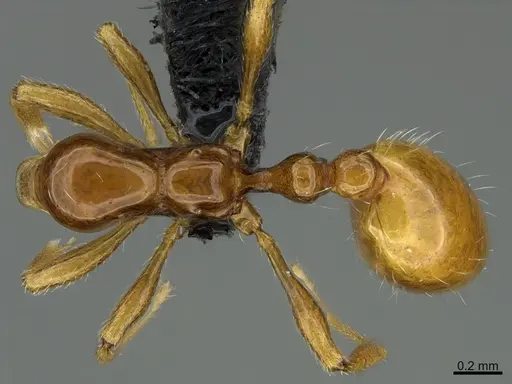
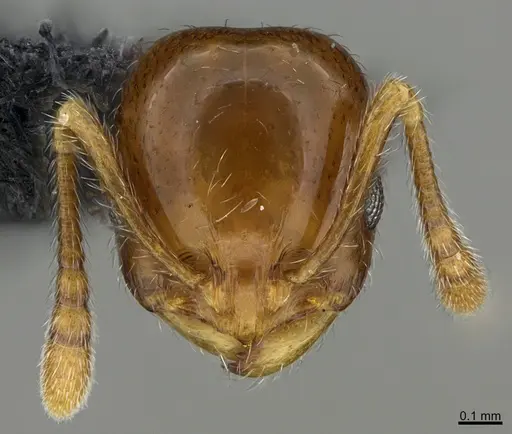
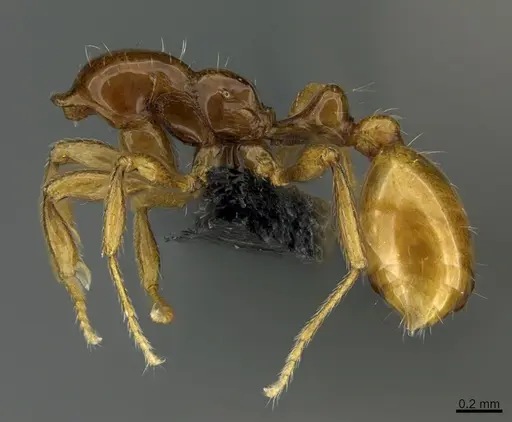
CASENT0902285
View on AntWeb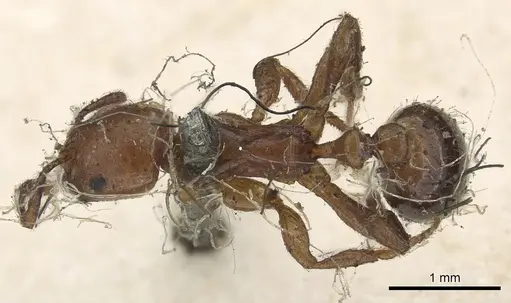
CASENT0908680
View on AntWeb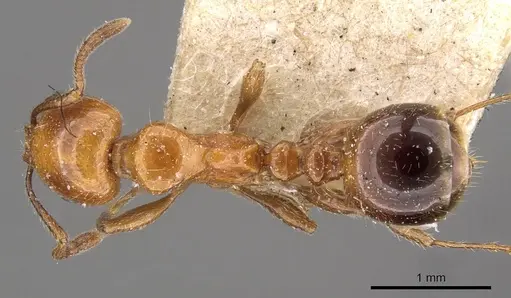
CASENT0916018
View on AntWeb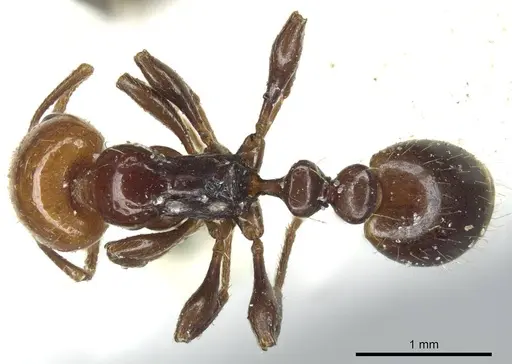
Literature
Loading...Loading products...