

Chelaner petiolatus
- Scientific Name
- Chelaner petiolatus
- Tribe
- Solenopsidini
- Subfamily
- Myrmicinae
- Author
- Heterick, 2001
- Distribution
- Found in 1 countries
Chelaner petiolatus Overview
Chelaner petiolatus is an ant species of the genus Chelaner. It is primarily documented in 1 countries , including Australia. Detailed taxonomic data and occurrence records can be further explored via authoritative databases such as AntWeb or the Global Biodiversity Information Facility (GBIF).
Chelaner petiolatus
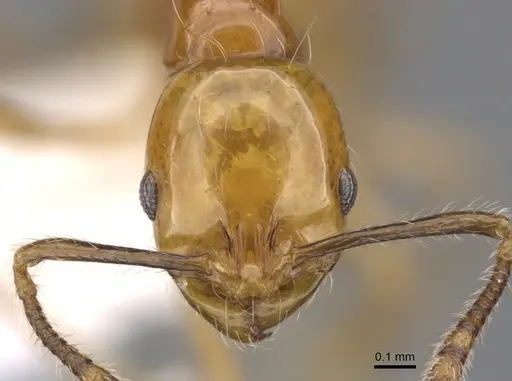
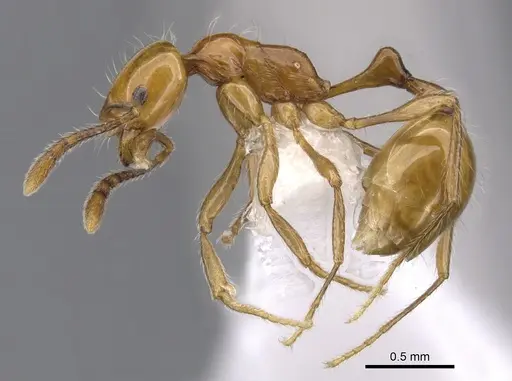
Chelaner petiolatus is a tiny Australian ant species belonging to the Myrmicinae subfamily. Workers measure just 2.02-2.29mm in total length, making them one of the smaller ant species you'll encounter [1]. They have a distinctive appearance, their remarkably long petiolar peduncle (the stalk connecting their middle body to their abdomen) combined with their glossy, shining orange cuticle gives them an almost glass-like appearance under magnification [1]. The species was originally described as Chelaner petiolatus in 2001 before being recombined into Chelaner in 2019 due to grammatical gender requirements [2]. These ants are cryptic foragers, living and foraging in rainforest ground litter across Queensland, Australia [1].
What makes this species stand out is that incredibly long petiolar peduncle, it's their most distinctive feature and how you'll tell them apart from related species. They nest in rotting wood and leaf litter in humid rainforest environments, typically at elevations between 320-650 meters [1].
Quick Summary
- Difficulty: Medium
- Origin & Habitat: Queensland, Australia, found in rainforest environments at elevations from 320-650m. They live in ground litter and rotting wood in humid tropical rainforest areas [1].
- Colony Type: Likely single-queen (monogyne) colonies based on typical patterns for the genus. Colony size appears modest, related species in the kilianii group typically have colonies reaching several hundred workers [1].
- Colony: Monogyne
- Founding: Claustral
- Size & Growth:
- Queen: Undescribed, queen caste has not been formally described in the original species description [1]
- Worker: 2.02-2.29mm total length (HML), head length 0.59-0.65mm, head width 0.50-0.57mm [1]
- Colony: Likely several hundred workers based on related species in the kilianii group [1]
- Growth: Moderate, inferred from typical Monomorium development patterns
- Development: Estimated 6-8 weeks at optimal temperature based on genus-level patterns for small Myrmicinae (Development time is estimated from related Monomorium species, actual timing may vary. Small colony size suggests moderate growth rate.)
- Antkeeping:
- Temperature: Keep around 24-28°C, these are tropical rainforest ants that prefer warm, stable conditions. A heating cable on one side of the nest can create a gentle gradient.
- Humidity: High humidity is essential, think damp rainforest floor. Keep the nest substrate consistently moist but not waterlogged. Provide a water tube for drinking access. Mist occasionally but rely on substrate moisture rather than fixed schedules.
- Diapause: Likely minimal or no true diapause, being a tropical species from Queensland, they probably don't require a hibernation period. However, they may slow down slightly during cooler months.
- Nesting: Provide a naturalistic setup with moist substrate, they naturally nest in rotting wood and leaf litter. A Y-tong or plaster nest with narrow chambers works well. Keep the nest humid and provide a moisture gradient so ants can self-regulate.
- Behavior: These are shy, cryptic ants that prefer to stay hidden in the nest and foraging areas. They're not aggressive and won't defend their nest aggressively, you can observe them without much danger of stings. Their small size means they're excellent escape artists, use fine mesh and tight-fitting lids. They're slow-moving compared to faster ant species and spend most of their time in the substrate.
- Common Issues: escape prevention is critical due to their tiny size, they can squeeze through the smallest gaps, high humidity requirements can lead to mold problems if ventilation is poor, slow growth may frustrate beginners expecting rapid colony development, wild-caught colonies may carry parasites that can decimate the colony in captivity, overfeeding can lead to mold in the nest, remove uneaten food promptly
Housing and Nest Setup
Chelaner petiolatus requires a humid, naturalistic setup that mimics their rainforest floor habitat. These tiny ants are best kept in a Y-tong (acrylic) or plaster nest with chambers scaled to their small size, passages should be narrow enough that workers feel secure but wide enough for easy movement. The nest material should retain moisture well, as these ants come from consistently humid environments. Provide a water tube connected to the nest so workers can drink, they'll readily use it. Since they're cryptic foragers, include a foraging area with substrate where they can search for food. Use a tight-fitting lid and fine mesh on any ventilation holes, these ants are tiny and will escape through gaps that larger species couldn't fit through. A layer of moist coco fiber or soil in the outworld helps maintain humidity and gives them a natural foraging surface. [1]
Feeding and Diet
Like other Monomorium species, C. petiolatus likely has a varied diet including small insects and honeydew. Offer small protein sources like fruit flies, pinhead crickets, and small mealworms, appropriately sized prey is crucial given their tiny worker size. They probably accept sugar water or honey as an energy source, though you may need to experiment to confirm acceptance. Feed protein 2-3 times per week, removing any uneaten prey after 24 hours to prevent mold. Keep a constant supply of sugar water or honey available in a small test tube or cotton ball. Given their small size, prey items should be no larger than a fruit fly to ensure workers can successfully subdue and consume them.
Temperature and Humidity Control
Maintain temperatures between 24-28°C for optimal colony health and development. These are tropical ants from Queensland's rainforests, so they don't handle cool temperatures well, avoid placing the colony near air conditioning or drafty windows. A small heating cable placed on one side of the nest creates a temperature gradient that lets ants self-regulate. Place the heating cable on top of the nest rather than underneath to avoid excessive drying. Humidity is critical, keep the nest substrate consistently moist but not waterlogged. The substrate should feel damp to the touch. Provide a water tube for drinking access and occasional misting of the outworld helps maintain humidity. Good ventilation is necessary to prevent mold, but avoid placing the nest in direct airflow that would dry it out quickly.
Colony Development and Growth
A founding queen will seal herself in a small chamber and raise her first brood alone, living off stored fat reserves until nanitic (first) workers emerge. This claustral founding process takes several weeks, be patient and don't disturb the founding chamber. Once workers emerge, the colony grows steadily but not rapidly. Expect the first batch of workers (nanitics) to be smaller than subsequent workers. Growth rate is moderate, don't expect the explosive growth you might see in larger species like Camponotus. A mature colony likely reaches several hundred workers over 1-2 years under good conditions. The key to successful growth is consistent warmth, high humidity, and regular small feedings of appropriate-sized prey.
Behavior and Observation
Chelaner petiolatus is a shy, non-aggressive species that prefers to stay hidden in the nest substrate. Workers are slow-moving compared to many ant species and spend much of their time foraging through leaf litter and soil. They're not defensive and won't readily sting, even if they could, their small size makes their sting imperceptible to humans. This makes them an excellent species for observation, though their cryptic nature means you'll see more activity in the foraging area than in the nest itself. They're not known for any particularly dramatic behaviors, they're simply quiet, methodical foragers that build modest colonies in humid environments. Their most interesting feature is truly that glass-like appearance under magnification, worth observing with a macro lens or magnifying glass. [1]
Frequently Asked Questions
How long does it take for Chelaner petiolatus to produce first workers?
Expect first workers (nanitics) to emerge around 6-8 weeks after the queen lays eggs, at optimal temperature around 26°C. This is an estimate based on related Monomorium species, actual timing may vary slightly.
What do Chelaner petiolatus ants eat?
Feed them small protein sources like fruit flies, pinhead crickets, and small mealworms. They likely accept sugar water or honey as an energy source. Remove uneaten prey after 24 hours to prevent mold.
What temperature should I keep Chelaner petiolatus at?
Keep them warm at 24-28°C. These are tropical rainforest ants from Queensland that need consistent warmth. A heating cable on one side of the nest can help maintain proper temperature.
How big do Chelaner petiolatus colonies get?
Based on related species in the kilianii group, colonies likely reach several hundred workers at maturity. Growth is moderate rather than rapid.
Are Chelaner petiolatus good for beginners?
They're rated as medium difficulty. The main challenges are escape prevention (due to their tiny size) and maintaining high humidity. If you can handle those, they're rewarding to keep.
Do Chelaner petiolatus need hibernation?
Probably not, being tropical ants from Queensland, they likely don't require a true diapause. They may slow down slightly during cooler months but don't need hibernation temperatures.
Why are my Chelaner petiolatus dying?
Common causes include: escape through tiny gaps (check your mesh and lids), low humidity causing desiccation, temperatures too cool, or mold from overfeeding. Ensure proper humidity, warmth, and remove uneaten food promptly.
Can I keep multiple Chelaner petiolatus queens together?
This hasn't been studied for this species. Based on typical genus patterns, they're likely single-queen (monogyne) colonies. It's not recommended to combine unrelated queens.
When should I move Chelaner petiolatus to a formicarium?
Keep founding colonies in a test tube setup until you have at least 20-30 workers. Once the colony grows larger, you can connect them to a formicarium with a foraging area. They prefer humid setups with substrate.
References

This caresheet is licensed under CC BY-SA 4.0 .
CASENT0902319
View on AntWeb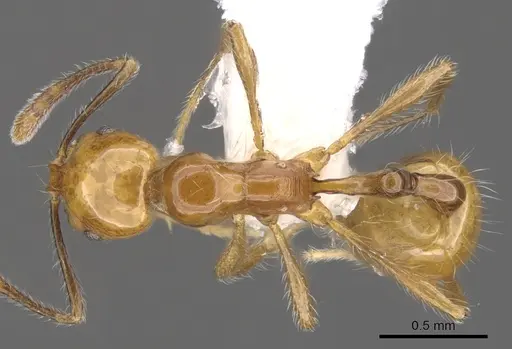
Literature
Loading...Loading products...