

Chelaner longinodis
- Scientific Name
- Chelaner longinodis
- Tribe
- Solenopsidini
- Subfamily
- Myrmicinae
- Author
- Heterick, 2001
- Distribution
- Found in 1 countries
Chelaner longinodis Overview
Chelaner longinodis is an ant species of the genus Chelaner. It is primarily documented in 1 countries , including Australia. Detailed taxonomic data and occurrence records can be further explored via authoritative databases such as AntWeb or the Global Biodiversity Information Facility (GBIF).
Chelaner longinodis
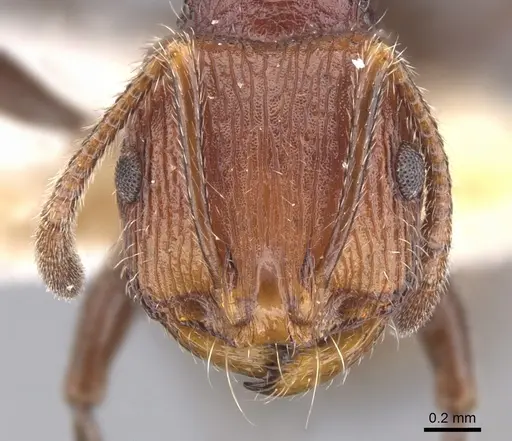
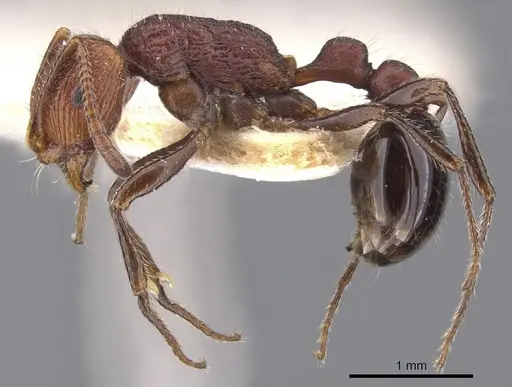
Chelaner longinodis is a medium-sized Myrmicine ant native to southwestern Western Australia, particularly common in the Perth metropolitan area and surrounding regions. Workers measure 2.89-3.50mm and display striking variable coloration depending on location, Perth-area populations feature crimson alitrunk and nodes with an orange head and black gaster, while southern coastal populations tend toward dull orange or tawny brown with darker infuscation. This species belongs to the longinode group and is one of the larger Chelaner species encountered in the region, preferring to nest in sandy soil in relic bushland areas [1].
Quick Summary
- Difficulty: Medium
- Origin & Habitat: Southwestern Western Australia, particularly common in the Perth metropolitan area and south-west corner of WA. This species inhabits sandy soils in relic bushland and woodland areas, showing a preference for sandy substrates in warm temperate to Mediterranean climates [1][2].
- Colony Type: Colony structure is unconfirmed in scientific literature. Based on related Monomorium species, likely monogyne (single queen) but facultatively polygyne populations may exist. Further research needed to confirm queen number and colony social structure.
- Size & Growth:
- Queen: Estimated 6-8mm based on genus patterns and worker size [1]
- Worker: 2.89-3.50mm [1]
- Colony: Unknown, no documented colony size studies exist for this species
- Growth: Moderate, estimated based on similar Myrmicinae species
- Development: 6-10 weeks estimated based on related Monomorium species and temperate Australian climate (Development time likely follows genus patterns for Myrmicinae in southwestern Australia, expect moderate growth rate with first workers (nanitics) appearing within 2-3 months during warm season)
- Antkeeping:
- Temperature: Keep at 22-26°C, with a gentle gradient allowing workers to self-regulate. Based on Mediterranean climate of southwestern WA, they tolerate temperatures from 18-30°C but prefer stable warmth in the low-to-mid 20s°C range
- Humidity: Moderate humidity (50-70%). Sandy soil nesting suggests they prefer drier conditions than many Myrmicinae, allow substrate to dry partially between waterings but provide a moist area for brood development
- Diapause: Likely required. Western Australian temperate climate suggests a winter rest period (diapause) during cooler months (May-September). Reduce temperature to 15-18°C and reduce feeding during this period
- Nesting: Y-tong (AAC) nests or plaster nests work well. This species prefers sandy soil in the wild, so a test tube setup with sand substrate or a naturalistic formicarium with sandy areas mimics their natural nesting preferences. Tight escape prevention is important as workers are small (under 4mm) [1]
- Behavior: Workers are active foragers with moderate aggression toward intruders. They are not particularly aggressive but will defend the nest. Escape prevention is critical due to their small size, they can squeeze through tiny gaps. Foraging activity is typically diurnal. They likely use chemical recruitment to food sources, similar to related Monomorium species.
- Common Issues: escape prevention is critical due to small worker size, use fine mesh and tight-fitting barriers, colonies may struggle if kept too wet, sandy soil preference indicates they need better drainage than typical ant species, winter diapause is often required but beginners may keep them too warm year-round, leading to colony stress, slow growth compared to tropical species may cause keepers to overfeed or disturb the colony unnecessarily, wild-caught colonies may harbor parasites that can decimate captive colonies
Housing and Nest Setup
Chelaner longinodis adapts well to various captive setups. A test tube setup works well for founding colonies, use a test tube with a water reservoir separated by a cotton plug, filled with sandy substrate. For established colonies, a Y-tong (AAC) nest or plaster formicarium with sand areas mimics their natural sandy soil habitat. The key requirement is providing a dry, well-drained nesting area with some moist chambers for brood. Because workers are small (under 4mm), excellent escape prevention is essential, use fine mesh on all openings and apply fluon or similar barriers to outworlds. A small outworld connected to the nest allows for feeding without disturbing the colony. [1]
Feeding and Diet
Based on related Monomorium species, C. longinodis is likely omnivorous with a preference for protein sources. In captivity, offer protein foods such as small crickets, mealworms, fruit flies, or other small insects twice weekly. They will likely accept sugar sources like honey water or sugar water, especially during high activity periods. Fresh water should always be available. Avoid overfeeding, remove uneaten prey after 24-48 hours to prevent mold. The sandy soil habitat suggests they may be adapted to drier conditions, so ensure the nest area remains relatively dry while providing moisture in one section for brood development.
Temperature and Seasonal Care
Maintain temperatures in the 22-26°C range for optimal colony health and development. A heating cable on one side of the nest creates a temperature gradient allowing ants to self-regulate. During Australian winter (roughly May-September), reduce temperatures to 15-18°C to provide a diapause period, this mimics their natural seasonal cycle in southwestern WA. Reduce feeding during diapause and minimize disturbances. Do not cool suddenly, gradually reduce temperature over 2-3 weeks. Resume normal temperatures in spring as colony activity increases. Sudden temperature changes or keeping them warm year-round can stress colonies and lead to decline.
Colony Development and Growth
Colony growth is moderate rather than rapid. A newly mated queen will likely seal herself in a chamber (claustral founding) and raise her first brood alone using stored fat reserves. First workers (nanitics) should appear within 2-3 months during warm conditions. Growth rate depends heavily on temperature, warmer temperatures within the acceptable range speed development, while cooler temperatures slow it significantly. Do not disturb founding colonies unnecessarily. Once workers emerge, the colony will grow steadily but not explosively. Expect 6-10 workers in the first few months, with growth accelerating as the colony reaches 20-30 workers. Maximum colony size is unknown but likely similar to related Monomorium species at several hundred workers.
Behavior and Temperament
This species displays typical Myrmicinae behavior, workers are active foragers that venture out from the nest to search for food. They are not among the most aggressive ants but will readily defend the nest if threatened. Workers communicate through chemical signals and likely use tandem-running or chemical trails to recruit nestmates to food sources. The most critical behavioral consideration for keepers is escape prevention, their small size means they can slip through gaps that seem impossible. Always check for tiny gaps around connections, use fine mesh (at least 0.5mm), and apply barrier products to all potential escape routes. With proper setup, they are a rewarding species to observe.
Frequently Asked Questions
How long does it take for Chelaner longinodis to produce first workers?
First workers typically appear within 6-10 weeks from egg lay under optimal temperature conditions (22-26°C). This is an estimate based on related Monomorium species, as specific development timing has not been documented for this species.
Can I keep Chelaner longinodis in a test tube setup?
Yes, test tubes work well for this species, especially for founding colonies. Use a standard test tube with a water reservoir and fill part of the tube with sandy substrate to mimic their natural nesting preferences. Ensure excellent escape prevention as workers are small.
Do Chelaner longinodis ants need hibernation?
Yes, hibernation (diapause) is likely required given their origin in southwestern Western Australia with distinct seasons. Reduce temperatures to 15-18°C during Australian winter (May-September) and reduce feeding. Gradually cool the colony rather than suddenly reducing temperature.
What do Chelaner longinodis eat?
They are omnivorous but prefer protein. Offer small insects like crickets, mealworms, or fruit flies twice weekly. They will likely accept sugar sources like honey water. Fresh water should always be available.
Are Chelaner longinodis good for beginners?
This species is rated as medium difficulty. They are sturdier than some tropical species but require attention to escape prevention due to their small size and need seasonal temperature changes for diapause. Beginners willing to research their needs can successfully keep this species.
How big do Chelaner longinodis colonies get?
Maximum colony size is not documented in scientific literature. Based on related Monomorium species, colonies likely reach several hundred workers. Growth is moderate rather than rapid.
When should I move Chelaner longinodis to a formicarium?
Move to a larger setup when the colony reaches 20-30 workers and the test tube shows signs of crowding or moisture issues. A Y-tong or plaster nest with sandy areas works well for established colonies.
Can I keep multiple Chelaner longinodis queens together?
Colony structure is not well documented for this species. Based on related Monomorium patterns, they are likely single-queen (monogyne) colonies. Combining unrelated queens is not recommended as it may result in fighting.
Why are my Chelaner longinodis dying?
Common causes include: escape prevention failures (check for tiny gaps), excessive moisture (they prefer sandy, well-drained conditions), improper temperatures, or stress from year-round warmth without diapause. Wild-caught colonies may also carry parasites.
References

This caresheet is licensed under CC BY-SA 4.0 .
CASENT0902313
View on AntWeb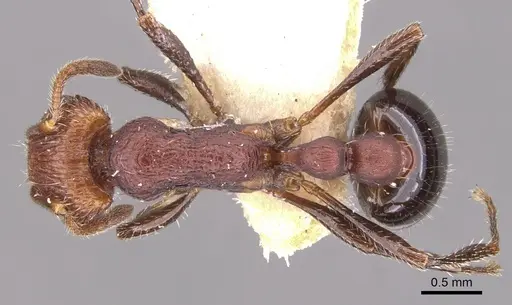
Literature
Loading...Loading products...