

Chelaner insolescens
- Scientific Name
- Chelaner insolescens
- Tribe
- Solenopsidini
- Subfamily
- Myrmicinae
- Author
- Wheeler, 1934
- Distribution
- Found in 1 countries
Chelaner insolescens Overview
Chelaner insolescens is an ant species of the genus Chelaner. It is primarily documented in 1 countries , including Australia. Detailed taxonomic data and occurrence records can be further explored via authoritative databases such as AntWeb or the Global Biodiversity Information Facility (GBIF).
Chelaner insolescens
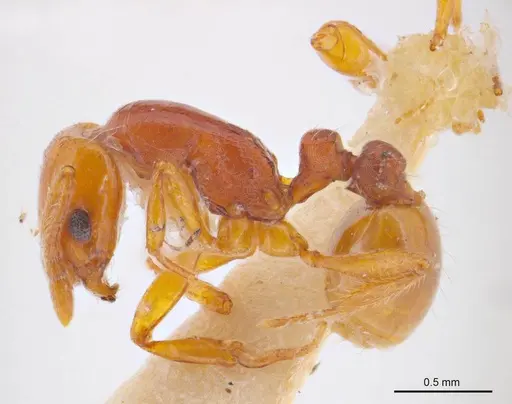
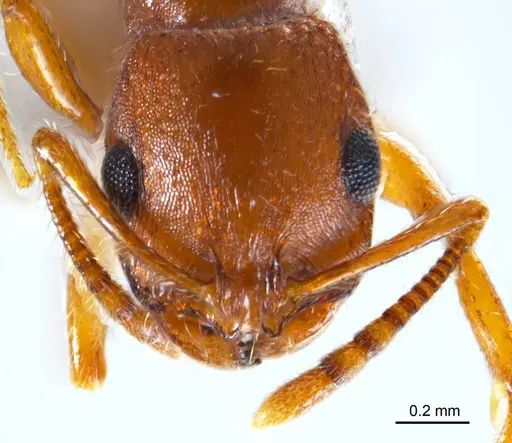
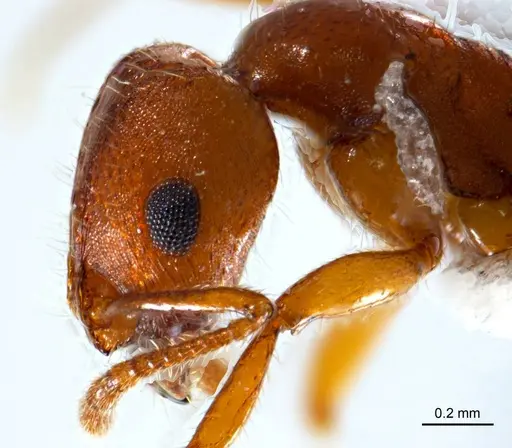
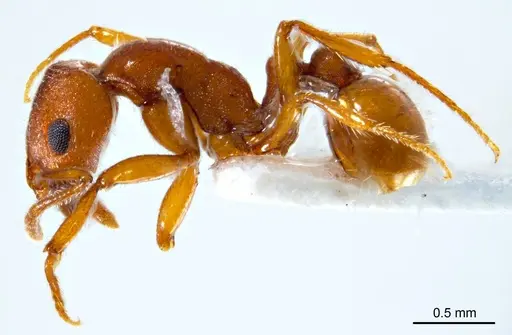
Chelaner insolescens is a small, variable ant native to the monsoonal regions of northern and western Australia. Workers measure 2.5-3mm and display a distinctive color pattern: the head, alitrunk, petiole and postpetiole range from dark orange to shining russet, while the gaster and legs are amber to yellow [1]. This species is notable for its highly unusual diet, it is almost exclusively graminivorous, feeding on grass, making it one of the few ant species with such a specialized plant-based diet [2]. The species belongs to the insolescens-group, which is the only group within the Chelaner genus, and shows considerable morphological variation that may indicate a species complex [3][1].
Quick Summary
- Difficulty: Medium
- Origin & Habitat: Chelaner insolescens is restricted to the monsoonal zone of northern Australia, particularly the western monsoonal region including the Kimberley area in Western Australia [4][2]. It occurs throughout the monsoonal tropics but is primarily found in the western regions. This ant inhabits arid to semi-arid environments with distinct wet and dry seasons.
- Colony Type: Colony structure is unconfirmed. The species is known from relatively few specimens, and no research documents queen number or colony organization.
- Founding: Claustral
- Size & Growth:
- Queen: Estimated 4-5mm based on genus patterns, direct measurements not available
- Worker: 2.5-3mm [1]
- Colony: Unknown, no colony size data available
- Growth: Unknown
- Development: Estimated 6-10 weeks based on typical Myrmicinae development patterns (Development timeline has not been directly studied for this species. Estimates based on related Monomorium species suggest several months from egg to worker.)
- Antkeeping:
- Temperature: Keep at 24-30°C. As a species from Australia's monsoonal tropics, they prefer warm conditions. A temperature gradient allowing workers to self-regulate is recommended.
- Humidity: Moderate humidity around 50-70%. In nature they experience distinct wet and dry seasons, so allow for some drying between waterings. Provide a water tube but avoid waterlogging the nest.
- Diapause: Likely a brief dormancy period during the dry season (roughly May-September in Australia). Reduce feeding and lower temperatures slightly to around 18-22°C during this period.
- Nesting: Y-tong (AAC) nests or plaster nests work well. They are small ants that prefer compact chambers. Provide some substrate depth for potential burrowing behavior.
- Behavior: These ants are relatively docile and not aggressive. Their small size (2.5-3mm) means they pose minimal sting risk to humans. As graminivorous ants, they primarily forage for grass seeds and plant material rather than hunting insects. Workers are active foragers that will collect seeds and may tend aphids for honeydew. Escape prevention should be moderate, their small size means they can slip through standard barriers, but they are not particularly strong climbers.
- Common Issues: limited diet specialization, they may reject typical ant foods like fruit flies or mealworms if only grass-based options are available, small size makes escape prevention important despite docile temperament, colony growth may be slow, requiring patience during founding phase, humidity control is important, too wet can cause fungal issues, too dry can kill brood, wild-caught colonies may have low survival rates due to limited distribution and specialized habitat needs
Housing and Nest Setup
Chelaner insolescens is a small ant that does well in compact nest setups. Y-tong (acrylic) nests work excellently, the narrow chambers match their size and allow easy observation. Plaster nests are also suitable and help maintain stable humidity. Because they are small (2.5-3mm), ensure your formicarium has appropriately sized chambers and tunnels. Test tube setups can work for founding colonies but will need upgrading as the colony grows. These ants are not aggressive and have no potent sting, so escape prevention can be moderate, standard fluon barriers on smooth surfaces are usually sufficient. Provide a shallow foraging area with some sand or soil substrate where they can search for seeds.
Feeding and Diet
This is the most unusual aspect of Chelaner insolescens, they are almost exclusively graminivorous, meaning they feed primarily on grass [2]. In captivity, you should prioritize grass seeds (grass seeds, millet, quinoa) as their primary food source. They will readily collect and store grass seeds. Unlike most ants that are opportunistic omnivores, this species shows a strong preference for plant-based foods. You can supplement with very small amounts of sugar water or honey occasionally, but do not rely on protein-rich foods like insects, they are unlikely to accept them in significant quantities. This dietary specialization means you should not expect the same feeding patterns as typical omnivorous ants.
Temperature and Seasonal Care
As a species from Australia's monsoonal tropics, Chelaner insolescens prefers warm temperatures in the range of 24-30°C. Maintain a temperature gradient in the nest so workers can self-regulate by moving between warmer and cooler areas. A heating cable on one side of the nest can help maintain warmth, but avoid direct heat that could dry out the nest too quickly. During the Australian dry season (roughly May to September), they likely enter a period of reduced activity. Reduce feeding frequency and consider lowering temperatures slightly to around 18-22°C during this period. Do not feed during dormancy, resume normal feeding when temperatures increase and activity picks up.
Growth and Development
Little is known about the specific development timeline of Chelaner insolescens. Based on typical Myrmicinae patterns, expect 6-10 weeks from egg to first worker at optimal temperatures. Queens are estimated to be 4-5mm based on genus patterns, though no direct measurements exist. The founding phase will likely take several months before you see the first nanitic workers. Colonies appear to grow slowly, so patience is essential during the early stages. The worker caste shows considerable size variation even within single colonies, this is normal for the species and reflects their variable morphology.
Behavior and Temperament
Chelaner insolescens is a docile, non-aggressive species. Workers are small and pose minimal sting risk, their stingers are too small to penetrate human skin effectively. They are primarily foragers that search for grass seeds and plant material rather than hunting prey. Colonies are likely to be relatively calm, with workers moving steadily through the foraging area. They are not known for territorial aggression or raiding behavior. Their small size means they are not escape artists in the same way as larger ants, but standard barrier methods are still recommended to prevent escapes.
Frequently Asked Questions
What do Chelaner insolescens ants eat?
They are almost exclusively graminivorous, meaning they primarily eat grass and grass seeds. In captivity, feed them grass seeds, millet, quinoa, and similar small seeds. They are not typical omnivores and will likely reject insects and protein-rich foods.
How long does it take for Chelaner insolescens to produce first workers?
The exact timeline is unknown, but based on typical Myrmicinae development, expect 6-10 weeks from egg to first worker at warm temperatures (around 26-28°C). The full founding phase may take several months.
Are Chelaner insolescens good for beginners?
They are rated as medium difficulty. Their specialized diet is the main challenge, most antkeepers are used to feeding protein and sugar, but this species needs grass seeds. They are docile and small, which makes them manageable, but their specific requirements may challenge new antkeepers.
What temperature should I keep Chelaner insolescens at?
Keep them warm at 24-30°C. As a species from Australia's monsoonal tropics, they prefer warm conditions. A temperature gradient allowing them to move between warmer and cooler areas is ideal.
Do Chelaner insolescens need hibernation?
They likely need a brief dormancy period during the dry season (roughly May-September). Reduce feeding and lower temperatures to around 18-22°C during this period, similar to their natural cycle in Australia's monsoonal regions.
How big do Chelaner insolescens colonies get?
Colony size is not well documented. Based on their distribution and habitat, colonies are likely moderate in size, probably several hundred workers at most. They are not known for supercolony formation.
Can I keep multiple Chelaner insolescens queens together?
Colony structure is unconfirmed for this species. There is no data on whether they are monogyne (single queen) or polygyne (multiple queens). It is not recommended to combine unrelated foundresses without documented evidence of pleometrosis.
Where is Chelaner insolescens found in the wild?
They are restricted to the monsoonal zone of northern Australia, particularly the western monsoonal region including the Kimberley area in Western Australia. They inhabit arid to semi-arid environments with distinct wet and dry seasons.
References

This caresheet is licensed under CC BY-SA 4.0 .
ANTWEB1008205
View on AntWeb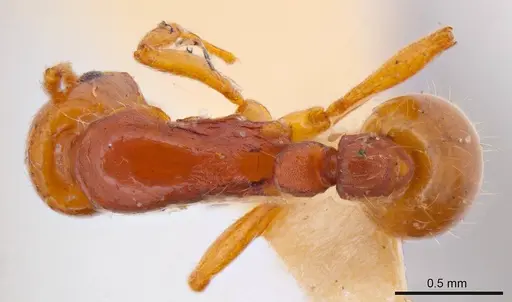
ANTWEB1008678
View on AntWeb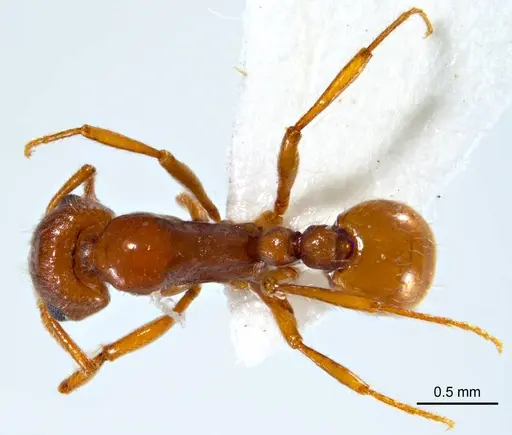
Literature
Loading...Loading products...