

Chelaner gilberti
- Scientific Name
- Chelaner gilberti
- Tribe
- Solenopsidini
- Subfamily
- Myrmicinae
- Author
- Forel, 1902
- Distribution
- Found in 2 countries
Chelaner gilberti Overview
Chelaner gilberti is an ant species of the genus Chelaner. It is primarily documented in 2 countries , including Australia, Papua New Guinea. Detailed taxonomic data and occurrence records can be further explored via authoritative databases such as AntWeb or the Global Biodiversity Information Facility (GBIF).
Chelaner gilberti
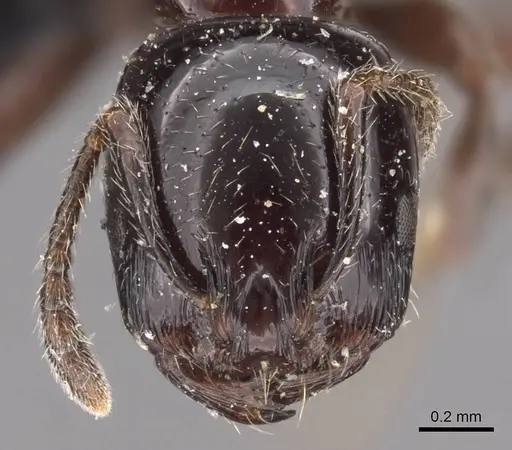
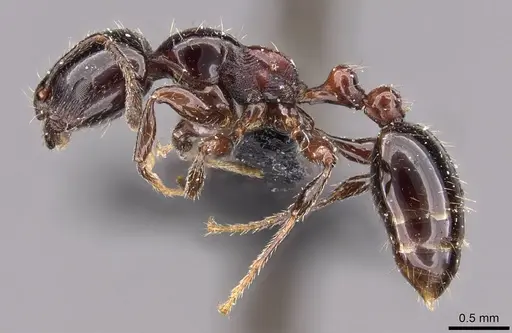
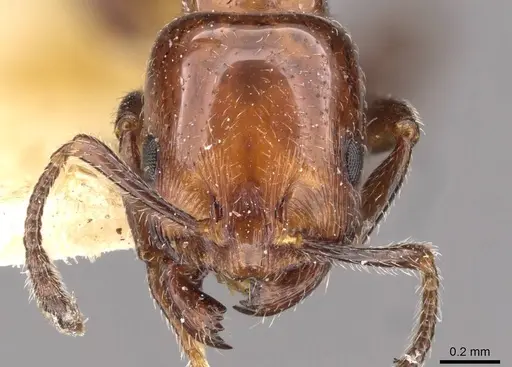
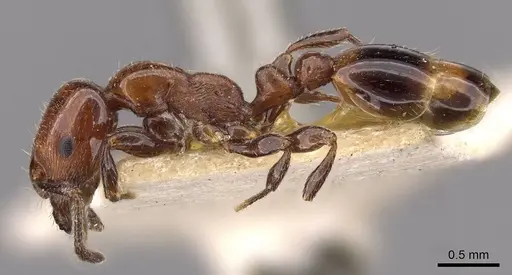
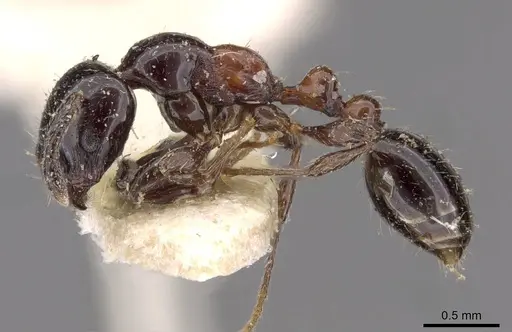
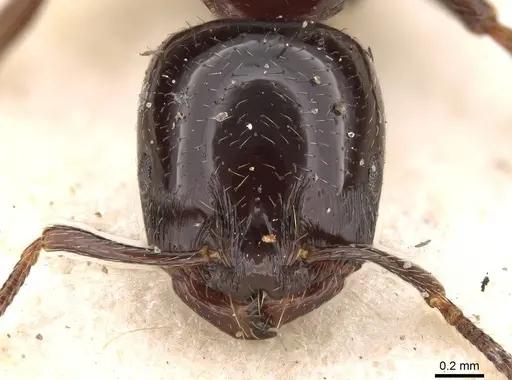
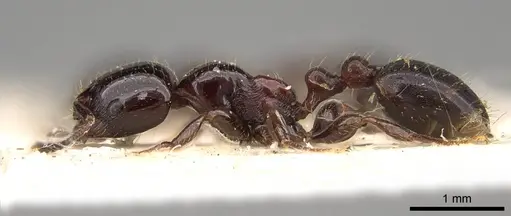
Chelaner gilberti is a small ant species native to Australia, originally described as Chelaner gilberti before being transferred to the resurrected genus Chelaner in 2019 [1]. Workers are tiny, typically measuring 2-4mm, with the characteristic Monomorium body shape, a compact mesosoma (middle body section) and a distinct one-segmented petiole (the narrow waist connection). The species was named after Gilbert, the person after whom it was described [2]. These ants are part of Clade 2 within Chelaner, a group of Australian species formerly classified under Monomorium [3]. As with many Australian desert and grassland ants, they are adapted to variable conditions and can tolerate periods of dryness.
Quick Summary
- Difficulty: Medium
- Origin & Habitat: Australia, found across various habitats including grasslands, woodlands, and arid regions. They typically nest in soil or under stones in areas with sparse vegetation.
- Colony Type: Likely single-queen colonies (monogyne) based on typical Monomorium patterns. Colony size likely reaches several hundred workers at maturity.
- Colony: Monogyne
- Founding: Claustral
- Size & Growth:
- Queen: Estimated 5-7mm based on genus patterns
- Worker: Estimated 2-4mm based on genus patterns
- Colony: Estimated several hundred workers based on related species
- Growth: Moderate
- Development: Estimated 6-10 weeks based on related Monomorium species at optimal temperature (Development time is estimated from related species, specific data for C. gilberti is not available)
- Antkeeping:
- Temperature: Keep around 22-26°C. Australian species generally prefer warm conditions, but avoid overheating. A gentle gradient allowing workers to choose their preferred temperature is ideal.
- Humidity: Moderate humidity around 50-70%. These ants tolerate drier conditions better than many species, reflecting their arid Australian origins. Provide a moisture gradient so workers can self-regulate.
- Diapause: Likely required, Australian temperate ants typically need a winter rest period of 8-12 weeks at cooler temperatures (10-15°C).
- Nesting: Test tube setups work well for founding colonies. For established colonies, Y-tong nests or acrylic formicariums with sand/soil mixtures are suitable. They prefer tight, snug chambers scaled to their small size.
- Behavior: Generally peaceful and non-aggressive. Workers are active foragers, readily searching for sugar sources and small protein items. They are not known for stinging and pose no danger to keepers. Their small size means escape prevention should be taken seriously, use fine mesh and tight-fitting lids. Workers are fast-moving and can slip through small gaps.
- Common Issues: escape prevention is critical due to their tiny size, they can squeeze through remarkably small gaps, slow founding phase can cause keepers to lose patience and disturb the queen prematurely, overfeeding can lead to mold problems in test tube setups, wild-caught colonies may carry parasites that can devastate captive colonies, temperature fluctuations stress colonies, keep in a stable location away from direct sunlight and drafts
Housing and Setup
For founding colonies, a simple test tube setup is ideal. Fill a test tube one-third with water, plug with cotton, and place the queen in the tube. The cotton creates a water reservoir that maintains humidity while giving the queen a dry landing area. Cover the tube with something dark for the first few weeks, queens settle better in darkness. Once workers emerge (nanitics), you can gradually introduce a small outworld area. For established colonies with 50+ workers, transfer to a small formicarium. Y-tong nests work well because they allow you to control humidity precisely. Alternatively, a naturalistic setup with a soil/sand mixture in a plastic container with a small outworld area mimics their natural environment. Whatever setup you choose, ensure escape prevention is excellent, these tiny ants can escape through gaps you wouldn't believe possible.
Feeding and Diet
Like most Monomorium species, C. gilberti is omnivorous and will accept a variety of foods. Sugar sources are important, offer diluted honey, sugar water, or commercial ant nectar regularly. For protein, small prey items like fruit flies, pinhead crickets, or small mealworms work well. Offer protein once or twice weekly. They are not specialized predators, so any small insects are typically accepted. Fresh killed prey is better than live for small colonies, as workers can struggle with larger prey. Remove uneaten food after 24-48 hours to prevent mold. During the founding phase, the queen does not need food, she survives on stored fat reserves.
Temperature and Seasonal Care
Maintain temperatures between 22-26°C for optimal colony development. Australian ants are generally adaptable, but consistent warmth helps with brood development. Avoid temperatures above 30°C or sudden temperature changes. Place the nest in a location away from direct sunlight, air conditioning vents, and drafts. During winter (roughly October to March in the Northern Hemisphere), gradually reduce temperatures to around 10-15°C for a diapause period. This mimics their natural seasonal cycle and helps maintain colony health. Do not feed during diapause, and keep moisture levels slightly lower. Resume normal temperatures gradually in spring.
Colony Growth and Development
After the queen lays her first eggs, expect 2-4 weeks for eggs to hatch into larvae, then another 2-4 weeks for larvae to pupate, and finally 1-2 weeks for pupae to emerge as workers. The first workers (nanitics) are typically smaller than mature workers. Once nanitics emerge, the colony enters a growth phase, the queen will lay more eggs, and worker numbers will increase steadily. Growth rate is moderate, don't expect rapid expansion. A healthy mature colony might reach several hundred workers over 1-2 years. Be patient during the founding phase, disturbing the queen or moving the nest too early can cause colony failure.
Behavior and Observation
C. gilberti workers are active and industrious, constantly moving between the nest and food sources. They are not aggressive and rarely bite. Their small size makes them fascinating to watch as they communicate and coordinate foraging efforts. Workers use chemical trails to guide others to food discoveries, you may notice them following each other in lines after you add food. They are primarily diurnal, with peak activity during warmer parts of the day. Unlike some ants, they do not exhibit dramatic defense behaviors, their small size means they are more likely to flee than fight. This makes them excellent for observation but means you won't see dramatic territorial disputes or raids.
Frequently Asked Questions
How long does it take for Chelaner gilberti to produce first workers?
Expect 6-10 weeks from egg to first worker under optimal conditions (around 24-26°C). This is typical for Monomorium species. The exact timing depends on temperature, warmer conditions speed development slightly, while cooler temperatures slow it down.
Can I keep multiple Chelaner gilberti queens together?
Not recommended. This species is likely monogyne (single-queen), and combining unrelated queens typically results in fighting. If you capture multiple founding queens, house them separately.
What do Chelaner gilberti eat?
They are omnivorous. Offer sugar sources (honey, sugar water) regularly for energy, and protein (small insects like fruit flies, pinhead crickets) 1-2 times weekly. Remove uneaten food promptly to prevent mold.
Do Chelaner gilberti need hibernation?
Yes, a winter diapause is likely required. Reduce temperatures to 10-15°C for 8-12 weeks during winter. This rest period helps maintain colony health and mimics their natural seasonal cycle in Australia.
How big do Chelaner gilberti colonies get?
Based on related species, colonies likely reach several hundred workers at maturity. Growth is moderate, expect 1-2 years to reach significant numbers.
Are Chelaner gilberti good for beginners?
They are moderately difficult. Their small size requires good escape prevention, and their founding phase is slow. However, they are peaceful, don't sting, and have straightforward dietary needs. Experienced beginners should do well with this species.
When should I move Chelaner gilberti from a test tube to a formicarium?
Move them once the colony reaches 30-50 workers and the test tube setup becomes crowded. Make sure the formicarium has appropriate-sized chambers, these tiny ants need snug spaces, not large open areas.
Why are my Chelaner gilberti dying?
Common causes include: disturbance during founding (don't move the nest until established), temperature extremes or fluctuations, poor escape prevention (check for tiny gaps), overfeeding causing mold, or parasites from wild-caught colonies. Review each of these factors and adjust accordingly.
References

This caresheet is licensed under CC BY-SA 4.0 .
CASENT0908672
View on AntWeb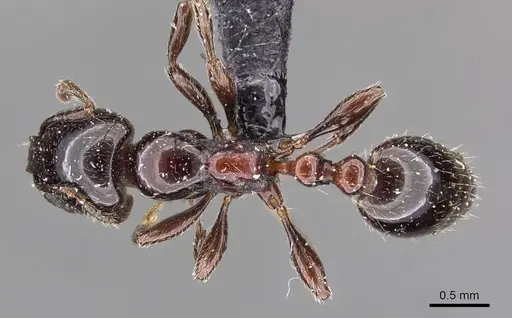
CASENT0908673
View on AntWeb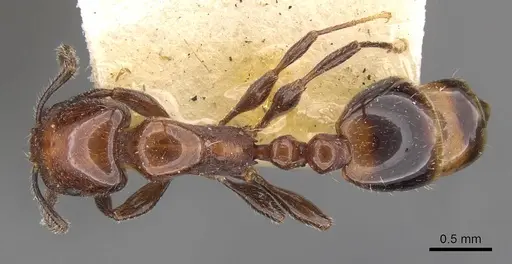
CASENT0908674
View on AntWeb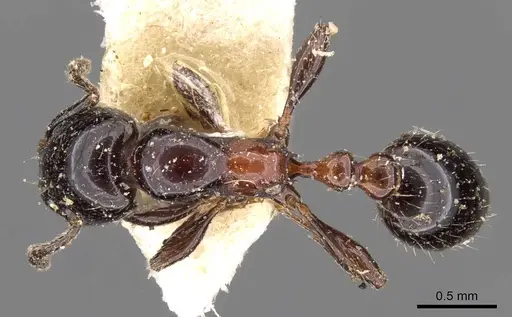
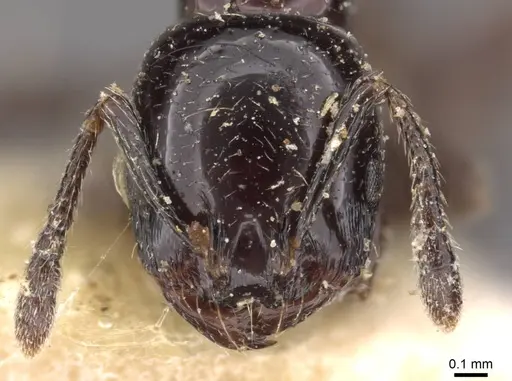
CASENT0914400
View on AntWeb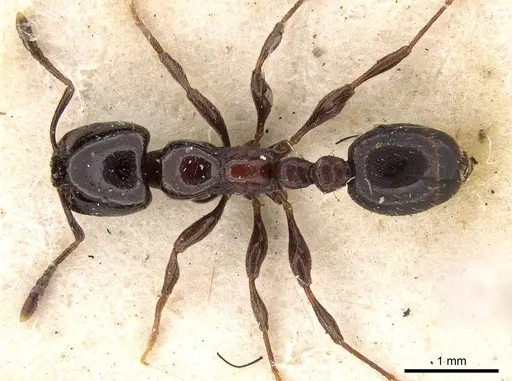
Literature
Loading...Loading products...