

Chelaner euryodon
- Scientific Name
- Chelaner euryodon
- Tribe
- Solenopsidini
- Subfamily
- Myrmicinae
- Author
- Heterick, 2001
- Distribution
- Found in 1 countries
Chelaner euryodon Overview
Chelaner euryodon is an ant species of the genus Chelaner. It is primarily documented in 1 countries , including Australia. Detailed taxonomic data and occurrence records can be further explored via authoritative databases such as AntWeb or the Global Biodiversity Information Facility (GBIF).
Chelaner euryodon
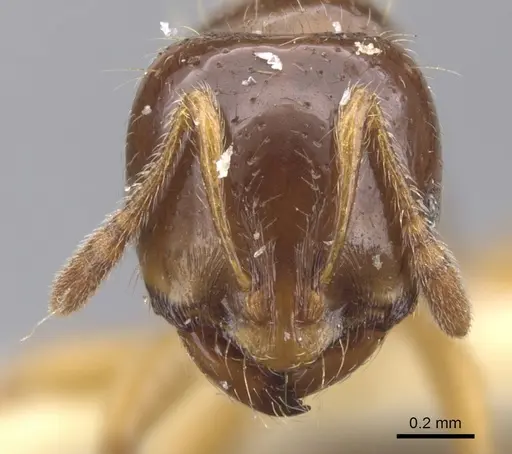
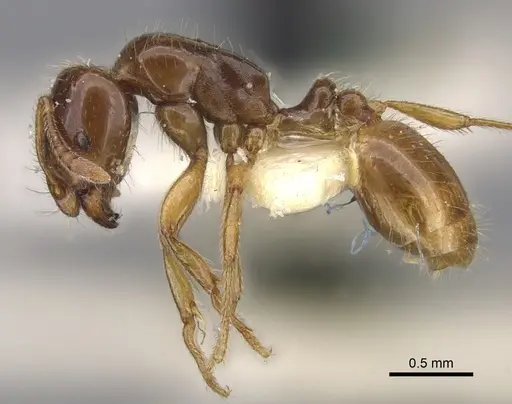
Chelaner euryodon is a small to medium-sized Australian ant belonging to the Myrmicinae subfamily and the rubriceps species group. Workers are polymorphic, meaning they come in different sizes, from tiny minors at around 1.5mm to major workers reaching nearly 3mm. The species gets its name from the Greek words for 'broad-toothed' thanks to its distinctive enlarged basal tooth on the mandible, which is much broader than the other teeth [1]. Workers range in color from yellowish-orange to deep orange, while queens have a russet-colored head and body with amber legs and gaster [2].
This species is widespread throughout Australia, found from the central Queensland coast down to South Australia. It prefers sandy soils and nests in areas like sandy coastal heath and sandy debris under shrubs. The species was originally described as Chelaner euryodon in 2001 but was reclassified into the genus Chelaner in 2019 based on genetic analysis [3]. What makes this species special is that it shows true polymorphism in the worker caste, a relatively rare trait in this group, with large-headed major workers having notably smaller eyes than the minor workers [4].
Quick Summary
- Difficulty: Medium
- Origin & Habitat: Native to Australia, widespread throughout the continent from central Queensland coast to South Australia. Prefers sandy soils in habitats like coastal heath and sandy debris areas [2].
- Colony Type: Likely monogyne (single queen colonies) based on typical Monomorium/Chelaner patterns, though colony structure is not directly documented for this species.
- Colony: Monogyne
- Founding: Claustral
- Size & Growth:
- Queen: 3.44-3.78mm [2]
- Worker: 1.54-2.99mm polymorphic (minor to major workers) [2]
- Colony: Unknown, no colony size data available
- Growth: Unknown, no development timing data available
- Development: 6-10 weeks (estimated based on related Monomorium species) (Development time is unconfirmed for this species. Estimates based on typical Monomorium genus patterns suggest 6-10 weeks from egg to first worker at optimal temperatures.)
- Antkeeping:
- Temperature: Keep at 22-26°C. As an Australian species from temperate to subtropical regions, they likely prefer moderate warmth. Start in this range and adjust based on colony activity.
- Humidity: Moderate to low, they prefer sandy, well-drained soils. Keep the nest substrate slightly moist but allow it to dry between waterings. Avoid waterlogged conditions.
- Diapause: Likely yes, Australian temperate ants typically require a winter rest period. Provide a cool period around 10-15°C for 2-3 months during winter.
- Nesting: In nature they nest in sand and sandy soil. For captivity, a test tube setup works well for founding colonies. Once established, a naturalistic setup with sandy substrate or a Y-tong/plaster nest with good drainage works well. The polymorphic workers need appropriately sized chambers.
- Behavior: Workers are polymorphic, major workers are larger with relatively smaller eyes, while minor workers are smaller. The enlarged basal tooth is a distinctive identification feature. They are likely generalist foragers based on typical Monomorium diet patterns. Escape risk is moderate due to their small size, use standard barrier methods. Temperament is not well-documented but related species are typically non-aggressive.
- Common Issues: slow colony growth can frustrate keepers who overfeed or disturb the colony, sandy soil nesting means they need good drainage to prevent mold, polymorphic workers may have different space requirements as colony grows, founding colonies are fragile, queens seal themselves in and must not be disturbed during claustral founding, wild-caught colonies may carry parasites that can cause colony failure
Nest Preferences and Housing
In the wild, Chelaner euryodon nests directly in sandy soils, type specimens were collected from sandy coastal heath with nests in sand, and from black soil areas with sandy debris under shrubs [2]. This tells us they need well-draining substrate and prefer sandy conditions.
For captive care, start with a simple test tube setup for the founding queen. Fill a test tube about one-third with water, plug with cotton, and place the queen in the dark. The queen will seal herself in during claustral founding, do not disturb her. Once the first workers (nanitics) emerge and the colony has grown to 10-20 workers, you can consider moving to a formicarium.
A naturalistic setup with sandy substrate works well for established colonies. You can also use a Y-tong (acrylic) nest or plaster nest with added sand or a sandy area. The key is providing good drainage, these ants come from dry sandy habitats and will not do well in constantly wet conditions. Include some slightly moister areas for brood development but ensure the nest can dry out between waterings.
Feeding and Diet
While specific diet data for C. euryodon is not documented, Monomorium and Chelaner species are typically generalist omnivores. They likely feed on small insects, nectar, and honeydew in the wild.
For captive colonies, offer a varied diet: sugar water or honey as an energy source (always available), and protein sources like small insects (fruit flies, pinhead crickets, mealworms) offered 2-3 times per week. Remove any uneaten prey after 24-48 hours to prevent mold.
Because workers are polymorphic with major workers reaching nearly 3mm, they can handle slightly larger prey than very tiny ants. However, start with small prey items and size up as your colony grows. The major workers may specialize in tasks like seed processing or defending the nest, so observe your colony to see how different castes interact with food.
Temperature and Seasonal Care
As an Australian species widespread from Queensland to South Australia, C. euryodon likely experiences a range of temperatures in the wild. They should be kept at moderate temperatures, aim for 22-26°C as a starting point. This range supports normal colony activity and brood development.
Australian ants typically require a diapause (winter rest) period. During the cooler months (roughly late autumn through winter, depending on your hemisphere), reduce temperatures to around 10-15°C for 2-3 months. You can accomplish this by moving the colony to a cooler room or basement. Reduce feeding during this period, the colony will be less active and consume less food.
Monitor your colony's behavior: if workers cluster near a heat source, they may want it warmer, if they avoid heated areas, the temperature may be too high. Make any adjustments gradually.
Colony Development and Growth
One of the most interesting features of C. euryodon is true polymorphism in the worker caste, this means the colony produces distinct minor and major workers, not just a size continuum. Major workers can reach nearly 3mm in length while minors are around 1.5mm. The major workers have notably smaller eyes relative to their head size compared to minors [4].
Development time from egg to worker is not specifically documented for this species. Based on typical Monomorium genus patterns, expect approximately 6-10 weeks at optimal temperatures (22-26°C). The first workers (nanitics) will be smaller than mature workers.
Colony growth is likely moderate, not particularly fast or slow. The polymorphic caste system means the colony invests energy into producing different worker types for different tasks. Major workers may handle seed processing, nest defense, or other specialized roles. Be patient with founding colonies, it can take several months to a year before you see significant growth.
Behavior and Temperament
While specific behavioral observations for C. euryodon are not well-documented in scientific literature, related Monomorium species are typically generalist foragers with non-aggressive temperaments. Workers likely forage individually or in small groups rather than forming large raiding parties.
The enlarged basal tooth on the mandible is a distinctive morphological feature [4], though its specific behavioral function is not documented. It may be used for seed processing or defense.
For antkeeping purposes, expect a relatively peaceful colony that focuses on foraging and brood care rather than aggressive defense. They are not known to be particularly defensive or prone to stinging. Standard escape prevention measures should suffice, though their small size (especially minor workers at 1.5mm) means they can slip through small gaps, use appropriate barriers.
Frequently Asked Questions
How long does it take for Chelaner euryodon to produce first workers?
The exact development time is unconfirmed for this species. Based on typical Monomorium genus patterns, expect approximately 6-10 weeks from egg to first worker at optimal temperatures (22-26°C). The first workers (nanitics) will be smaller than mature workers.
What do Chelaner euryodon ants eat?
While not specifically documented, Chelaner species are generalist omnivores. Feed sugar water or honey constantly for energy, and offer small insects (fruit flies, pinhead crickets, mealworms) 2-3 times per week as protein. Remove uneaten prey after 24-48 hours.
What temperature do Chelaner euryodon ants need?
Keep them at 22-26°C as a starting point. As an Australian species from temperate to subtropical regions, they prefer moderate warmth. Adjust based on colony activity, if workers avoid heated areas, reduce temperature, if they cluster near heat, increase slightly.
Do Chelaner euryodon ants need hibernation?
Yes, likely, Australian ants typically require a winter rest period. Provide 2-3 months at cooler temperatures (10-15°C) during winter. Reduce feeding during this period as the colony will be less active.
Are Chelaner euryodon good for beginners?
This species is rated as Medium difficulty. While not the easiest species, it is manageable for intermediate antkeepers. The main challenges are providing appropriate sandy nesting conditions, being patient with colony growth, and ensuring proper winter diapause.
How big do Chelaner euryodon colonies get?
Colony size is not documented in available literature. Based on related species and the polymorphic worker caste, colonies likely reach several hundred workers over time. Growth is likely moderate, not particularly fast.
What makes Chelaner euryodon different from other ants?
This species shows true polymorphism in the worker caste, a relatively rare trait in this group. Major workers are significantly larger with smaller eyes compared to minor workers. The distinctive enlarged basal tooth on the mandible gives them their scientific name meaning 'broad-toothed' [1][4].
Can I keep multiple Chelaner euryodon queens together?
Colony structure is not directly documented for this species. Based on typical Monomorium patterns, they are likely monogyne (single queen). Combining unrelated queens is not recommended as it has not been documented and queens typically fight.
What type of nest is best for Chelaner euryodon?
In nature they nest in sandy soil. For captivity, use a test tube for founding colonies. For established colonies, a naturalistic setup with sandy substrate or a Y-tong/plaster nest with good drainage works well. The key is providing well-draining conditions, they come from dry sandy habitats.
References

This caresheet is licensed under CC BY-SA 4.0 .
CASENT0902310
View on AntWeb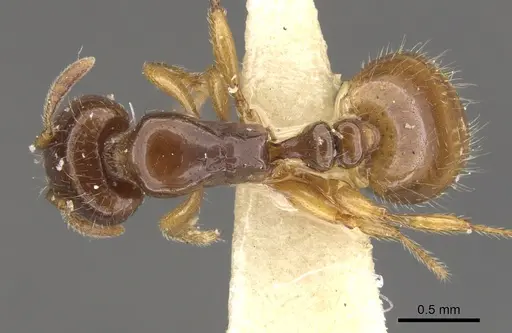
Literature
Loading...Loading products...