

Chelaner elegantulus
- Scientific Name
- Chelaner elegantulus
- Tribe
- Solenopsidini
- Subfamily
- Myrmicinae
- Author
- Heterick, 2001
- Distribution
- Found in 1 countries
Chelaner elegantulus Overview
Chelaner elegantulus is an ant species of the genus Chelaner. It is primarily documented in 1 countries , including Australia. Detailed taxonomic data and occurrence records can be further explored via authoritative databases such as AntWeb or the Global Biodiversity Information Facility (GBIF).
Chelaner elegantulus
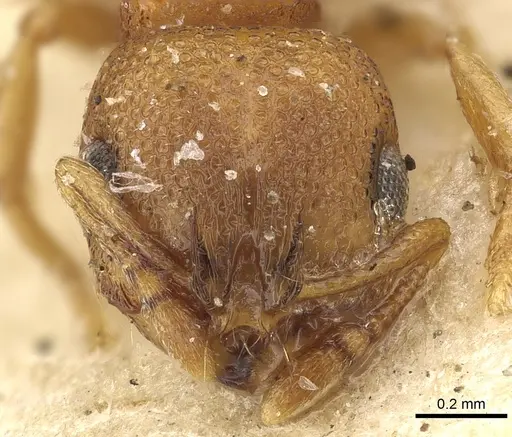
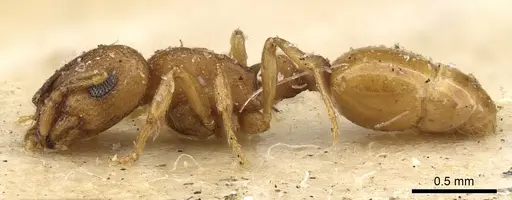
Chelaner elegantulus is a tiny ant species native to Australia, belonging to the falcatus species group. Workers measure just 1.5-1.8mm in total body length, making them one of the smaller ant species kept in captivity. They have a distinctive light orange coloration and 12-segmented antennae, which helps distinguish them from similar-looking species. This species has the widest distribution of any member of the falcatus-group, found throughout the drier woodland areas of temperate Australia [1].
These ants are part of the Myrmicinae subfamily and are relatively new to the antkeeping hobby, having been reclassified from Monomorium to Chelaner in 2019. They are monomorphic, meaning all workers are the same size. While not much is known about their specific captive care requirements, they originate from Australia's temperate regions, which suggests they can tolerate some temperature variation.
Quick Summary
- Difficulty: Medium
- Origin & Habitat: Native to Australia, specifically found throughout drier woodland areas of temperate Australia. This species has the widest distribution of any member of the falcatus-group [1].
- Colony Type: Likely single-queen (monogyne) colonies based on typical Monomorium/Chelaner patterns. Colony size is unknown but likely modest given their small worker size.
- Colony: Monogyne
- Founding: Claustral
- Size & Growth:
- Queen: Unknown, no documented queen measurements found. Estimated 4-6mm based on genus patterns.
- Worker: 1.5-1.8mm mesosoma length (HML 1.51-1.81), with head length 0.61-0.72mm and head width 0.59-0.74mm [1]
- Colony: Unknown, no colony size data available. Likely under 500 workers based on small worker size and typical Monomorium patterns.
- Growth: Unknown, no development data available. Estimated moderate growth based on related species.
- Development: Unknown, no direct measurements. Estimated 6-10 weeks based on typical Monomorium development patterns at warm temperatures. (Development timeline is unconfirmed. Related Monomorium species typically develop from egg to worker in 6-8 weeks at optimal temperatures.)
- Antkeeping:
- Temperature: Aim for 22-26°C. Based on their temperate Australian origin, they likely prefer moderate warmth. Avoid extremes, a room-temperature setup around 23-25°C is a good starting point.
- Humidity: Prefers drier conditions, their natural habitat is drier woodland areas of temperate Australia. Keep nest substrate moderately moist but not wet. Provide some drier areas for them to choose.
- Diapause: Likely yes, temperate Australian species typically require a winter rest period. A 2-3 month diapause at 10-15°C during winter months is recommended.
- Nesting: In nature they likely nest in soil or under stones in dry woodland areas. For captivity, a small test tube setup or Y-tong nest with narrow chambers scaled to their tiny size works well. Avoid large, open spaces.
- Behavior: These are small, generally peaceful ants. They are not aggressive and unlikely to sting humans. Workers are active foragers, likely collecting small insects and honeydew in nature. Their tiny size means they can squeeze through small gaps, use fine mesh and tight-fitting lids for escape prevention. They are likely diurnal, foraging during daylight hours.
- Common Issues: tiny size makes escape prevention critical, use fine mesh barriers, limited available care information makes successful keeping more challenging, growth rate is unknown so patience is required, wild-caught colonies may harbor parasites that can kill captive colonies, drier habitat preferences mean overwatering can be fatal
Housing and Nest Setup
Because of their very small size, Chelaner elegantulus needs appropriately scaled housing. Test tube setups work well for founding colonies, use a small test tube with a cotton water reservoir. The chambers should be tight enough that the ants feel secure but large enough for them to move around. If using a formicarium, choose one with narrow tunnels and small chambers designed for tiny ants. Avoid large, open spaces which can stress small colonies. A naturalistic setup with a small dirt chamber also works well, mimicking their natural soil-nesting behavior. Escape prevention is critical, these tiny ants can squeeze through gaps you might not expect. Use fine mesh on any ventilation holes and ensure all lids fit tightly.
Feeding and Diet
Like most Monomorium species, Chelaner elegantulus likely has a varied diet. They probably feed on small insects, aphids, and other small arthropods in the wild, along with honeydew from sap-sucking insects. In captivity, offer small protein sources like fruit flies, pinhead crickets, and small mealworms. Since they are tiny, prey items should be appropriately sized, no larger than the ants themselves. They likely accept sugar water or honey as an energy source. Feed small amounts of protein 2-3 times per week, and keep a sugar source available at all times. Remove any uneaten prey after 24 hours to prevent mold.
Temperature and Seasonal Care
Chelaner elegantulus originates from temperate Australia, suggesting they prefer moderate temperatures with some seasonal variation. Keep the nest area at 22-26°C as a starting point. Room temperature in most homes should fall within this range. You can use a heating cable on one side of the nest to create a gentle temperature gradient if needed, place it on top of the nest, not underneath, to avoid drying out the substrate. During winter, these ants likely enter a diapause period. Reduce temperature to 10-15°C for 2-3 months, mimicking natural seasonal cycles. This rest period is important for colony health and may trigger reproductive behavior in the spring. Do not feed during diapause, the colony will be minimally active.
Behavior and Colony Dynamics
These ants are small and generally peaceful. Workers are likely active foragers, searching for small prey and honeydew. They probably do not sting humans, their stingers are too small to penetrate human skin effectively. Colonies are likely monogyne, with a single queen producing all workers. The queen is probably claustral, sealing herself in a chamber to raise the first brood alone on stored fat reserves. First workers (nanitics) will be smaller than normal workers. As the colony grows, workers will take on foraging and brood care duties while the queen focuses on egg-laying. Expect moderate colony growth, these are small ants with likely modest colony sizes.
Frequently Asked Questions
How long does it take for Chelaner elegantulus to produce first workers?
The exact timeline is unknown, but based on typical Monomorium development, expect 6-10 weeks from egg to first worker at warm temperatures (around 24-26°C). Patience is key, small species often take time to establish.
What do Chelaner elegantulus eat?
They likely accept small insects like fruit flies, pinhead crickets, and small mealworms. They probably also drink sugar water or honey. Offer appropriately-sized prey since they are tiny ants.
What temperature do Chelaner elegantulus need?
Aim for 22-26°C. Room temperature is usually suitable. They come from temperate Australia so can handle some variation.
Do Chelaner elegantulus need hibernation?
Likely yes, as a temperate Australian species, they probably benefit from a winter rest period. Reduce to 10-15°C for 2-3 months during winter.
How big do Chelaner elegantulus colonies get?
Colony size is unknown but likely modest, probably under 500 workers given their tiny worker size.
Are Chelaner elegantulus good for beginners?
They are rated as medium difficulty. Limited care information is available, which can make them more challenging than established species. They may be better suited for keepers with some experience.
Can I keep multiple Chelaner elegantulus queens together?
This has not been documented. Based on typical Monomorium patterns, they likely form single-queen colonies. Combining unrelated queens is not recommended.
When should I move Chelaner elegantulus to a formicarium?
Wait until the colony has 20-30 workers. Moving too early can stress the colony. A small formicarium with appropriately scaled chambers is best.
References

This caresheet is licensed under CC BY-SA 4.0 .
CASENT0902300
View on AntWeb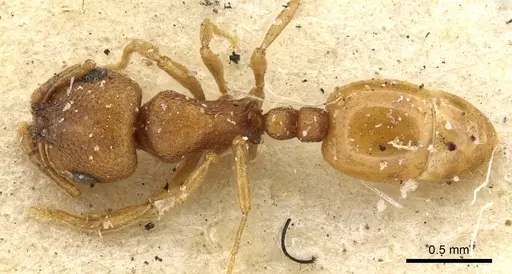
Literature
Loading...Loading products...